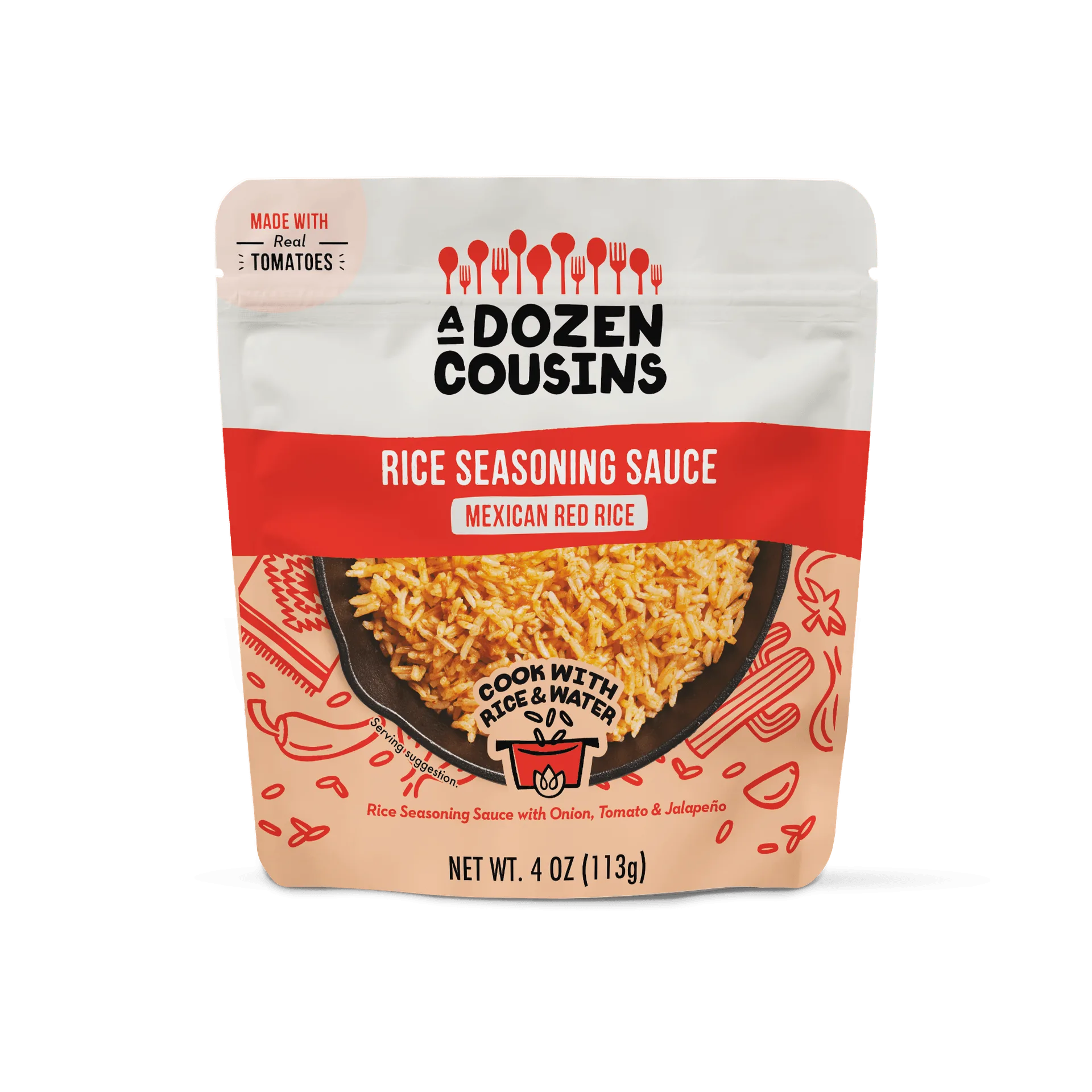
Great cooking is rarely about a single bold ingredient. Instead, it relies on the careful, intentional layering of flavors—building depth and complexity one step at a time. Seasoning sauces are one of the most powerful tools for this process, offering concentrated, ready-to-use flavor bases that can transform a simple dish into something memorable.
In this guide, we’ll walk through the technique of layering flavors with seasoning sauces, from understanding the flavor profile of each sauce to timing your additions for maximum impact. Whether you’re a seasoned home cook or just starting to explore bold Latin and Caribbean flavors, these steps will help you create dishes with restaurant-quality depth.
Understanding Flavor Layers: The Foundation
Flavor layering is the practice of adding different flavor elements at different stages of cooking so that they meld and build upon each other. Typically, this starts with a base layer—often aromatics like onion, garlic, or peppers—followed by a middle layer of spices or seasoning sauces, and finally a finishing layer of fresh herbs, citrus, or a final splash of sauce. Seasoning sauces are versatile enough to work in both the middle and finishing layers, depending on when you add them.
For example, a sauce like Mexican Pollo Asado Seasoning Sauce can be used early as a marinade to infuse meat with bright citrus and smoky chile notes, then added again at the end as a finishing glaze for a final burst of flavor. Understanding how each sauce behaves under heat is key to layering effectively.

Mexican Pollo Asado Seasoning Sauce
- Start with a neutral oil and sauté aromatics to build the first layer.
- Add a seasoning sauce early for deep, cooked-in flavor.
- Reserve a small amount of the same sauce for finishing to preserve its brightness.
Choosing the Right Seasoning Sauce for Each Layer
Not all seasoning sauces are created equal when it comes to layering. Some are built for marinades and long simmering, while others shine as last-minute additions. For example, Jamaican Jerk Seasoning Sauce brings intense heat, allspice, and thyme—perfect for marinating chicken or tofu overnight, then using a fresh splash at the table. On the other hand, Caribbean Coconut Rice Seasoning Sauce is milder and creamier, ideal for adding to rice or grains early in the cooking process so the coconut and spices can infuse every grain.
Consider the intensity and acidity of each sauce. A high-acid sauce (like those with citrus or vinegar) works well early to tenderize proteins, while a lower-acid, herb-forward sauce can be stirred in just before serving to preserve its freshness. Experimenting with different combinations will help you develop your own signature layering style.
- For marinades: choose sauces with acid and bold spices (e.g., Jamaican Jerk).
- For simmering: use sauces that mellow with heat (e.g., Mexican Pollo Asado).
- For finishing: pick sauces with fresh, bright notes (e.g., Caribbean Coconut Rice).
Step-by-Step: Layering Flavors in a One-Pot Meal
Let’s apply the technique to a simple one-pot rice and bean dish. Start by sautéing diced onion and bell pepper in oil until soft. This creates the aromatic base. Next, stir in a generous spoonful of Jamaican Jerk Seasoning Sauce and cook for one minute to bloom the spices. Then add your rice and liquid (broth or water), along with a can of seasoned beans like Los Frijoles Clasicos. The beans already carry their own flavor, so they contribute another layer without extra work.
Simmer everything until the rice is tender and the liquid is absorbed. Just before serving, stir in a final tablespoon of the same seasoning sauce (or a complementary one) to brighten the dish. The result is a meal where every bite has depth—from the smoky-sweet base to the spicy finish. This method works with any grain, bean, or protein combination.
- Layer 1: Sauté aromatics (onion, garlic, pepper).
- Layer 2: Bloom seasoning sauce in the hot pan.
- Layer 3: Add liquid, grains, and pre-seasoned beans.
- Layer 4: Finish with a fresh splash of sauce before serving.
Pairing Sauces with Proteins and Vegetables
Different proteins and vegetables respond differently to seasoning sauces. For poultry and pork, the bright citrus and smoky notes of Mexican Pollo Asado Seasoning Sauce are a natural match. For beef or lamb, the bold heat and allspice of Jamaican Jerk Seasoning Sauce create a robust crust when used as a marinade and then basted during cooking. For plant-based proteins like tofu or tempeh, the coconut and ginger notes of Caribbean Coconut Rice Seasoning Sauce add richness without overpowering.
Vegetables also benefit from layering. Toss root vegetables with a seasoning sauce before roasting to caramelize the sugars and build a savory glaze. For quick-cooking greens like spinach or kale, add a splash of sauce at the very end of sautéing for a burst of flavor. The key is to match the sauce’s intensity to the ingredient’s ability to absorb and carry flavor.
- Poultry: Mexican Pollo Asado for bright, citrusy depth.
- Red meat: Jamaican Jerk for bold, spicy crust.
- Tofu/tempeh: Caribbean Coconut Rice for creamy, aromatic coating.
- Roasted vegetables: any sauce works—adjust cooking time to avoid burning.
Common Mistakes and How to Avoid Them
Even experienced cooks can stumble when layering flavors. One common mistake is adding too much sauce too early, which can lead to a one-dimensional, overpowering taste. Instead, start with a modest amount and build gradually—you can always add more, but you can’t take it out. Another pitfall is using the same sauce for every layer without variation, which can result in a flat flavor profile. Try using two complementary sauces: one for the base and a different one for finishing.
Finally, don’t forget to taste as you go. Layering is an active process, and your palate is the best guide. If a dish feels flat, a splash of acid (like lime juice) or a pinch of salt can lift the flavors. If it’s too spicy, a touch of coconut milk or a dollop of yogurt can balance the heat. The goal is harmony, not dominance.
- Start with less sauce than you think—you can always add more.
- Use different sauces for different layers to create complexity.
- Taste frequently and adjust with acid, salt, or fat as needed.
Layering flavors with seasoning sauces is a skill that rewards practice and curiosity. By understanding how each sauce behaves at different stages of cooking, you can build dishes that are rich, balanced, and full of personality. Start with a single sauce like Jamaican Jerk Seasoning Sauce and experiment with layering it in a marinade, a simmer, and a finish. Before long, you’ll be creating meals that taste like they’ve been simmering for hours—even on a busy weeknight.