Start with the Right Base Layer
The base layer is the foundation of any cold weather layering system for hiking or climbing. Its job is to wick moisture away from your skin while retaining warmth. A merino wool or wool-blend fabric works well because it feels comfortable next to the skin and resists odor even after days of use.
For active hiking and climbing, choose a lightweight or midweight base layer that fits snugly without restricting movement. A slim fit helps with layering and prevents bunching under a midlayer or shell.
Two Merino Base Layer Options for Different Conditions
-
Classic All-Season Merino Base Layer Bottom Men's: The Classic All-Season Merino Base Layer Bottom Men's is a lightweight 88% Merino Wool, 12% Nylon blend designed for next-to-skin comfort in warm or cold conditions. It has a slim fit, flatlock seams, and a merino-lined wide elastic waistband. This lightweight base layer is ideal for high-output activities where you generate a lot of heat, such as climbing or fast hiking. The nylon core adds durability without sacrificing softness.
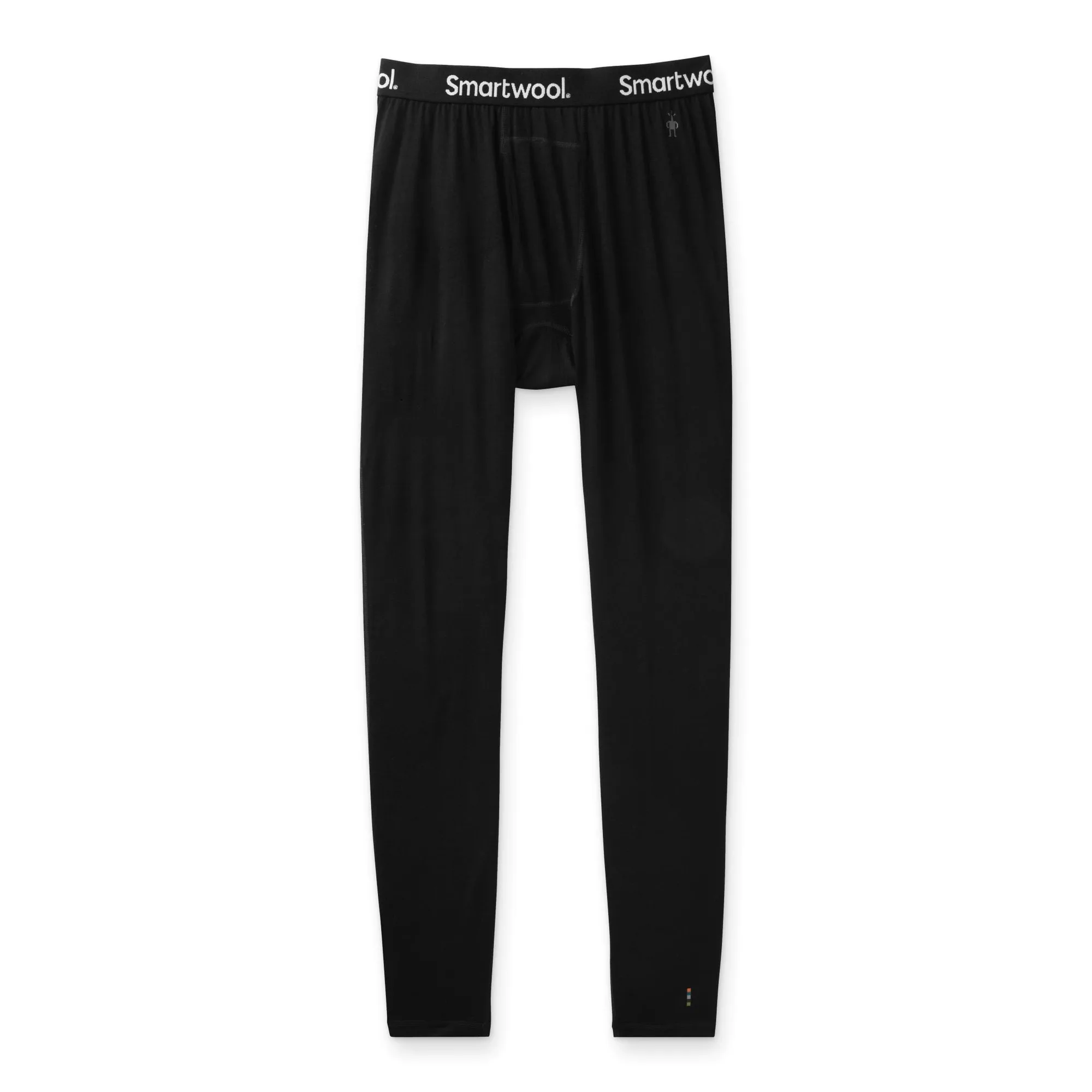
Classic All-Season Merino Base Layer Bottom Men's
-
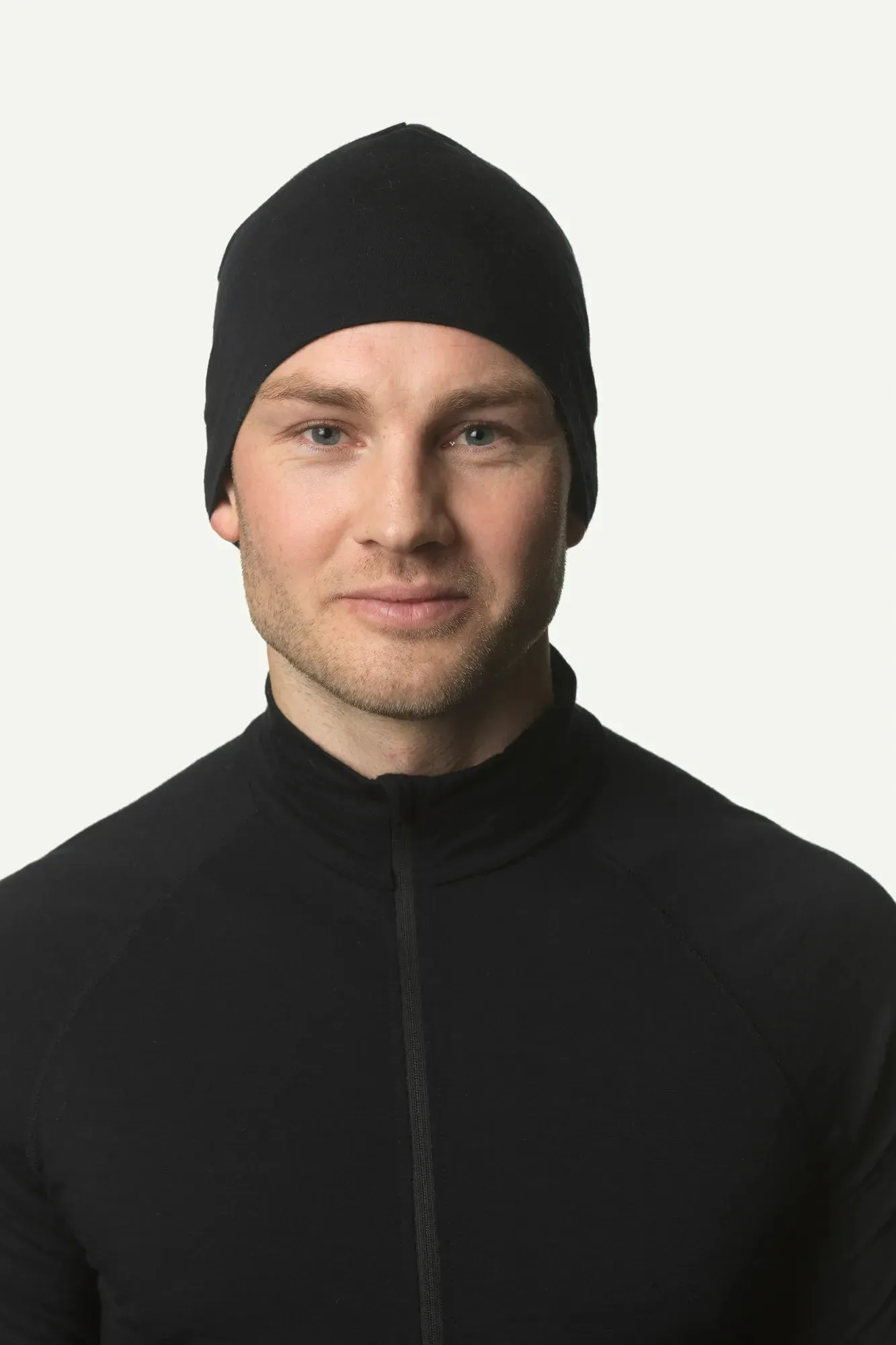
Classic Thermal Merino Base Layer 1/4 Zip Men's: The Classic Thermal Merino Base Layer 1/4 Zip Men's is a midweight 100% Merino Wool base layer with an interlock knit. It has a 10" center front zipper with a semi-locking slider and no top shoulder seams. The midweight fabric provides more insulation for colder days or lower-intensity hiking. The quarter zip allows quick venting when you start to overheat, making it a versatile choice for changing conditions.
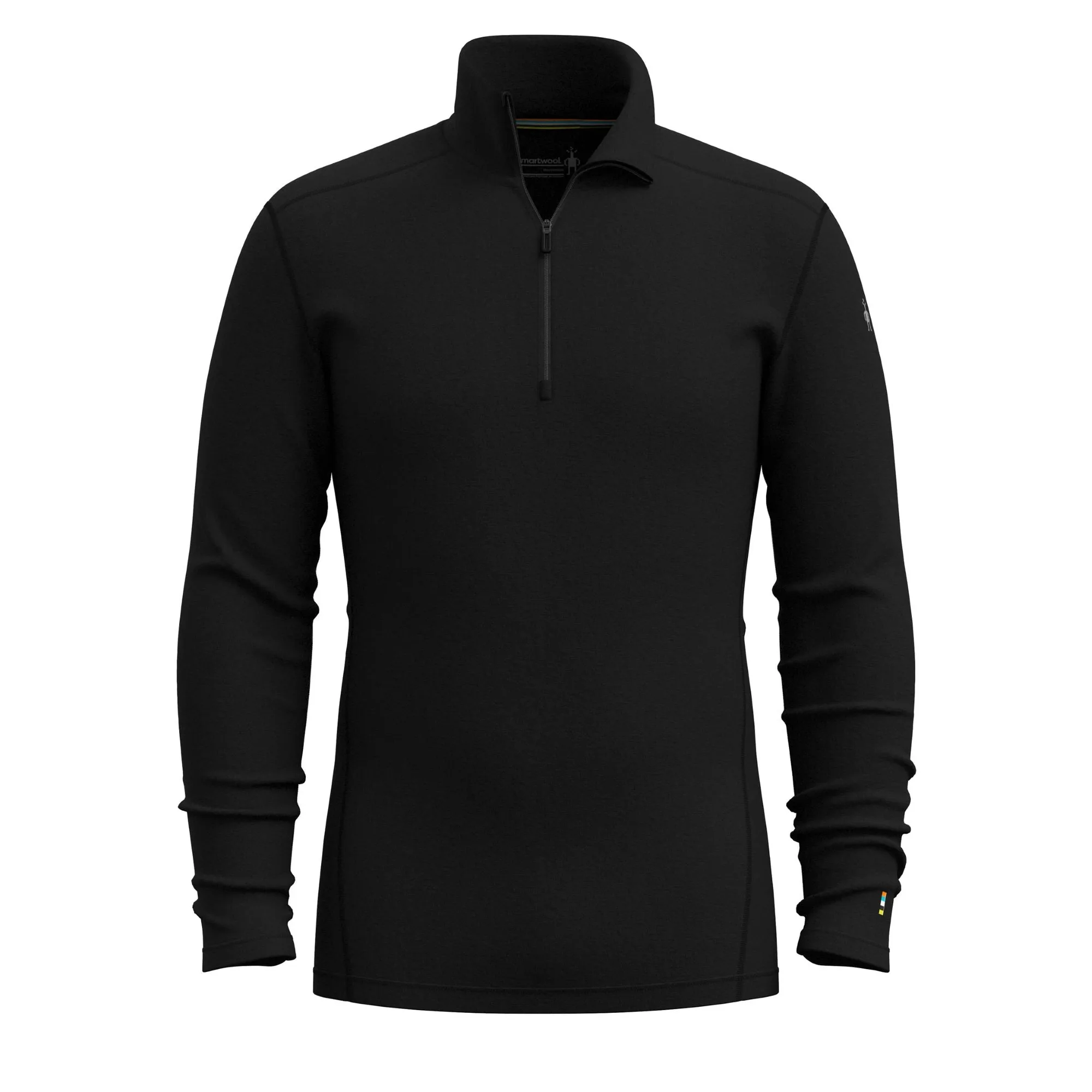
Classic Thermal Merino Base Layer 1/4 Zip Men's
Add an Insulating Midlayer
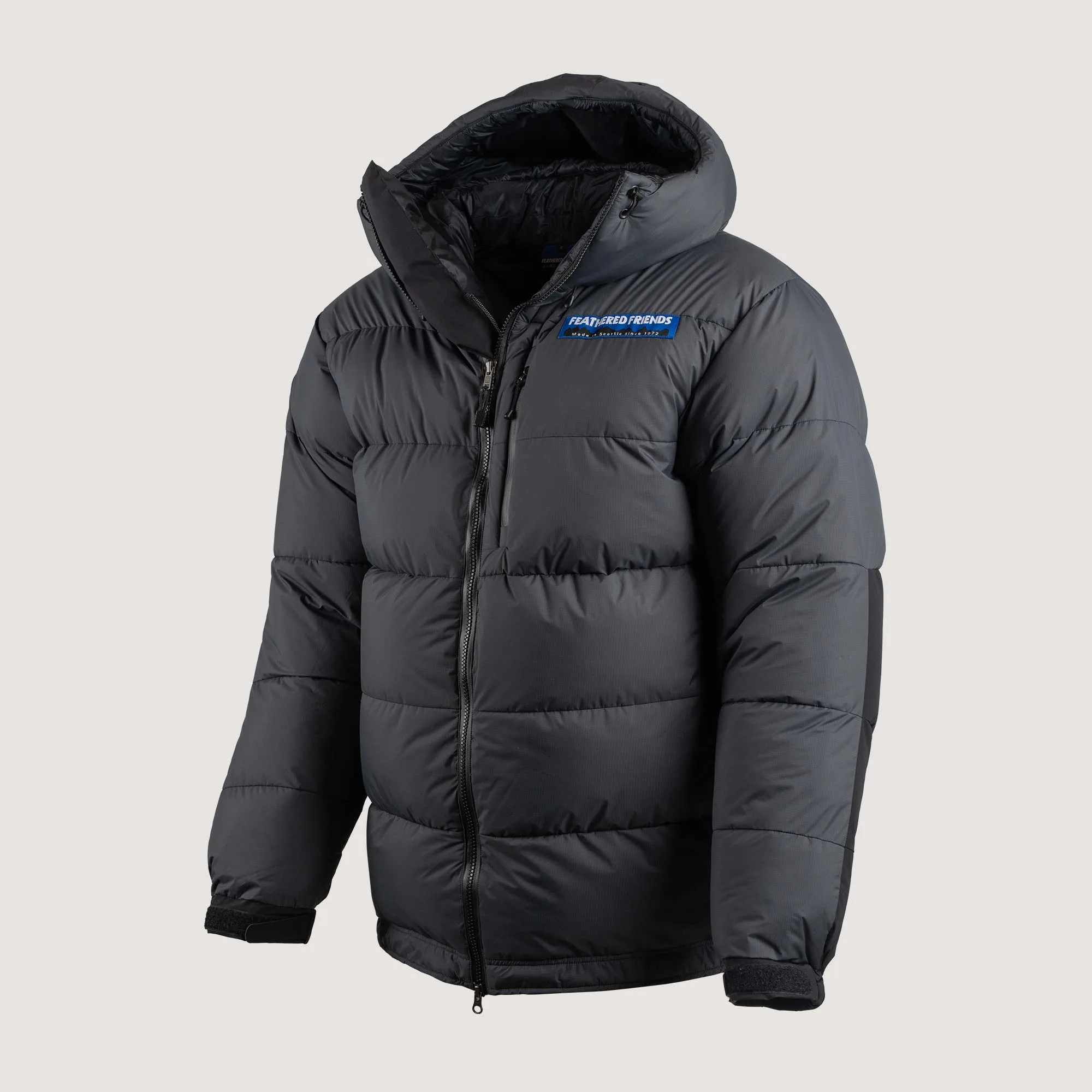
The midlayer traps body heat and provides the primary insulation in your system. For cold weather hiking and climbing, a fleece, synthetic insulated jacket, or lightweight down jacket works well. The midlayer should fit comfortably over your base layer without being too tight, and it should have enough stretch or articulation to allow full arm and shoulder movement for climbing.
If you expect high output, choose a breathable midlayer that doesn't trap too much heat. For lower-intensity days or static belays, a thicker insulated midlayer helps maintain warmth.
Finish with a Weatherproof Shell
The outer shell protects against wind, rain, and snow. For cold weather hiking and climbing, a waterproof or windproof shell with good breathability is essential. Look for a shell that fits over your midlayer without restricting movement, with a helmet-compatible hood if you plan to climb in wet or windy conditions.
A shell with pit zips or venting options helps dump excess heat during strenuous sections. The goal is to manage moisture from the inside while keeping external weather out.
Layering Tips for Active Hiking and Climbing
- Adjust layers before you sweat: Open your jacket or zip down your base layer before you start sweating, not after. Once your base layer gets wet, it's harder to dry out during a break.
- Match weight to activity level: A lightweight merino base layer (like the Classic All-Season) is better for high-output climbing or hiking. Switch to a midweight base layer (like the Classic Thermal) for slower-paced trips or colder conditions.
- Check fit before you buy: Your base layer should be snug but not restrictive. Your midlayer should fit comfortably over it without bunching. Try on all three layers together if possible to confirm freedom of movement.
Care and Maintenance
Merino wool base layers are machine washable and dryable, which makes care simple on the trail or at home. To extend the life of the fabric, wash on a gentle cycle and avoid fabric softeners. The odor resistance of merino means you can wear a base layer for multiple days between washes, which is a real advantage on multi-day trips.