Quick answer
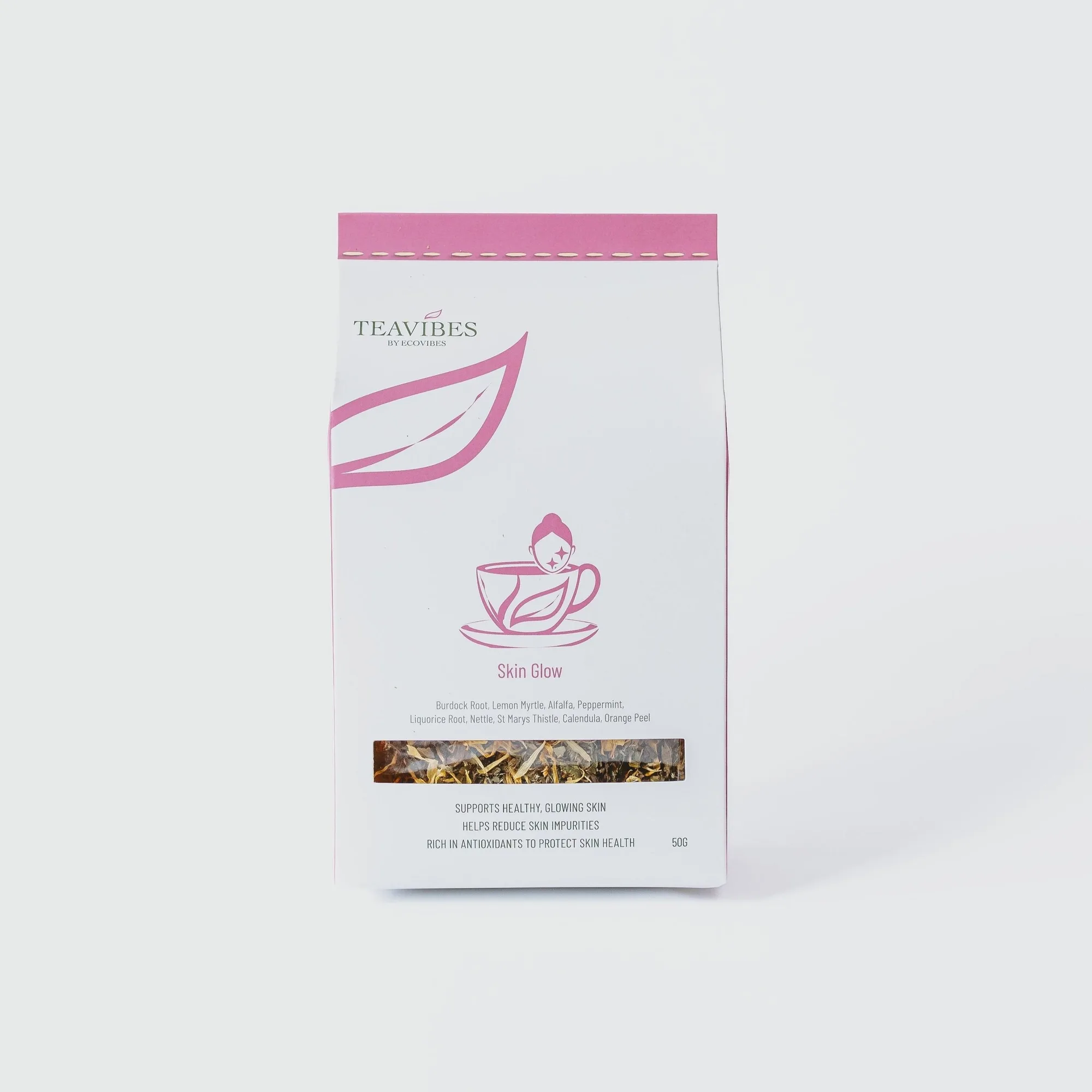
Treat tea as a gentle supporting step, not a replacement for cleanser, moisturiser, or sunscreen. Start by drinking one caffeine-free herbal tea daily, then add a cooled tea rinse or a simple green tea toner two or three evenings a week. If you want a single starting point, choose Organic Chamomile Herbal Tea for calming sensitive-feeling skin, or Skin Glow Herbal Tea if your main goal is a daily beauty-focused blend.
Why layering matters more than which tea you pick
A herbal tea skincare routine works best when each step has a different job: hydration and antioxidants from within, gentle surface soothing from a cooled rinse, and barrier support from your usual moisturiser. Layering too many tea products at once makes it hard to tell what is helping and what is irritating your skin. Introduce one tea step at a time and give it a full week before adding another. This also keeps your routine realistic on busy mornings and late evenings.
Choose the tea that matches your skin goal
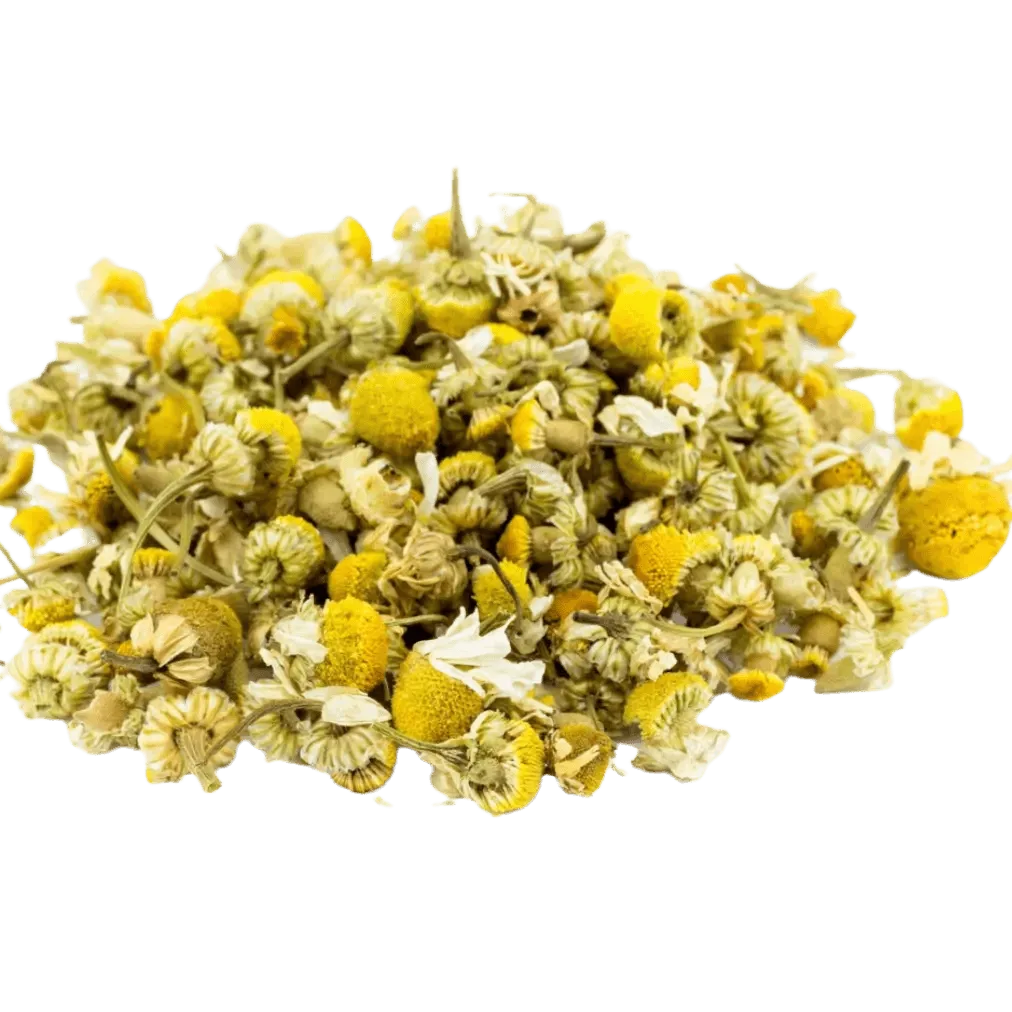
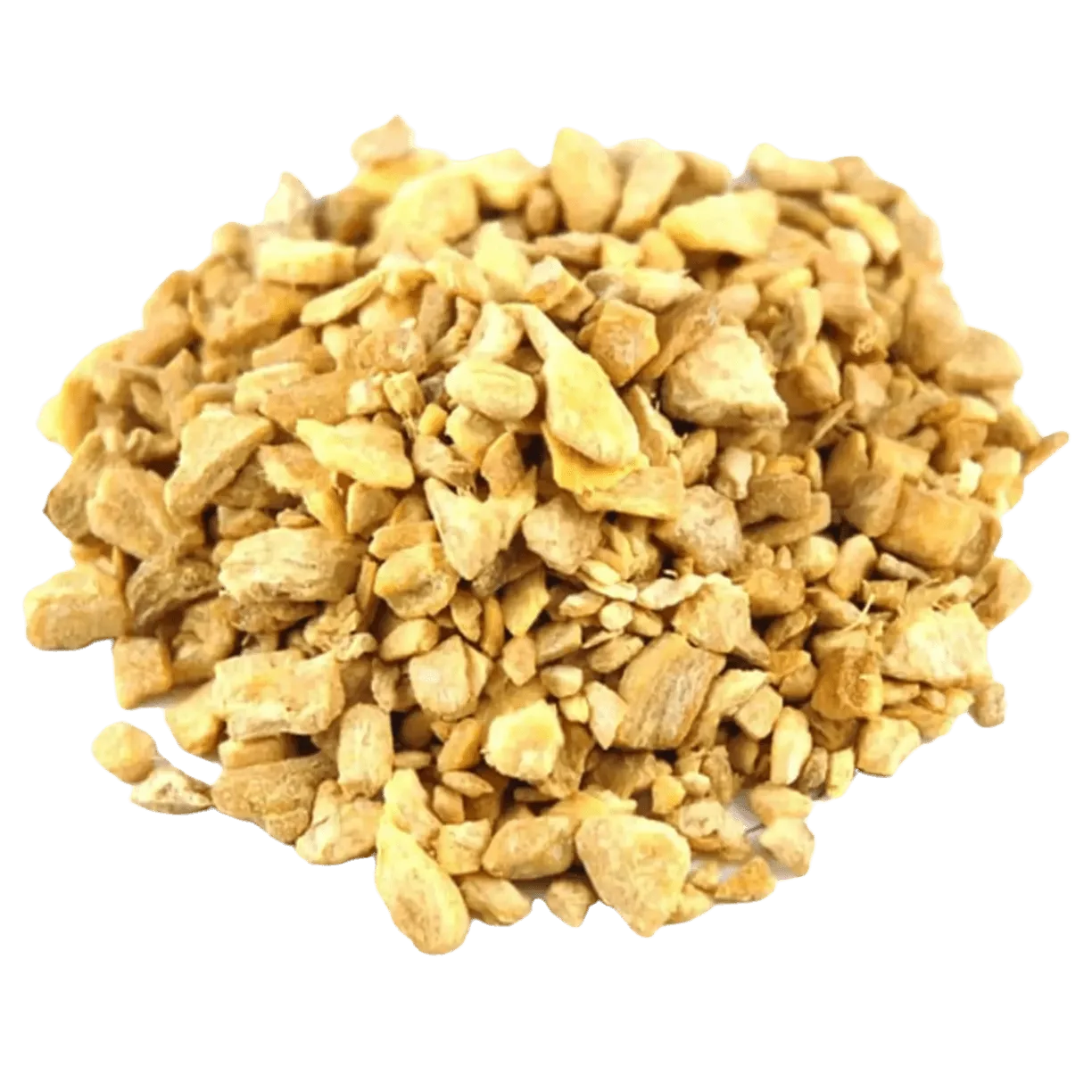
If your skin feels reactive or tight, a delicate floral infusion is the least likely to overwhelm it. Chamomile is traditionally used for calming, which makes it a sensible first tea for a sensitive-feeling complexion. If dullness is your main concern, a blend built around purifying herbs is a better fit than a single-flower tea. Ginger is the warming option: it is best kept as a drink rather than a facial rinse if your skin is prone to flushing, because its spicy character can feel stimulating.
How to brew tea for skincare use
Use freshly boiled water and steep according to the blend, then let the liquid cool completely to room temperature before it touches your face. Hot tea can strip or irritate skin, and warm tea is not a substitute for a proper cleanse. Make a small batch you can use within 24 hours, keep it covered in the fridge, and discard anything that smells or looks off. Never re-dip a used tea bag into your cup after it has been on your skin.
A simple green tea toner you can make at home
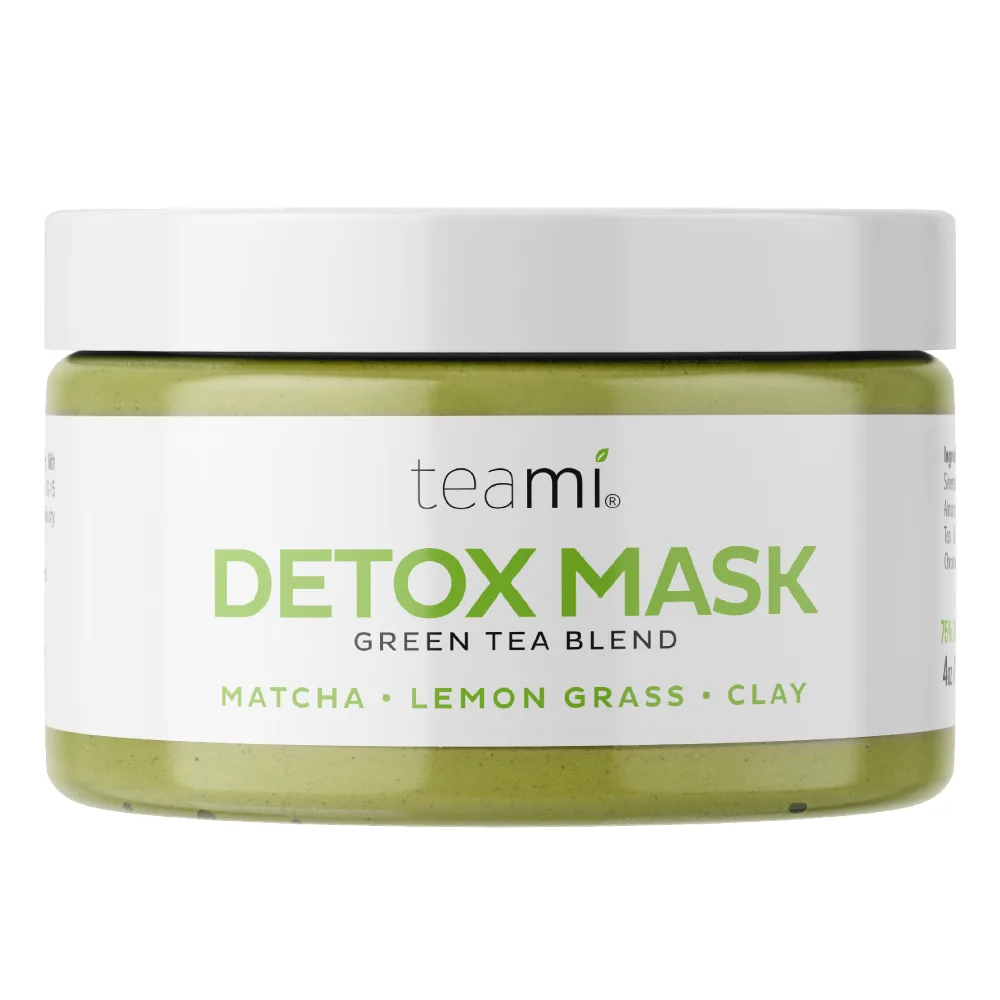
Brew one cup of plain green tea, cool it fully, and pour it into a clean spray bottle or small jar. After cleansing, sweep it over your face with a cotton pad or press it in with clean hands, then follow immediately with moisturiser while skin is still damp. Keep it plain: citrus juices, essential oils, and honey can make a homemade toner irritating or unstable. If you would rather not DIY, a cooled herbal tea rinse used the same way gives you most of the ritual with less fuss.
Fit tea into morning and evening routines
In the morning, drink your tea while your moisturiser settles, and skip the tea rinse if you are short on time. In the evening, use the rinse or toner after cleansing and before your serum or moisturiser. The order is what makes tea skincare layering work: cleanse, tea step, treatment, moisturise. If you use an active exfoliant or retinoid, keep the tea step on alternate evenings so you are not layering too much at once.
What tea can and cannot do for your skin
Tea is a supportive habit, not a treatment for acne, pigmentation, or dryness. It will not replace sunscreen, and no tea will produce a glow overnight. What it can do is add hydration, a calming ritual, and antioxidant-rich plant compounds to an otherwise consistent routine. Judge results over four to six weeks, and stop any tea step that causes stinging, redness, or new breakouts. If a skin concern is persistent or painful, see a doctor or dermatologist rather than adding more tea.
Your tea skincare layering steps
- 1. Cleanse first, always: Remove makeup, sunscreen, and the day's grime with your normal cleanser before any tea touches your skin. Tea cannot clean skin, and applying it over a dirty face traps residue against your pores. Checkpoint: skin should feel clean and slightly damp, not tight or squeaky.
- 2. Brew and cool your tea: Steep your chosen herbal tea, then let it cool to room temperature. Use it within 24 hours and store it covered in the fridge. Hot liquid is the most common mistake here because it feels soothing in the cup but irritating on the face. Checkpoint: if the liquid feels warm on your wrist, wait longer.
- 3. Apply as a rinse or toner: Sweep cooled tea over your face with a cotton pad, press it in with clean hands, or mist it on. Keep the layer thin and let it absorb for a few seconds before moving on. Checkpoint: no dripping, no stinging. If it stings, rinse with cool water and skip this step next time.
- 4. Seal with moisturiser: Apply your usual moisturiser while skin is still damp from the tea. This is what turns a tea rinse into a hydrating step instead of a drying one, especially in air-conditioned or heated rooms. Checkpoint: skin should feel comfortable within a minute, not tight.
- 5. Drink one tea daily: Choose one caffeine-free herbal tea and drink it at a consistent time, such as mid-afternoon or after dinner. Rotating three teas every day makes it harder to notice how your skin and sleep respond. Checkpoint: give one tea at least a week before judging it.
- 6. Review after four weeks: Take a simple note of how your skin feels each week: calmer, drier, or unchanged. Keep the steps that help and drop the ones that do not. Adding more tea steps is not the answer if your skin is already reacting. Next step: if nothing changes, focus on sunscreen and sleep before buying another tea.
Teas that fit this routine
- Organic Chamomile Herbal Tea: A delicate herbal infusion made from dried chamomile flowers, described as naturally calming for the mind and body. A gentle first tea for an evening wind-down or a cooled rinse when your skin feels reactive.
- Skin Glow Herbal Tea: A caffeine-free blend of burdock root and other herbs designed to purify, nourish, and rejuvenate skin from within. The most goal-specific option if your routine is built around a daily beauty and glow habit rather than general calming.
- Organic Ginger Root Tea: A bold, spicy infusion made from pure organic ginger root, traditionally used for warming and digestive support. Best kept as a drink rather than a facial rinse, especially if your skin flushes easily.