Quick answer
Layer a creamy lipstick first, blot gently, then apply a high-gloss lip gloss on top. This locks in color and adds shine without smudging.
Why layering works
Lipstick provides pigment and staying power, while gloss adds a wet, reflective finish. When you layer them correctly, the gloss seals the lipstick and helps it last longer. The trick is to let the lipstick set before adding gloss, so the two don't mix into a sticky mess.
Choosing the right products
Not every lipstick and gloss pair well. Creamy or satin lipsticks are ideal because they don't dry out under gloss. Matte lipsticks can work, but they may feel tight after gloss is applied. For a natural look, pair a rosy berry shade like Blush Berry with a sheer pink gloss. For a romantic daytime look, a Rose Petals lipstick under a high-shine gloss adds subtle elegance.
Step-by-step layering method
- Prep your lips: Exfoliate gently with a lip scrub or a soft toothbrush, then apply a thin layer of balm. Wait 30 seconds for it to absorb. Skipping prep can cause uneven color and patchy gloss.
- Apply lipstick: Swatch your chosen lipstick directly from the bullet or with a lip brush. Start at the center and blend outward. Blot with a tissue to remove excess oil. Blotting is key — too much product will slide under the gloss.
- Wait 60 seconds: Let the lipstick set on your lips before moving to gloss. This prevents the two layers from mixing and losing color. Rushing this step makes the finish look muddy.
- Apply lip gloss: Use the gloss wand to apply a thin, even layer over the lipstick. Focus on the center of the lips for a fuller look. Too much gloss can make the lipstick bleed. Less is more.
- Blot and reapply (optional): For extra longevity, blot gently with a tissue after the first gloss layer, then add a second thin coat. Double layering works best for events, but can feel heavier for daily wear.
Products used in this guide
-
Lipstick - Zarko Beauty By Oli - Lipstick - Blush Berry — Official webshop for ZARKOPERFUME: Lipstick in Blush Berry offers a soft, rosy berry tone for a natural yet noticeable finish. Its creamy texture blends easily and holds color well under a gloss layer.
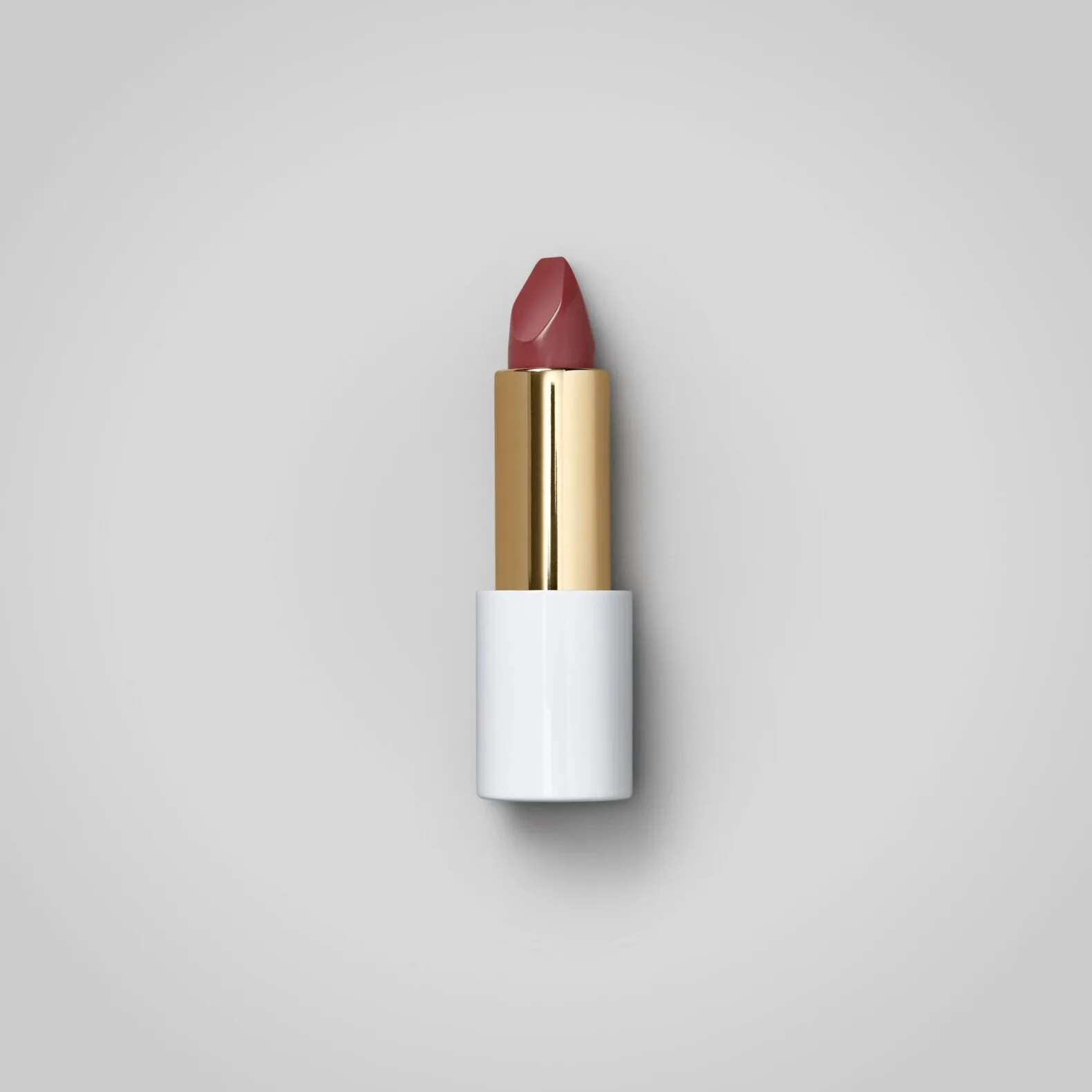
Lipstick - Zarko Beauty By Oli - Lipstick - Blush Berry — Official webshop for ZARKOPERFUME
-
Lipstick - Zarko Beauty By Oli - Lipstick - Rose Petals — Official webshop for ZARKOPERFUME: Lipstick in Rose Petals is a soft and romantic pink hue from the Zarko Beauty By Oli collection. The gentle rose shade works beautifully as a base for a sheer gloss, giving a polished look without overpowering.
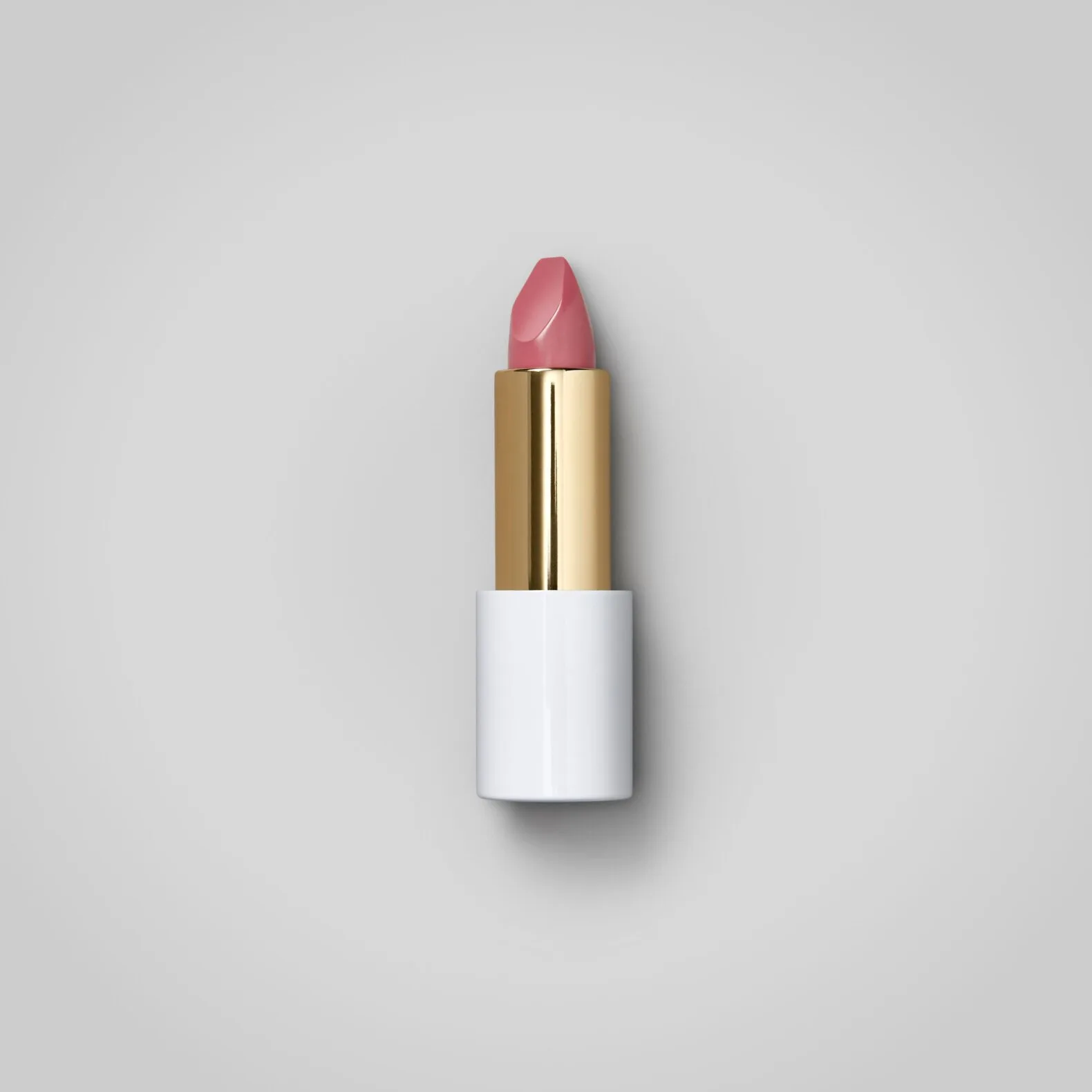
Lipstick - Zarko Beauty By Oli - Lipstick - Rose Petals — Official webshop for ZARKOPERFUME
-
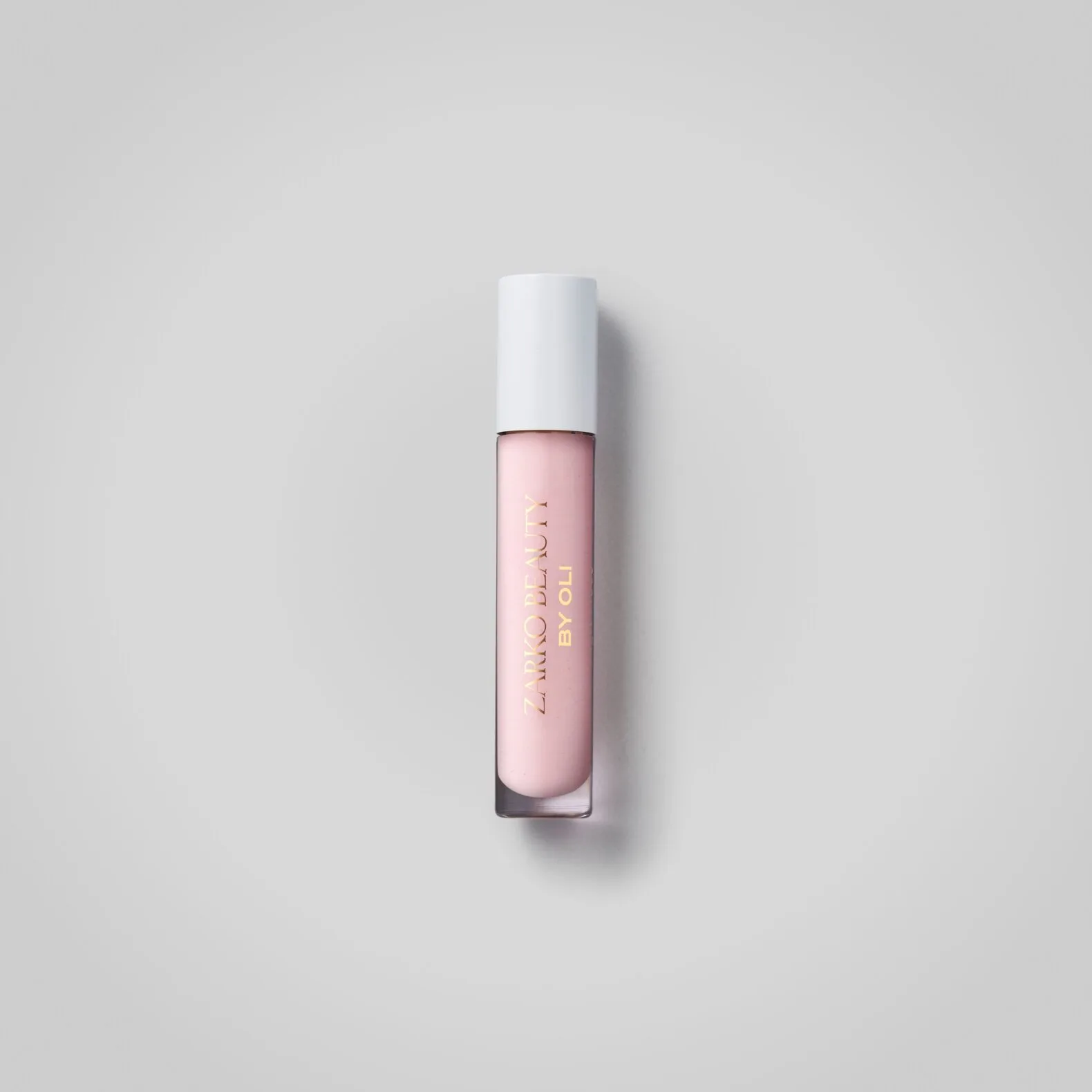
Lip gloss - Zarko Beauty By Oli - High Gloss Pretty In Pink — Official webshop for ZARKOPERFUME: High-gloss formula in a pretty pink shade adds a shiny, vibrant touch to your look. Its high-shine finish sits smoothly over lipstick and refreshes the color without smudging.