Layering serums is one of the most powerful ways to target multiple skin concerns—whether you want to brighten, hydrate, calm, or firm your complexion. But if you’ve ever piled on two or three serums only to wake up with red, irritated, or congested skin, you know there’s a fine line between effective layering and overloading your skin barrier.
In Korean skincare, the philosophy is gentle yet effective: each product should enhance the benefits of the one before it without causing irritation. The key is understanding texture, ingredient compatibility, and the right order of application. This guide will walk you through exactly how to layer serums so your skin gets the maximum benefit with zero overwhelm.
Why Layering Serums Can Be Tricky for Sensitive Skin
Serums are concentrated formulas packed with active ingredients like niacinamide, hyaluronic acid, vitamin C, retinol, or peptides. When you apply multiple serums, you’re essentially asking your skin to absorb a high dose of actives at once. For sensitive or compromised skin barriers, this can lead to stinging, redness, breakouts, or peeling.
The goal of layering is to create a synergistic effect—where each serum supports the next. For example, a hydrating serum applied first can help prep the skin for a brightening serum applied later. But if you layer incompatible ingredients, like vitamin C and retinol in the same routine, you risk irritation. Understanding your skin type and choosing serums that complement each other is the first step to successful layering.
- Always patch-test new serums before layering to check for sensitivity.
- Avoid layering more than three serums in one routine to prevent overloading.
- If your skin feels tight or looks red after layering, simplify your routine immediately.
The Golden Rule: Layer from Thinnest to Thickest
The most fundamental rule in Korean skincare layering is to apply products in order of consistency—from the thinnest, most watery texture to the thickest, richest texture. This ensures that each product can absorb properly without being blocked by a heavier formula on top. For serums, this means starting with watery, gel-like serums and ending with creamy, oil-based ones.
For example, a lightweight hydrating serum like the https://purebeautytools.store/products/heartleaf-80-moisture-soothing-ampoule-51555Heartleaf 80% Moisture Soothing Ampoule should be applied after toner but before any thicker serums or moisturizers. Its watery consistency delivers soothing ingredients deep into the skin without creating a barrier. Then you can follow with a richer serum, such as a niacinamide or peptide formula, to lock in hydration and target additional concerns.
- Water-based serums first → oil-based serums last.
- If a serum feels sticky or sits on top of your skin, you may have applied it in the wrong order.
- Let each serum absorb for 30–60 seconds before applying the next.
How to Choose Serums That Work Well Together
Not all active ingredients play well together. Some combinations can cause irritation or cancel each other out. For a safe and effective layering routine, pair ingredients that complement rather than compete. For instance, hyaluronic acid and niacinamide are a dream team—hyaluronic acid hydrates, while niacinamide strengthens the barrier and brightens. Similarly, peptides and ceramides work beautifully to support skin repair.
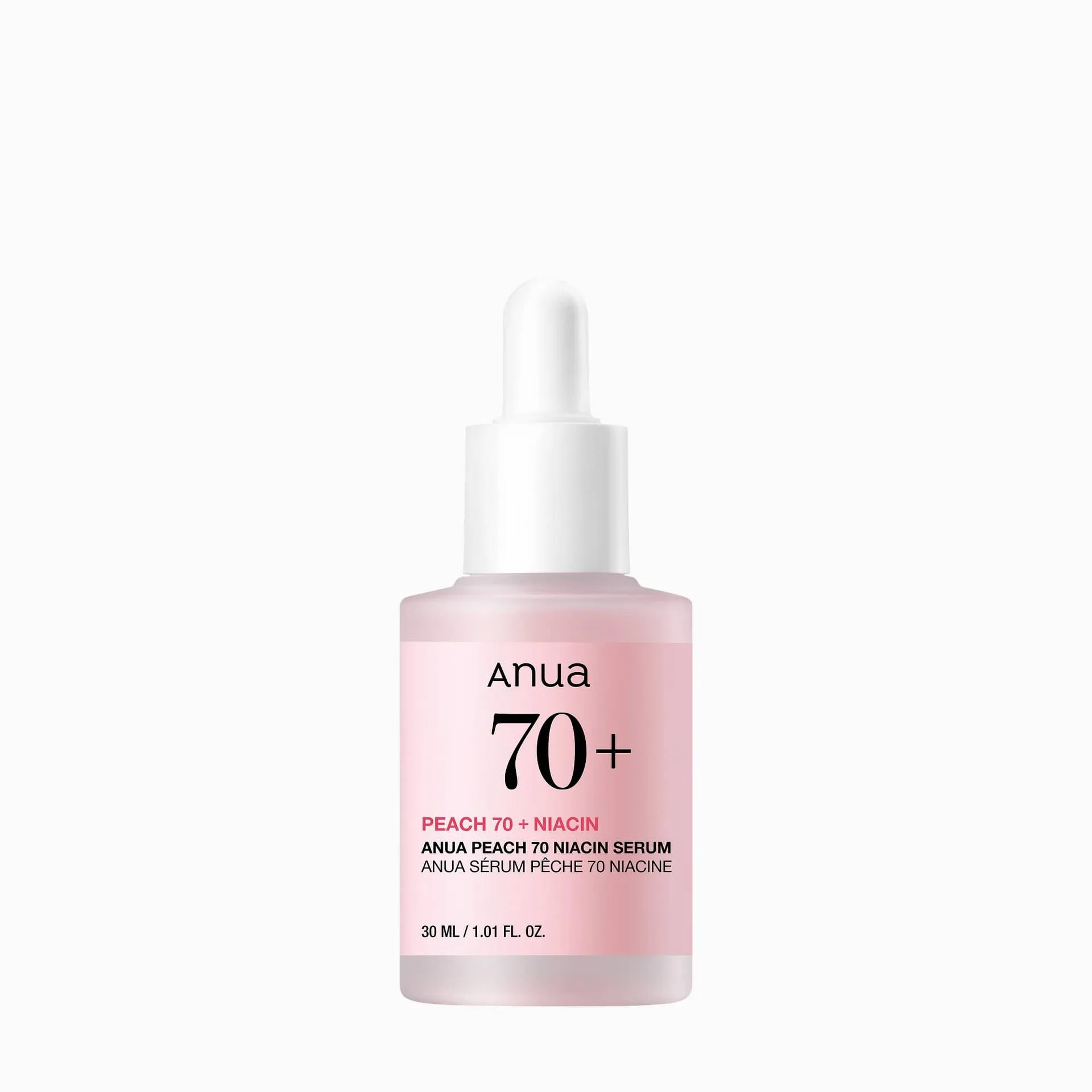
One excellent product for a gentle layering routine is the Peach 70% Niacinamide Serum. It delivers a high concentration of niacinamide to target uneven tone and texture, yet it’s formulated to be soothing enough for daily use. Apply it after a hydrating ampoule and before your moisturizer. Another great option is the https://purebeautytools.store/products/rice-ceramide-7-hydrating-barrier-serum-51550Rice Ceramide 7 Hydrating Barrier Serum, which combines ceramides and rice extract to reinforce the skin barrier—ideal for sensitive skin that needs extra protection.
- Avoid layering vitamin C and retinol in the same routine; use one in the AM and the other in the PM.
- Pair brightening serums (niacinamide, vitamin C) with hydrating serums (hyaluronic acid, glycerin) for balanced results.
- For acne-prone skin, look for calming ingredients like centella asiatica or heartleaf alongside active ingredients.
Step-by-Step: A Sample Serum Layering Routine
To give you a concrete example, here’s a gentle yet effective serum layering routine suitable for normal to combination skin. Start with a clean, toned face. First, apply a watery, hydrating ampoule like the Heartleaf 80% Moisture Soothing Ampoule to calm redness and boost moisture. Pat it in gently with your palms.
Next, apply a brightening serum such as the Peach 70% Niacinamide Serum to even out skin tone and refine pores. Wait about 30 seconds for it to absorb. Finally, seal everything with a barrier-strengthening serum like the Rice Ceramide 7 Hydrating Barrier Serum, which locks in hydration and reinforces the skin’s protective layer. Finish with a moisturizer and sunscreen (AM) or a night cream (PM). This routine layers effectively without overwhelming the skin.
- AM routine: Hydrating ampoule → Brightening serum → Barrier serum → Moisturizer → Sunscreen.
- PM routine: Hydrating ampoule → Treatment serum (retinol or exfoliant, if used) → Barrier serum → Night cream.
- If you use an exfoliating serum (AHA/BHA), apply it right after cleansing and before any hydrating serums.
Signs You’re Overloading Your Skin (and How to Fix It)
Even with the best intentions, it’s easy to go overboard. Common signs of overloading include persistent redness, small bumps or breakouts, a tight or shiny feeling after application, or a burning sensation when applying products. If you notice any of these, it’s time to simplify your routine.
Start by cutting back to just a cleanser, one serum, and a moisturizer for a few days. Once your skin calms down, slowly reintroduce serums one at a time, paying close attention to how your skin reacts. You may also want to switch to gentler formulations—look for serums with fewer active ingredients or soothing bases like centella, ceramides, or panthenol. The Rice Ceramide 7 Hydrating Barrier Serum is an excellent choice for repairing an overloaded barrier because it focuses on hydration and protection without harsh actives.
- If your skin feels irritated, stop all actives and use only hydrating and barrier-repairing products for a week.
- Never layer more than two active serums in one routine unless your skin is very resilient.
- Listen to your skin: if it feels uncomfortable, that’s a signal to simplify.
Layering serums doesn’t have to be complicated or risky. By following the thin-to-thick rule, choosing complementary ingredients, and listening to your skin’s signals, you can build a routine that delivers visible results without irritation. Start with two gentle serums and see how your skin responds. If you’re looking for a hydrating, barrier-friendly option to include in your layering routine, the Rice Ceramide 7 Hydrating Barrier Serum is a fantastic choice that pairs well with most other serums.