Layering necklaces is more than a trend—it's a way to express your personal style and tell a story with your jewelry. When done right, a stack of chains and pendants can elevate even the simplest outfit, adding depth and intrigue. But achieving that effortlessly chic look requires a bit of know-how. In this guide, we'll walk you through the essentials of layering necklaces with pendants, from choosing the right chain lengths to mixing metals and textures.
Whether you're a minimalist who prefers delicate pieces or a maximalist who loves to pile on statement jewelry, our tips will help you create a balanced, harmonious stack that flatters your neckline and complements your wardrobe. Let's dive into the art of necklace layering.
Why Layer Necklaces with Pendants?
Layering necklaces with pendants allows you to create a unique, personalized look that reflects your personality. Pendants serve as focal points, drawing the eye and adding visual interest. By combining different chains and pendants, you can mix meanings—like a birthstone charm paired with a meaningful symbol—or simply play with textures and shapes for a fashion-forward aesthetic.
Moreover, layering is a practical way to wear multiple pieces at once without looking cluttered. It's a versatile technique that works for casual outings, office wear, and special occasions. The key is to strike a balance between variety and cohesion, ensuring that each piece complements the others rather than competing for attention.
- Start with a focal pendant and build around it.
- Choose pieces that share a common theme, such as gemstones or metal type.
Choosing the Right Chain Lengths
The foundation of any layered necklace look is the chain lengths. To create a visually appealing stack, you need variety in lengths so that each piece sits at a different point on your chest. Common lengths include choker (14-16 inches), princess (18 inches), matinee (20-24 inches), and opera (28-36 inches). For layering, aim for a difference of at least 2 inches between each chain to prevent tangling and ensure each is visible.
A classic combination is a 16-inch choker, an 18-inch princess, and a 22-inch matinee. This creates a graduated cascade that flatters most necklines. If you're wearing a pendant, consider its size and weight—larger pendants work well on longer chains, while delicate pendants can be layered closer to the neck. For example, a petite pendant on a 16-inch chain pairs beautifully with a longer chain featuring a smaller charm.
- Use a 2-inch difference between chain lengths for optimal spacing.
- For a bold look, mix a choker with a long opera-length chain.
Mixing Metals and Textures
Gone are the days when you had to stick to one metal. Mixing gold, silver, and even rose gold adds a modern, eclectic vibe to your stack. The key is to do it intentionally. If you're new to mixing metals, start with a dominant metal and add one or two pieces in a contrasting tone. For instance, a 14K gold chain looks stunning alongside a sterling silver pendant, especially if they share a similar design language.
Texture is another element to consider. Combining smooth, polished chains with hammered or twisted textures adds depth and dimension. For example, a twisted gold hook bracelet (though a bracelet, its design inspiration can be translated to a necklace) or a hammered pendant can create a tactile contrast that makes your stack more interesting. Don't be afraid to mix delicate and chunky pieces—just ensure the overall look is balanced.
- Start with one metal as your base and add accents in another.
- Pair a sleek, modern chain with a textured, artisanal pendant for contrast.
Selecting Pendants for Layering
When choosing pendants for layering, consider the size and proportion relative to your chains. A mix of small, medium, and large pendants can create a dynamic look, but you don't want them to overwhelm each other. A good rule of thumb is to have one statement pendant as the hero, and the others as supporting characters. For example, a large, colorful gemstone pendant can be paired with smaller, simpler charms.
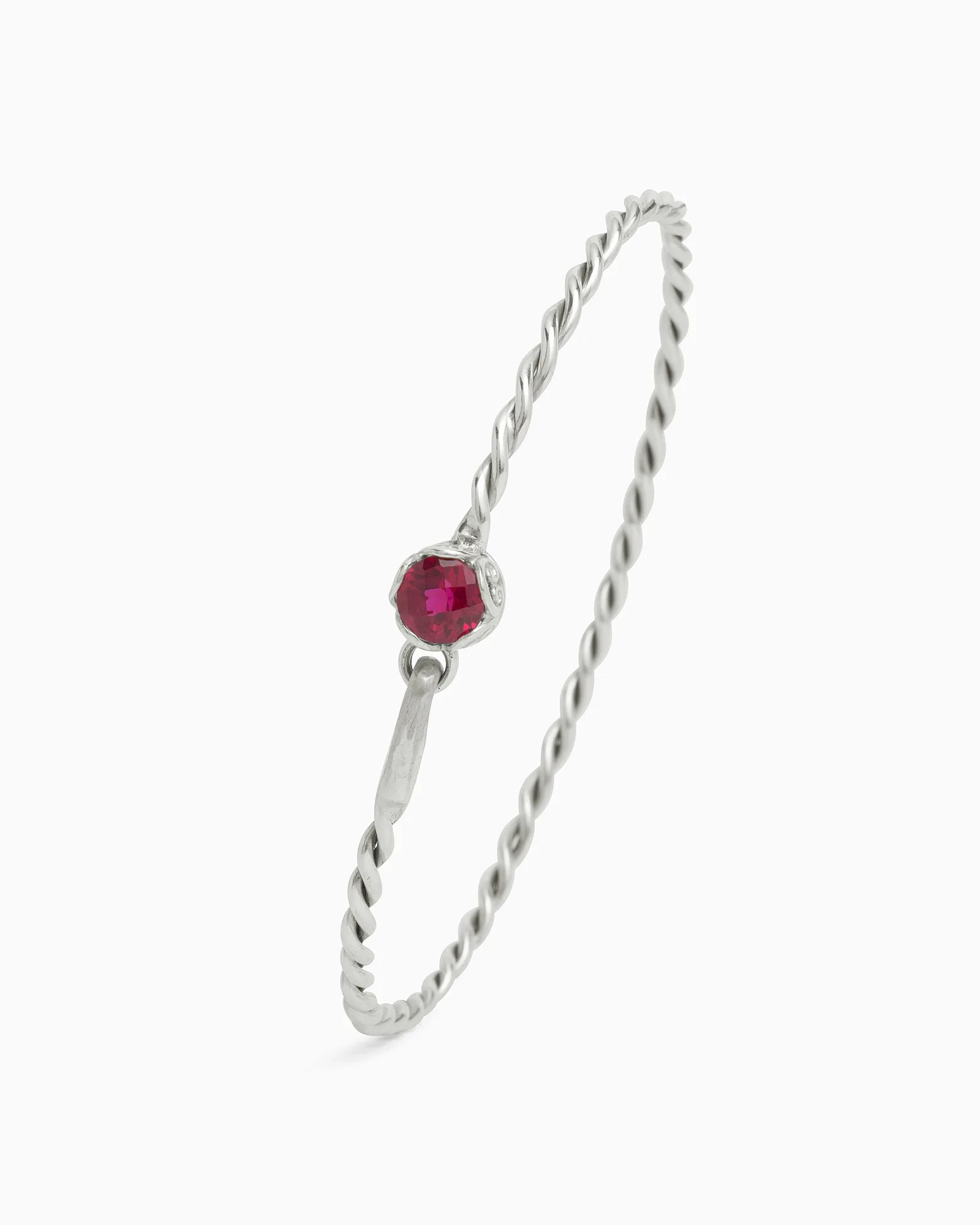
Gemstone pendants are particularly popular for layering because they add color and personality. Consider pieces like the Princess Petroglyph Twisted Bangle - Red Zircon, which, while a bangle, features a vibrant red zircon that could inspire a pendant choice. Or the Twisted Two-Tone Band with Stone - Larimar, which showcases a beautiful blue stone that would make a striking necklace pendant. When layering multiple pendants, ensure they don't tangle—opting for different chain styles (like a box chain vs. a cable chain) can help.
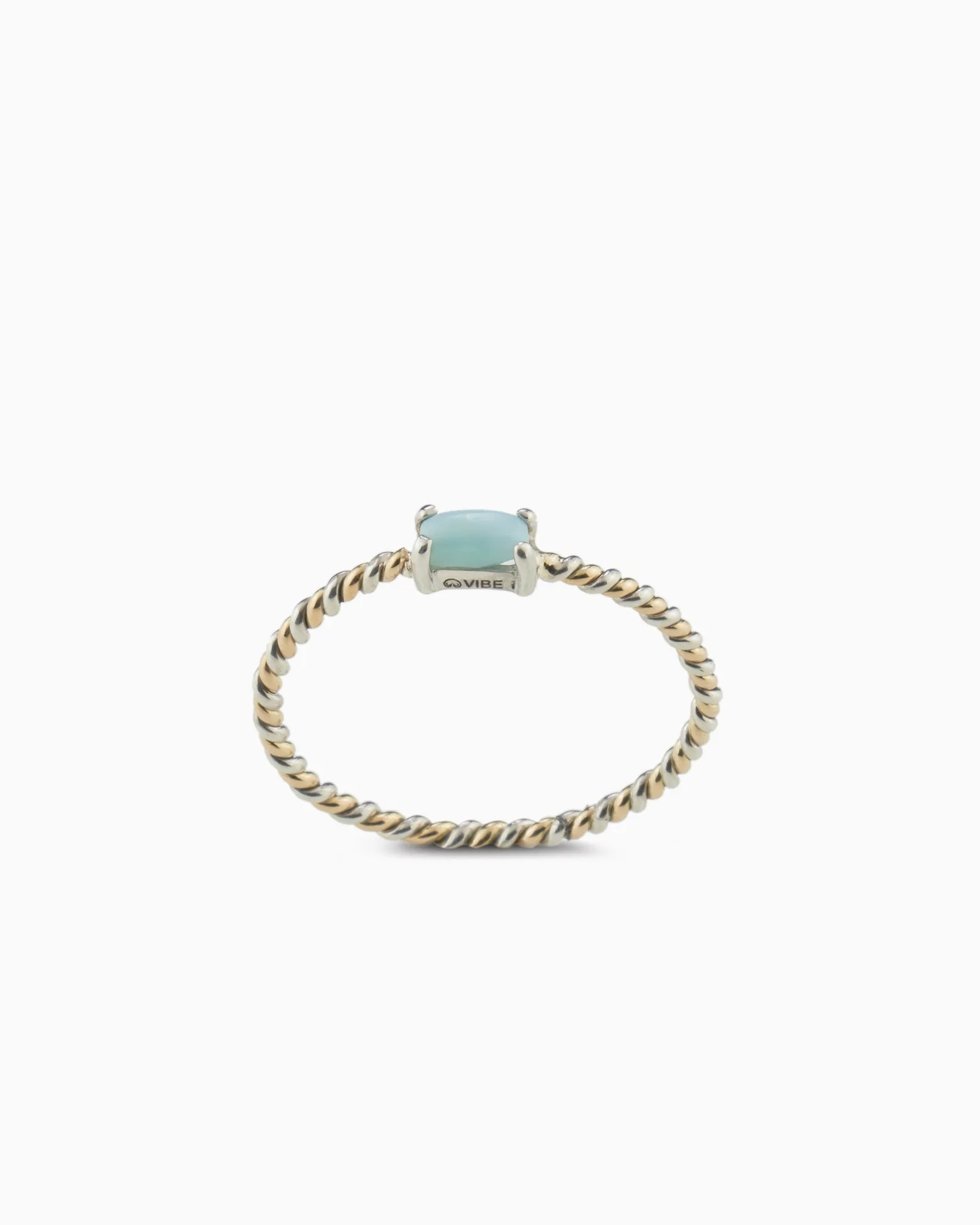
Twisted Two-Tone Band with Stone - Larimar
- Choose pendants that vary in size to create visual hierarchy.
- Use gemstone pendants to add a pop of color to your stack.
Step-by-Step Layering Technique
Start by putting on your shortest necklace first, then add longer ones over it. This prevents tangling and ensures each piece sits correctly. If you're layering more than three pieces, consider using a necklace extender or a layering clip to keep them organized. Another trick is to clasp all the necklaces together at the back, so they stay in place and don't get tangled.
When wearing pendants, position them so they don't overlap completely. You can stagger them by adjusting the clasp or using a pendant holder. For example, wear a choker with a small pendant, a mid-length chain with a larger pendant, and a longer chain with a charm that falls near your bust. This creates a pleasing cascade that draws the eye down.
- Put on the shortest necklace first to avoid tangling.
- Use a layering clip to keep multiple chains in place.
Styling for Different Necklines
Your neckline plays a crucial role in how your layered necklaces look. For a crew neck or t-shirt, opt for shorter layers that sit above the neckline. For a V-neck, choose a longer chain that mimics the V shape, with shorter layers above. For off-the-shoulder or strapless tops, you can go all out with multiple layers, including a choker and longer chains.
For formal occasions, consider layering delicate chains with a single, elegant pendant. For casual looks, mix in more textured pieces or add a pop of color with gemstones. The key is to ensure your necklaces complement your outfit, not compete with it. If your top is busy, keep your necklace stack simple; if your top is plain, you can be more adventurous.
- Match your chain lengths to your neckline for a flattering look.
- For busy patterns, opt for minimalist layers.
Caring for Your Layered Necklaces
Layered necklaces can be prone to tangling and tarnishing if not cared for properly. To prevent tangles, store each necklace separately or use a jewelry organizer with individual hooks. When traveling, thread each chain through a straw or use a pillbox to keep them separate. Clean your necklaces regularly to maintain their shine, especially if you wear them daily.
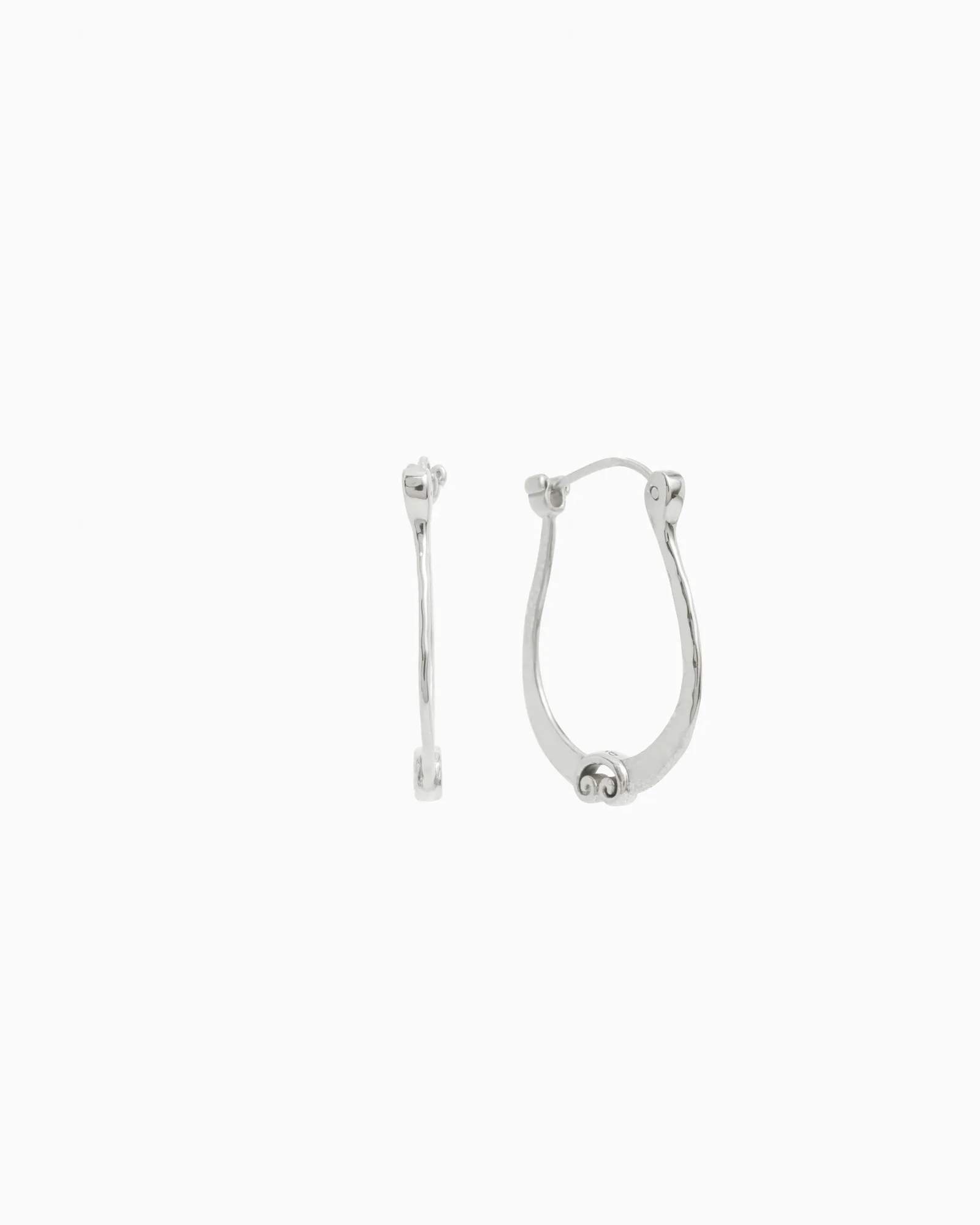
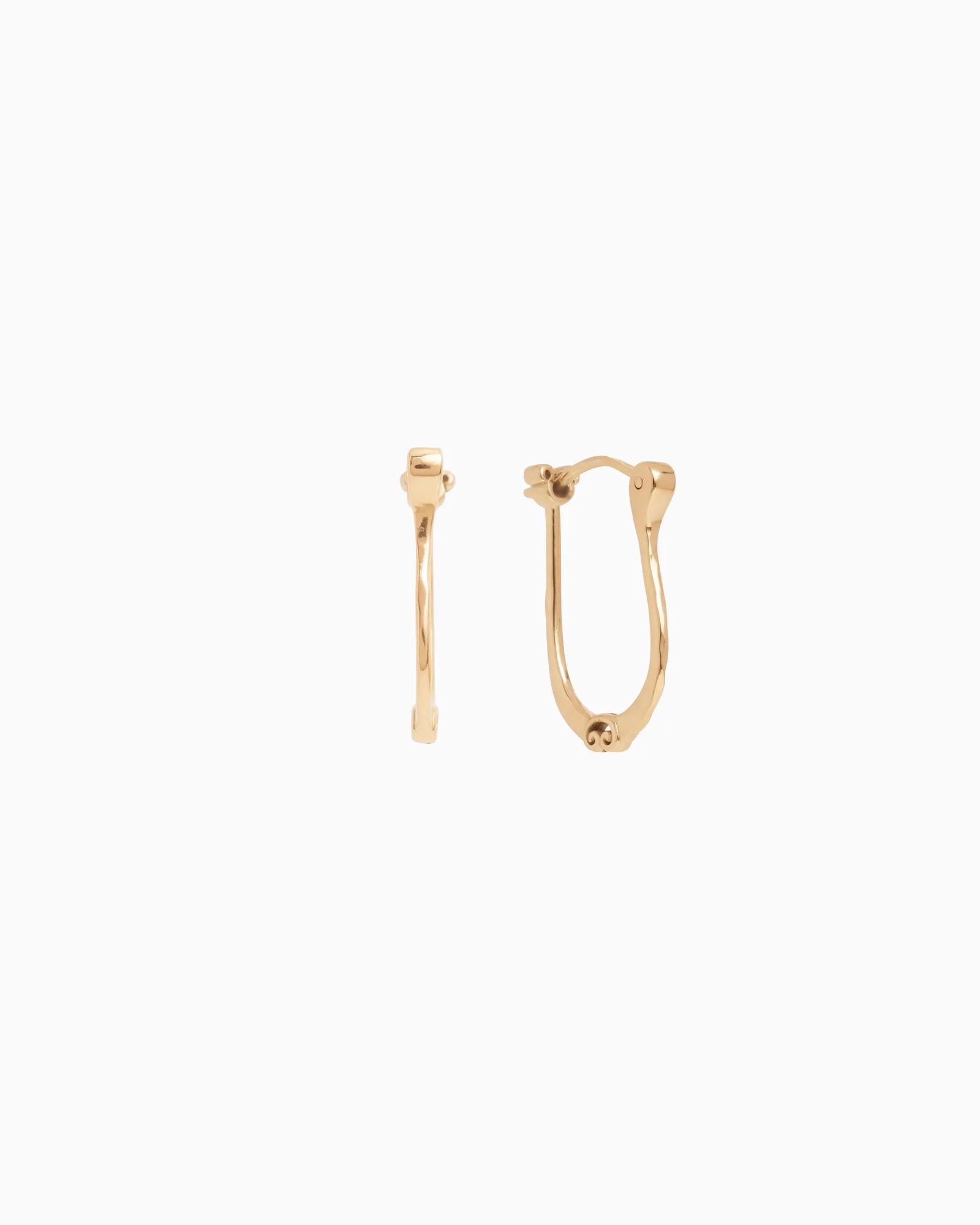
Different materials require different care. For gold and silver, use a soft cloth and mild soap. For gemstones, avoid harsh chemicals and ultrasonic cleaners. If you have pieces like the https://vibejewelryes.com/products/hammered-petroglyph-hoops-374866Hammered Petroglyph Hoops, which are earrings but share the petroglyph design, you might want to clean them with a gentle brush. For necklaces with stones, like the Huggie Earring with Gemstone Bubble Drop, ensure the stones are secure before wearing.
- Store each necklace individually to avoid tangles.
- Clean your necklaces regularly to maintain their luster.
Layering necklaces with pendants is a creative and rewarding way to showcase your style. By choosing the right chain lengths, mixing metals and textures, and selecting complementary pendants, you can craft a look that is uniquely yours. Remember to consider your neckline and care for your pieces to keep them looking beautiful. Ready to start building your stack? Explore our collection of pendants and chains to find the perfect pieces for your layered look.