Have you ever wished you could bottle a scent that's exclusively yours? Perfume layering is the secret to creating a fragrance that no one else will have. By combining two or more fragrances, you can craft a unique olfactory signature that reflects your personality, mood, and style. Whether you're a fragrance novice or a seasoned collector, this guide will teach you how to layer perfumes like a pro.
Layering isn't just about mixing two sprays and hoping for the best. It's an art that involves understanding fragrance families, notes, and intensity. In this comprehensive perfume layering guide, we'll cover everything from basic techniques to advanced combos, so you can confidently experiment and find your perfect blend.
Why Layer Perfumes?
Layering perfumes allows you to create a scent that's truly one-of-a-kind. It can enhance longevity, add complexity, and even adapt a fragrance to different seasons or occasions. For example, you might want to add a touch of warmth to a fresh summer scent or lighten a heavy winter perfume for daytime wear. Layering also gives you the freedom to express your creativity and make your fragrance routine more personal.
Another benefit is cost-effectiveness. Instead of buying a new perfume for every mood, you can combine what you already own to produce new variations. This is especially handy if you have a collection of samples or travel sizes. With a bit of practice, you'll be able to transform familiar scents into something exciting and new.
- Creates a unique scent signature
- Enhances fragrance longevity and sillage
- Adapts perfumes to different seasons or occasions
- Maximizes your existing perfume collection
Understanding Fragrance Notes and Families
Before you start mixing, it's essential to understand how perfumes are structured. Fragrances are built on three layers of notes: top, heart, and base. Top notes are the initial burst you smell, heart notes emerge after a few minutes, and base notes are the long-lasting foundation. When layering, you want to consider how these notes will interact with each other.
Fragrance families also play a crucial role. Floral, woody, citrus, oriental, and fresh are the main categories. Some families blend harmoniously, while others may clash. As a rule of thumb, complementary families like citrus and floral or woody and oriental often work well together. However, don't be afraid to break the rules – some of the best custom scents come from unexpected combinations.
- Top notes: first impression, evaporate quickly
- Heart notes: the core of the fragrance, last longer
- Base notes: the foundation, linger for hours
- Complementary families: citrus + floral, woody + oriental
Basic Layering Techniques
There are several ways to layer perfumes. The simplest method is to spray one fragrance directly onto your skin and then spray another on top. This creates a blend that evolves over time. Another technique is to apply different fragrances to different pulse points – for example, one on your wrists and another on your neck. This allows the scents to mingle as you move.
You can also layer by using a scented body lotion or oil as a base. Apply an unscented or lightly scented moisturizer first, then spray your perfumes. This not only helps the fragrance last longer but also provides a smooth canvas for the scents to combine. For a more subtle effect, try layering a perfume with a lighter concentration, like an eau de toilette, under a stronger eau de parfum.
- Spray one fragrance, then another on top
- Apply different scents to different pulse points
- Use a scented base like lotion or oil
- Layer a lighter concentration under a stronger one
Choosing the Right Perfume Combinations
When selecting perfumes to layer, consider the intensity and scent profile. You want the final result to be balanced, not overwhelming. A good starting point is to choose a primary fragrance that you love and a secondary one that adds a contrasting or complementary note. For example, if you have a floral perfume, you might add a citrus or woody scent to give it more depth.
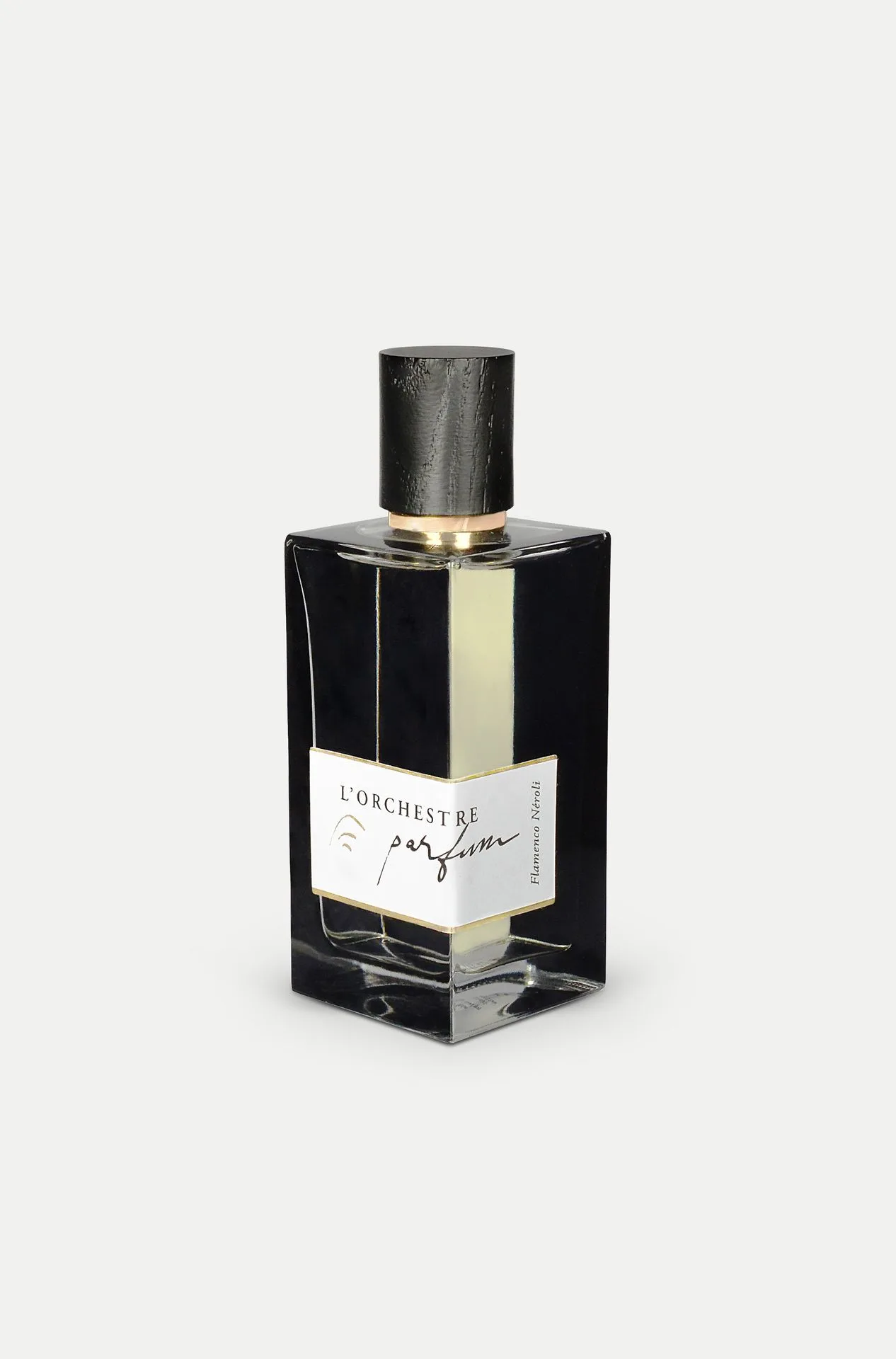
At Sniph, we have a curated selection of fragrances that are perfect for layering. For instance, Flamenco Néroli EdP is a vibrant citrus-floral that pairs beautifully with the warm, spicy notes of Phantasma EdP. Another great combo is Ses Salines EdP, a fresh aquatic, layered with The Light EdP for a luminous, airy finish. Experiment with different pairings to discover what works for you.
- Start with a primary fragrance you love
- Add a secondary scent that complements or contrasts
- Test combinations on your skin, not paper
- Give each blend time to develop before judging
Advanced Layering Tips and Tricks
Once you're comfortable with the basics, you can explore more advanced techniques. One popular method is to layer a fragrance with a matching scented body product, such as a shower gel or lotion. This creates a cohesive scent that lasts all day. Another tip is to use a fragrance oil or perfume extract as a base, then spray a lighter perfume on top. This adds richness and depth.
Don't forget about the power of contrast. Pairing a sweet gourmand with a fresh green scent can produce a surprising and delightful result. For instance, Kedu (if it's a gourmand) could be balanced with a crisp aquatic. Similarly, Marie in Le Marais EdP has a sophisticated floral character that can be enhanced with a touch of woody Sandor 70's EdP for an evening out. The key is to experiment and trust your nose.
- Use matching scented body products to reinforce the fragrance
- Layer a perfume oil or extract under a spray
- Experiment with contrasting families for unique results
- Keep a notebook to track your favorite blends
Common Mistakes to Avoid
One of the most common mistakes is layering too many fragrances at once. Stick to two, or at most three, to avoid a muddled scent. Another mistake is applying fragrances to the same spot repeatedly, which can overwhelm your senses. Instead, vary the application points to allow the scents to develop separately before blending.
Also, be mindful of the concentration of each perfume. Layering two strong eau de parfums can be overpowering. Consider using one eau de parfum and one eau de toilette or even a body mist for a lighter effect. Finally, always test your combinations on your skin before committing to a full wear – your body chemistry will affect how the blend smells.
- Don't layer more than three fragrances
- Vary application points to avoid overwhelming
- Balance concentrations (EdP + EdT, etc.)
- Always test on skin before wearing out
Perfume layering is a delightful way to express your individuality and get more from your fragrance collection. With the right techniques and a spirit of experimentation, you can craft a signature scent that's unmistakably you. Ready to start? Explore our curated selection of perfumes and find your perfect layering partners today.