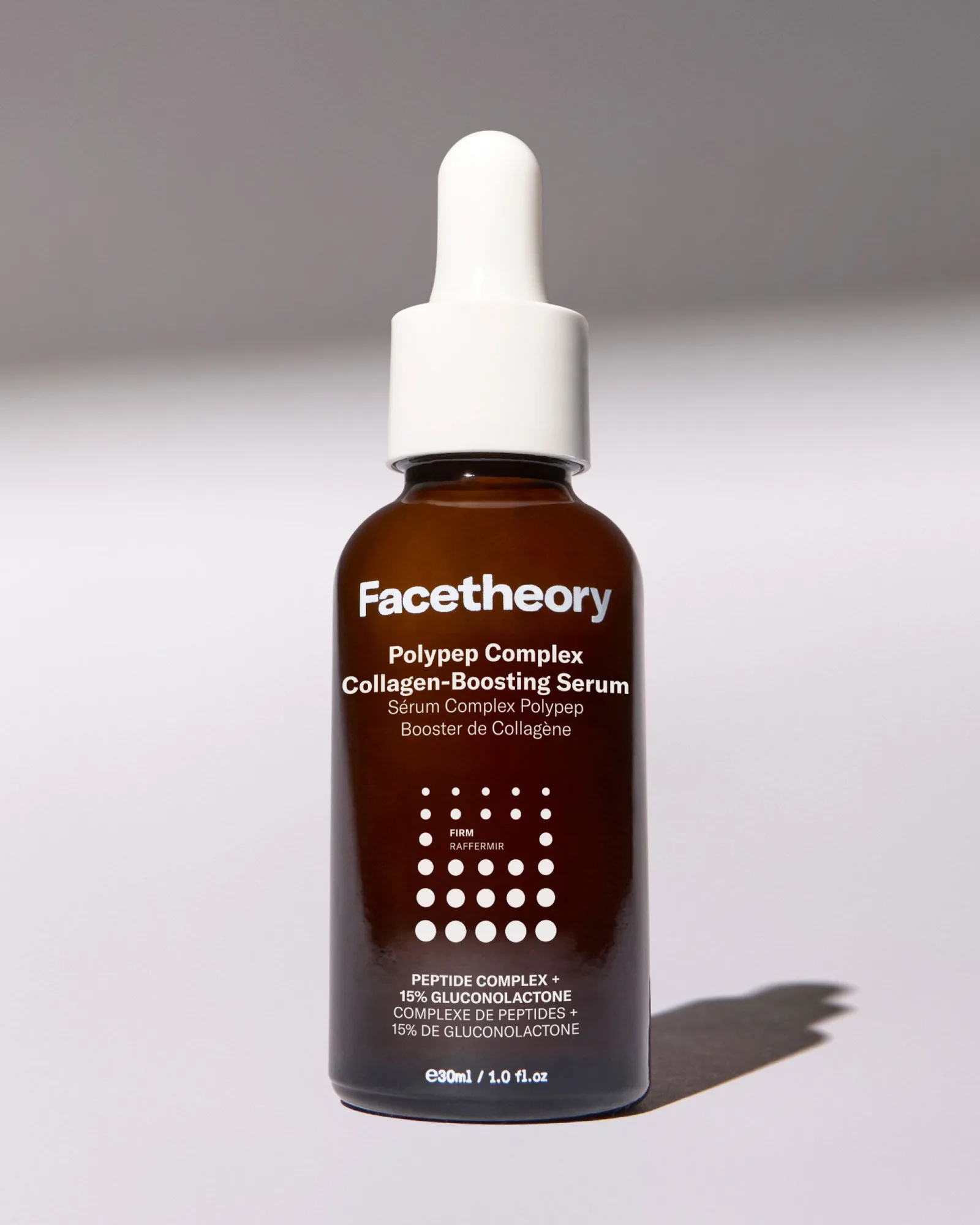
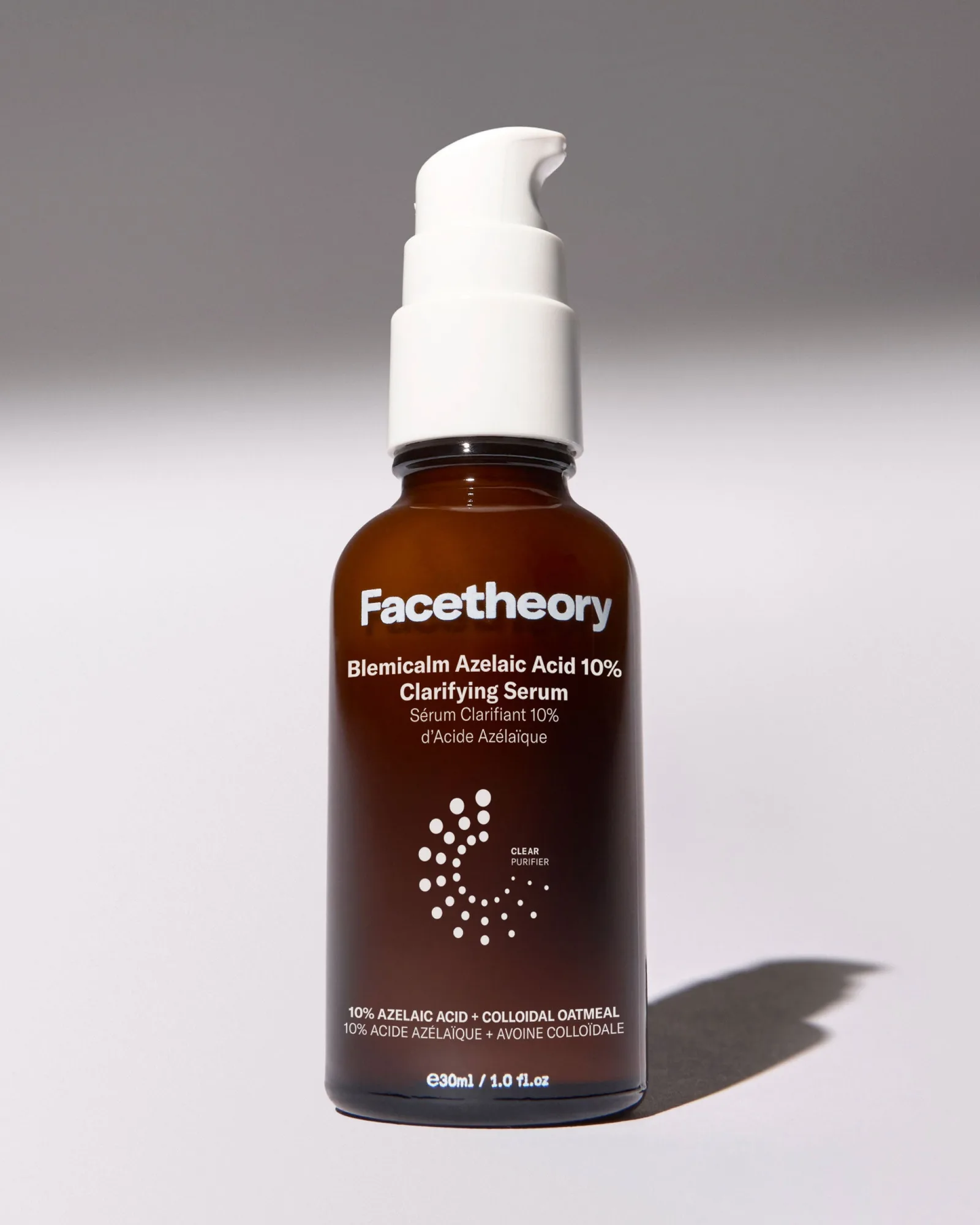
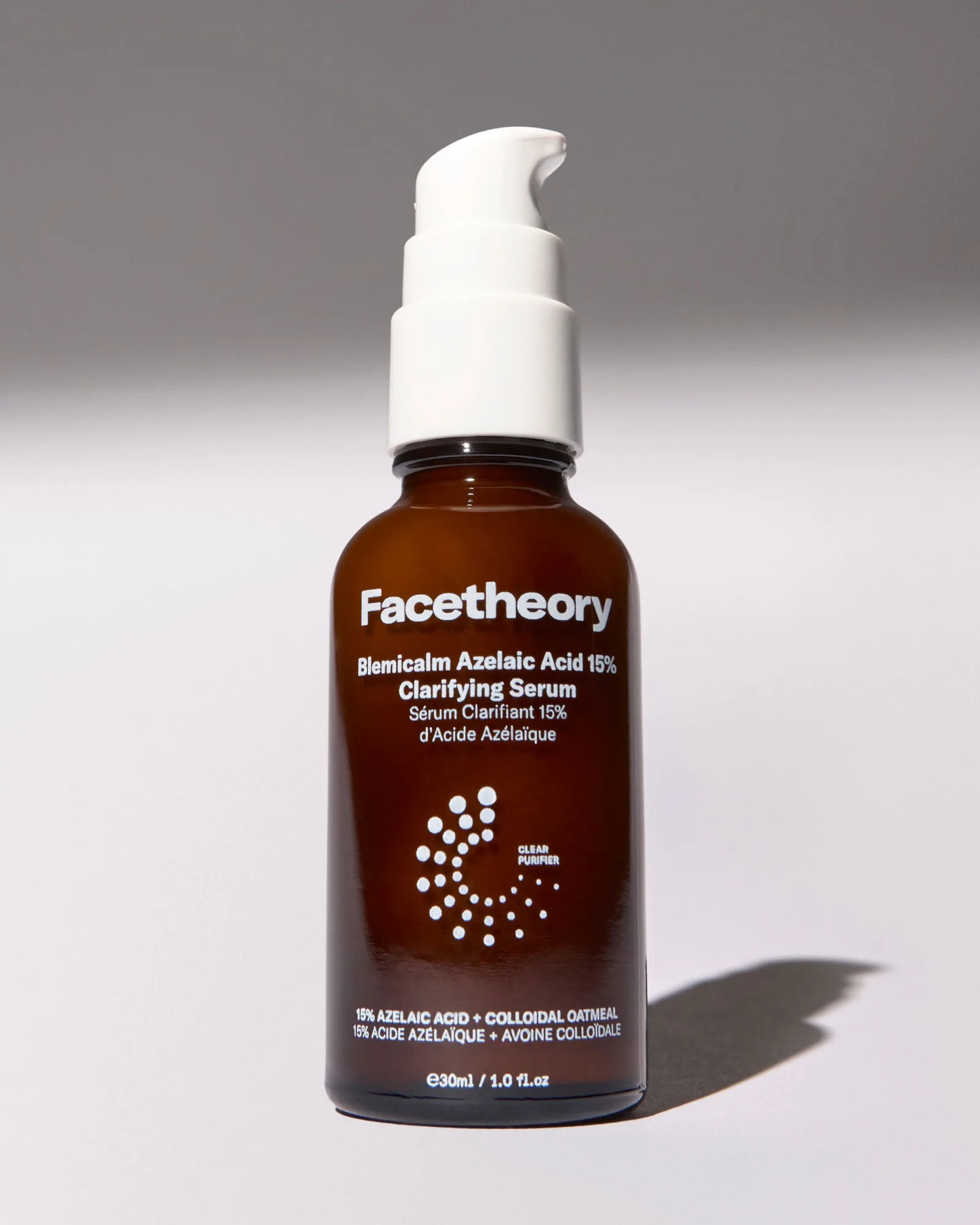
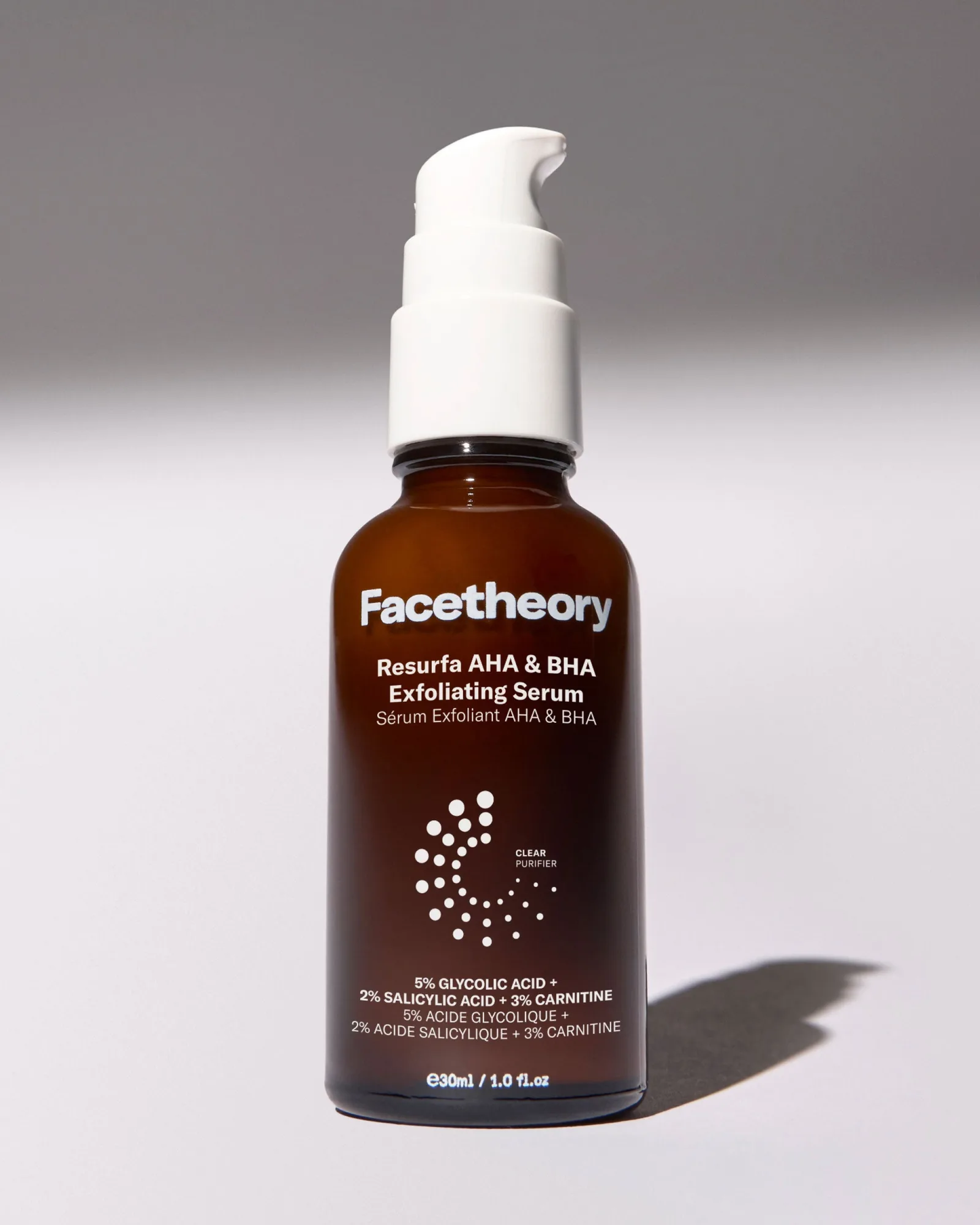
Serums are the powerhouses of any skincare routine, packed with concentrated active ingredients designed to target specific concerns like dullness, fine lines, or dehydration. But if you're layering them in the wrong order, you might be sabotaging their effectiveness—and your skin's health. The key to unlocking their full potential lies in understanding the correct serum layering order, which ensures each product is absorbed properly without interfering with the next.
In this face serum guide, we'll walk you through the essential skincare routine steps for layering serums, from the thinnest to the thickest consistency, and share tips on how to apply serums correctly for maximum absorption. Whether you're a skincare newbie or a seasoned enthusiast, these strategies will help you build a routine that delivers real, visible results.
Why Serum Layering Order Matters
The order in which you apply your serums directly impacts how well they penetrate the skin and how effectively they work. Think of your skin like a sponge: applying a thick, oily serum first can block thinner, water-based serums from sinking in, rendering them less effective. The general rule is to layer products from thinnest to thickest consistency, starting with water-based serums and ending with oil-based or creamier formulas.
Additionally, pH levels play a role. Some active ingredients, like vitamin C, work best at a lower pH, while others, like niacinamide, are more stable at a neutral pH. Layering them incorrectly can cause irritation or reduce efficacy. By following the right serum layering order, you ensure each ingredient gets the chance to work without interference.
- Apply serums in order of texture: water-based first, then oil-based.
- Wait 30–60 seconds between layers to let each serum absorb.
- Avoid mixing strong actives like retinol and AHAs in the same step.
Step-by-Step Serum Layering Routine
Start with a clean, toned face. After cleansing and applying toner, your skin is primed to absorb serums. Begin with the thinnest, water-based serums, such as those containing hyaluronic acid or niacinamide. For example, a product like the Porebright Niacinamide 20% Refining Serum is an excellent first step—it's lightweight and helps refine pores while controlling oil, making it ideal for daytime use.
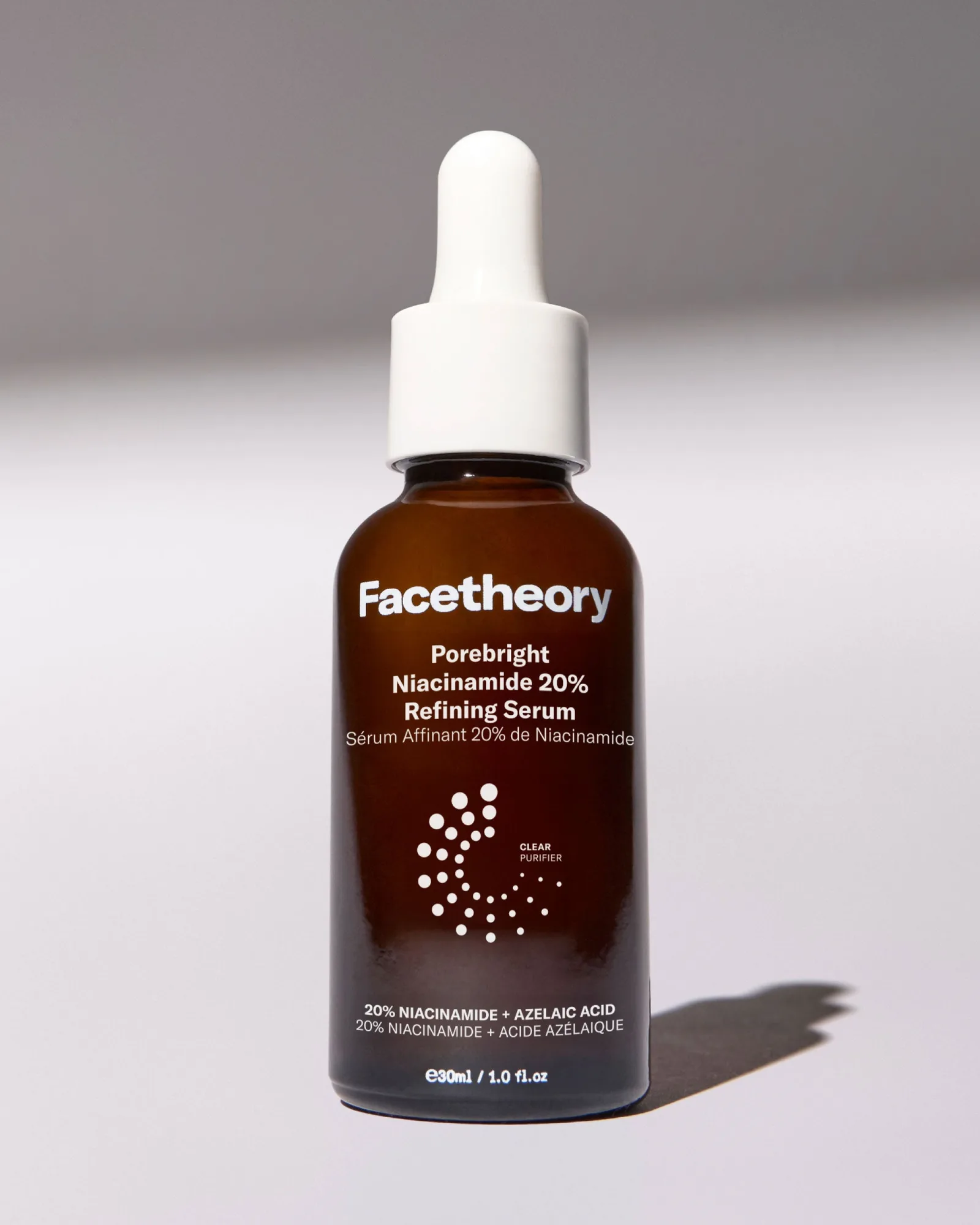
Porebright Niacinamide 20% Refining Serum
Next, apply treatment serums that target specific concerns, like exfoliating acids or vitamin C. These should go on before heavier formulas. If you're using an exfoliating serum, such as the Resurfa AHA & BHA Exfoliating Serum, apply it after your water-based serum but before any oil-based products. This ensures the acids can effectively resurface the skin without being blocked by occlusive ingredients.
Finally, seal everything in with a richer, oil-based serum or moisturizer. For nighttime, consider a product like the CeraNight Rejuvenating Night Oil, which delivers nourishing oils and ceramides to support skin repair while you sleep. This step locks in all the previous layers and provides deep hydration.
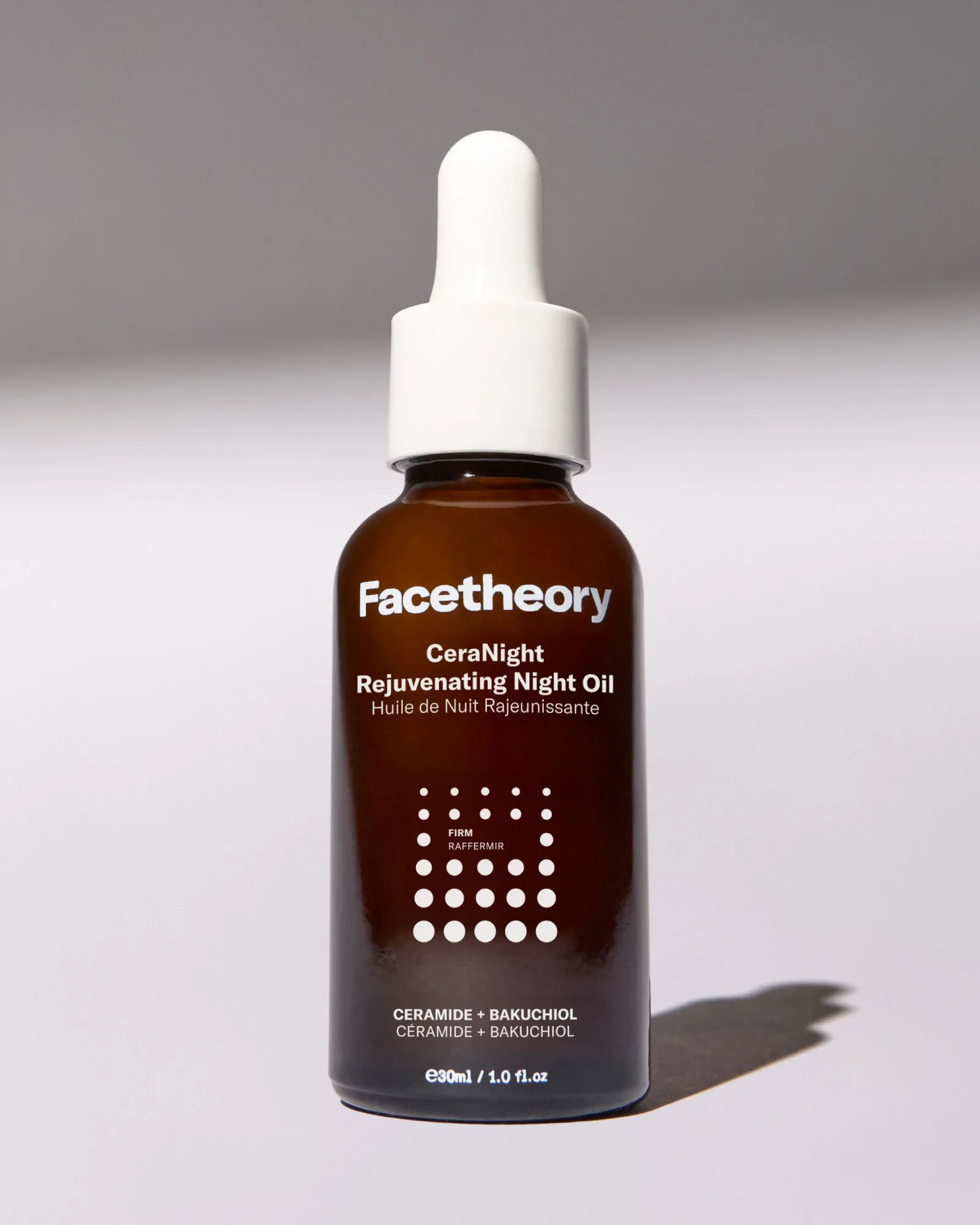
CeraNight Rejuvenating Night Oil
- Step 1: Water-based serum (e.g., niacinamide or hyaluronic acid).
- Step 2: Treatment serum (e.g., AHA/BHA or vitamin C).
- Step 3: Oil-based serum or night oil.
- Step 4: Moisturizer to seal in the layers.
Common Mistakes to Avoid When Layering Serums
One of the most common mistakes is applying too many serums at once. Overloading your skin can lead to irritation, pilling, or reduced absorption. Stick to two or three serums per routine, and always patch-test new combinations. Another error is ignoring the pH compatibility of ingredients. For instance, using a high-pH cleanser before low-pH serums can neutralize their effectiveness.
Also, don't forget to give each layer time to absorb. Rushing through your routine can leave serums sitting on the surface rather than penetrating. A good practice is to pat each serum gently into the skin with your fingertips, rather than rubbing, which can disrupt the product's integrity. Finally, adjust your routine based on your skin type and concerns—what works for oily skin may not suit dry or sensitive skin.
- Don't layer more than 3 serums at once to avoid irritation.
- Avoid combining retinol with AHAs/BHAs in the same session.
- Always wait for each layer to absorb before applying the next.
How to Choose the Right Serums for Your Skin Type
Your skin type and concerns should guide your serum choices. For oily or acne-prone skin, look for lightweight, water-based serums with ingredients like niacinamide or salicylic acid to control excess oil and refine pores. Dry skin benefits from hydrating serums with hyaluronic acid or glycerin, followed by a nourishing oil to lock in moisture.
If you're targeting fine lines and firmness, consider incorporating a retinol serum or a bakuchiol alternative for gentler results. For brightening, vitamin C serums are a classic choice. Always introduce new serums one at a time to monitor how your skin reacts, and don't hesitate to consult a dermatologist if you have persistent concerns.
- Oily skin: Niacinamide, salicylic acid serums.
- Dry skin: Hyaluronic acid, squalane, or ceramide serums.
- Aging skin: Retinol, bakuchiol, or peptide serums.
Mastering the art of serum layering can transform your skincare routine, helping you achieve a radiant, healthy complexion. Start by applying your thinnest, water-based serums first, then layer on treatments, and finish with a rich oil or moisturizer. For a gentle yet effective exfoliating step, try the Resurfa AHA & BHA Exfoliating Serum to refine your skin's texture and boost radiance. With the right order and a little patience, you'll see your serums work harder for you.