You’ve invested in quality skincare products, but are you applying them in the right order? The way you layer your skincare can make or break your results. Applying products in the wrong sequence can block absorption, reduce effectiveness, and even cause irritation. Whether you’re a skincare newbie or a seasoned enthusiast, mastering the art of layering is the secret to unlocking your skin’s natural glow.
In this guide, we’ll walk you through the step-by-step order of a simple, effective skincare routine. You’ll learn why each step matters, how to choose the right products for your skin type, and how to avoid common mistakes. By the end, you’ll have a clear, actionable routine that leaves your skin hydrated, balanced, and radiant.
Why Skincare Layering Order Matters
Think of your skincare routine like a recipe—each ingredient has a specific role and needs to be added at the right time. The general rule is to apply products from thinnest to thickest consistency. This ensures that lighter, water-based formulas penetrate deeply before heavier, oil-based ones seal everything in. If you apply a thick cream first, it can block lighter serums from reaching your skin.
Proper layering also maximizes the benefits of active ingredients. For example, applying a hydrating serum before a moisturizer allows the serum to deliver moisture deep into the skin, while the moisturizer locks it in. Skipping or reversing steps can lead to pilling, reduced efficacy, or even skin irritation. Understanding this logic helps you customize your routine based on your skin’s needs.
- Always start with a clean face to remove dirt and oil before applying any products.
- Wait 30-60 seconds between layers to allow each product to absorb fully.
Step 1: Cleanse – The Foundation of Every Routine
A good skincare routine begins with a clean canvas. Use a gentle cleanser suited to your skin type—whether you have oily, dry, or sensitive skin. Double cleansing (oil-based cleanser followed by water-based) is ideal for removing makeup and sunscreen, but a single cleanse with a mild formula works well for most mornings.
For sensitive skin, look for sulfate-free, fragrance-free options that won’t strip your skin’s natural barrier. A clean face ensures that the products you apply afterward can penetrate effectively. If you wear heavy makeup or sunscreen, consider a gentle makeup remover or micellar water as a first step.
- Avoid hot water; use lukewarm water to prevent irritation.
- Pat your face dry with a soft towel—don’t rub.
Step 2: Toner – Reset and Prep
After cleansing, your skin’s pH may be slightly off balance. A toner helps restore it while removing any residual impurities. Modern toners are hydrating and often contain soothing ingredients like aloe, glycerin, or rose water. They prep your skin to better absorb the next steps.
Apply toner with a cotton pad or by patting it directly onto your skin with clean hands. Focus on areas that feel tight or dry. For oily skin, a toner with salicylic acid can help control shine, while those with dry skin should opt for a hydrating, alcohol-free formula.
- Look for toners with ingredients like hyaluronic acid or niacinamide for extra benefits.
Step 3: Serum – Targeted Treatment
Serums are concentrated formulas designed to address specific concerns—brightening, hydration, anti-aging, or soothing. Because they are lightweight, they should be applied before heavier creams. A few drops are enough; gently press the serum into your skin rather than rubbing it in.
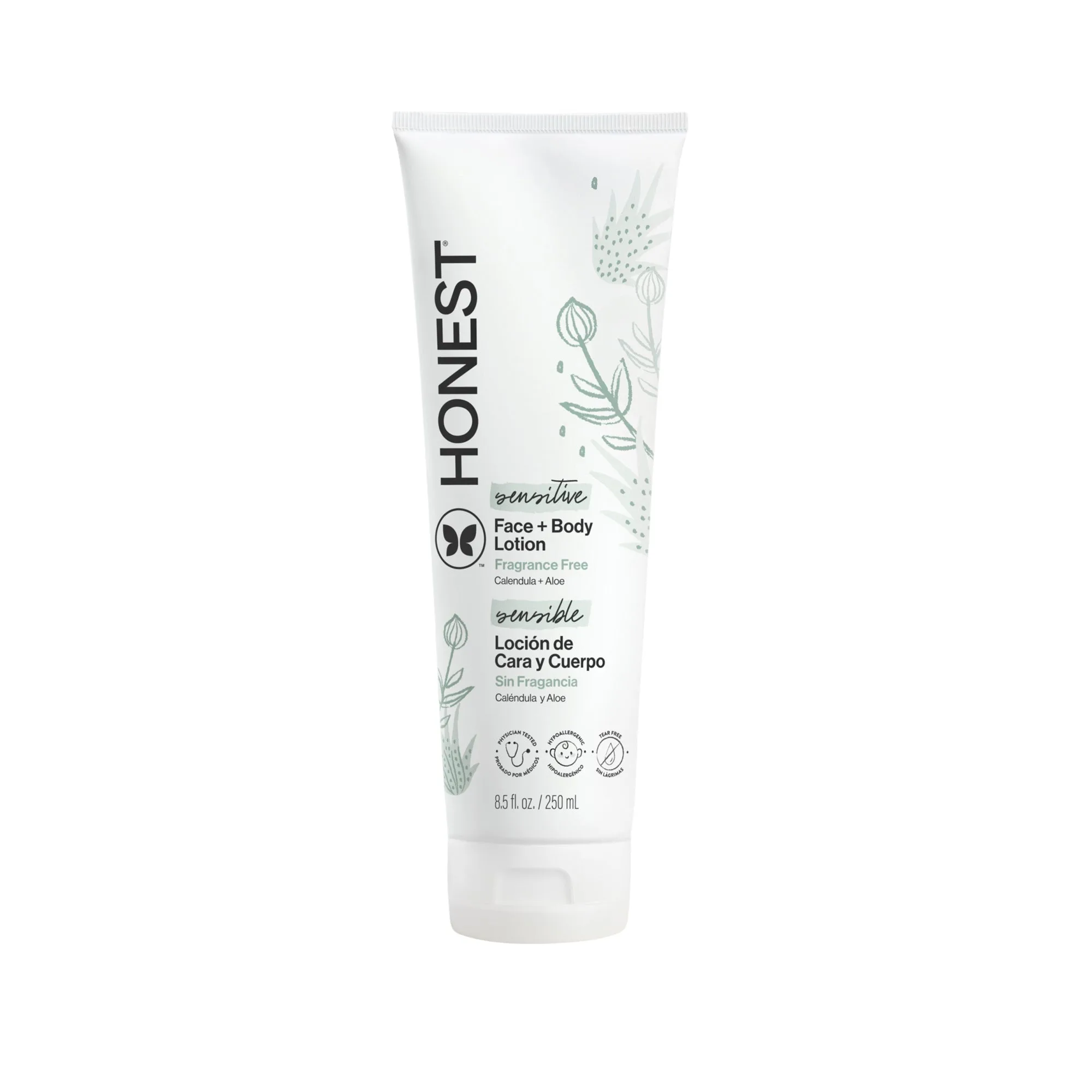
If you use multiple serums, apply them in order of consistency (thinnest first). For example, a water-based hyaluronic acid serum should go on before an oil-based vitamin C serum. This ensures each product absorbs properly without pilling. For an extra hydration boost, consider a gentle face lotion after your serum to lock in moisture.
- Wait 1-2 minutes between serums if layering more than one.
- Always patch-test new serums on a small area before full application.
Step 4: Eye Cream – Delicate Care
The skin around your eyes is thinner and more prone to dryness and fine lines. An eye cream formulated with peptides, caffeine, or hyaluronic acid can help hydrate and brighten the under-eye area. Apply a tiny amount using your ring finger—it naturally exerts the least pressure.
Gently tap the product along the orbital bone, avoiding the lash line. Do not tug or pull the skin. Eye cream should be applied after your serum but before your moisturizer, as moisturizers can be too heavy for the delicate eye area.
- Store your eye cream in the fridge for a cooling, de-puffing effect.
Step 5: Moisturizer – Lock It All In
Moisturizer is the crucial step that seals in all the previous layers and provides lasting hydration. Choose a formula that matches your skin type: gel-based for oily skin, cream-based for dry skin, and lightweight lotions for combination skin. Applying moisturizer while your skin is still slightly damp helps lock in more moisture.
A good moisturizer also reinforces your skin barrier, protecting against environmental stressors. For an extra boost, look for ingredients like ceramides, squalane, or shea butter. If you have very dry skin, you can finish with a facial oil to seal everything in.
- Use a pea-sized amount for your face and a little extra for your neck.
Step 6: Sunscreen – The Non-Negotiable Final Step (Morning Only)
Sunscreen is the most important step in any morning routine. It protects your skin from harmful UV rays that cause premature aging, hyperpigmentation, and skin cancer. Apply a broad-spectrum SPF 30 or higher as the last step of your morning routine, after moisturizer.
If you use makeup, wait a few minutes for the sunscreen to set before applying foundation or powder. Reapply every two hours if you’re outdoors. For sensitive skin, mineral sunscreens with zinc oxide or titanium dioxide are often gentler.
- Don’t forget your ears, neck, and the back of your hands.
Common Layering Mistakes to Avoid
Even with the best intentions, it’s easy to make mistakes that undermine your routine. One common error is applying too many products at once, which can overwhelm your skin and cause breakouts. Stick to a few essential steps and introduce new products gradually.
Another mistake is not waiting between layers. Rushing can cause products to mix unevenly or pill. A good rule is to wait 30-60 seconds between each step. Finally, avoid using harsh exfoliants or strong actives every day—your skin needs time to recover. Listen to your skin and adjust your routine as needed.
- Always read product instructions—some active ingredients require specific layering.
- If you experience redness or irritation, simplify your routine and focus on hydration.
Layering your skincare products in the right order doesn’t have to be complicated. By following the thin-to-thick rule and listening to your skin, you can create a routine that delivers real results. Start with a clean face, add targeted serums, lock in moisture, and never skip sunscreen. With consistency, you’ll notice your skin looking healthier, more hydrated, and naturally glowing. Ready to upgrade your routine? Explore our collection of gentle, effective skincare products to find your perfect match.