Quick answer
Work from the lightest, wettest product to the driest, and never stack two gritty formulas on the same section of hair. Apply creams, mousses and salt sprays to damp hair, then add powder or clay only after the hair is fully dry. If flakes appear, they are usually dried product rubbing off a surface layer, not a sign you need more product.
Why layering turns into flaking
Flaking is a mechanical problem before it is a product problem. Most styling products dry into a film that sits on the outside of the hair. When you apply a second product over a film that has already set, the new layer cannot bond to the hair, so it bonds to the old layer instead. Friction from a comb, a hoodie collar or your own hands then rolls that loose layer into visible flakes.
The second cause is water. Applying a water-based spray over a wax or clay layer re-wets the surface unevenly and creates a gummy, patchy film. That patch dries faster at the edges and flakes first. This is why the order matters more than the amount.
The order to apply hair products
Treat your routine as a single pass from wet to dry. Prep and heat protection go on damp hair first. Then any cream, mousse or salt spray while the hair still has moisture, because these formulas need water to distribute evenly. Dry the hair completely. Only then add dry-finish products such as powder, clay or a finishing spray.
One product per job is the rule that prevents most flaking. If you want volume at the roots and texture at the ends, that is two different zones, not two products layered on the same strand. Keep them apart and they will not fight.
- Damp hair: prep, heat protection, mousse or salt spray.
- Dry hair: powder at the roots, clay or paste through the mid-lengths and ends.
- Final step: a light finishing spray, held at least 10 inches away.
- Never re-wet a section that already has clay or wax in it.
Prevent white flakes from clay and other dry-finish products
Clay and other matte products are the most common flake source because they are designed to sit on the surface and absorb oil. Use less than you think. Scrape a small amount, warm it between your palms until it disappears, and press it into the hair rather than raking it through. Any visible product on your hands means you are about to put too much in your hair.
If your hair is already coated from yesterday, adding clay on top simply lifts the old layer. That is the classic white-flake moment. Either rinse and restyle, or use a dry shampoo or texture spray that is designed to refresh rather than build.
Product buildup in hair: how to fix it
When flakes keep returning no matter how little you use, the problem is accumulation, not technique. Wash with a clarifying shampoo once a week, or twice if you use clay or powder daily. Focus the shampoo on the scalp and the first few inches of hair, where buildup actually sits, and let the suds run through the ends.
Skip heavy conditioner on the days you plan to use dry-finish products. Conditioner leaves a film that gives the next product nothing to grip, so you compensate with more product and the cycle repeats. A light leave-in is enough.
Diagnose your flaking before you change products
- Flakes appear only when you touch or comb your hair: The product film is sitting on top of the hair rather than in it, usually because you applied a dry-finish product to damp hair or used too much. Dry the hair fully before clay or powder, and cut the amount in half.
- Flakes are white and powdery, concentrated at the roots: This is leftover powder or dry shampoo from a previous day being lifted by new product. Rinse and restyle, or refresh with a texture spray instead of adding more powder.
- Flakes are gummy or tacky rather than dry: A water-based spray has re-wet a wax or clay layer, which never dries evenly. Keep water-based and wax-based products in separate steps, never on the same section.
- Flaking returns within a day of washing: Buildup is sitting on the scalp and hair shaft, so every new product lifts the old layer. Clarify once a week and skip heavy conditioner on styling days. If it still flakes, switch to one product per zone instead of layering.
Products that layer cleanly
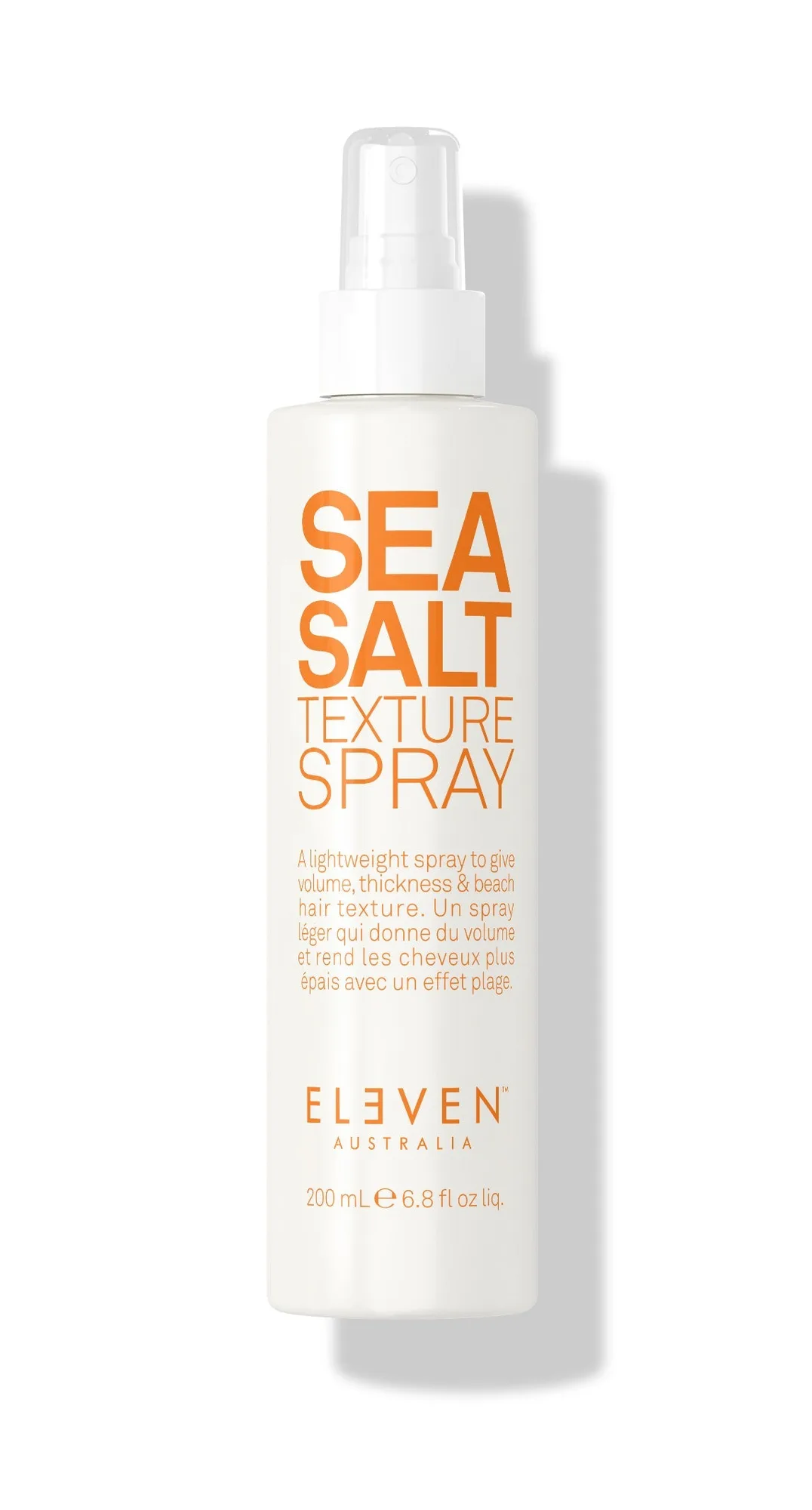
- SEA SALT TEXTURE SPRAY: Sea Salt Texture Spray combines protein and sea salt to give hair volume and gritty texture without the crunch. Because it stays flexible instead of setting hard, it works as the damp-hair step and gives later products something to grip rather than a brittle film to sit on.
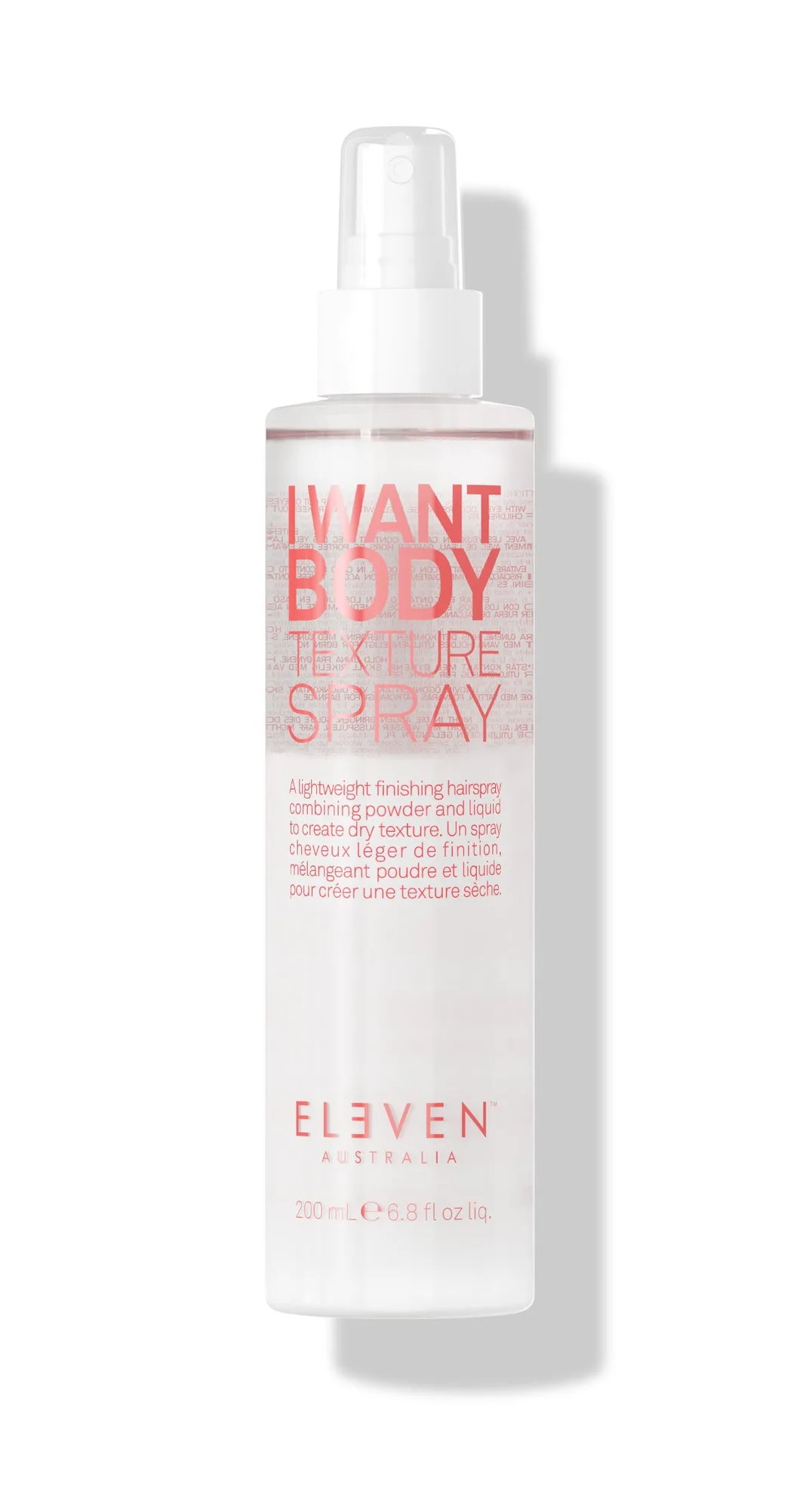
- I WANT BODY TEXTURE SPRAY: I Want Body Texture Spray combines powder and liquid, and can be used from roots to ends depending on the effect desired. The liquid component means it spreads instead of sitting as dry powder, so it is a safer root step than a pure powder when you plan to add more product afterwards.
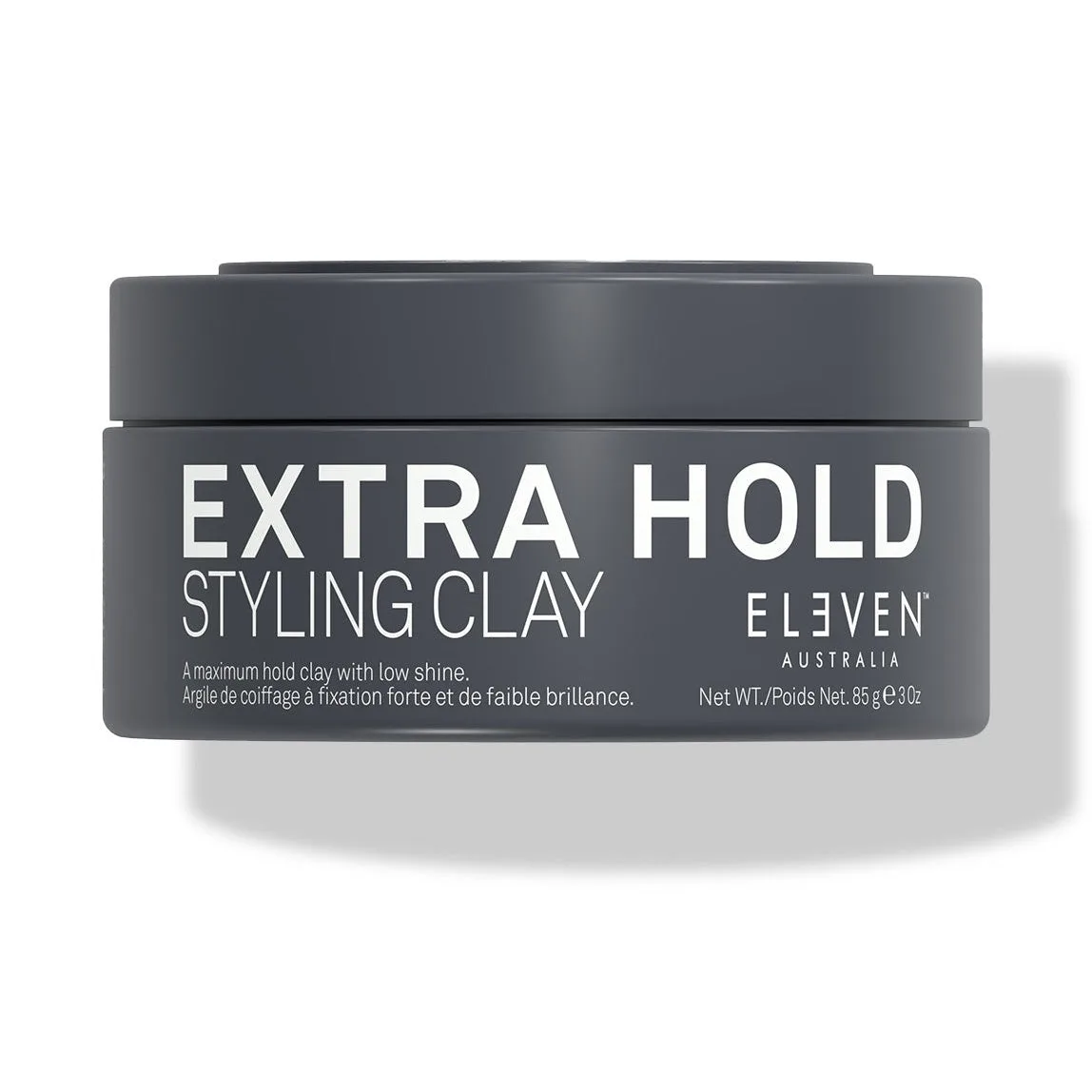
- EXTRA HOLD STYLING CLAY 3 OZ: EXTRA HOLD STYLING CLAY uses beeswax and carnauba wax for hold while bentonite creates a defined, matte look, and is best suited for short hair. It is the last step, not a base layer. On short hair, a small amount pressed into dry hair gives hold without the surface buildup that causes white flakes.