Layering active serums can feel like a chemistry experiment. When you combine vitamin A (retinol) and vitamin B (niacinamide), you're pairing two of the most research-backed ingredients in skincare. Done right, they work synergistically to smooth fine lines, brighten dullness, and support skin barrier health. Done wrong, you risk irritation and compromised results.
This guide breaks down the optimal layering order, timing, and frequency for using a vitamin A serum and a vitamin B serum together. We'll also share practical tips to help you build a routine that works for your skin type—whether you're a retinol newbie or a seasoned pro.
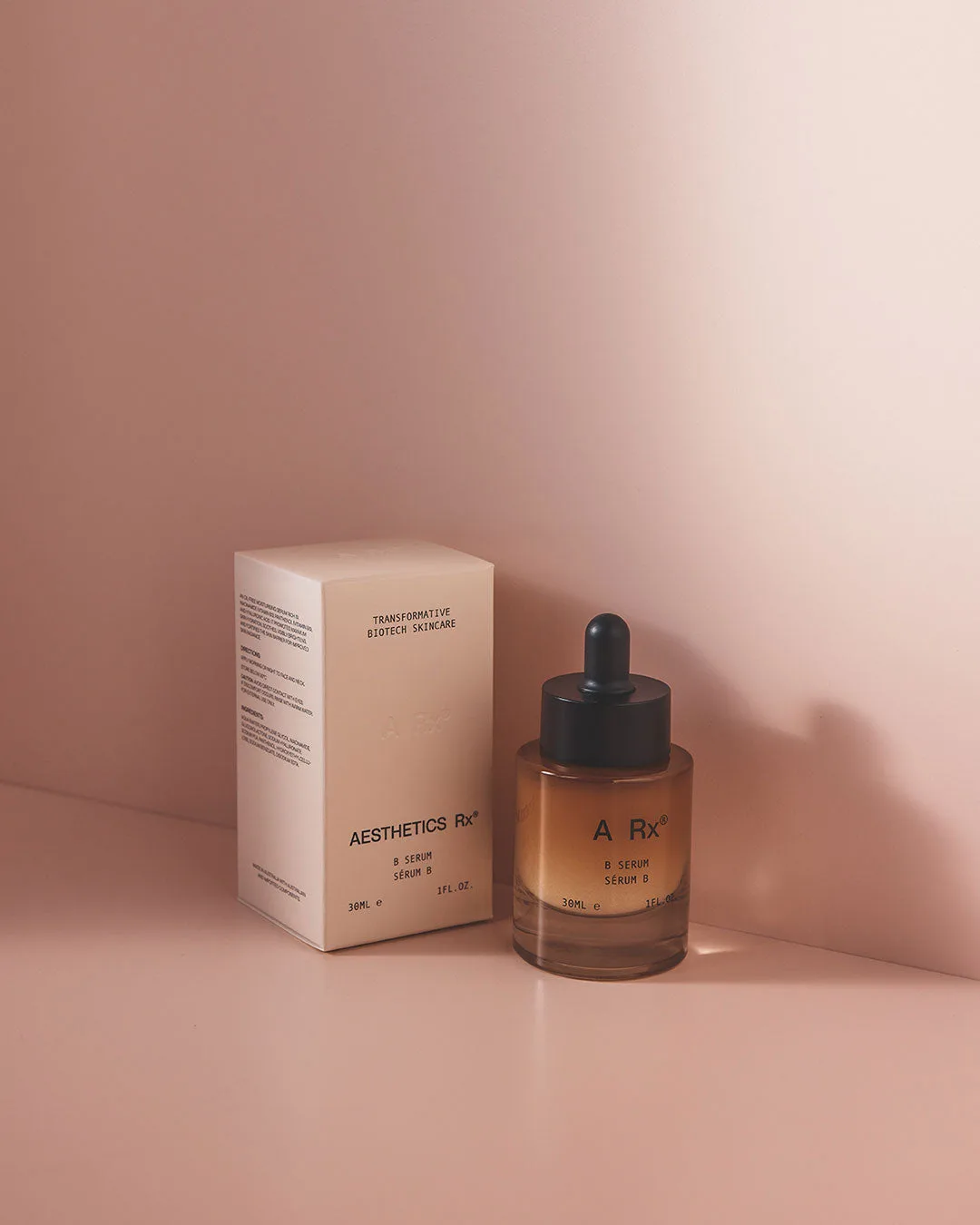
vitamin B serum
Why Vitamin A and Vitamin B Make a Powerful Pair
Vitamin A, typically in the form of retinol, is the gold standard for anti-ageing. It accelerates cell turnover, boosts collagen production, and helps fade hyperpigmentation. However, retinol can be drying and irritating, especially when you first start using it. That's where vitamin B—specifically niacinamide (vitamin B3)—comes in. Niacinamide strengthens the skin barrier, reduces redness, and helps regulate oil production, making it the perfect partner to soothe and support skin during retinol use.
Using them together can enhance overall skin texture and tone while minimising the side effects of retinol. Studies suggest that niacinamide can even help stabilise retinol and reduce irritation, making the combination a win-win for those seeking visible anti-ageing results without the flaking.
- Vitamin A boosts cell turnover and collagen.
- Vitamin B (niacinamide) calms and strengthens the barrier.
- Together, they improve texture, tone, and resilience.
The Correct Layering Order: Water-Based First, Oil-Based Last
The general rule of thumb is to layer skincare from thinnest to thickest consistency. This ensures each product absorbs properly and doesn't block the next one. Vitamin B serums are typically water-based, while vitamin A serums can be water-based or oil-based depending on the formulation. Most retinol serums are oil-soluble and slightly richer, so they should be applied after water-based serums.
A simple routine: cleanse, tone, apply your vitamin B serum, wait a few minutes for it to absorb, then apply your vitamin A serum. Finish with a moisturiser to lock everything in. If you're using a retinol cream instead of a serum, you might apply it after moisturiser to buffer and reduce irritation—this is called the 'sandwich method'.
- Apply vitamin B serum first to calm and prep the skin.
- Wait 5 minutes for absorption before applying vitamin A.
- Finish with a moisturiser to seal in the actives.
Day vs. Night: When to Use Each Serum
Vitamin A (retinol) is photosensitive and degrades in sunlight, so it's best used at night. Vitamin B (niacinamide) is stable in the presence of light and can be used both morning and night. This gives you flexibility: you can use vitamin B twice daily and vitamin A only in your evening routine.
If you prefer to keep things simple, you can layer both serums in your night routine. For daytime, focus on vitamin B and always finish with a broad-spectrum sunscreen. Sun protection is non-negotiable when using vitamin A, as it increases sun sensitivity.
- Use vitamin A only at night.
- Vitamin B can be used morning and night.
- Always wear SPF during the day when using retinol.
How to Start and Build Tolerance
If you're new to retinol, start slowly. Apply your vitamin A serum two to three times a week, gradually increasing frequency as your skin adjusts. Layering with vitamin B can help minimise irritation, but you still need to give your skin time to retinise—a process that can take 4 to 6 weeks.
Begin with a lower concentration of retinol and always patch test. If you experience excessive dryness, redness, or peeling, reduce frequency and increase your moisturiser use. You can also use the sandwich method: apply moisturiser, then vitamin A, then moisturiser again. This buffers the retinol and is especially helpful for sensitive skin.
- Start with 2-3 nights per week.
- Use the sandwich method if irritation occurs.
- Give your skin 4-6 weeks to adjust.
Choosing the Right Products for Your Routine
When selecting serums, quality matters. Look for stabilised forms of vitamin A and niacinamide. Our Vitamin B Serum is a lightweight, water-based formula that delivers niacinamide and other B vitamins to calm and brighten the skin. It layers beautifully under retinol and helps reduce potential irritation.
For your vitamin A, choose a retinol serum that suits your skin type. If you're just starting, a lower percentage is wise. Pair it with a hydrating moisturiser to support the barrier. Remember, consistency beats intensity—using a moderate strength regularly will yield better results than a high strength that you can't tolerate.
- Look for stabilised retinol and niacinamide.
- Choose a serum texture that suits your skin.
- Consistency is more important than high percentages.
Common Mistakes to Avoid
One of the biggest mistakes is applying both serums at the same time without waiting. Layering too quickly can dilute the actives and reduce efficacy. Always allow each product to absorb for a few minutes before moving to the next.
Another mistake is using too many actives at once. If you're already using acids (like AHA/BHA) or vitamin C, be cautious. Overloading your skin can lead to irritation. Simplify your routine and introduce one new active at a time. Also, don't forget to hydrate—using a good moisturiser is essential when using retinol.
- Wait between layers.
- Don't combine with too many other actives.
- Always moisturise after retinol.
Layering vitamin A and vitamin B serums is a smart, science-backed way to achieve smoother, brighter, and more resilient skin. By following the correct order, starting slowly, and choosing quality products, you can enjoy the benefits of both ingredients without the irritation. Ready to elevate your routine? Explore our Vitamin B Serum to start building your perfect layering combo.