Quick answer
To mail a greeting card safely, use a rigid cardboard-backed envelope, place the card in a plastic sleeve, and request hand-canceling at the post office. Avoid paper clips or tape on the card itself. These steps prevent bends, tears, and postmark smudges.
Why standard envelopes often fail
Regular paper envelopes offer almost no protection. When your card goes through automated sorting machines, the card can bend, tear, or get crushed by heavier mail. Handmade cards with oil pastel textures or layered paper are especially vulnerable because the surface can smudge or flatten under pressure. A little extra preparation saves the card and the sentiment.
Choosing the right envelope and insert
Pick an envelope that is at least 1/4 inch larger than your card on all sides so the card slides in without force. For extra rigidity, sandwich the card between two pieces of thin cardboard or use a rigid mailer. Avoid bubble mailers for single cards—they add bulk and cost without preventing bends. A stiff paperboard insert inside a standard envelope works best.
5 steps to mail a greeting card safely
- 1. Slip the card into a protective sleeve: Place the card in a clear plastic sleeve or a sheet of wax paper. This prevents the cardstock from rubbing against the envelope and keeps oil pastel or ink from smudging. Common mistake: skipping the sleeve. The card can scuff or stick to the envelope flap.
- 2. Add a rigid backer: Cut a piece of thin cardboard (like a cereal box) slightly smaller than the envelope. Slide it behind the card. This stops the card from bending in automated sorting machines. Checkpoint: the backer should not stick out of the envelope—trim it if needed.
- 3. Seal the envelope securely but gently: Moisten the gummed flap evenly and press firmly. Avoid using tape directly on the card or envelope interior. If you need extra security, use a single strip of tape along the flap seam only. Common mistake: taping the card to the inside. The tape can tear the cardstock when opened.
- 4. Write the address clearly and centrally: Use a pen with dark ink and print the address in the center of the envelope. Keep it away from the edges to avoid being cut by sorting machines. Add a return address on the back flap. Checkpoint: if the address is too close to the edge, the machine might misread it or damage the envelope.
- 5. Request hand-canceling at the post office: Ask the postal clerk to hand-cancel your envelope instead of running it through the machine. This avoids the heavy postmark that can smudge or dent the card. Most post offices do this for free. Common mistake: dropping the envelope in a mailbox. Machine canceling can crush or stain the card.
Cards that benefit from careful mailing
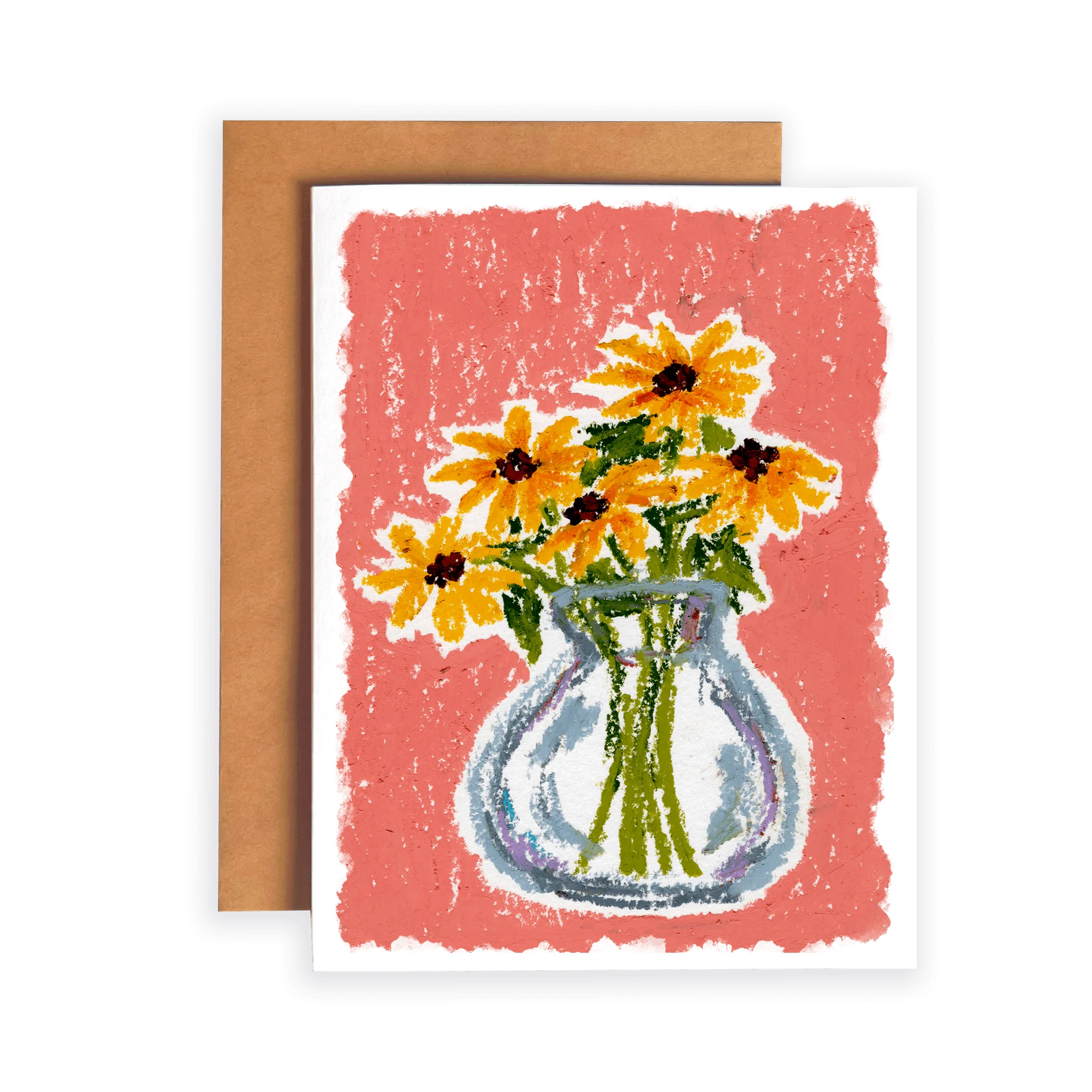
- Sunflower Vase | Greeting Card: Each card is crafted in my home studio, where I design, print, and package every order. Printed on high-quality cardstock, the soft oil pastel textures and hand-drawn charm create a meaningful keepsake. The soft oil pastel finish can smudge if the card rubs against the envelope interior. Using a plastic sleeve or tissue paper liner protects the surface during transit.
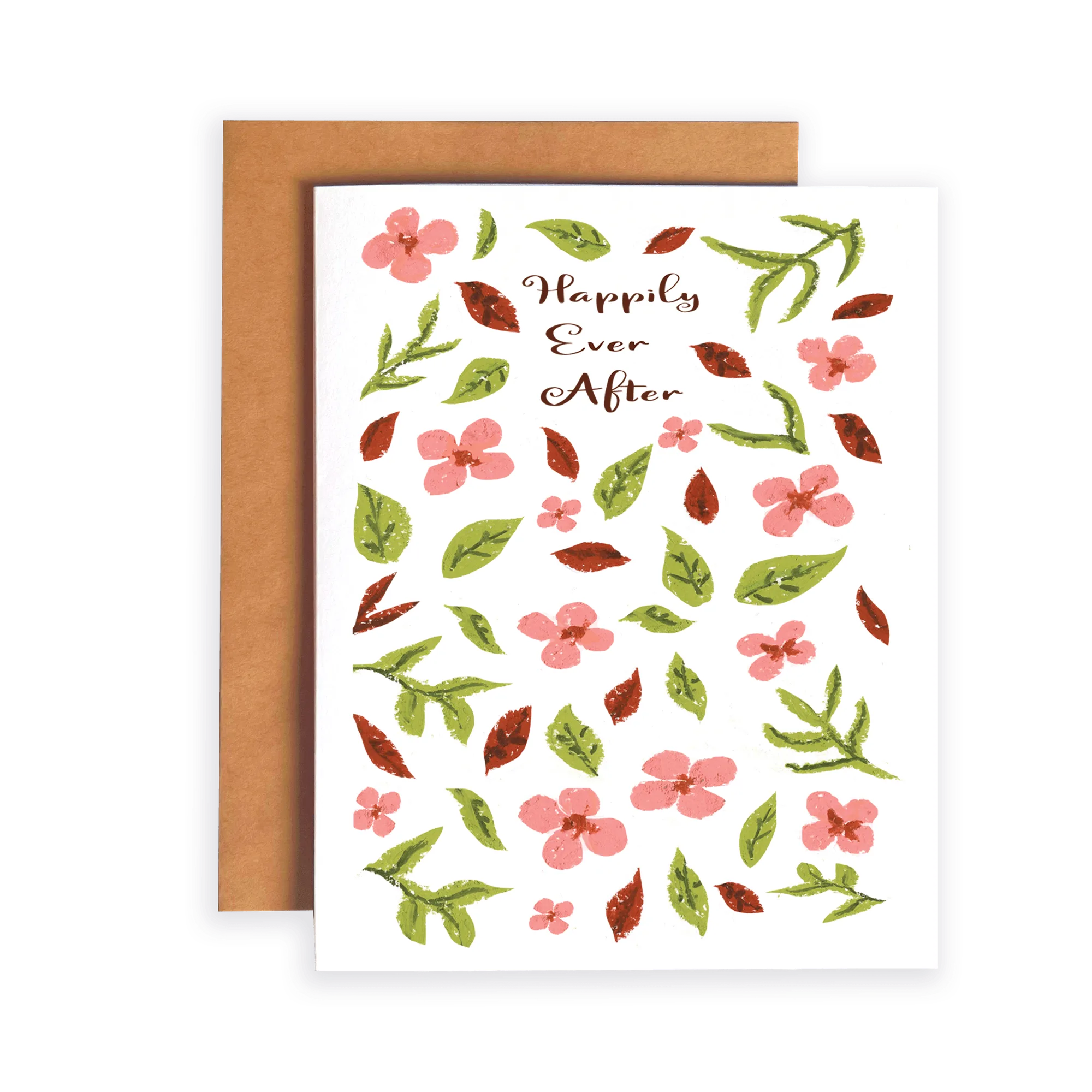
- Happily Ever After | Wedding Greeting Card: Each card is crafted in my home studio, where I design, print, and package every order. Printed on high-quality cardstock, the soft oil pastel textures and hand-drawn charm create a meaningful keepsake. Blank interior cards like this one give you room to write a personal message, but the hand-drawn texture stays delicate. A rigid backer prevents the card from bending and creasing the artwork.