Quick Answer
To keep your Root Slayer Soil Knife performing at its best, clean it after every use, dry it thoroughly, and sharpen the blade regularly with a file or whetstone. Store it in a dry place to prevent rust.
Why Regular Maintenance Matters
The Root Slayer Soil Knife is a versatile tool that can substitute for almost any hand tool in the garden. Its blade is exposed to soil, moisture, and plant sap, which can dull the edge and cause rust if left unchecked. A few minutes of care after each use keeps the knife cutting smoothly and extends its lifespan.
Skipping maintenance not only makes digging and cutting harder but can also lead to corrosion that weakens the blade over time. Regular cleaning and sharpening are simple habits that pay off in the long run.
Trade-Off: Sharpening Frequency vs. Blade Wear
Sharpening your soil knife frequently keeps it performing well, but over-sharpening can wear down the blade faster than necessary. Aim to sharpen only when you notice the blade struggling to cut through roots or soil. For most gardeners, a quick touch-up every few weeks during heavy use is enough.
If you use the knife for tough jobs like prying or chopping roots, you may need to sharpen more often. Listen to the tool—if it feels dull, it's time to sharpen.
Step-by-Step Maintenance Routine
- Clean After Every Use: Rinse the blade with water to remove soil and debris. For stubborn sap or residue, use a stiff brush or a putty knife. Avoid using harsh chemicals that could damage the blade's finish. Common mistake: leaving soil on the blade can trap moisture and accelerate rust.
- Dry Thoroughly: Wipe the blade completely dry with a clean cloth. Pay attention to the area where the blade meets the handle, as moisture can hide there. If the knife is very wet, let it air dry for a few minutes before storing. Checkpoint: If you see any water spots, you didn't dry it enough.
- Sharpen the Blade: Use a flat file or whetstone to sharpen the cutting edge. Hold the file at the same angle as the bevel and push it away from you in smooth, even strokes. Repeat on the other side if the blade is double-beveled. A few passes are usually enough; avoid over-sharpening. Common mistake: using a pull stroke or wrong angle can round the edge instead of sharpening it.
- Protect Against Rust: After drying and sharpening, apply a thin coat of food-grade mineral oil or a rust inhibitor to the blade. This creates a barrier against moisture. Wipe off any excess oil before storing. Checkpoint: If you live in a humid climate, oiling is especially important to prevent corrosion.
- Store Properly: Keep the knife in a dry place, ideally in a holster or sheath to protect the blade and prevent accidents. Avoid leaving it outside or in a damp shed where moisture can accumulate. Common mistake: storing the knife wet or without protection can undo all your maintenance efforts.
Product Spotlight
-
Root Slayer Soil Knife: Based on original Japanese designs, the Root Slayer Soil Knife can perform the functions of almost any hand tool in the garden. Because it's used for many tasks, keeping it well-maintained ensures it's always ready for whatever job you need it for.
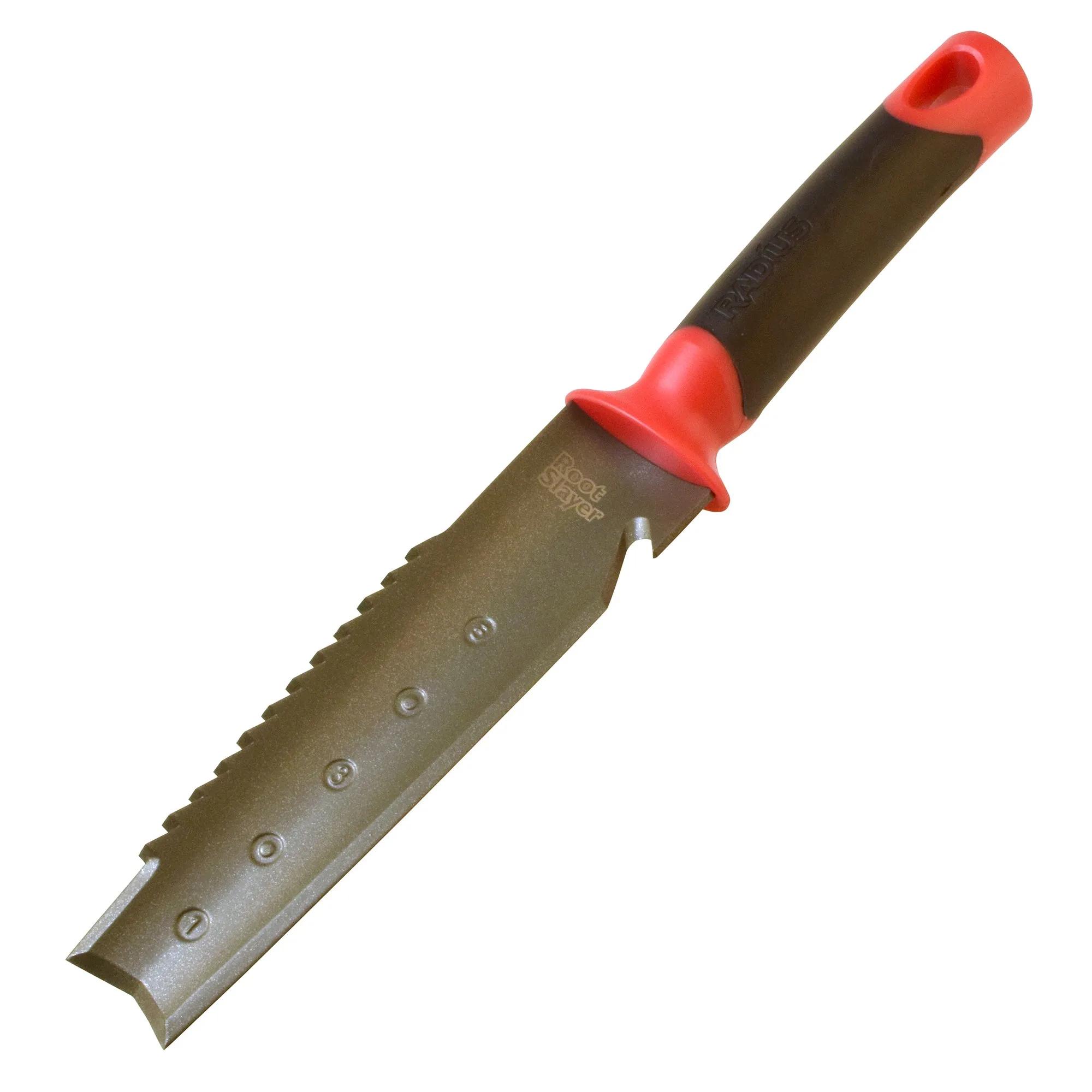
Root Slayer Soil Knife