A solar-powered bird feeder is a wonderful way to enjoy backyard birdwatching without worrying about batteries or wires. The Solar Roof is at the heart of this convenience, converting sunlight into energy that powers your Birdbuddy camera, Wi-Fi, and smart features. But like any outdoor electronics, the solar panel requires regular upkeep to maintain its performance and longevity.
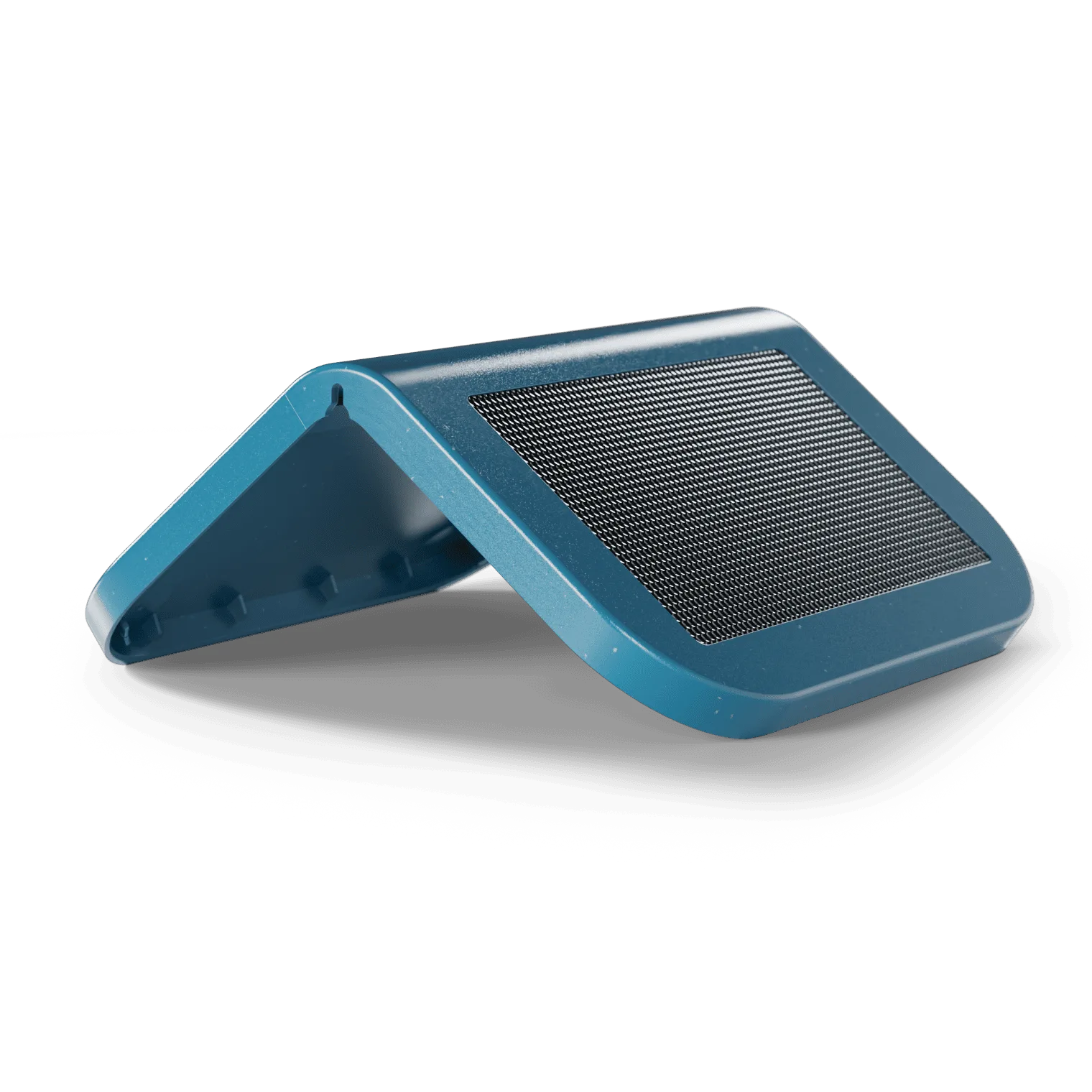
Solar Roof
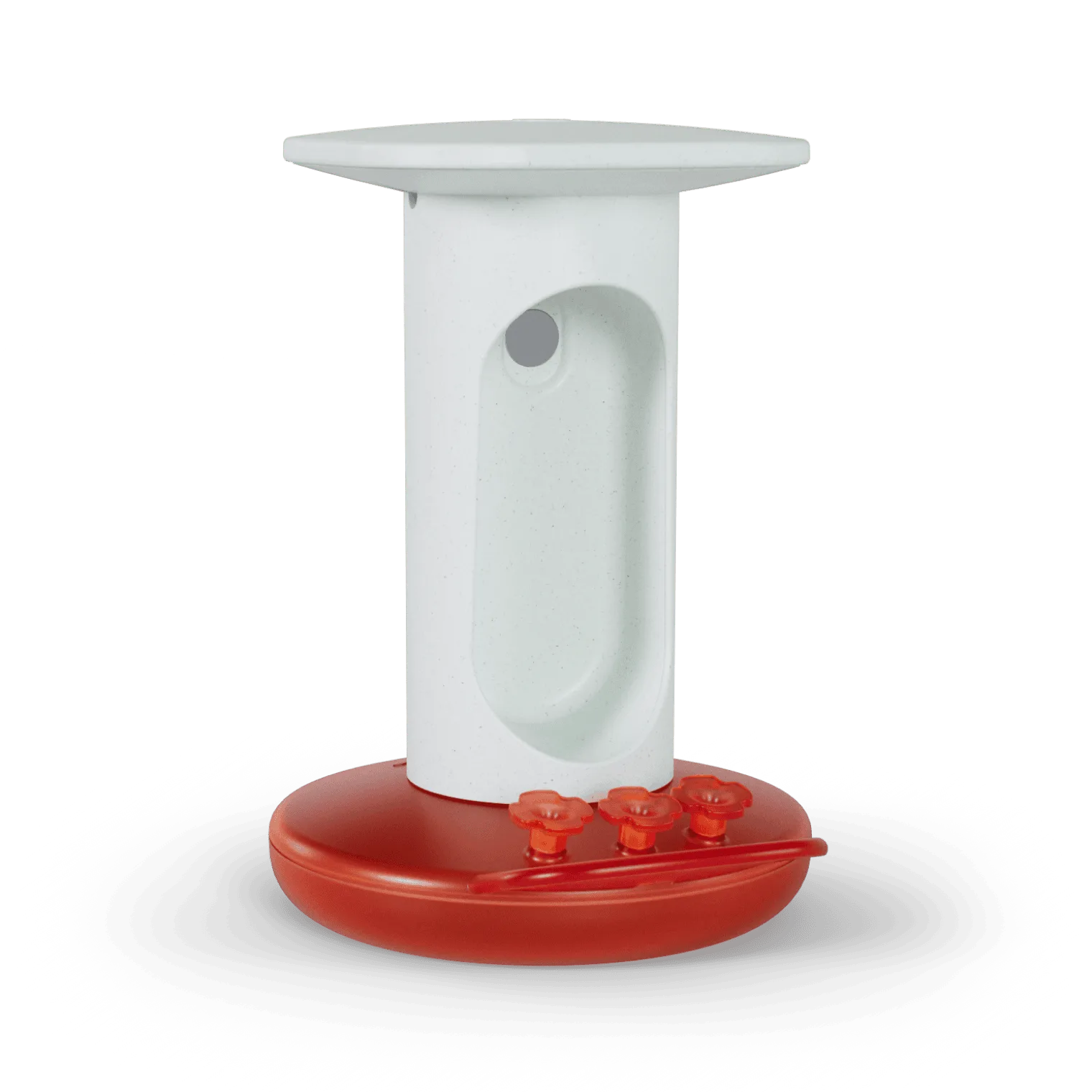
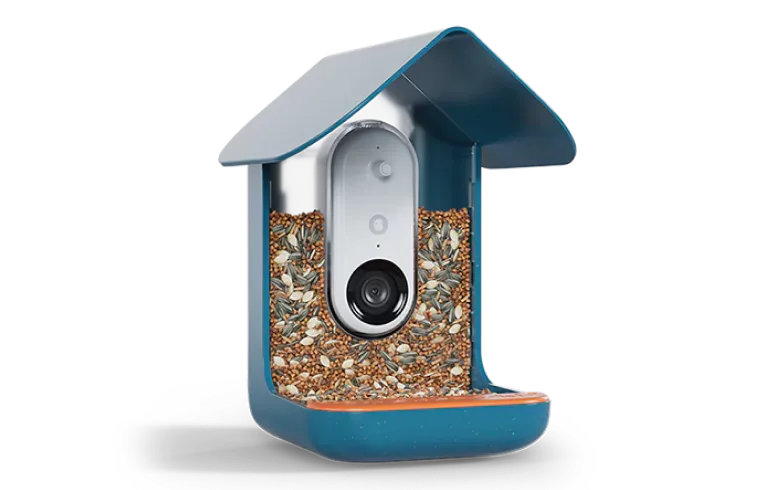
Whether you own the https://nexaelectroai.shop/products/birdbuddy-pro-solar-221217Birdbuddy Pro Solar or the Smart Hummingbird Feeder Solar Roof, a few simple maintenance habits can keep your feeder working efficiently for years. In this guide, we’ll walk you through cleaning techniques, battery care, seasonal adjustments, and accessory tips to help you get the most out of your solar roof.
Why Regular Solar Roof Maintenance Matters
The Solar Roof is designed to withstand weather, but dirt, pollen, bird droppings, and debris can accumulate over time. A dirty panel reduces light absorption, leading to slower charging and shorter runtimes. In extreme cases, buildup can cause the feeder to enter low-power mode, disabling the camera or smart features. Regular cleaning ensures maximum sunlight conversion and consistent performance.
Additionally, proper care prevents long-term damage. UV exposure and moisture can degrade seals and connections if neglected. By establishing a simple maintenance routine, you protect your investment and keep your feeder operating at its best.
- Clean the solar panel every 2–3 weeks during peak bird activity or dusty seasons.
- Check for debris around the charging port and battery compartment monthly.
How to Clean Your Solar Roof Without Damage
Cleaning a solar roof is straightforward but requires gentle handling. Start by removing the feeder from its mount and detaching the Solar Roof from the housing. Use a soft, lint-free cloth or microfiber towel slightly dampened with water—never harsh chemicals or abrasive sponges, as they can scratch the panel. Wipe the surface in one direction to avoid streaks, and dry thoroughly before reattaching.
For stubborn spots like dried sap or bird droppings, let a drop of mild dish soap sit for a minute, then wipe gently. Avoid using high-pressure water or submerging the panel. The Smart Hummingbird Feeder Solar Roof and Birdbuddy Pro Solar both have sealed electronics, but direct water jets can force moisture into gaps. A gentle rinse with a spray bottle is safe if needed, followed by immediate drying.
- Clean early in the morning or late afternoon to avoid hot panels that could cause soap to dry too quickly.
- Use a soft brush or toothbrush for textured areas around the panel edges.
Maximizing Battery and Solar Panel Efficiency
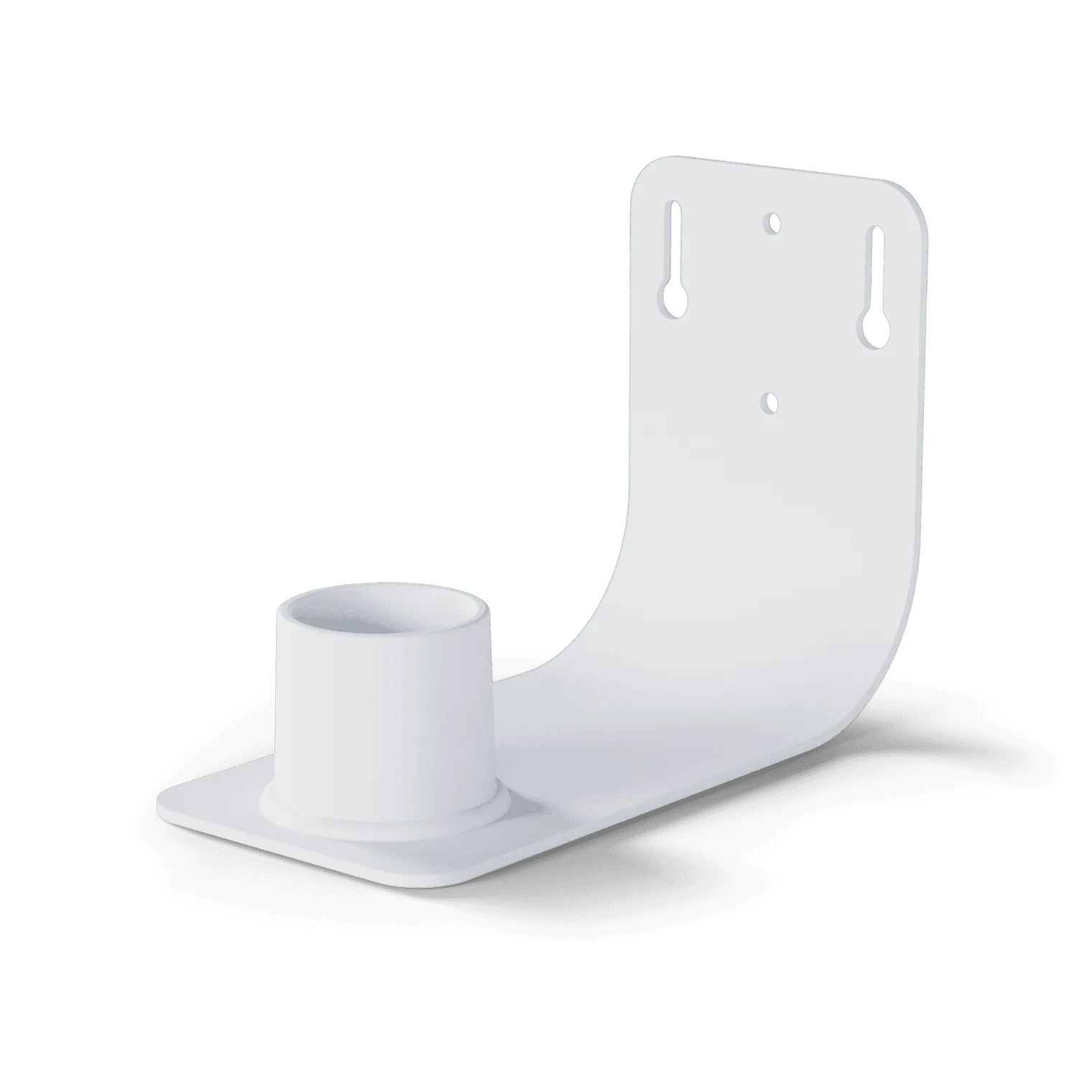
Beyond cleanliness, positioning plays a key role in efficiency. Ensure your feeder receives at least 4–6 hours of direct sunlight daily—south-facing spots are ideal. If you’ve installed the Wall Mount, check that nearby trees or shrubs haven’t grown to cast shadows. Periodic trimming of overhanging branches can dramatically improve charging.
Inside the feeder, the rechargeable battery also benefits from care. Extreme cold can reduce capacity temporarily; bringing the feeder indoors during harsh winter nights (if possible) helps preserve battery health. The Solar Roof includes smart circuitry that prevents overcharging, but a full discharge every few months can recalibrate the battery gauge for more accurate readings. If you notice shorter runtimes, consider trying the 3-in-1 Nutrition Set to attract more birds while you troubleshoot power issues.
- Test your solar orientation by checking the feeder’s battery level in the Birdbuddy app at different times of day.
- During prolonged cloudy weather, manually charge the feeder via USB (if supported) to maintain functionality.
Seasonal Care for Extended Longevity
Each season brings unique challenges for your solar roof. In spring and summer, pollen and seeds can coat the panel; more frequent cleaning is needed. Autumn brings falling leaves that may cover the feeder—check daily and clear any debris. Winter demands attention to snow and ice: never scrape the panel with tools; instead, let snow melt naturally or gently brush it off with a soft broom. The Solar Roof is weather-resistant, but extreme freeze-thaw cycles can stress seals, so ensure the rubber gasket is clean and intact.
If you live in an area with heavy snowfall, consider storing the feeder indoors during the coldest months and using a backup feeder like the Birdbuddy Pro (non-solar). For year-round use, the Birdbuddy Pro Solar model handles light snow well, but proactive care prevents long-term wear.
- Inspect the O-ring seal around the battery compartment before each season change.
- Store spare parts like the Solar Roof in a dry, cool place when not in use.
Essential Accessories to Support Solar Roof Maintenance
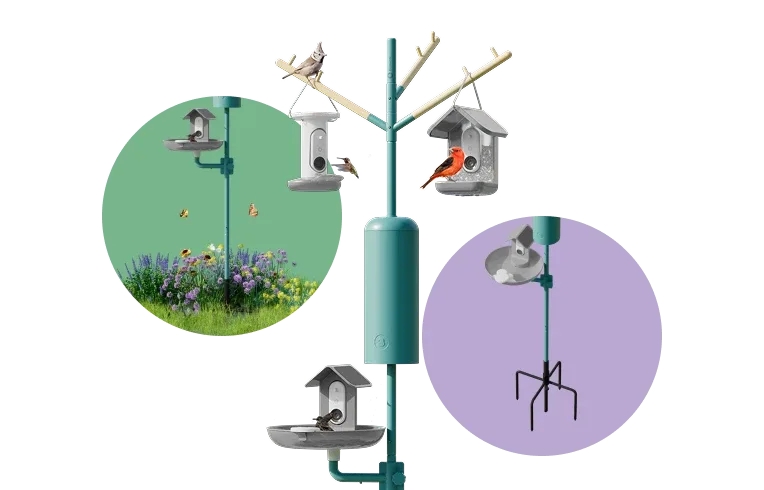
A few simple accessories can make upkeep easier and extend the life of your feeder. The Wall Mount allows you to adjust the feeder’s angle for better sun exposure and makes removal for cleaning simpler. The Perch Extender helps attract larger birds without blocking the panel. For those who want to supplement nutrition, the 3-in-1 Nutrition Set provides protein, nectar, and grit—keeping birds healthy while you focus on feeder care.
Additionally, having a spare Solar Roof on hand can minimize downtime: rotate panels for cleaning every few months. The Smart Hummingbird Feeder Solar Roof is a standalone upgrade that works with both Birdbuddy and Smart Hummingbird Feeder models, offering flexibility. By pairing these accessories with a consistent maintenance schedule, you ensure your feeder remains a reliable hub for backyard birdwatching.
- Use a soft-bristled brush (like a clean paintbrush) to dust the panel between deep cleanings.
- Keep a dedicated microfiber cloth near the feeder for quick spot-cleans.
With just a few minutes of care each month, your Solar Roof will keep your Birdbuddy feeder powered and your birdwatching uninterrupted. Whether you own the Birdbuddy Pro Solar or the Smart Hummingbird Feeder Solar Roof, consistent cleaning, battery awareness, and seasonal adjustments make all the difference. To explore solar models and maintenance accessories, check out the Solar Roof product page for replacement options and upgrade ideas.