Zippers are the unsung heroes of tactical gear. They secure your rucksack, pouches, and clothing, ensuring your essentials stay safe and accessible. However, zippers often get overlooked during maintenance routines, leading to frustrating snags, stuck sliders, or even complete failure. In this guide, we'll walk you through the best practices for maintaining the zippers on your tactical gear, from cleaning and lubrication to simple repairs.
Whether you're a law enforcement professional, a military enthusiast, or an outdoor adventurer, your gear's zippers endure harsh conditions—dirt, sand, moisture, and constant use. With proper care, you can extend the life of your zippers and avoid costly replacements. Let's dive into the world of zipper maintenance and keep your gear operating at peak performance.
Why Zipper Maintenance Matters
Zippers are precision components. A single grain of sand or a build-up of grime can cause the slider to jam, separate the teeth, or damage the fabric around the zipper. For tactical gear, where reliability is non-negotiable, a failed zipper can compromise your mission or leave you stranded without essential equipment.
Regular maintenance not only prevents these issues but also extends the overall lifespan of your gear. By investing a few minutes in zipper care, you save money and ensure your equipment is ready when you need it most. Moreover, well-maintained zippers operate smoothly, allowing quick access to your gear during critical moments.
- Prevents costly repairs or replacements
- Ensures quick and reliable access to your gear
- Protects the fabric and stitching around the zipper
Cleaning Your Zippers: First Step to Smooth Operation
Dirt and debris are the primary enemies of zippers. Over time, they accumulate between the teeth and inside the slider, causing friction and misalignment. To clean your zippers effectively, start by using a soft brush, like an old toothbrush, to gently remove loose dirt from the teeth and slider. For stubborn grime, a mild soap and water solution can be applied with a cloth or brush, then wiped dry.
For tactical gear that's heavily soiled, consider using a specialized gear cleaner that's safe for nylon and other materials. Avoid harsh chemicals that can degrade the fabric or plastic components. After cleaning, ensure the zipper is completely dry before applying any lubricant, as moisture can trap new debris and cause corrosion.
- Use a soft brush to remove debris
- Apply mild soap and water for stubborn grime
- Dry thoroughly before lubricating
Lubrication: The Key to Smooth Gliding
Lubrication reduces friction, allowing the slider to move effortlessly and preventing wear on the teeth. For tactical zippers, a silicone-based lubricant is ideal because it's dry, doesn't attract dirt, and is safe for most materials. Apply a small amount directly to the teeth and slider, then work the zipper back and forth several times to distribute the lubricant evenly.
Avoid oil-based lubricants, as they can attract dust and grime, creating a sticky residue that worsens performance. If you don't have a commercial zipper lubricant, a graphite pencil can work in a pinch—just rub the pencil lead along the teeth. However, for long-term reliability, invest in a proper silicone spray or wax-based product designed for zippers.
- Use silicone-based lubricants for best results
- Avoid oil-based products that attract dirt
- Work the zipper after applying to distribute lubricant
Common Zipper Problems and Simple Fixes
Even with regular care, zippers can encounter issues. A common problem is a slider that won't stay up, which often indicates worn teeth or a loose slider. In such cases, you can gently squeeze the slider with pliers to tighten it, but be careful not to overdo it and damage the slider. If the teeth are misaligned, use a flathead screwdriver to gently realign them.
If the zipper separates at the bottom, it might be due to a missing or broken stop. You can replace the stop using a zipper repair kit, which includes new stops and a tool to crimp them in place. For more complex issues, such as broken teeth or a completely damaged slider, consider replacing the zipper entirely—a task that's often easier than it seems with the right tools.
- Tighten a loose slider with pliers
- Realign misaligned teeth with a screwdriver
- Replace missing stops with a repair kit
Maintaining Zippers on Specific Tactical Gear
Different gear types have specific zipper considerations. For instance, rucksacks like the 5 Pocket Combo Ruck Mod feature multiple zippered compartments that endure heavy loads and rough handling. Pay special attention to the zippers on the main compartment and side pockets, as they're frequently used and exposed to the elements.
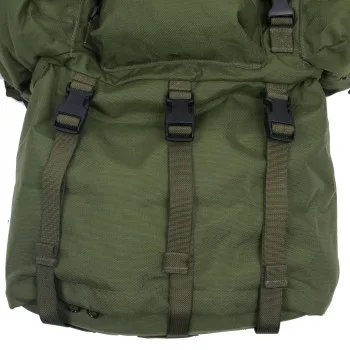
5 Pocket Combo Ruck Mod
Similarly, pouches such as the Rogue Magna Double Pistol Pouch rely on smooth zippers for quick access to your firearm. In high-stress situations, a jammed zipper can be dangerous. Regular cleaning and lubrication of these zippers are critical to ensure they function flawlessly when you need them most.
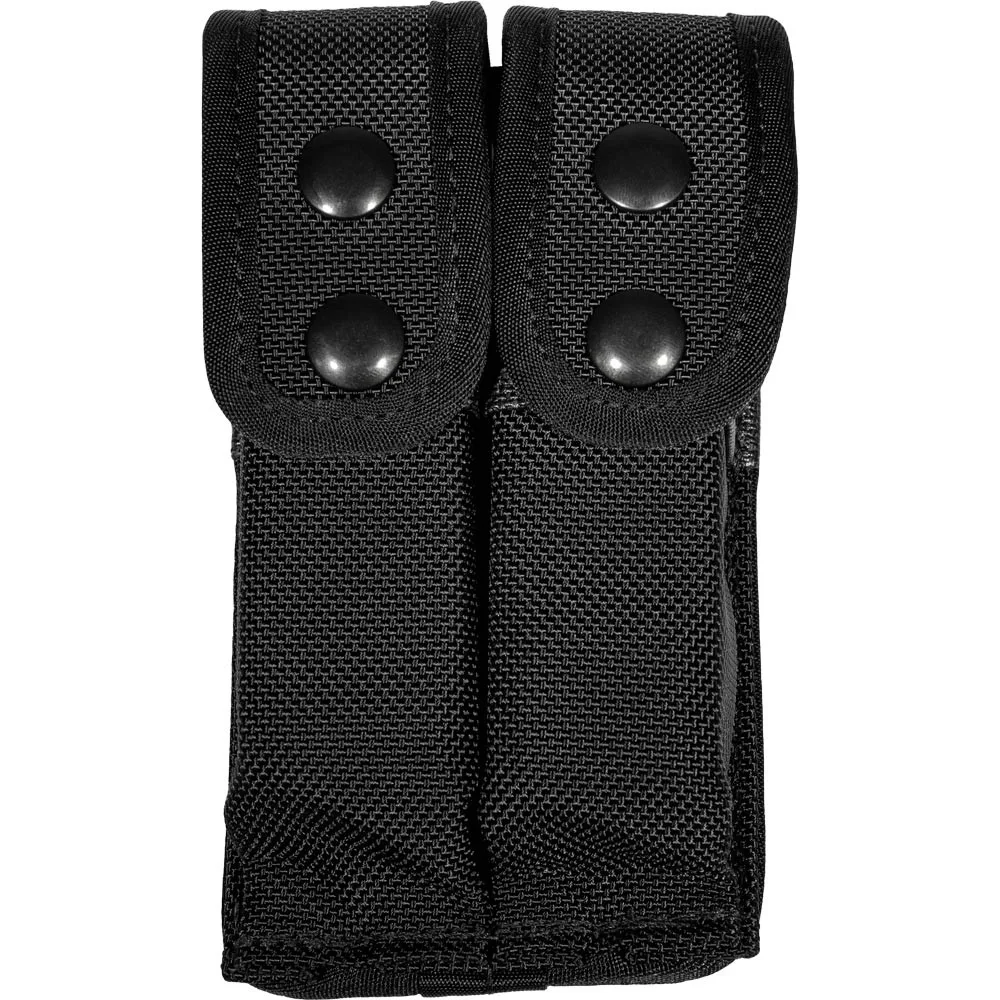
Rogue Magna Double Pistol Pouch
For gear that uses zippers in harsh environments, like the Gas Mask Carrier Large Black, consider applying a protective coating to the zipper to repel water and dirt. This extra step can significantly reduce maintenance frequency and enhance durability.
- Inspect zippers on high-use compartments regularly
- Lubricate zippers on tactical pouches frequently
- Use protective coatings for harsh environments
Proactive Tips for Long-Term Zipper Health
Prevention is always better than cure. Incorporate zipper checks into your regular gear maintenance routine. After each use, quickly inspect zippers for debris or damage. If you notice any issues, address them immediately before they worsen.
When storing your gear, ensure zippers are closed to prevent them from catching on other items. Also, avoid overloading pockets and compartments, as excessive strain can cause zippers to separate or break. Finally, consider using zipper pulls or paracord extensions to reduce stress on the slider and make it easier to grip, especially when wearing gloves.
- Inspect zippers after each use
- Keep zippers closed during storage
- Avoid overloading compartments to reduce stress
Proper zipper maintenance is a small investment that pays off in reliability and longevity. By cleaning, lubricating, and addressing issues promptly, you ensure your tactical gear performs when it matters most. For gear that's built to last, explore our range of tactical accessories, including the 5 Pocket Combo Ruck Mod, and keep your equipment in top shape.