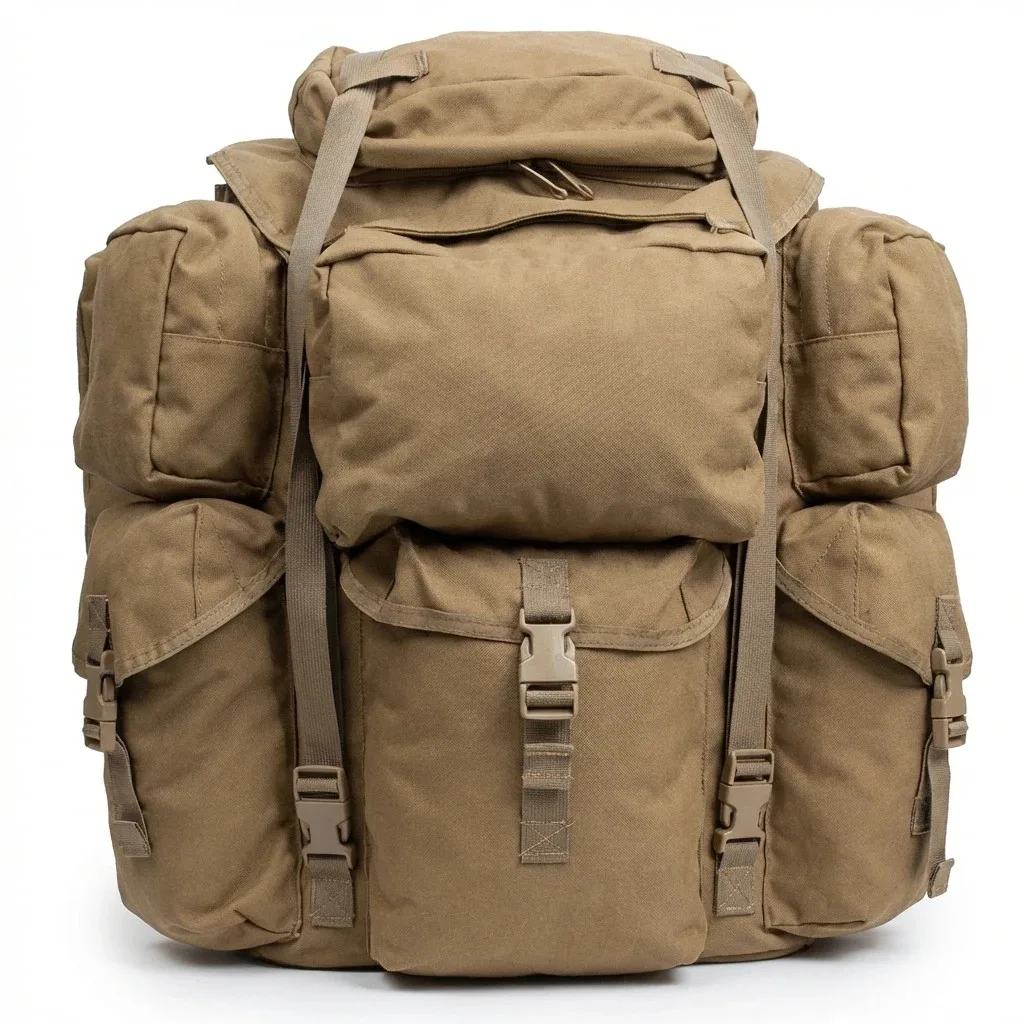
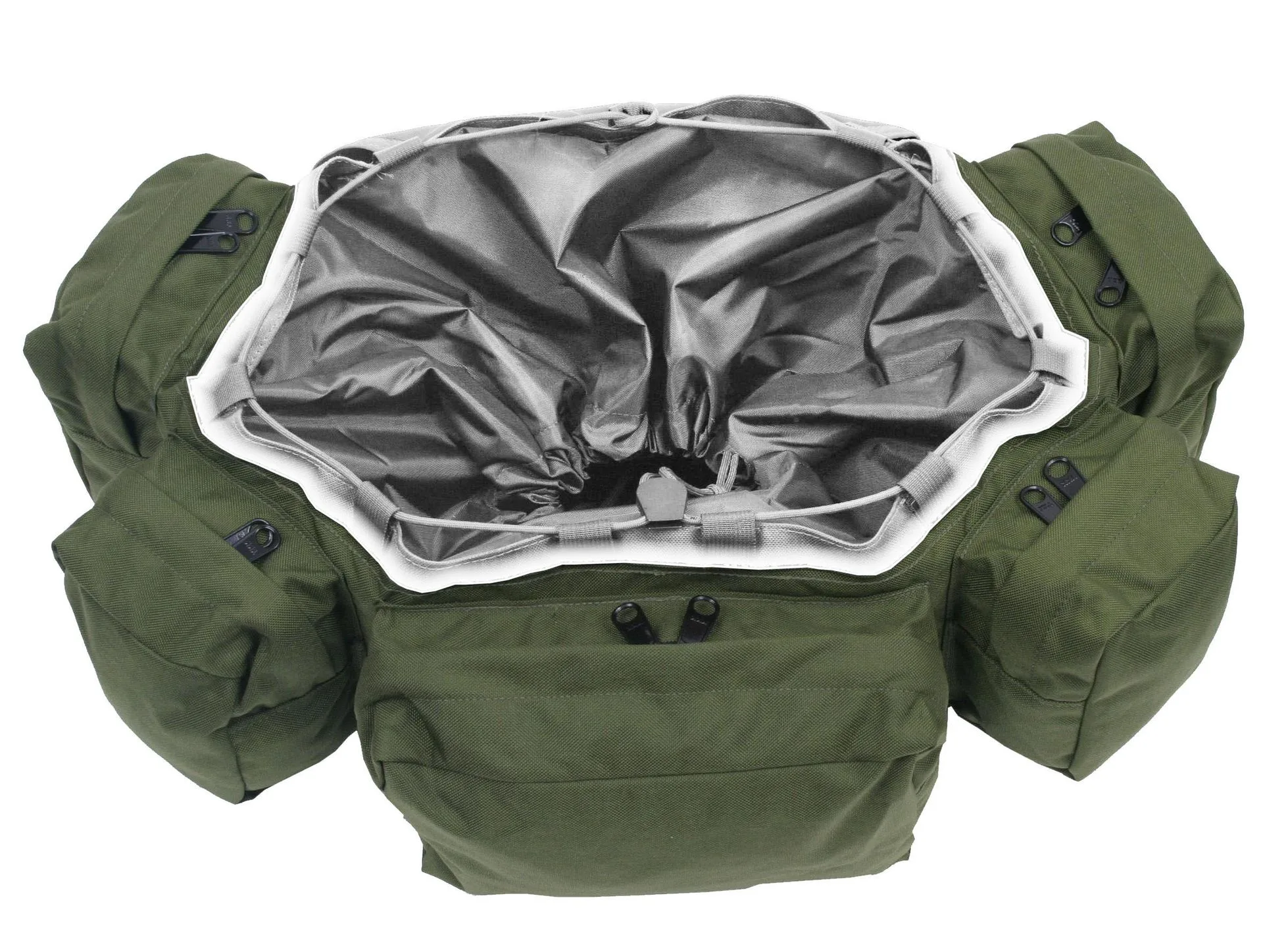
Your tactical gear is an investment, and the webbing and straps are its backbone. Whether you're using a plate carrier, a rucksack, or a dump pouch, the nylon straps and webbing take the brunt of daily abuse. Over time, dirt, sweat, and UV exposure can weaken the fibers, leading to fraying, fading, and even failure at the worst possible moment. Proper maintenance isn't just about keeping your gear looking sharp—it's about safety and reliability.
In this guide, we'll walk you through the best practices for cleaning, inspecting, and maintaining the webbing and straps on your tactical equipment. From simple cleaning routines to knowing when to replace worn components, these tips will help you get the most out of your gear. We'll also highlight some essential Tactical Tailor products that can help you keep your kit in top shape.
Why Webbing Maintenance Matters
Tactical webbing is typically made from high-tenacity nylon, which is incredibly strong and resistant to abrasion. However, it's not indestructible. Dirt and grit can act like sandpaper, gradually wearing down the fibers and weakening the material. Sweat and moisture can lead to mildew, which not only smells bad but can also degrade the nylon over time. And prolonged exposure to sunlight can cause UV damage, making the webbing brittle and prone to cracking.
Regular maintenance not only extends the life of your gear but also ensures that it performs as expected when you need it most. A frayed strap on a plate carrier or a weakened buckle on a rucksack can compromise your entire setup. By taking a few minutes to care for your webbing, you're protecting your investment and your safety.
- Inspect webbing for fraying, cuts, or discoloration after each use.
- Clean gear promptly after exposure to mud, sand, or saltwater.
- Store gear away from direct sunlight to prevent UV degradation.
Cleaning Your Webbing and Straps
Cleaning is the cornerstone of webbing maintenance. Start by removing any loose dirt or debris with a soft brush or a dry cloth. For deeper cleaning, use a mild soap—like dish soap or a specialized gear cleaner—and warm water. Avoid harsh detergents, bleach, or fabric softeners, as these can break down the nylon fibers and damage the coating.
Hand washing is the safest method. Fill a basin with lukewarm water and a small amount of soap, then gently scrub the webbing with a soft-bristled brush. Pay extra attention to areas that come into contact with your body, like shoulder straps and waist belts, as they accumulate sweat and oils. Rinse thoroughly with clean water to remove any soap residue, then hang the gear to dry in a well-ventilated area away from direct heat or sunlight.
- Use a soft brush to remove embedded dirt from webbing loops and seams.
- For stubborn stains, let the gear soak for 15-20 minutes before scrubbing.
- Never machine wash or dry tactical gear, as agitation can damage the material.
Inspecting for Wear and Tear
Regular inspections are crucial for catching problems early. Check all webbing for signs of fraying, cuts, or pulled threads. Pay special attention to stress points like where straps attach to buckles, where webbing is sewn to the main body of the pack, and any areas that rub against other gear. Also, examine the stitching—loose or broken threads can indicate that the webbing is starting to fail.
If you notice any damage, it's important to address it immediately. Minor fraying can sometimes be repaired with a lighter to melt the loose fibers, but this should only be done if you're confident in your skills. For more significant damage, it's often best to replace the strap or component. Tactical Tailor offers a range of replacement parts, such as the Super Straps and the Low Profile Super Straps, which are designed to withstand heavy use and are easy to install.
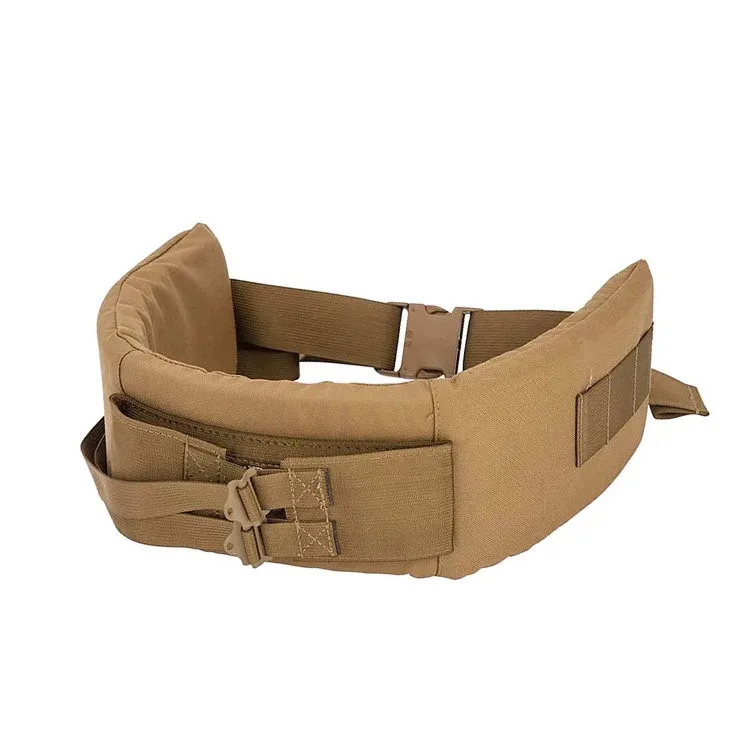
Super Straps
- Check webbing for UV damage: if it appears faded or feels brittle, replace it.
- Test buckles and clips to ensure they still lock securely.
- Look for corrosion on metal hardware, which can weaken straps.
Maintaining Specific Types of Straps
Different straps have different maintenance needs. For example, the webbing on a plate carrier is often exposed to more dirt and friction than the straps on a backpack. For high-wear items like the Load Platforms & Belts - Plate Carriers, it's especially important to clean and inspect the shoulder straps and cummerbund webbing regularly.
For rucksacks and packs, pay attention to the compression straps and the webbing that secures the load. The Hydration Pocket Ruck Mod adds webbing and straps to your pack, and these need the same care as the rest of your gear. Additionally, if you use a roll-up dump pouch, the webbing that attaches it to your vest or belt should be checked for wear, as it's often pulled and twisted during use.
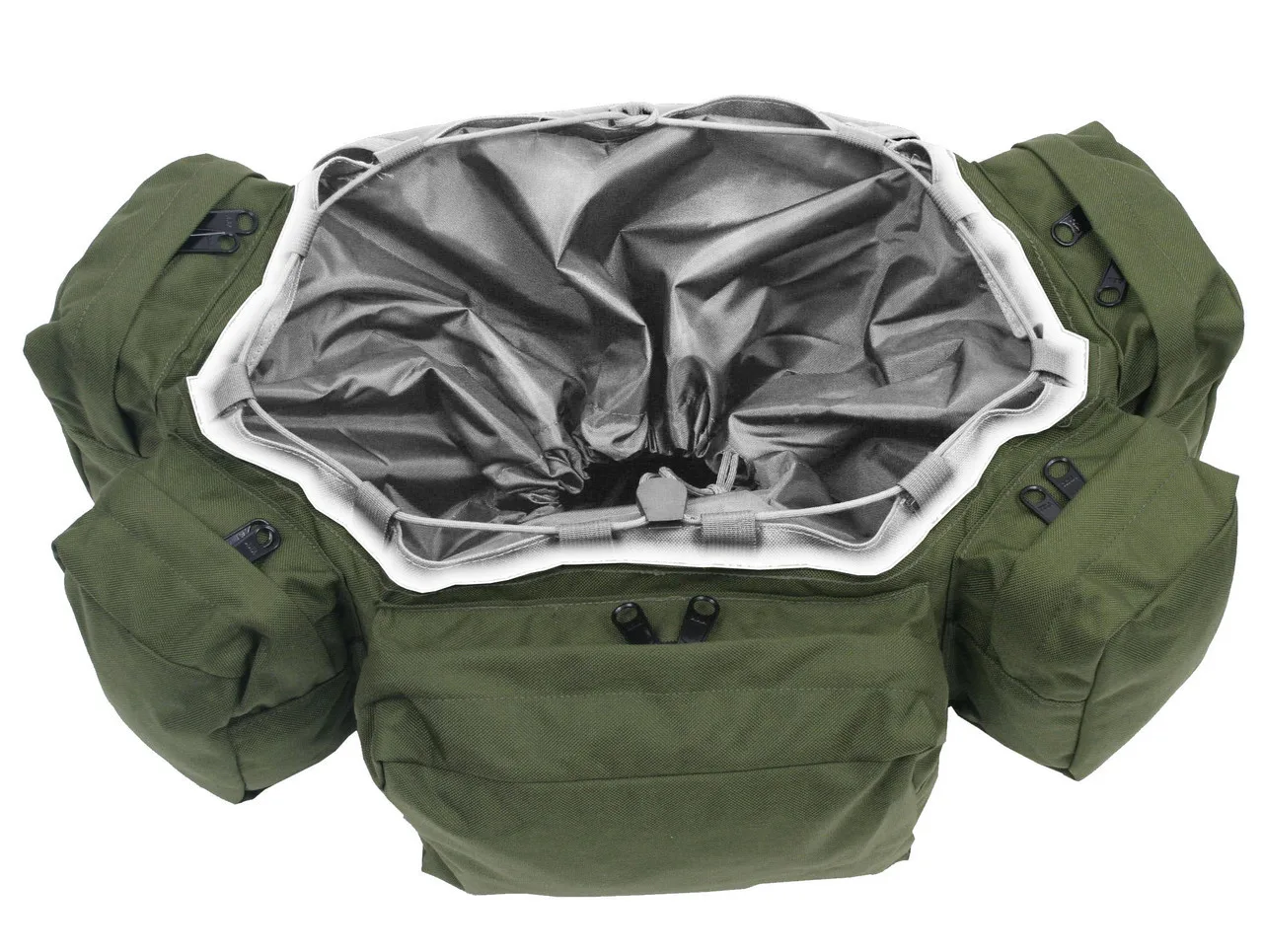
Hydration Pocket Ruck Mod
- For straps that get wet frequently, dry them thoroughly to prevent mildew.
- Apply a silicone-based protectant to webbing to repel water and dirt.
- Rotate your gear to distribute wear evenly across multiple items.
When to Replace Your Straps and Webbing
Even with the best care, all webbing will eventually wear out. Knowing when to replace it is key to maintaining the integrity of your gear. If you see any of the following signs, it's time for a replacement: fraying that exposes the inner fibers, cuts that reduce the width of the webbing, or a significant loss of stiffness that makes the strap feel limp. Also, if the stitching becomes loose or the webbing starts to separate from the hardware, replace it immediately.
Replacing straps is often simpler than you think. Many tactical packs and vests use modular attachment systems, so you can swap out worn straps without sewing. For example, Tactical Tailor's Malice Pack Version 3 Complete Kit includes replacement straps and hardware that are designed to be user-installed. Similarly, the E-Tool Carrier Ruck Mod allows you to add or replace webbing components to keep your pack functional.
- Keep spare straps and buckles in your gear bag for quick field repairs.
- Mark the date of purchase on your gear to track its age.
- When in doubt, replace—it's better to be safe than sorry.
Maintaining the webbing and straps on your tactical gear is a simple yet essential practice that ensures your equipment remains reliable for years to come. By incorporating regular cleaning, inspection, and timely replacement into your routine, you'll not only extend the life of your gear but also enhance your safety in the field. For high-quality replacement straps and components, check out the Super Straps from Tactical Tailor—they're built to last and easy to install. Keep your gear in top shape, and it will keep you ready for anything.