A Japanese weeding hoe is more than a gardening tool—it's a precision instrument designed for efficiency and durability. With its razor-sharp blade and ergonomic handle, this hoe can transform weeding from a chore into a satisfying, effortless task. But like any fine tool, it requires regular maintenance to perform at its best and last for generations.
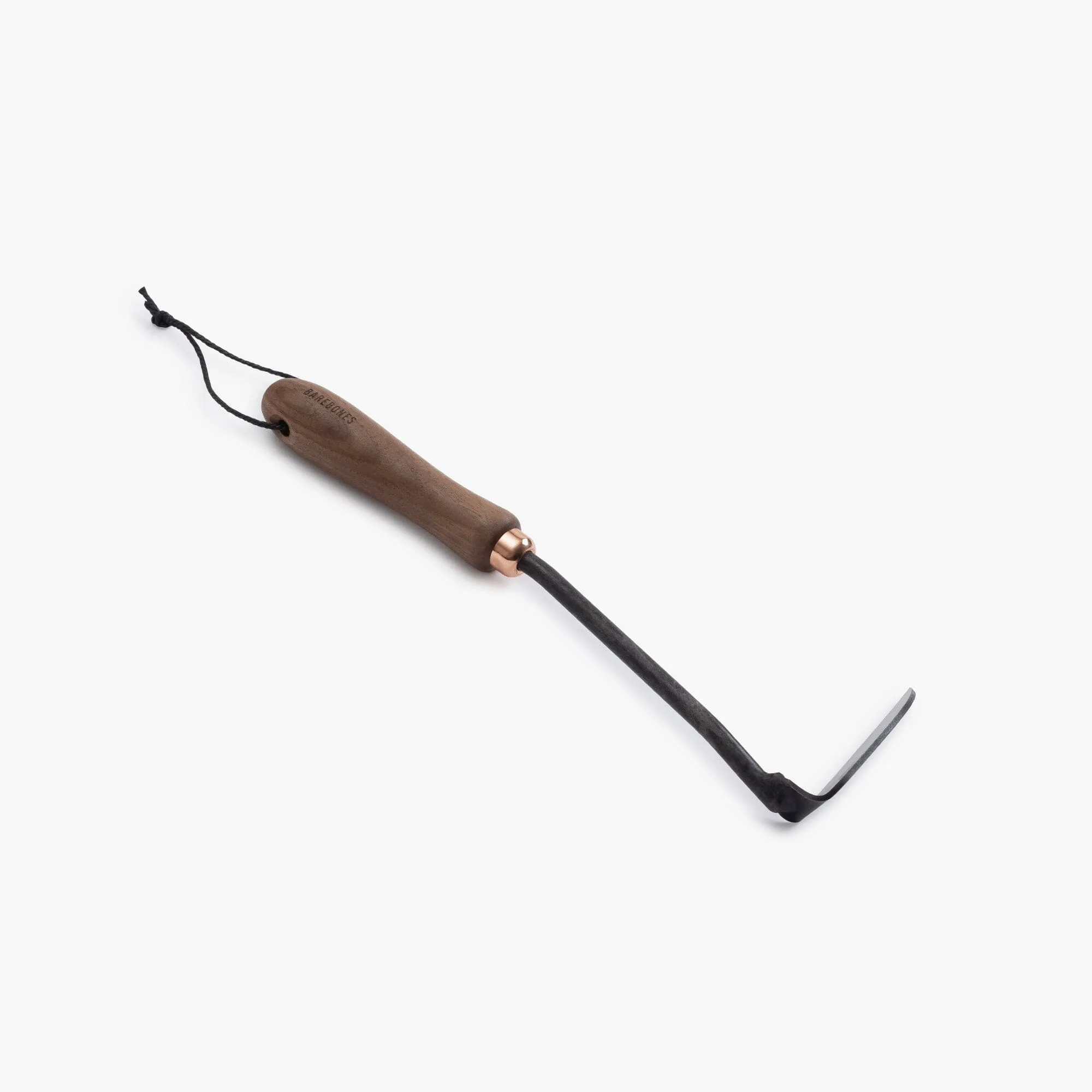
Japanese weeding hoe
Whether you're a seasoned gardener or new to Japanese gardening tools, understanding how to care for your weeding hoe will save you money, reduce frustration, and keep your garden thriving. In this guide, we'll walk you through the essential steps to maintain your Japanese weeding hoe, from cleaning and sharpening to proper storage and rust prevention.
Why Maintenance Matters for Your Japanese Weeding Hoe
Japanese weeding hoes, such as the popular triangle hoe or the versatile hand hoe, are crafted from high-carbon steel that holds an exceptionally sharp edge. This sharpness is what makes them so effective at slicing through weeds at the root without disturbing the soil. However, high-carbon steel is also prone to rust if not properly cared for. Neglecting maintenance can lead to a dull blade, rust spots, and a shortened lifespan—turning a beloved tool into a frustration.
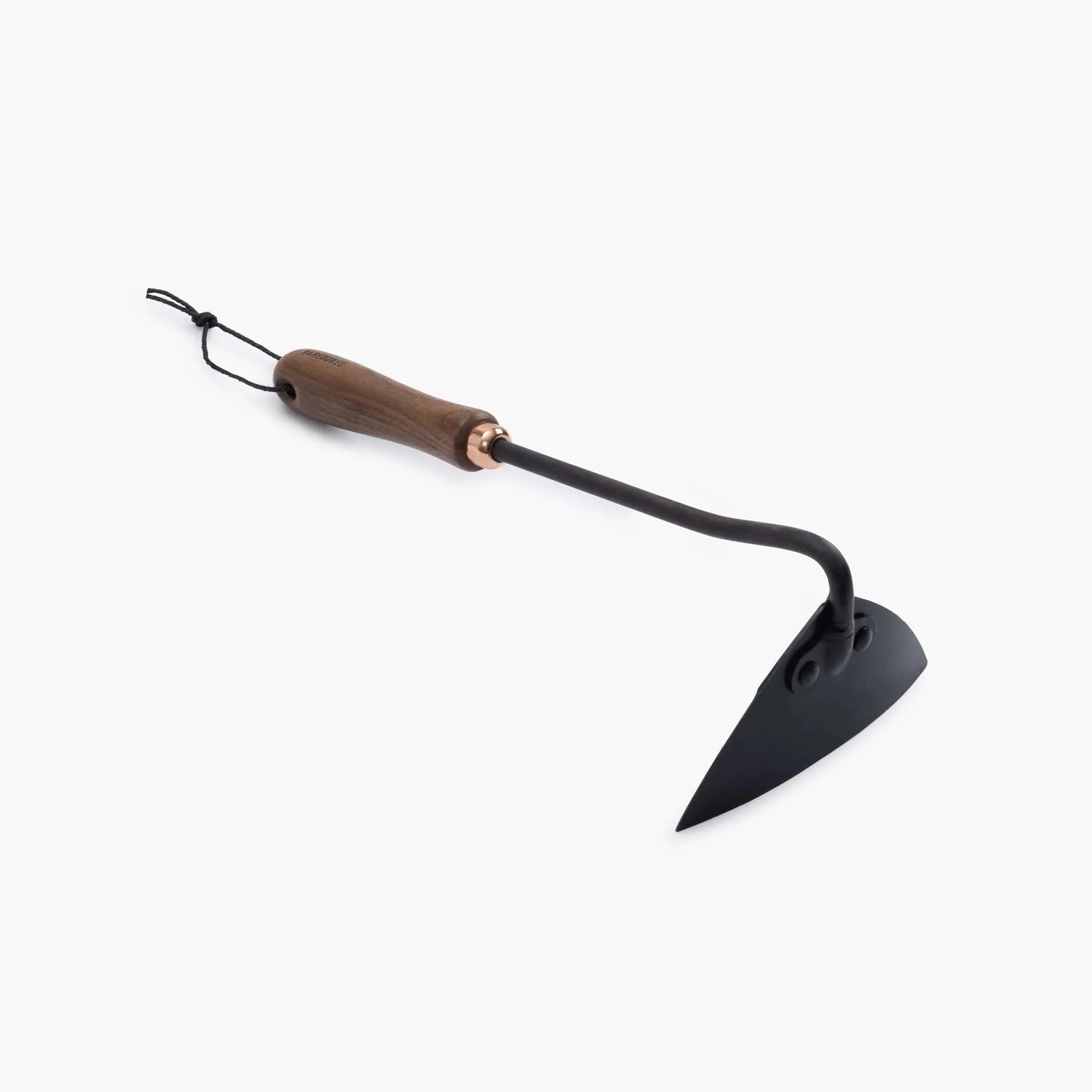
triangle hoe
Regular maintenance also preserves the ergonomic benefits of the tool. A clean, sharp hoe requires less effort to use, reducing strain on your wrists and back. By investing just a few minutes after each use, you ensure that your weeding hoe remains a joy to work with, season after season. Plus, a well-maintained tool holds its value and can even become a family heirloom.
- Prevents rust and corrosion on the high-carbon steel blade
- Maintains the razor-sharp edge for effortless weeding
- Extends the life of the wooden or fiberglass handle
- Reduces physical strain during gardening tasks
Step 1: Clean Your Hoe After Every Use
Cleaning your Japanese weeding hoe immediately after use is the single most important step in its maintenance. Soil, sap, and moisture left on the blade will quickly lead to rust. Start by wiping the blade with a dry cloth to remove loose dirt. For stubborn residue, use a stiff brush or a plastic scraper—avoid metal scrapers that can scratch the blade's surface.
If the blade is very muddy, rinse it with water and dry it thoroughly with a clean towel. Pay special attention to the area where the blade meets the handle, as moisture can hide there. Once dry, apply a light coat of oil—such as camellia oil or mineral oil—to the blade to create a protective barrier against moisture. This simple habit takes only two minutes and will dramatically extend your hoe's life.
- Use a dry cloth or stiff brush for routine cleaning
- Rinse with water only if necessary, then dry immediately
- Apply a thin layer of oil to the blade after cleaning
Step 2: Sharpen the Blade for Peak Performance
A dull Japanese weeding hoe is counterproductive—it will pull at weeds rather than slicing cleanly, making your work harder and potentially damaging plants. Sharpening should be done regularly, depending on how often you use the tool. For most gardeners, sharpening every few weeks during the growing season is sufficient.
To sharpen, use a medium-grit whetstone or a diamond file. Hold the blade at the same angle as the original bevel (typically 15-20 degrees) and make smooth, even strokes along the edge. Work from the base to the tip, applying light pressure. After several passes, switch to a fine-grit stone to polish the edge. Finish by wiping the blade clean and applying oil. If you're unsure about the technique, practice on an older tool first or watch a tutorial from a reputable source.
- Use a whetstone or diamond file for best results
- Maintain the original bevel angle (15-20 degrees)
- Polish with a fine-grit stone for a razor edge
- Test sharpness on a piece of paper or a weed
Step 3: Prevent and Remove Rust
Even with diligent cleaning, rust can occasionally appear, especially in humid climates or if the tool is stored improperly. Early detection is key—inspect your hoe regularly for any orange or brown spots. If you find rust, don't panic. Light rust can be removed with fine steel wool or a rust eraser, followed by a thorough oiling.
For more stubborn rust, create a paste of baking soda and water, apply it to the affected area, and scrub gently with a soft cloth. Rinse and dry immediately. To prevent rust in the first place, always store your hoe in a dry environment and consider using a rust-inhibiting spray or wax. Some gardeners also keep a silicone-treated cloth in their tool shed for quick wipes before storage.
- Inspect for rust weekly during the growing season
- Remove light rust with fine steel wool or baking soda paste
- Apply a rust-inhibiting spray or wax for extra protection
Step 4: Care for the Handle
The handle of a Japanese weeding hoe is designed for comfort and control, often made from ash wood or fiberglass. Wooden handles require special attention to prevent cracking, splintering, or loosening. At the start of each season, sand the handle lightly with fine-grit sandpaper to remove any rough spots, then apply a coat of boiled linseed oil or tung oil. Let it soak in overnight and wipe off the excess.
Fiberglass handles are more resistant to weather but can become brittle over time if exposed to extreme temperatures. Clean them with mild soap and water, and inspect for cracks or chips. Regardless of material, check the connection between the handle and the blade regularly. If it becomes loose, tighten the wedge or screw, or replace the handle if necessary.
- Oil wooden handles annually with linseed or tung oil
- Sand rough spots to prevent splinters
- Check the blade-handle connection for looseness
- Replace damaged handles promptly for safety
Step 5: Store Your Hoe Properly
Proper storage is the final piece of the maintenance puzzle. Never leave your Japanese weeding hoe outside or in a damp shed. Instead, store it in a dry, climate-controlled area such as a garage or indoor tool rack. Hang the hoe vertically with the blade facing down to prevent accidental cuts and to allow air circulation around the handle.
If you have multiple tools, use a wall-mounted rack or pegboard to keep them organized and off the ground. For long-term storage—such as over winter—clean and oil the blade thoroughly, then wrap it in a cloth or place it in a protective sleeve. This prevents dust and moisture from settling on the metal. A little preparation now means your hoe will be ready to go when spring arrives.
- Store in a dry, indoor location away from moisture
- Hang vertically with the blade facing down
- Use a protective sleeve or cloth for long-term storage
By following these five simple steps—cleaning, sharpening, rust prevention, handle care, and proper storage—you can keep your Japanese weeding hoe in top condition for decades. A well-maintained hoe not only makes gardening easier and more enjoyable but also honors the craftsmanship of this timeless tool. For a reliable and beautifully crafted option, consider the Spade Hand Trowel from Barebones, which pairs perfectly with your weeding hoe for a complete garden toolkit. Explore our collection of durable, essential tools designed to last a lifetime.