Cold brew coffee has taken the coffee world by storm, and for good reason. Unlike traditional iced coffee, which is simply hot coffee poured over ice, cold brew is steeped slowly in cold water for 12 to 24 hours. The result is a smooth, naturally sweet, and low-acid concentrate that you can enjoy straight or diluted. Whether you're a seasoned home barista or a curious beginner, making cold brew at home is surprisingly simple and incredibly rewarding.
In this guide, we'll walk you through the best cold brew recipe, the equipment you need, and how to customize your brew for maximum flavor. Plus, we'll share tips on storing your concentrate and turning it into delicious iced coffee drinks all summer long.
Why Make Cold Brew at Home?
Making cold brew at home saves you money and gives you total control over flavor. Store-bought cold brew can be expensive and often contains additives or preservatives. When you brew your own, you choose the beans, grind size, and steep time to create a concentrate that suits your taste perfectly. Plus, it's incredibly easy: no heat, no fancy equipment—just coffee, water, and patience.
Another advantage is the smooth, mellow profile. Cold brewing extracts fewer bitter compounds and oils than hot brewing, so the final drink is less acidic and easier on the stomach. This makes it an excellent choice for those who find hot coffee too harsh or for anyone looking for a refreshing caffeine boost on a warm day.
- Use a coarse grind to avoid over-extraction and bitterness.
- A ratio of 1:8 coffee to water (by weight) yields a strong concentrate perfect for diluting with milk or water.
Essential Equipment for Cold Brew
You don't need a lot of gear to make great cold brew, but a few key tools make the process smoother. A large glass jar or pitcher works well for steeping, and a fine-mesh strainer or cheesecloth is essential for filtering out the grounds. For precise measurements, a digital scale ensures consistent results every time. If you want to invest in a dedicated cold brew maker, options like the Hario Metal Drip Scales can help you dial in your brew ratio accurately, though they are more commonly used for pour-over.
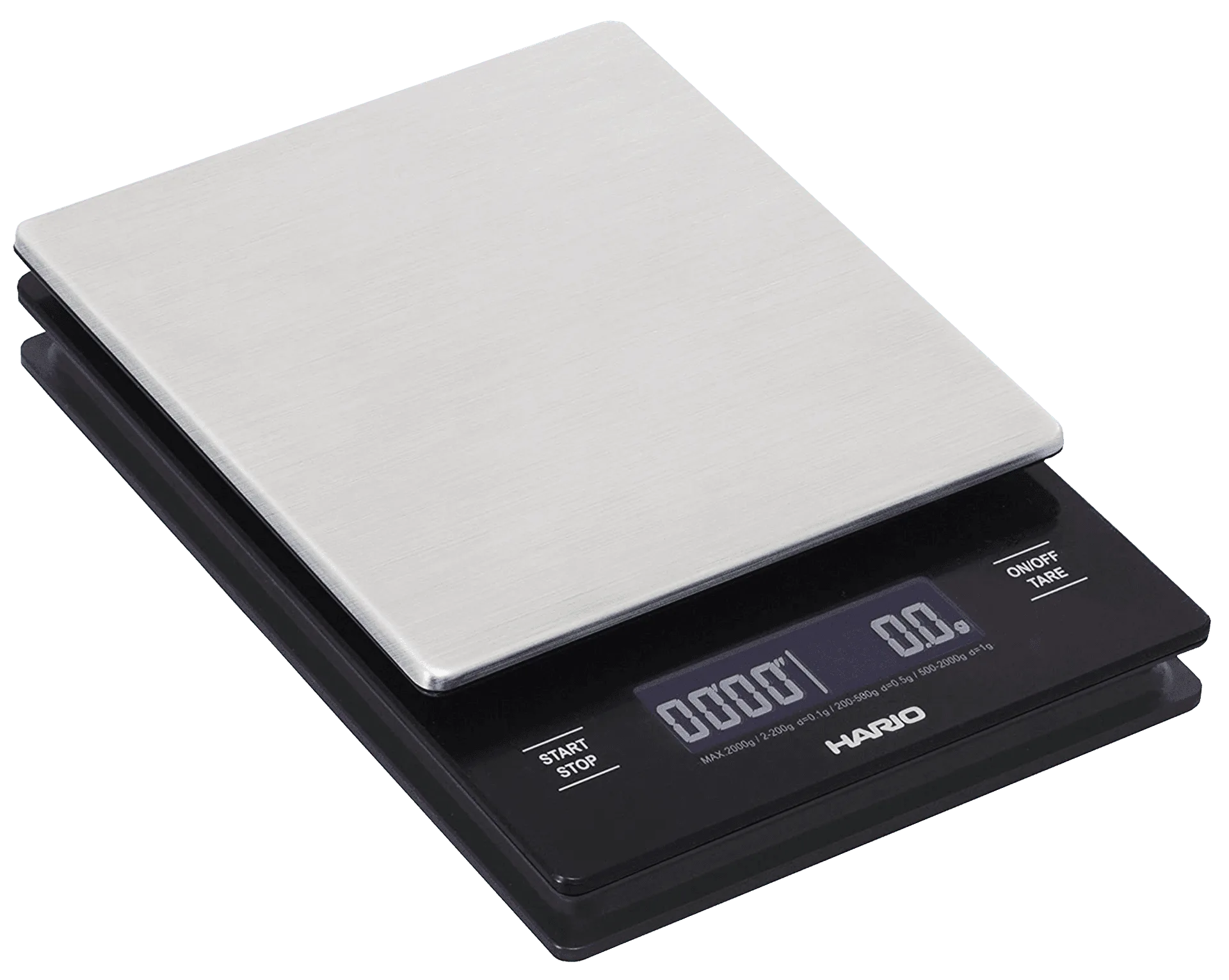
Hario Metal Drip Scales
For storing your finished concentrate, an airtight container is crucial to preserve freshness. The https://beansyai.shop/products/tkpro-vacuum-insulated-flask-750ml-133545TKPro - Vacuum Insulated Flask (750ml) is an excellent choice: it keeps your cold brew cold for hours without dilution, and its wide mouth makes pouring and cleaning easy. Alternatively, the TKWide - Vacuum Insulated Flask (473ml) offers a more compact size for single servings or on-the-go use.
- A coarse grind is key: aim for a texture similar to breadcrumbs.
- Steep at room temperature or in the fridge—both work, but fridge steeping takes longer (18-24 hours).
The Perfect Cold Brew Recipe
Start with 100 grams of coarsely ground coffee and 800 grams of cold, filtered water. Combine them in your brewing vessel, stir gently to ensure all grounds are saturated, and cover. Let it steep at room temperature for 12-16 hours, or in the fridge for 18-24 hours. The longer steep extracts more flavor, but be careful not to overdo it—24 hours is usually the max.
After steeping, pour the mixture through a fine-mesh strainer lined with a coffee filter or cheesecloth into a clean container. Discard the grounds. Your cold brew concentrate is now ready. To serve, dilute one part concentrate with one to two parts water or milk, and pour over ice. For a sweeter drink, add a touch of simple syrup or vanilla extract.
- Store concentrate in the fridge for up to two weeks in an airtight container.
- For a stronger brew, reduce the dilution ratio to 1:1 with water or milk.
Customizing Your Cold Brew: Flavor Variations
One of the best things about homemade cold brew is how easy it is to customize. Try steeping with a cinnamon stick, a vanilla bean, or a few cardamom pods for a spiced twist. For a chocolatey note, add a tablespoon of cocoa nibs to the grounds before steeping. You can also experiment with different coffee origins: a washed Ethiopian bean brings floral, fruity notes, while a Brazilian natural offers nutty, chocolatey richness.
If you want to take your cold brew to the next level, consider the water you use. Water chemistry significantly affects extraction. The Peak Water Starter Pack - Transparent Charcoal is designed to optimize your water for coffee brewing, helping you achieve a cleaner, more balanced cold brew. It's a small investment that can make a big difference in flavor clarity.
- Try a 1:5 ratio for an extra-strong concentrate that works well in cocktails or over ice cream.
- Always use filtered water for the best taste—tap water can introduce off-flavors.
Cold Brew vs Iced Coffee: What's the Difference?
Many people use the terms interchangeably, but they are not the same. Iced coffee is simply hot-brewed coffee that is chilled and poured over ice. It often tastes more acidic and bitter because the hot water extracts compounds that cold water does not. Cold brew, on the other hand, is never heated, resulting in a smoother, sweeter, and less acidic beverage.
Cold brew concentrate is also more versatile. You can use it as a base for iced lattes, affogatos, or even coffee cocktails. Because it's concentrated, you have full control over the strength of your final drink. If you prefer a lighter, more tea-like coffee, you can dilute it more. If you want a bold kick, use less dilution.
- Cold brew is less acidic, making it gentler on your teeth and stomach.
- Iced coffee is quicker to make but lacks the smoothness of cold brew.
Storing and Serving Your Cold Brew
Proper storage is key to keeping your cold brew fresh. Always store the concentrate in an airtight container in the refrigerator. Glass containers are best because they don't absorb odors. A vacuum-insulated flask like the TKPro - Vacuum Insulated Flask (750ml) is ideal for keeping your cold brew cold for hours, whether you're at home or on the go. Its double-wall construction prevents condensation and maintains temperature without the need for ice, which can dilute your drink.
When serving, pour your concentrate over fresh ice and add your choice of milk, water, or a flavored syrup. For a dairy-free option, oat milk or almond milk pairs beautifully with cold brew's natural sweetness. You can also freeze leftover concentrate into coffee ice cubes to avoid dilution—simply pour concentrate into an ice tray and freeze.
- Use coffee ice cubes to keep your drink cold without watering it down.
- Cold brew concentrate can also be used in baking—try it in brownies or chocolate cake for a coffee kick.
Making cold brew coffee at home is a simple, rewarding process that delivers café-quality iced coffee on a budget. With just a few pieces of gear and a little patience, you can enjoy smooth, low-acid cold brew all summer long. To keep your cold brew perfectly chilled without dilution, explore the TKPro - Vacuum Insulated Flask (750ml) — it's the ideal companion for your homemade concentrate.