Making your own jerky at home is a rewarding and surprisingly simple process. Not only do you get to control the ingredients and flavors, but you also save money compared to buying premium jerky. Whether you're a seasoned snack enthusiast or a complete beginner, this guide will walk you through every step—from selecting the right cut of meat to storing your finished jerky properly.
Homemade jerky is perfect for hiking, road trips, or just a high-protein snack at your desk. With a few basic tools and some patience, you can create delicious, customizable jerky that rivals any store-bought brand. In this guide, we'll cover the essential techniques, share pro tips, and help you avoid common mistakes. By the end, you'll be confident in making your own jerky at home.
Why Make Jerky at Home?
Making jerky at home offers numerous benefits. First, you have complete control over the quality of meat and ingredients. You can choose lean cuts, organic options, and adjust the seasoning to your taste. Second, homemade jerky is often more cost-effective, especially if you buy meat in bulk. Finally, it's a fun and satisfying project that yields a delicious, protein-packed snack.
Store-bought jerky can be expensive and sometimes loaded with preservatives and artificial additives. By making your own, you can create a healthier, more natural product. Plus, you can experiment with flavors that aren't available commercially. For instance, if you love spicy snacks, you can create a marinade inspired by our Hot 'N' Spicy Beef Jerky (30g) or go for a milder, smoky profile like our Texan BBQ Beef Jerky (30g). The possibilities are endless.
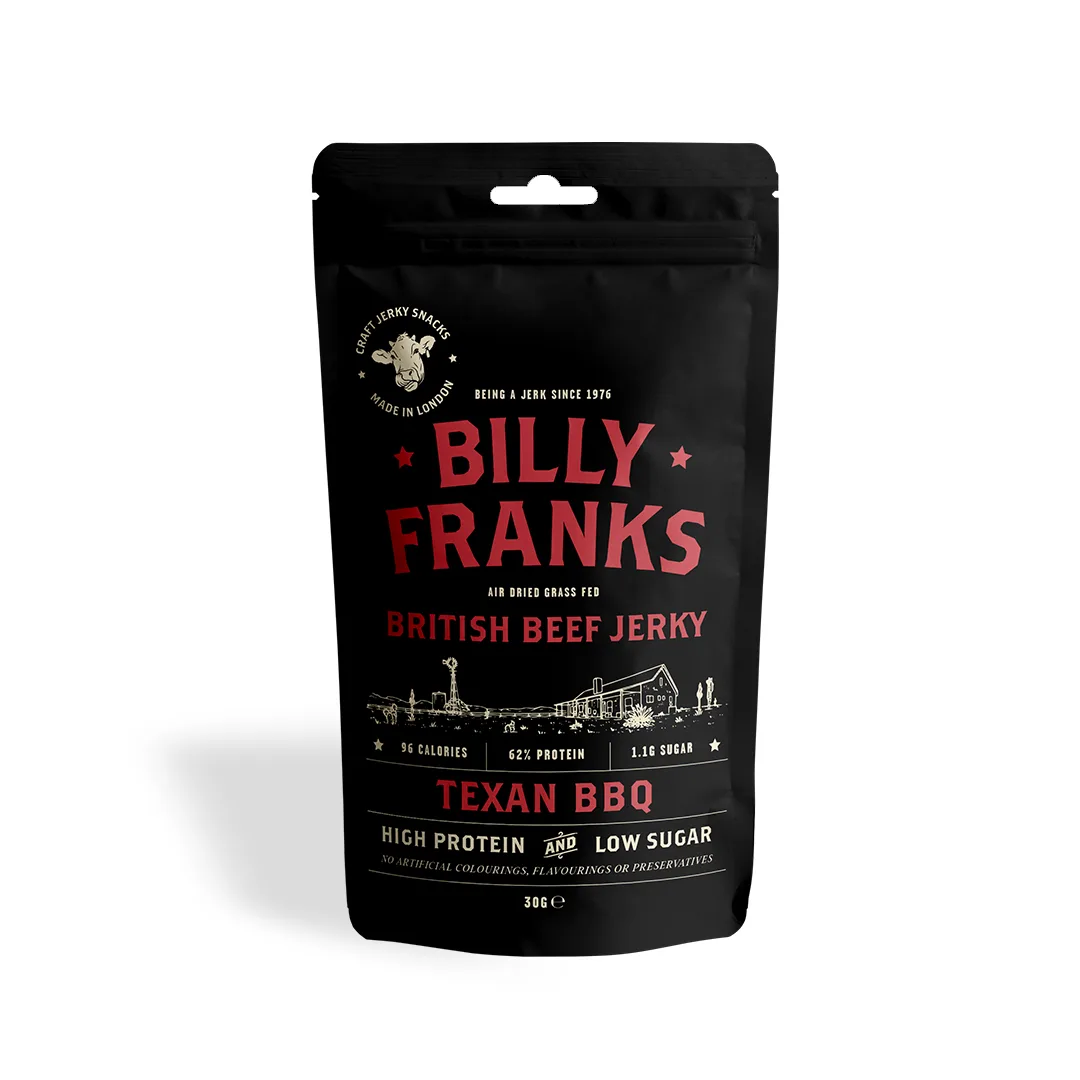
Texan BBQ Beef Jerky (30g)
- Control over ingredients and quality
- Cost-effective when buying in bulk
- Customizable flavors and spice levels
- Fun and rewarding DIY project
Choosing the Right Meat
The foundation of great jerky is the meat. For beef jerky, you want lean cuts with minimal fat, as fat can become rancid and shorten shelf life. Top round, bottom round, sirloin tip, and flank steak are excellent choices. These cuts are lean, affordable, and slice easily. If you prefer turkey jerky, use turkey breast, which is naturally lean and works well with marinades.
When selecting meat, look for fresh, high-quality cuts. Trim any visible fat and silver skin before slicing. For best results, partially freeze the meat for 1-2 hours before slicing—this makes it easier to cut thin, uniform strips. Aim for slices about 1/8 to 1/4 inch thick, cutting against the grain for a more tender texture or with the grain for a chewier jerky.
- Beef: top round, bottom round, sirloin tip, flank steak
- Turkey: turkey breast (lean and tender)
- Trim all visible fat to prevent spoilage
- Partially freeze for easier slicing
Crafting the Perfect Marinade
The marinade is where you infuse flavor. A basic jerky marinade includes soy sauce, Worcestershire sauce, brown sugar, and spices. You can customize it with garlic, onion powder, black pepper, red pepper flakes, or liquid smoke. For a sweet and savory profile, add honey or maple syrup. For a spicy kick, include chili powder or cayenne.
Here's a simple beginner-friendly marinade recipe: combine 1/2 cup soy sauce, 1/4 cup Worcestershire sauce, 2 tablespoons brown sugar, 1 teaspoon garlic powder, 1 teaspoon onion powder, and 1/2 teaspoon black pepper. Mix well and add your meat strips, ensuring they are fully coated. Cover and refrigerate for at least 6 hours, or overnight for deeper flavor. For inspiration, you can try to replicate the tangy heat of our Buffalo Hot Wing Turkey Jerky (30g) by adding hot sauce and a touch of butter flavor.
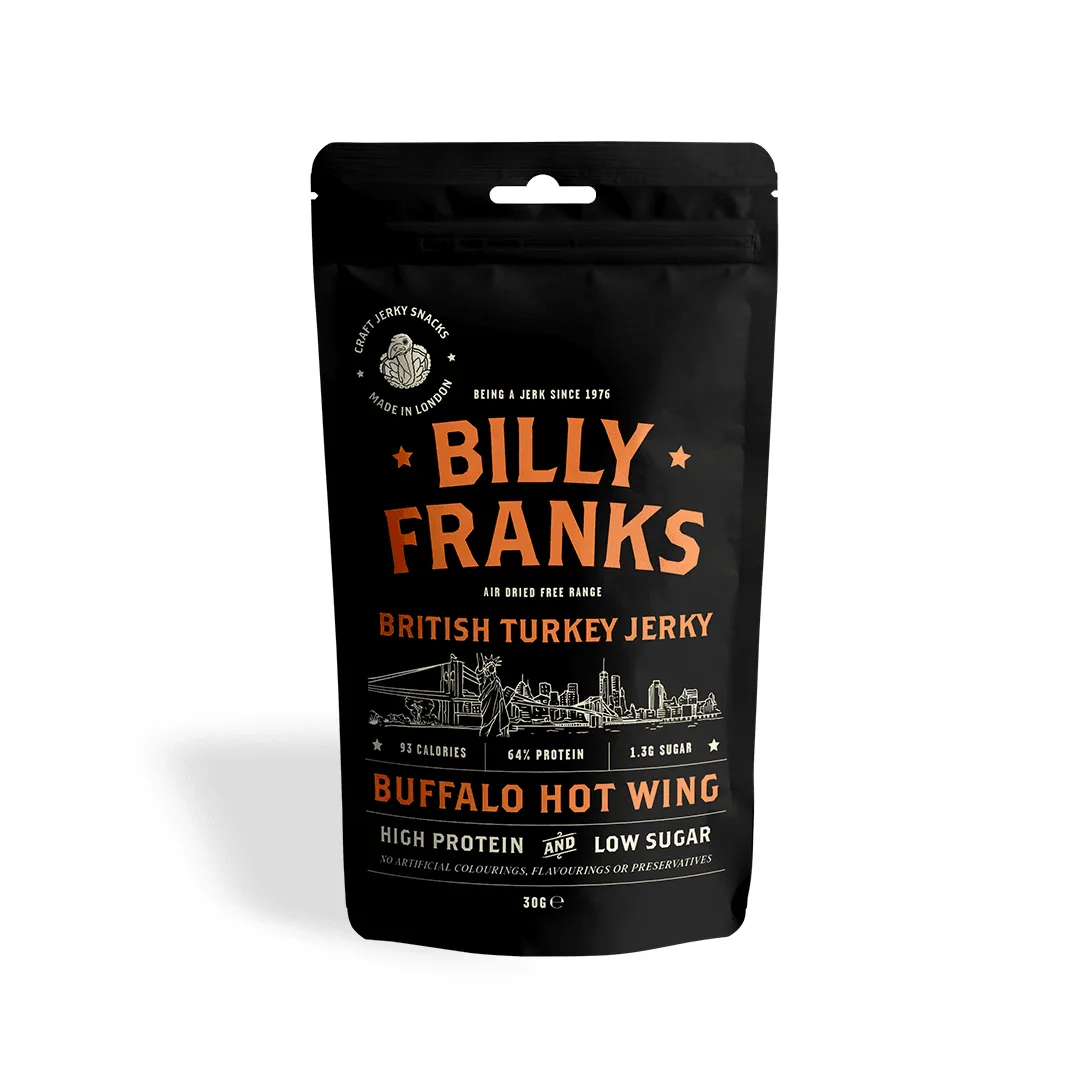
Buffalo Hot Wing Turkey Jerky (30g)
- Basic marinade: soy sauce, Worcestershire, brown sugar, spices
- Marinate for at least 6 hours, preferably overnight
- Experiment with flavors like teriyaki, BBQ, or spicy
Dehydrating Methods: Oven vs. Dehydrator
You can dehydrate jerky in a food dehydrator or your oven. A dehydrator is ideal because it maintains a consistent low temperature and has good airflow. Set it to 160°F (70°C) and dry for 4-6 hours, depending on thickness. If using an oven, preheat to the lowest setting (usually 170°F or 75°C), place the marinated strips on a wire rack over a baking sheet, and prop the door open slightly to allow moisture to escape. Dry for 3-5 hours, checking frequently.
The jerky is done when it bends and cracks but doesn't break. It should be dry to the touch but still slightly pliable. Over-drying makes it brittle, while under-drying leaves it chewy and unsafe for storage. Always ensure the internal temperature reaches 160°F for beef and 165°F for turkey to kill any bacteria.
- Dehydrator: consistent temperature and airflow
- Oven: use lowest setting and prop door open
- Test for doneness by bending—should crack but not snap
- Ensure internal temperature reaches safe levels
Storing Your Homemade Jerky
Proper storage is crucial to maintain freshness and safety. Once your jerky is completely cooled, store it in an airtight container or a resealable plastic bag. For short-term storage (up to 2 weeks), keep it in a cool, dry place. For longer storage, refrigerate or freeze it. Vacuum sealing can extend shelf life significantly.
To keep your jerky at its best, avoid exposing it to moisture or heat. If you notice any signs of mold or an off smell, discard it immediately. For on-the-go snacking, consider portioning your jerky into small bags. This is similar to how we package our Bulk Bags of Jerky, which are perfect for sharing or stocking up. Homemade jerky also makes a great gift; you can package it in decorative jars or bags for a personal touch.
- Store in airtight container or resealable bag
- Keep in cool, dry place for up to 2 weeks
- Refrigerate or freeze for longer storage
- Check for mold or off odors before consuming
Common Mistakes to Avoid
Even experienced cooks can make mistakes when making jerky. One common error is slicing meat too thick, which leads to uneven drying and a chewy texture. Another is using too much sugar in the marinade, which can cause burning or a sticky texture. Also, not marinating long enough can result in bland jerky.
To avoid these issues, stick to the recommended slice thickness and marinate for at least 6 hours. Monitor your dehydrator or oven closely during the drying process, and rotate trays if needed. Finally, don't skip the step of patting the meat dry before dehydrating—excess marinade can slow down drying and create a soggy result.
- Slice uniformly to ensure even drying
- Don't overdo sugar in marinade
- Marinate for at least 6 hours
- Pat dry before dehydrating
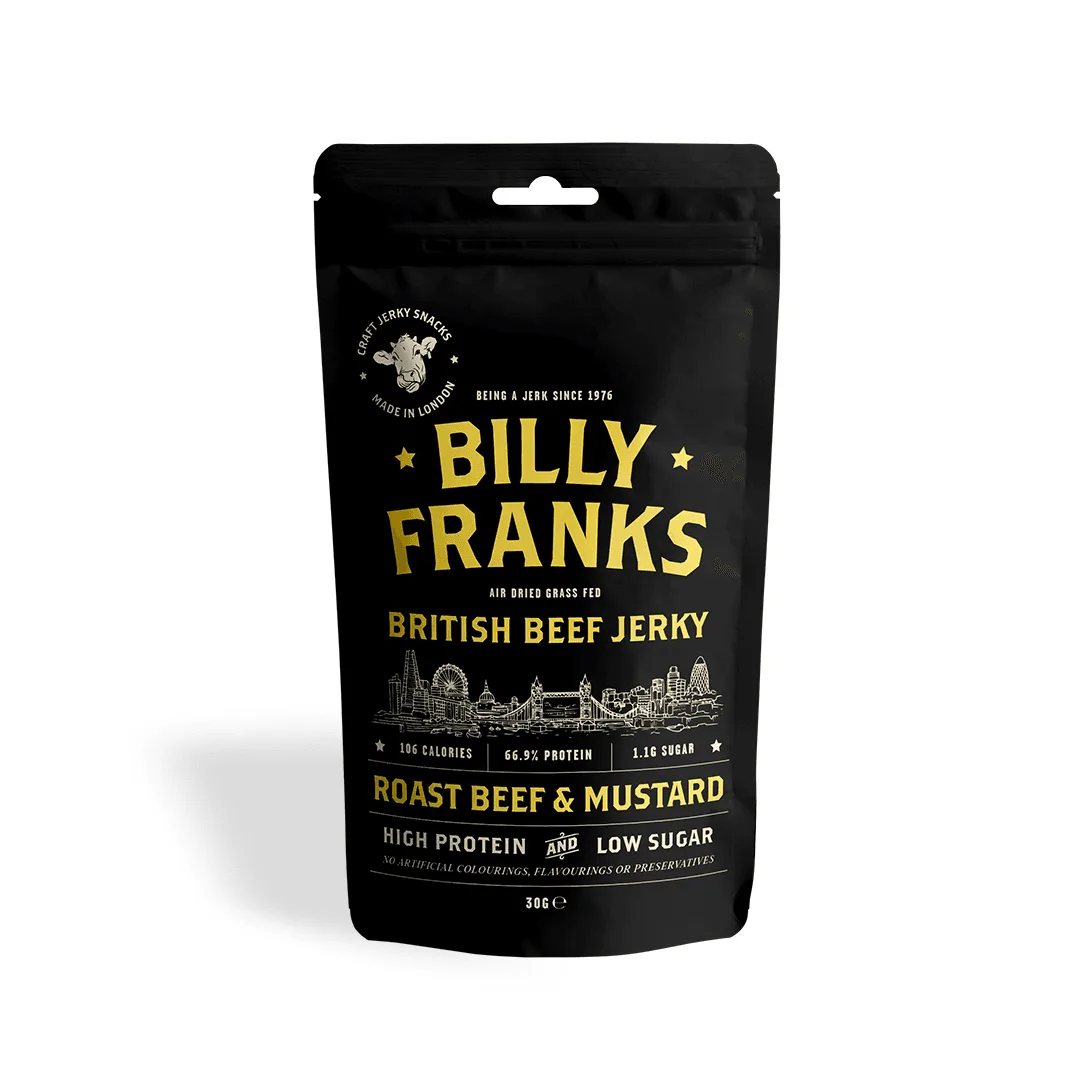
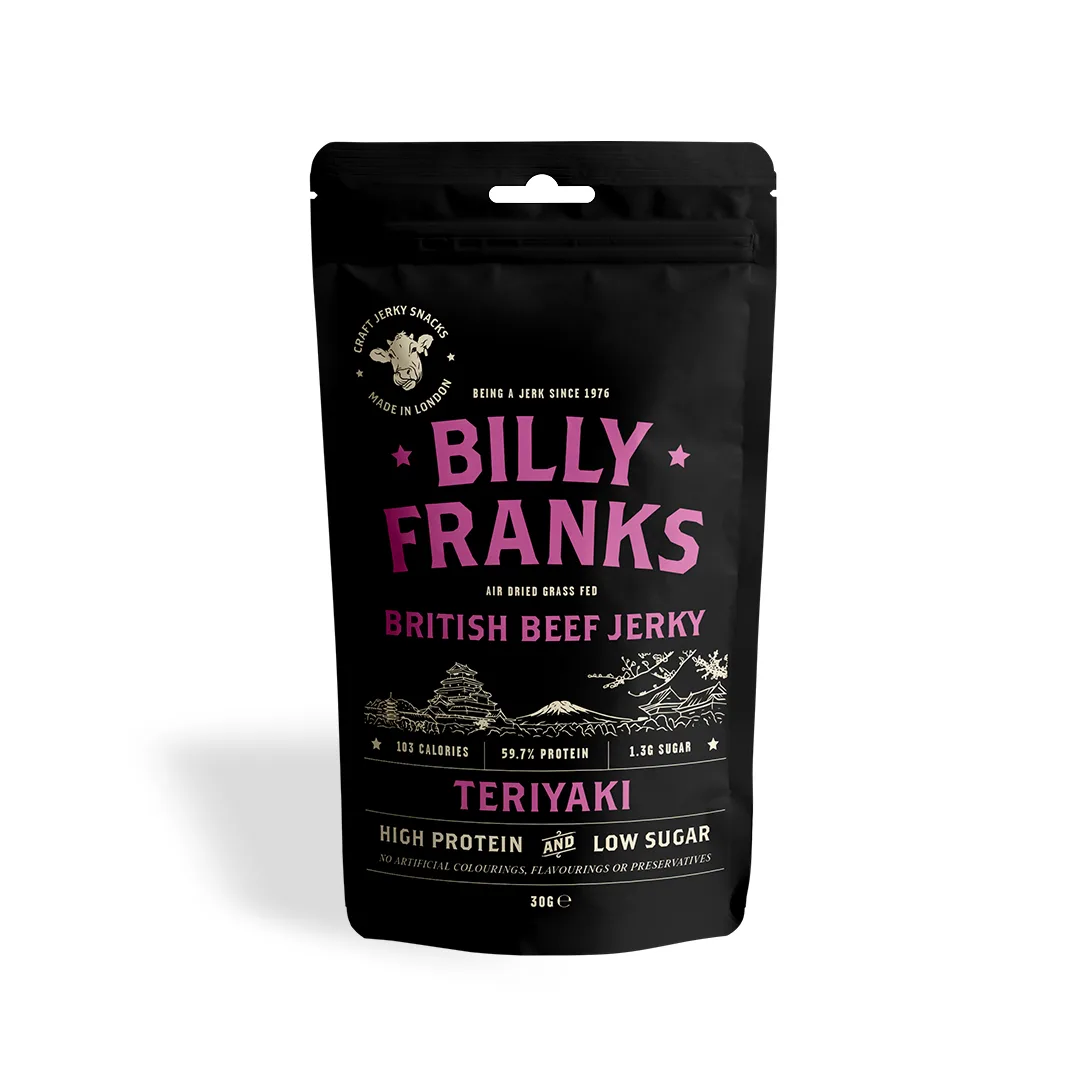
Making your own jerky at home is a fun, rewarding experience that yields delicious, healthy snacks. With the right meat, a flavorful marinade, and proper drying techniques, you'll be a jerky pro in no time. If you're short on time or want to try professionally made jerky, explore our range of products like the Teriyaki Beef Jerky (30g) or the Roast Beef & Mustard Beef Jerky (30g) for a convenient and tasty alternative. Happy snacking!