Quick answer
To make masala chai at home, simmer 1 teaspoon of loose leaf tea or 1½ teaspoons of masala powder with ¾ cup water and ¾ cup whole milk for 5–7 minutes, then strain. Use a 1:1 milk-to-water ratio for a rich, authentic cup. Loose leaf gives a brighter, more layered brew; powder blends faster and delivers a consistent spice hit every time.
Choose your base: masala powder vs loose leaf
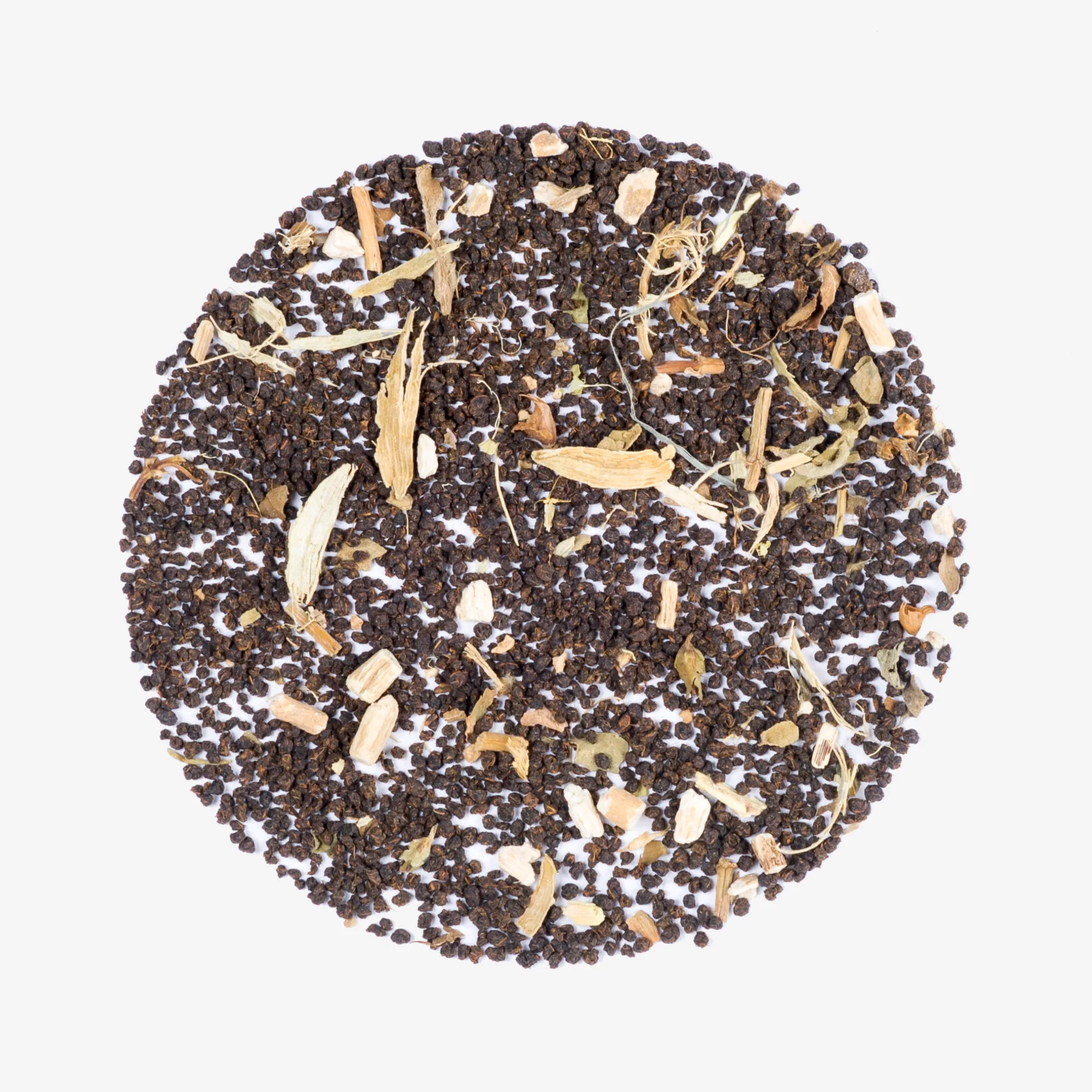
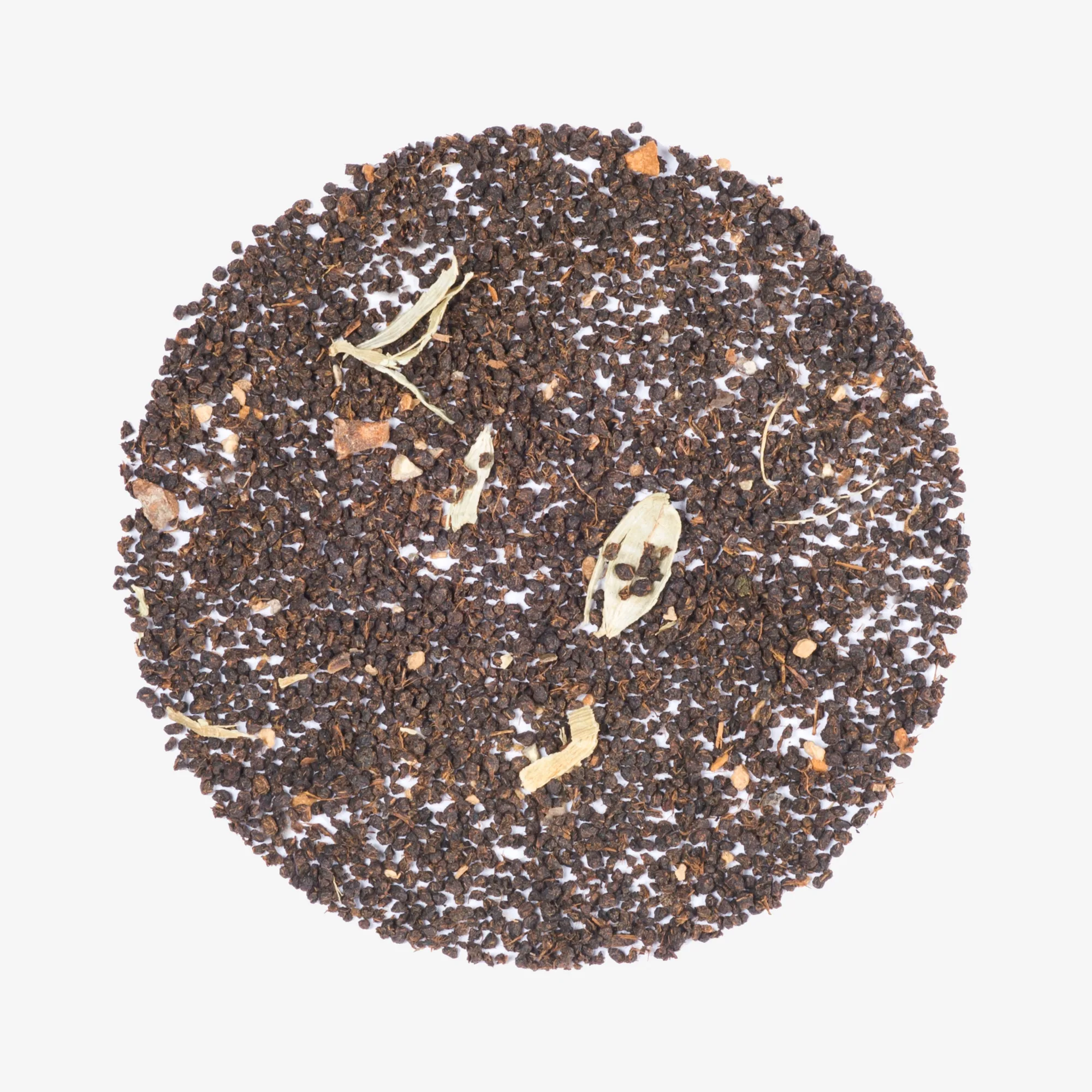
Masala powder is a pre-ground spice blend you add to plain black tea, while loose leaf masala chai comes with the spices already blended into the tea leaves. If you want control over spice intensity, start with plain Assam CTC and add your own masala powder. If you want convenience and a repeatable cup, a pre-blended loose leaf like Pure Assam Masala Chai removes the guesswork. Both methods work — the difference is how much you want to adjust each batch.
The chai ratio milk water that actually works
A 1:1 ratio of water to whole milk is the standard for authentic Indian chai at home. That means if you use ¾ cup water, use ¾ cup milk. For a lighter cup, go 2:1 water to milk. For a richer, dessert-like chai, go 1:2. Avoid skim milk — the fat carries the spice flavour and gives chai its body. If you use plant milk, choose oat or soy, and expect a slightly thinner result.
Masala chai step by step
- Step 1: Measure your tea and spices: For loose leaf masala chai, use 1 teaspoon per ¾ cup water. For plain Assam CTC plus masala powder, use 1 teaspoon tea and ¼ teaspoon masala powder. If you are using a pre-blended masala chai like Pure Assam Masala Chai, skip the extra powder — it is already included. Common mistake: adding too much masala powder. Start with ¼ teaspoon and increase next time if you want more heat.
- Step 2: Boil water first, then add tea: Bring ¾ cup water to a rolling boil in a small saucepan. Add the tea and spices, then reduce heat to medium and let it simmer for 2 minutes. This extracts the tea's colour and tannins without scorching the spices. Checkpoint: the water should be dark amber before you add milk. If it is pale, simmer 30 seconds longer.
- Step 3: Add milk and simmer gently: Pour in ¾ cup whole milk. Keep the heat at medium-low so the mixture stays at a gentle simmer — not a rolling boil. Simmer for 3–4 minutes, stirring occasionally. The chai is ready when the colour deepens to a warm tan and the foam rings the pan. Common mistake: boiling hard after adding milk. It can split the milk and make the chai grainy. Keep it gentle.
- Step 4: Strain and serve: Place a fine-mesh strainer over your cup and pour the chai through. Press lightly on the solids with a spoon to release extra liquid, but do not press hard or you will extract bitterness. Sweeten with sugar or honey while hot. Next step: if you want a stronger cup next time, increase tea by ¼ teaspoon rather than simmering longer, which can turn it bitter.
Product facts that affect your brew
- Pure assam masala chai: Pure Assam Masala Chai is an Assam CTC black tea blended with cinnamon, cardamom, clove, ginger, nutmeg, and black pepper. Because the spices are already in the leaf, you do not need to add a separate masala powder — just brew and strain. The CTC grade means it releases strength quickly, so a 5-minute simmer is enough.
- Ayurvedic CTC herbal tea: Ayurvedic CTC Herbal Tea is a loose leaf blend designed around Ayurvedic principles, with herbs that support immunity, digestion, and cardiovascular function. If you want a chai-style cup without caffeine or with a more herbal, therapeutic profile, this can replace the black tea base. Expect a different flavour — less malty, more herbaceous — so adjust your spice additions accordingly.