Quick answer
To make nut butter-76064">butter in a KitchenAid food processor, start with 2–3 cups of roasted nuts, process in short pulses, and scrape down every 30–60 seconds. Add 1–2 tablespoons of oil only if the nuts are dry, and give the motor a 5–10 minute break if the base feels hot. Most nuts turn creamy in 5–10 minutes.
Why a food processor works for nut butter
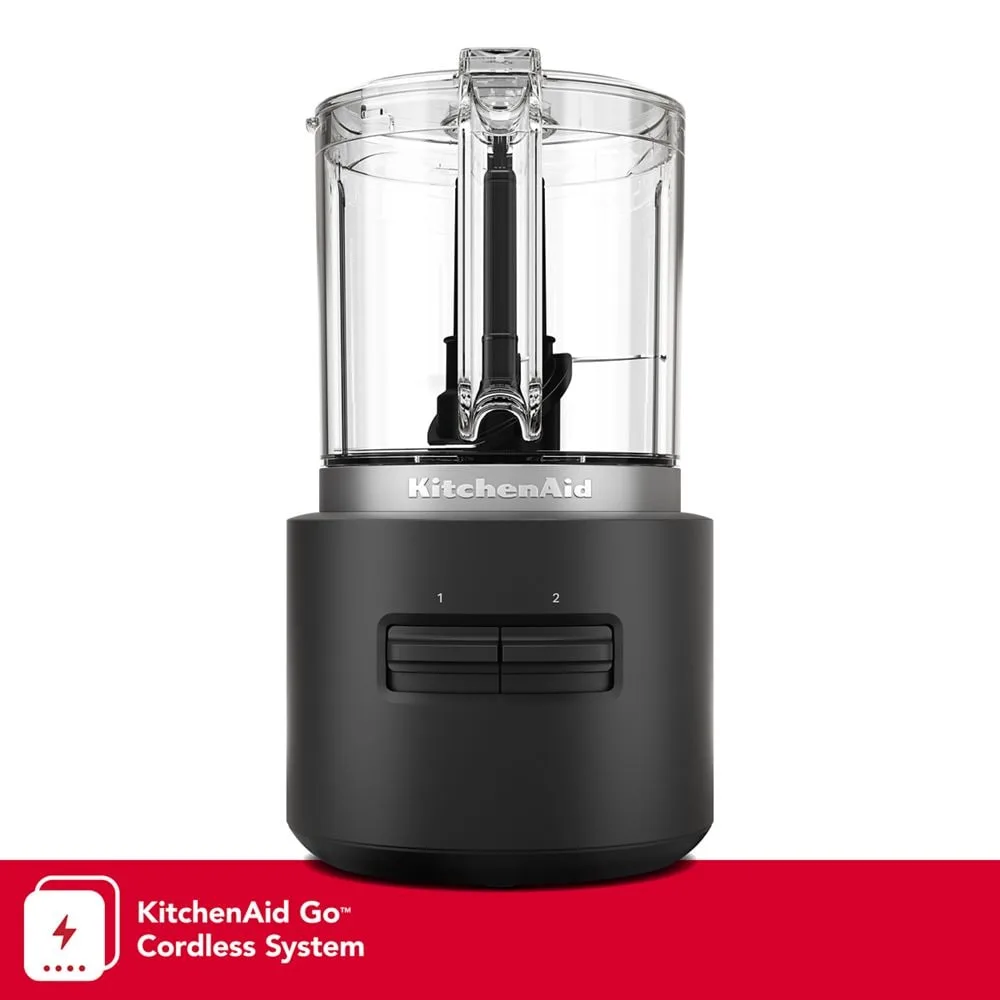
A food processor's wide bowl and S-blade create the repeated scraping and folding action that turns nuts into butter. The KitchenAid® https://kitchenaidshops.com/products/black-matte-75977https://kitchenaidshops.com/products/black-matte-75978Black Matte Food Processor (product 76327) is designed for chopping, slicing, and shredding, and its sturdy build handles the long processing time nut butter requires. The dark matte finish resists fingerprints, so it stays presentable on the counter between batches.
Unlike a high-speed blender, a food processor lets you stop and scrape easily, which is the key to an even grind. The tradeoff is that the motor can heat up during extended runs, so you need to work in intervals rather than letting it run continuously.
Choose and prep your nuts
Roasted nuts blend faster and taste richer than raw ones. If you buy raw, roast them at 350°F (175°C) for 8–12 minutes, then cool completely before processing. Warm nuts release oil that can make the butter greasy, so patience here pays off.
For almond butter, 2 cups of almonds yields about 1 cup of butter. For peanut butter, use 2 cups of roasted peanuts. You can add a pinch of salt or a teaspoon of honey after the butter forms, but avoid adding liquid early—it can seize the mixture.
Step-by-step: from nuts to butter
Follow these steps in order. Each one includes a checkpoint to help you avoid the most common mistakes.
Steps to make nut butter
- Add nuts to the bowl: Pour 2–3 cups of roasted, cooled nuts into the food processor. Do not overfill; leave at least 2 inches of headroom so the nuts can move. Checkpoint: nuts should be at room temperature, not warm.
- Pulse to break down: Pulse 10–15 times in 1-second bursts until the nuts resemble coarse sand. This prevents the blade from getting stuck. Mistake to avoid: running continuously at this stage can overheat the motor.
- Process and scrape: Switch to continuous processing for 1 minute, then stop and scrape down the sides and bottom with a spatula. Repeat this cycle. Checkpoint: scrape every 30–60 seconds; the mixture will go from crumbly to a ball to smooth.
- Add oil if needed: If the mixture stays dry after 3–4 minutes, add 1 tablespoon of neutral oil (like grapeseed or canola) and continue processing. Mistake to avoid: adding too much oil at once; add in small increments.
- Monitor motor temperature: If the base of the food processor feels hot to the touch, stop and let it cool for 5–10 minutes before continuing. Checkpoint: preventing overheating extends the life of your appliance.
- Finish and store: Process until the butter is smooth and drips off a spoon, about 5–10 minutes total. Transfer to a clean jar and store in the refrigerator for up to 2 weeks. Next step: stir in salt, honey, or cinnamon after the butter is smooth.
The KitchenAid® tool for the job
- Black Matte: The KitchenAid® Black Matte Food Processor combines a sleek, modern finish with reliable performance for chopping, slicing, and shredding. Its wide bowl and sturdy blade make it a practical choice for the long processing nut butter requires, and the matte finish resists fingerprints.