Quick Answer
Start by checking the band, not the cups: most old-bra discomfort comes from a stretched band or straps carrying too much weight. Move to the tightest hook, shorten the straps, and reset the pads and underwire. If the band still rides up or the wire pokes after those fixes, the bra is worn out and replacing it costs less than another round of adjustments.
A bra that used to feel invisible can turn scratchy, digging, or droopy long before it looks worn out. Elastic loses snap, pads crease, and straps stretch — usually in that order. None of that means the bra is finished.
Work through the fixes below in order, from least to most invasive. Each step takes a few minutes, and most people find relief in the first two. If you reach the end and it still hurts, you will know the bra has genuinely reached the end of its life.
Why Old Bras Stop Feeling Comfortable
Bra discomfort rarely appears all at once. The band elastic relaxes first, so the bra no longer anchors to your ribcage. To compensate, you tighten the straps, which pulls the band up in back and shifts pressure onto your shoulders. That is why a bra that once fit well starts to feel like it is both too loose and too tight at the same time.
Pads are the second common culprit. Removable pads crease, fold, or migrate in the wash, creating lumps that press into the chest. On wire-free styles this is usually the whole problem, and it is a two-minute fix rather than a reason to shop.
- Band elastic relaxes with wear, heat, and detergent — this is normal, not a defect.
- Straps stretched by shoulder tension make the band ride up, not down.
- Creased or bunched removable pads mimic a fit problem that does not exist.
Work Through the Fixes in This Order
Adjust the cheapest, most reversible things first. Hooks, straps, and pads can all be reset in minutes and undone if they do not help. Alterations and replacements come last, once you know the bra's structure is still sound.
Keep a mental note of what changed after each step. If tightening the band fixes the ride-up, you have your answer. If nothing changes, you have saved yourself from repeating the same adjustments on a bra that is simply worn out.
- Do one fix at a time and wear the bra for an hour before judging it.
- Never cut or sew a bra you might still return or repurpose.
- If two or more fixes fail, stop — replacement is the better value.
Seven Steps to Revive an Uncomfortable Bra
- 1. Move to the tightest hook: Fasten the bra on the last set of hooks rather than the loosest. Elastic relaxes over time, so the tightest setting restores the tension the bra had when it was new. If the band still rides up your back after this, the elastic is spent. Checkpoint: the band should sit level all the way around, not climb toward your shoulder blades.
- 2. Shorten the straps only as much as needed: Loosen the straps all the way, then tighten them one side at a time until the cups sit flat against your chest. Most people overtighten here, which is what causes shoulder grooves and a band that creeps up in back. Mistake to avoid: tightening straps to fix a loose band. Fix the band first, straps second.
- 3. Reset or remove the pads: Take the pads out, smooth every crease with your fingers, and reinsert them flat against the cup lining. If a pad is permanently creased or has lost its shape, remove both pads and wear the bra without them rather than fighting a lump all day. Checkpoint: run your palm across the cup — you should feel no ridges or folds.
- 4. Check the underwire and casing: If your bra has a wire, feel along the casing for a poking tip or a small tear near the armpit. A wire that has escaped the casing can sometimes be pushed back and the opening stitched closed, but a bent or snapped wire cannot be reshaped at home. Mistake to avoid: bending a wire to match your shape. It will not hold and can dig in worse.
- 5. Wash and air-dry to reset the elastic: Hand wash in cool water with a gentle detergent, then lay the bra flat or hang it by the band to dry. Never put it in the dryer — heat is what breaks down elastic fastest. A single gentle wash often restores snap that seemed permanently gone. Checkpoint: if the band feels springier after drying, the elastic still has life left.
- 6. Add a band extender or cushion the closure: If the band is too tight rather than too loose, a hook-and-eye extender adds an inch or two of breathing room without altering the bra. A small fabric pad under the closure can also stop hooks from rubbing against your spine. Mistake to avoid: using an extender on a band that already rides up — that makes the fit looser, not better.
- 7. Retire it to light-duty wear: If the bra is comfortable for a few hours but not a full day, move it to low-demand rotation: short errands, lounging, or as a backup in your bag. Reserve your best-fitting bras for long days and workouts. Checkpoint: if it hurts within the first hour, no amount of rotation will fix it.
What a Fresh Bra Does Differently
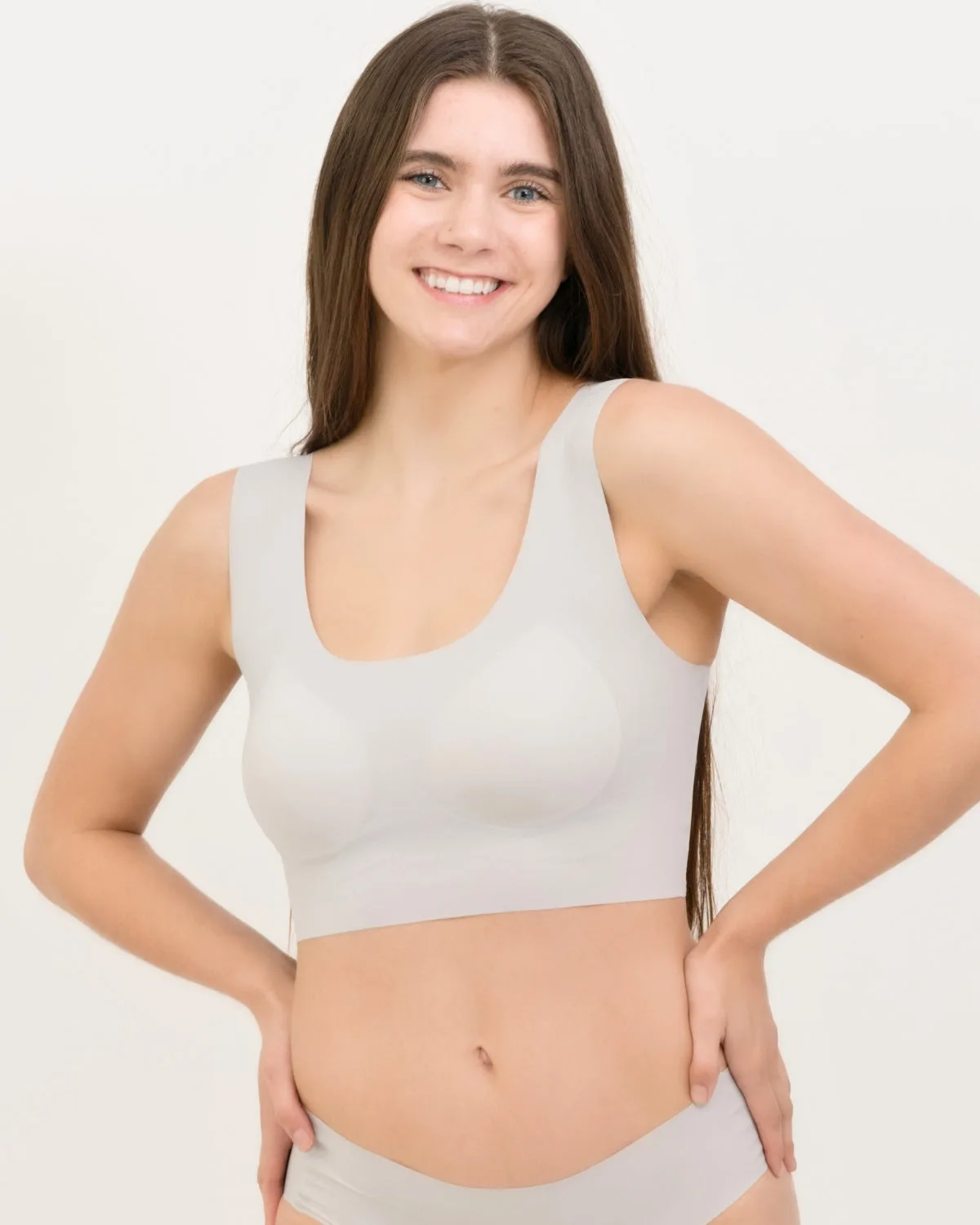
- Coobie Invisible Scoop Wireless Bra 2.0 801N: Upgraded stretch fabric with wider straps, a supportive band, and larger removable pads with pockets for easy breast form placement. If your old bra's pads keep folding or shifting, this design keeps them seated in a pocket instead of floating loose — one of the most common comfort complaints in aging bras.
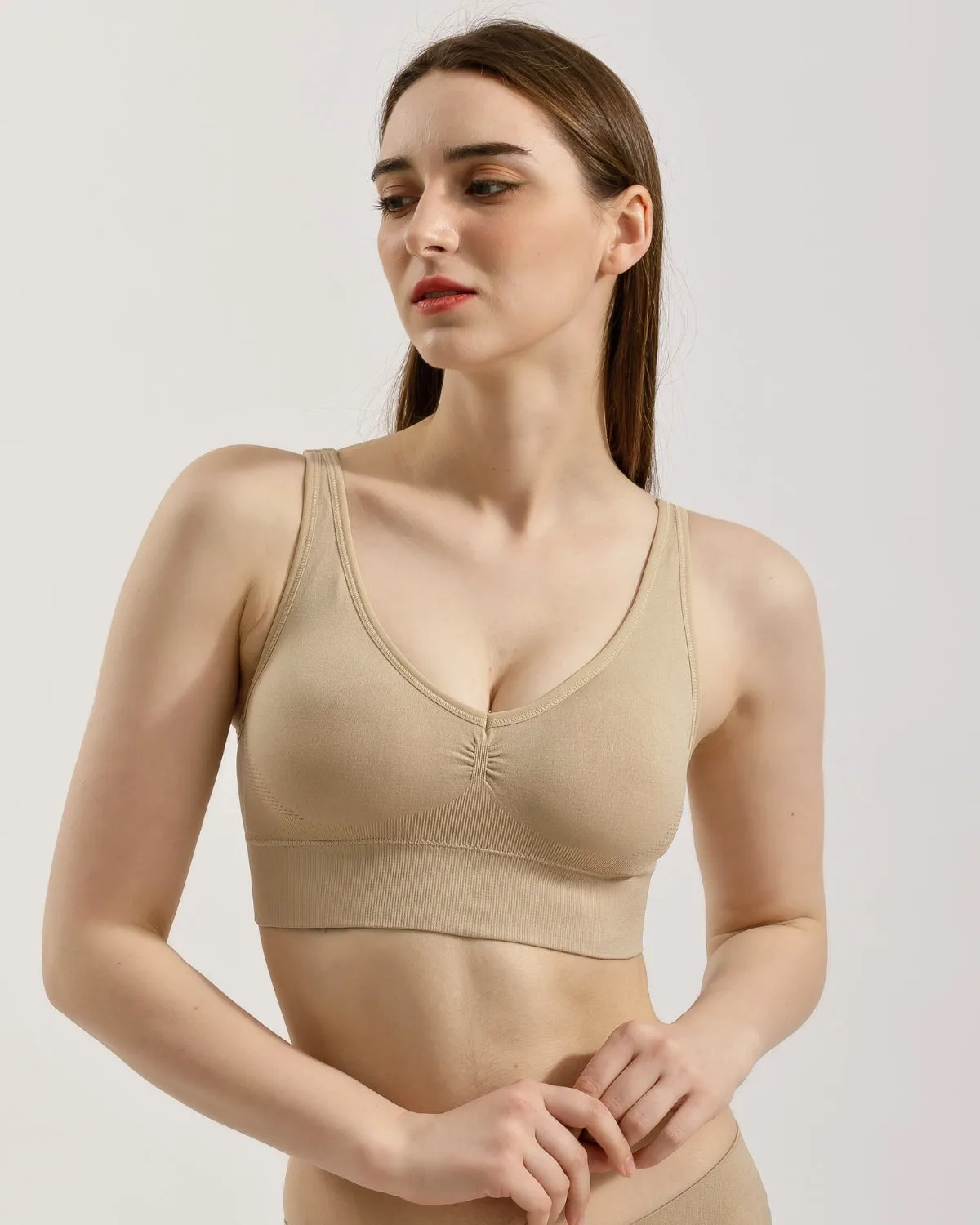
- Coobie Spaghetti Strap Wireless Bra 2.0 802N: Softer, stretchier fabric with removable, adjustable straps and a wider band for a smooth fit that stays in place. A wider band spreads pressure across the ribcage, which is exactly the area where an old, relaxed band starts to dig or ride up.
- Coobie Fusion Yoga Bra 9079: Seamless, wire-free design with moisture-wicking fabric, adjustable straps, and removable cups for medium-impact activities. If your discomfort comes from an underwire poking through worn casing, a wire-free style removes that failure point entirely.
Most old-bra discomfort comes down to a relaxed band, over-tightened straps, or a creased pad — all fixable in an afternoon. Work the steps in order, keep what helps, and let the rest go. When two or three fixes fail, replacing the bra is cheaper than living with the pinch.