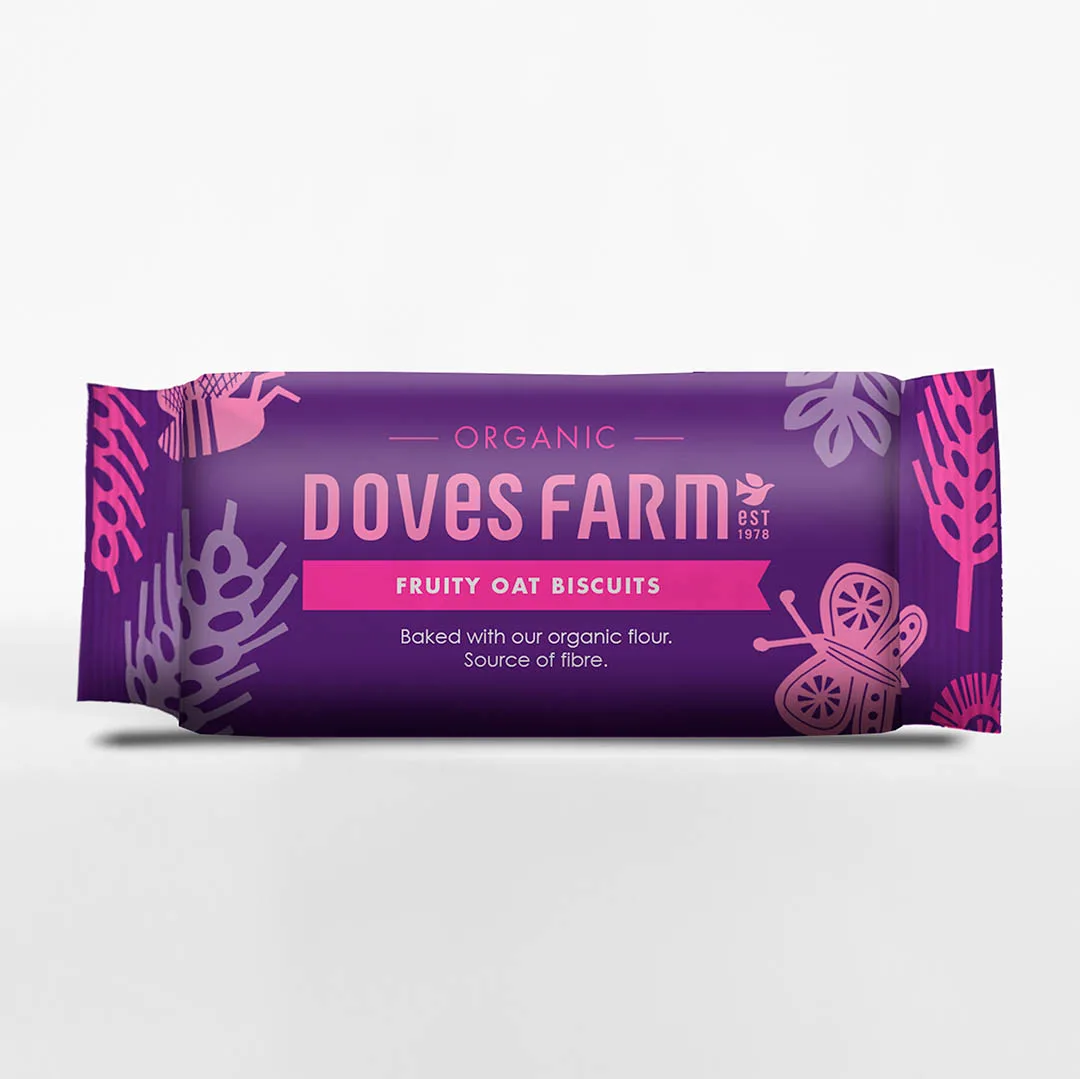
There’s nothing quite like the aroma of a freshly baked pizza straight from your own oven. But the secret to a truly exceptional pizza isn’t just the toppings—it’s the dough. And the foundation of great dough is the flour you choose. If you’re looking to elevate your homemade pizza game, using organic flour is a fantastic place to start. Not only is it better for the environment, but organic flour also brings a depth of flavor and texture that’s hard to beat.
In this guide, we’ll walk you through how to make organic pizza dough using organic pizza & pasta flour. We’ll also explore the differences between pizza flour and bread flour, share tips on rising times, and give you professional techniques to achieve that perfect crispy-yet-chewy crust. Whether you’re a seasoned baker or a complete beginner, this step-by-step guide will help you create pizzeria-quality pizza right at home.
Why Organic Pizza & Pasta Flour is the Best Choice for Your Dough
When it comes to making pizza dough, the type of flour you use can make or break your crust. While all-purpose flour or bread flour can work in a pinch, they don’t always deliver the ideal texture. Organic pizza & pasta flour is specifically milled to have a moderate protein content—typically around 11-12%—which strikes the perfect balance between structure and tenderness. This protein level helps develop just enough gluten to give your crust that desirable chew without making it tough.
Organic pizza & pasta flour also has a finer grind compared to bread flour, which means it absorbs water more evenly and produces a smoother, more extensible dough. This makes it easier to stretch and shape without tearing. Plus, because it’s organic, you’re avoiding synthetic pesticides and fertilizers, which can subtly affect the flavor of your flour. The result is a cleaner, more authentic wheat taste that shines through in every bite.
- Look for flour labeled 'pizza flour' or '00' for the best results.
- Organic flour often has a slightly higher moisture content, so adjust your water accordingly.
- If you don’t have pizza flour, bread flour can be used, but you may need to adjust the hydration.
Pizza Flour vs Bread Flour: What’s the Difference?
Many home bakers wonder whether they can simply use bread flour for pizza dough. While both flours are high in protein, they are not identical. Bread flour typically has a protein content of around 12-14%, which is higher than pizza flour. This extra protein creates more gluten, resulting in a chewier, more bread-like crust. That can be great for artisan loaves, but for pizza, you want a crust that’s crisp on the outside and tender on the inside—not tough.
Pizza flour, on the other hand, is milled to have a specific gluten strength that allows the dough to stretch thin without tearing. It also absorbs water differently, giving you a dough that’s easier to handle and less likely to shrink back when you try to shape it. Additionally, pizza flour often has a lower ash content, which means it produces a lighter, more delicate crumb. If you’re serious about making authentic Italian-style pizza, investing in a good organic pizza flour is worth it.
- Bread flour will give you a chewier, more bread-like crust.
- Pizza flour is milled for extensibility, making it easier to stretch.
- For a Neapolitan-style pizza, use pizza flour; for a thicker, chewier crust, bread flour works.
Step-by-Step Guide to Making Organic Pizza Dough
Now let’s get to the fun part: making the dough! Here’s a simple yet foolproof recipe using organic pizza & pasta flour. You’ll need 500g of organic pizza & pasta flour, 325ml of lukewarm water, 10g of sea salt, 2g of active dry yeast, and a drizzle of olive oil. In a large mixing bowl, combine the flour and salt. In a separate small bowl, dissolve the yeast in the lukewarm water and let it sit for 5 minutes until frothy.
Make a well in the center of the flour and pour in the yeast mixture. Use a fork to bring the dough together, then turn it out onto a lightly floured surface. Knead for about 10 minutes until the dough is smooth and elastic. You can also use a stand mixer with a dough hook for 7-8 minutes. Once the dough is ready, place it in a lightly oiled bowl, cover with a damp cloth, and let it rise in a warm spot for at least 1-2 hours, or until doubled in size.
- Use lukewarm water (around 25-30°C) to activate the yeast without killing it.
- Kneading develops gluten, so don’t rush this step—it’s key to a good crust.
- If the dough is too sticky, add a little extra flour; if too dry, add a few drops of water.
Mastering the Rising Time: Tips for a Light and Airy Crust
Rising time is crucial for flavor and texture. A slow, cold ferment in the refrigerator (24-72 hours) will develop more complex flavors and a better texture. If you’re short on time, a quick rise at room temperature for 1-2 hours will still yield a decent crust. The key is to let the dough double in size, which indicates that the yeast has done its job.
After the first rise, gently punch down the dough to release the air, then divide it into portions and shape into balls. Let them rest for another 30 minutes before stretching. This resting period allows the gluten to relax, making the dough easier to shape without springing back. If you’re planning to use the dough the next day, you can refrigerate it after the first rise and then bring it to room temperature before shaping.
- Cold fermentation in the fridge enhances flavor—try it if you have time.
- Always let the dough rest after shaping to prevent shrinkage.
- For a quick rise, place the dough in a warm oven (turned off) with a pan of hot water.
Shaping and Baking Your Organic Pizza
Once your dough has rested, it’s time to shape it. On a lightly floured surface, press the dough ball into a flat disc, then gently stretch it from the center outward, using your fingertips to push the air to the edges. Avoid using a rolling pin, as it can deflate the dough and make it tough. If you’re making a Neapolitan-style pizza, aim for a thin center with a slightly thicker rim.
Preheat your oven to its highest setting—ideally 250°C (480°F) or higher—and place a pizza stone or baking steel inside to heat up. If you don’t have one, a heavy baking sheet works. Transfer your shaped dough to a peel dusted with semolina or flour, add your toppings, and slide it onto the hot stone. Bake for 7-10 minutes until the crust is golden and blistered. The high heat is essential for a crispy bottom and airy, leopard-spotted crust.
- Use a pizza stone or steel for the best results—it mimics a wood-fired oven.
- Don’t overload with toppings; less is more for a crisp crust.
- If you don’t have a peel, use parchment paper to slide the pizza onto the stone.
Enhance Your Pizza Experience with Organic Extras
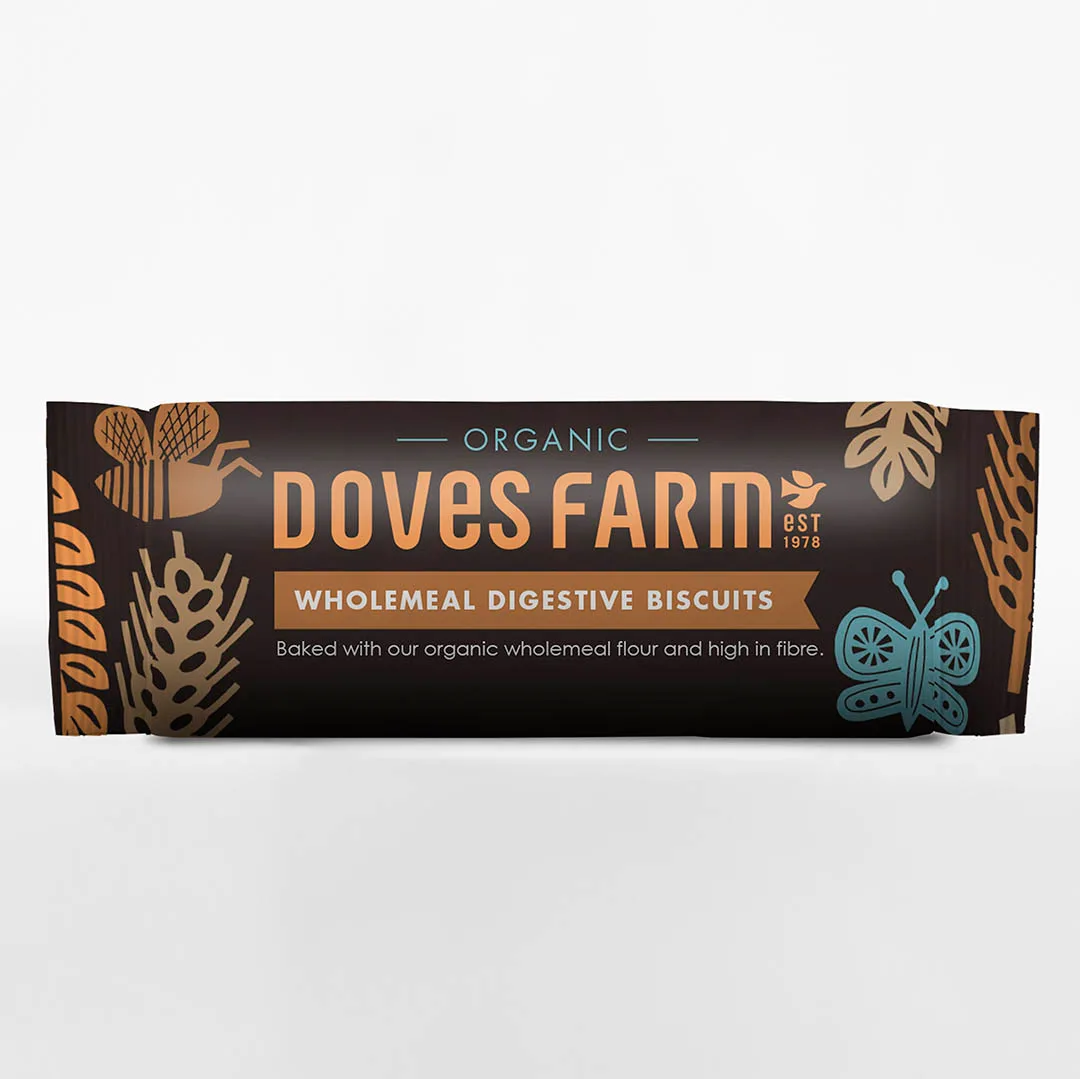
While the dough is the star, the toppings and accompaniments matter too. Consider pairing your homemade pizza with a side of organic wholemeal digestive biscuits for a sweet contrast—they’re perfect for dipping in olive oil or enjoying after your meal. If you’re gluten-sensitive or just want to experiment, you can also try making a gluten-free version using organic brown rice flour, which has a nutty flavor that works surprisingly well in flatbread-style pizzas.
For those who love to bake in bulk, using organic strong white bread flour for your pizza dough is another excellent option. It’s slightly higher in protein than pizza flour, giving you a chewier crust that some people prefer. Experiment with different flours to find your perfect match. And don’t forget to check out the range of organic flours available at Doves Farm—there’s something for every baker.
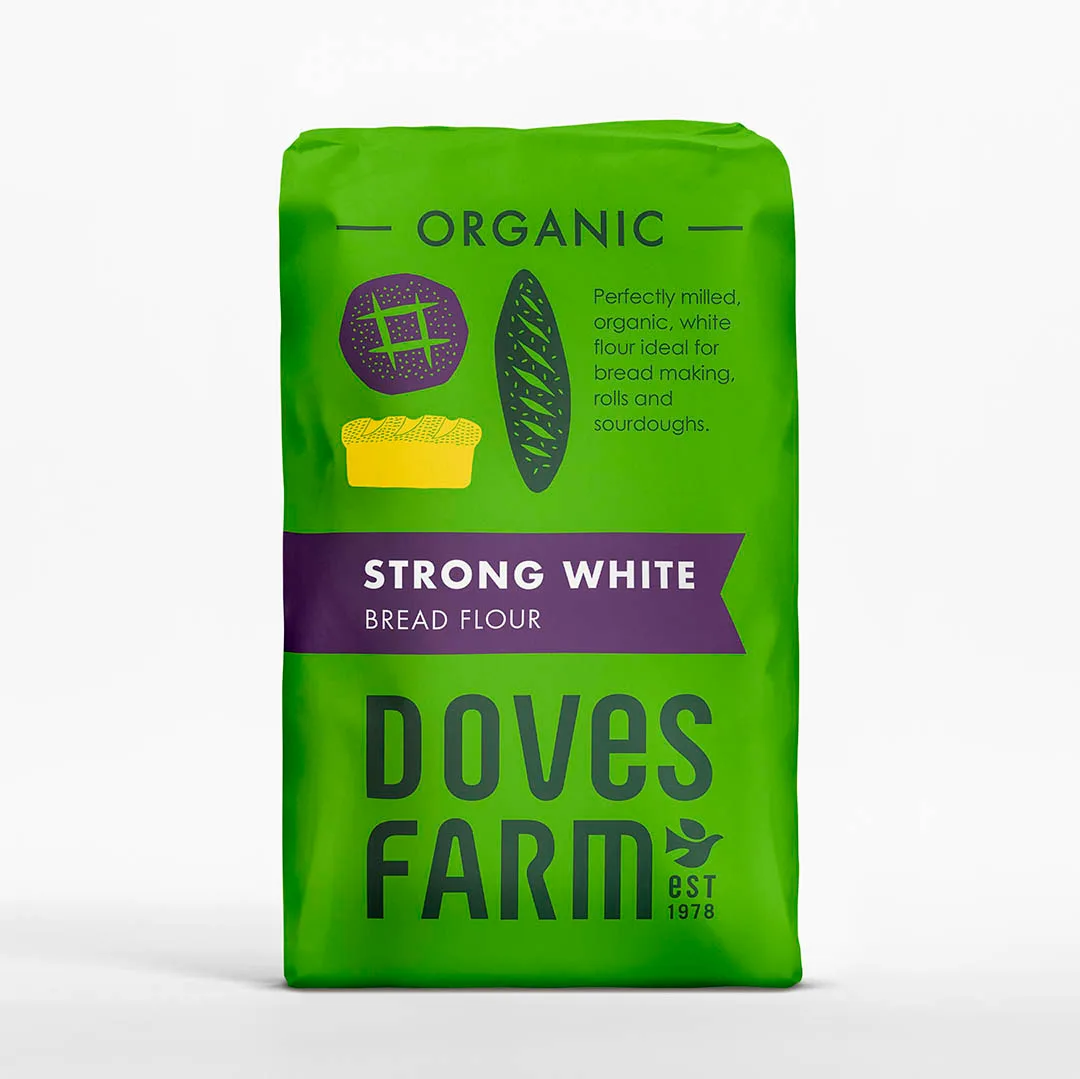
organic strong white bread flour
- Try adding herbs like oregano or basil to the dough for extra flavor.
- Drizzle a little olive oil on the crust before baking for a golden finish.
- Serve with a simple salad to balance the richness of the pizza.
Making organic pizza dough at home is a rewarding experience that yields delicious results. By choosing the right flour—like Doves Farm Organic Pizza & Pasta Flour—you can achieve a professional-quality crust that’s crispy, chewy, and full of flavor. Follow the steps above, experiment with rising times, and don’t be afraid to try different toppings. Your taste buds will thank you! Ready to start? Explore our range of organic flours to find your perfect pizza partner.