Quick Answer
To make a soothing cough and cold herbal tea at home, combine warm water with dried herbs like tulsi, ginger, and licorice, steep for 5-7 minutes, and sip slowly. Use a ready-made blend like Tulsi Adrak Chai for convenience, or create your own from dried flowers and herbs.
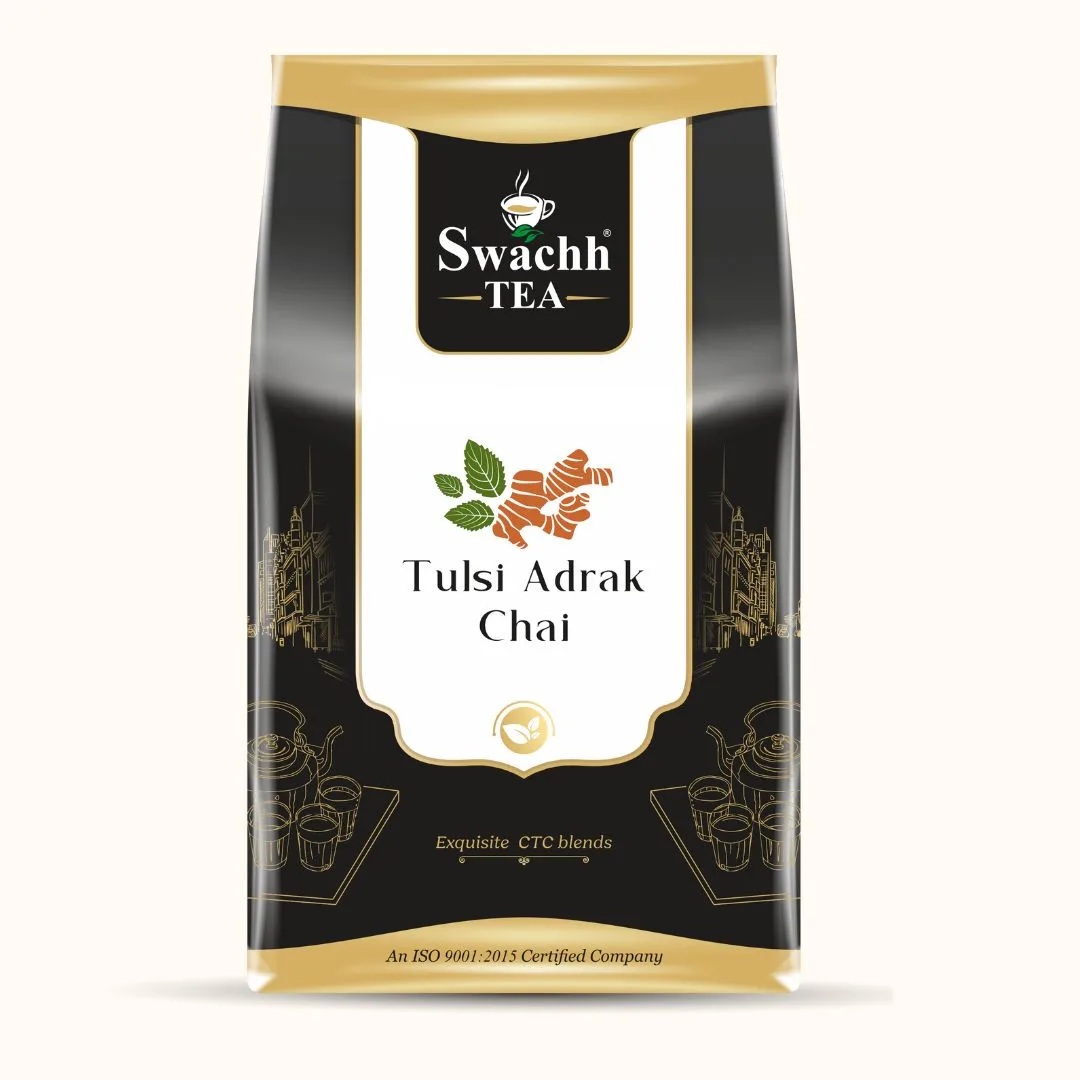
Tulsi Adrak Chai
When a cold hits, a warm cup of herbal tea can be a simple comfort. The right combination of herbs can help ease a scratchy throat, clear congestion, and warm you from the inside. You don't need a pharmacy shelf of products—just a few dried herbs and hot water.
This guide walks you through a basic homemade tea for cold relief, with step-by-step instructions and common mistakes to avoid. You'll also learn which store-bought blends can save time without sacrificing quality.
Why Herbal Tea Helps with Cough and Cold
Herbal teas are a natural cold remedy tea because they deliver warm fluids and plant compounds that can soothe irritated tissues. Warm liquid helps loosen mucus, while herbs like tulsi (holy basil) are traditionally used for their adaptogenic and immune-supporting properties. Ginger adds a gentle warmth that many find comforting when they're feeling under the weather.
Not all herbs are created equal. Some, like peppermint, are known for their cooling sensation, while others, like licorice root, are prized for their soothing effect on the throat. When choosing a throat care tea recipe, look for ingredients that are naturally caffeine-free and gentle on the stomach.
- Use dried herbs rather than fresh for a longer shelf life and consistent strength.
- Avoid adding milk to herbal teas—it can coat the throat and reduce the effect of the herbs.
Choosing Your Base: Loose Herbs vs. Pre-Made Blends
You can start from scratch with individual dried herbs, or you can use a pre-made blend. Loose herbs give you full control over flavor and strength, but they require more measuring and steeping time. Pre-made blends, like Tulsi Adrak Chai, combine multiple herbs in the right proportions, so you can just scoop and steep.
If you're new to herbal tea, a blend is often easier. Tulsi Adrak Chai uses a triple-tulsi blend with dry ginger, offering a deeply aromatic and health-forward cup. It's designed for wellness cafes, but it works just as well in your home kitchen. For a more targeted option, a herbal tea specifically formulated for skin care or joint relief can also be part of your wellness routine, though they're not directly for colds.
- Check the ingredient list for herbs you recognize and that are safe for you.
- If you have allergies, test a small amount first.
Step-by-Step: Brew Your Herbal Tea
- Boil fresh water: Use filtered water and bring it to a rolling boil. Then let it cool for about 30 seconds so it's just below boiling—this prevents scalding the herbs and releasing bitter flavors. Checkpoint: Water should be steaming, not bubbling vigorously.
- Measure your herbs: Use about 1 teaspoon of dried herbs per 8-ounce cup. If using a pre-made blend like Tulsi Adrak Chai, follow the package instructions—usually 1-2 teaspoons per cup. Mistake to avoid: Overcrowding the cup with too many herbs makes the tea overly strong and bitter.
- Steep, don't boil: Pour the hot water over the herbs and cover the cup. Steep for 5-7 minutes. Covering keeps the volatile oils in the cup, which carry much of the aroma and soothing properties. Checkpoint: Set a timer—steeping too long can make the tea taste flat.
- Strain and sip slowly: Strain the tea into a mug. Sip slowly while it's warm, but not scalding. You can add a little honey or lemon to taste, but avoid milk. Mistake to avoid: Adding milk can reduce the herbal benefits and coat your throat.
Products That Can Help You Brew Better
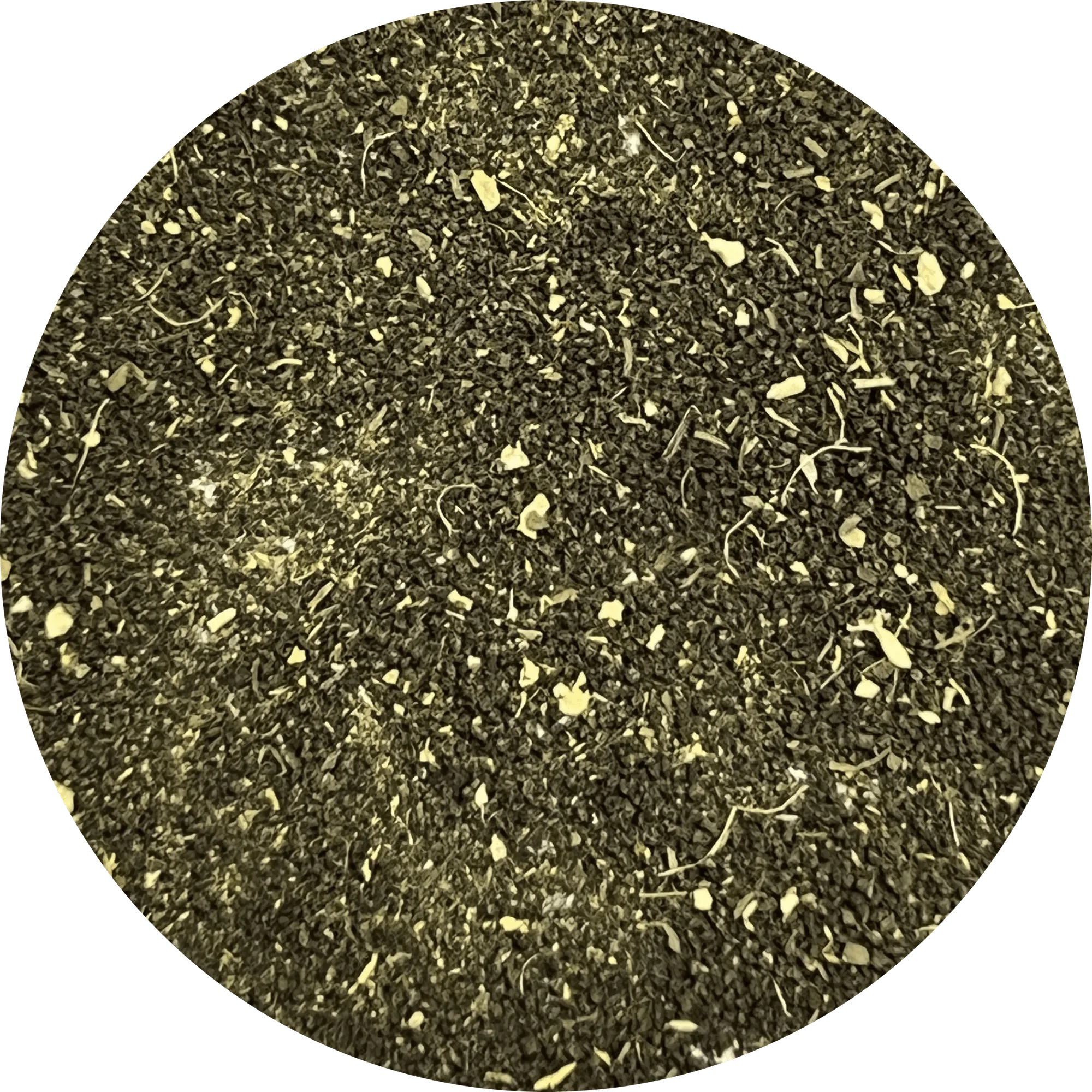
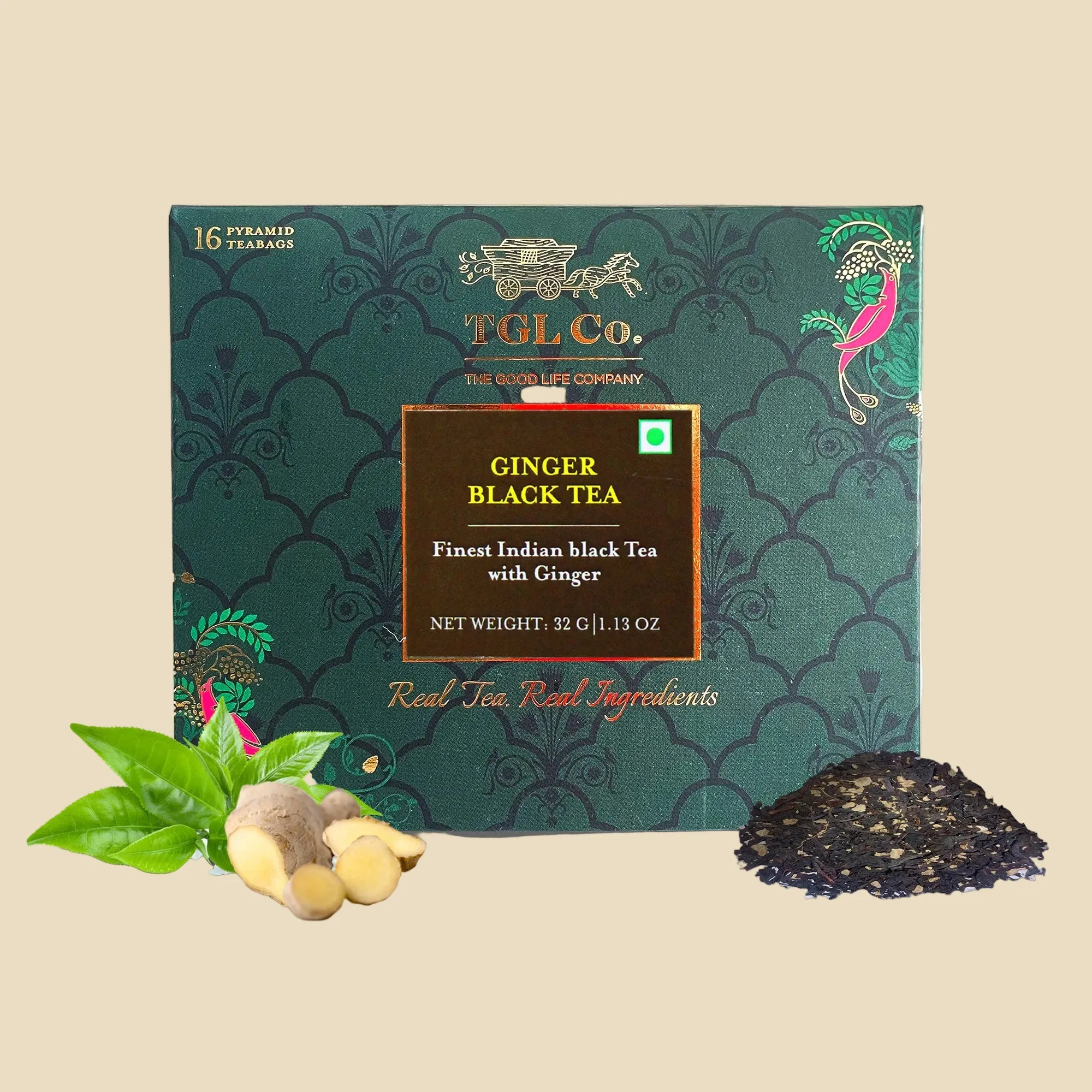
- Tulsi Adrak Chai Tea Café Blend: Tulsi Adrak Chai uses a rare triple-tulsi blend — Rama, Shyama and Vana — combined with dry ginger, creating a deeply aromatic and health-forward chai. This blend gives you a ready-made base for a cough and cold tea, with the benefits of tulsi and ginger without measuring multiple herbs.
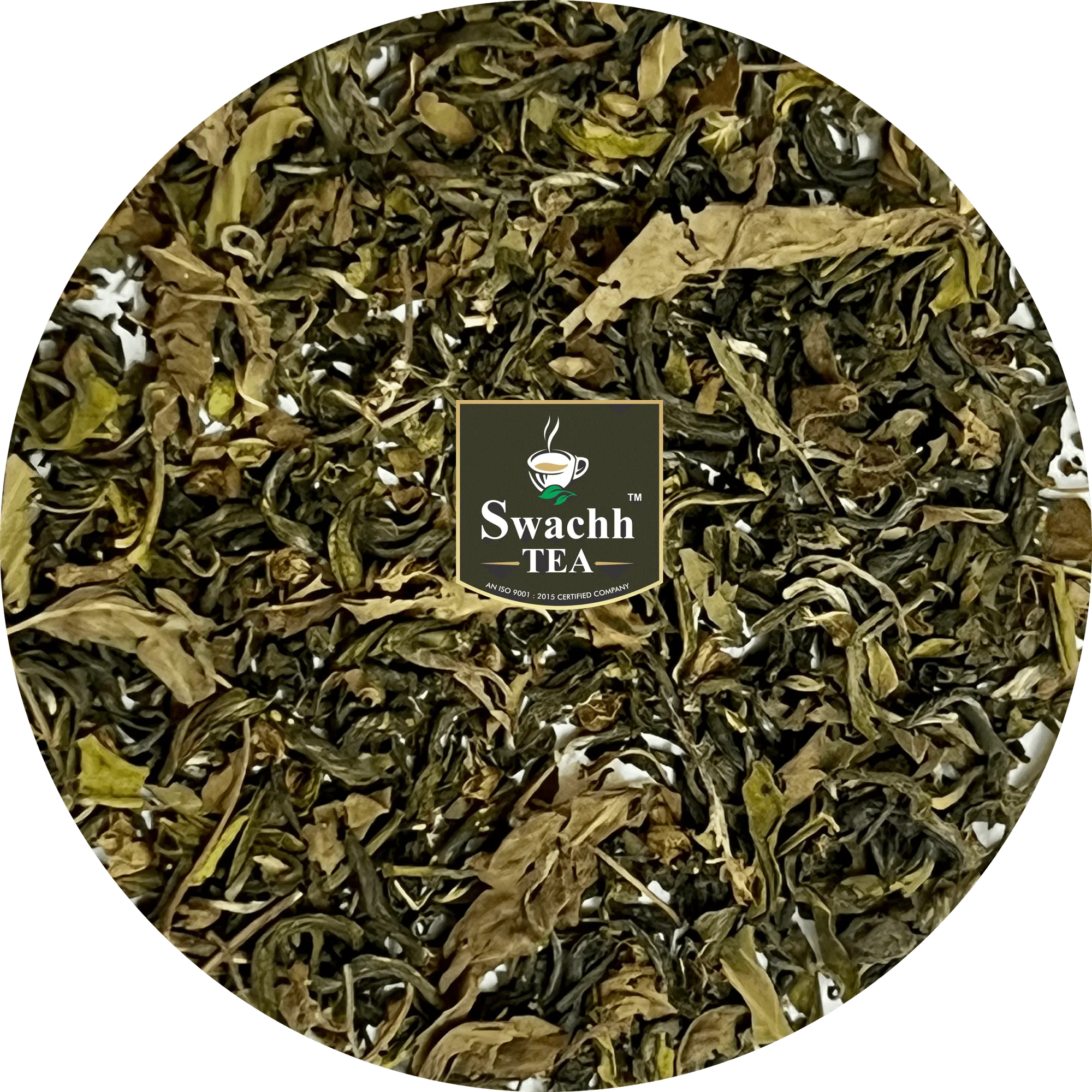
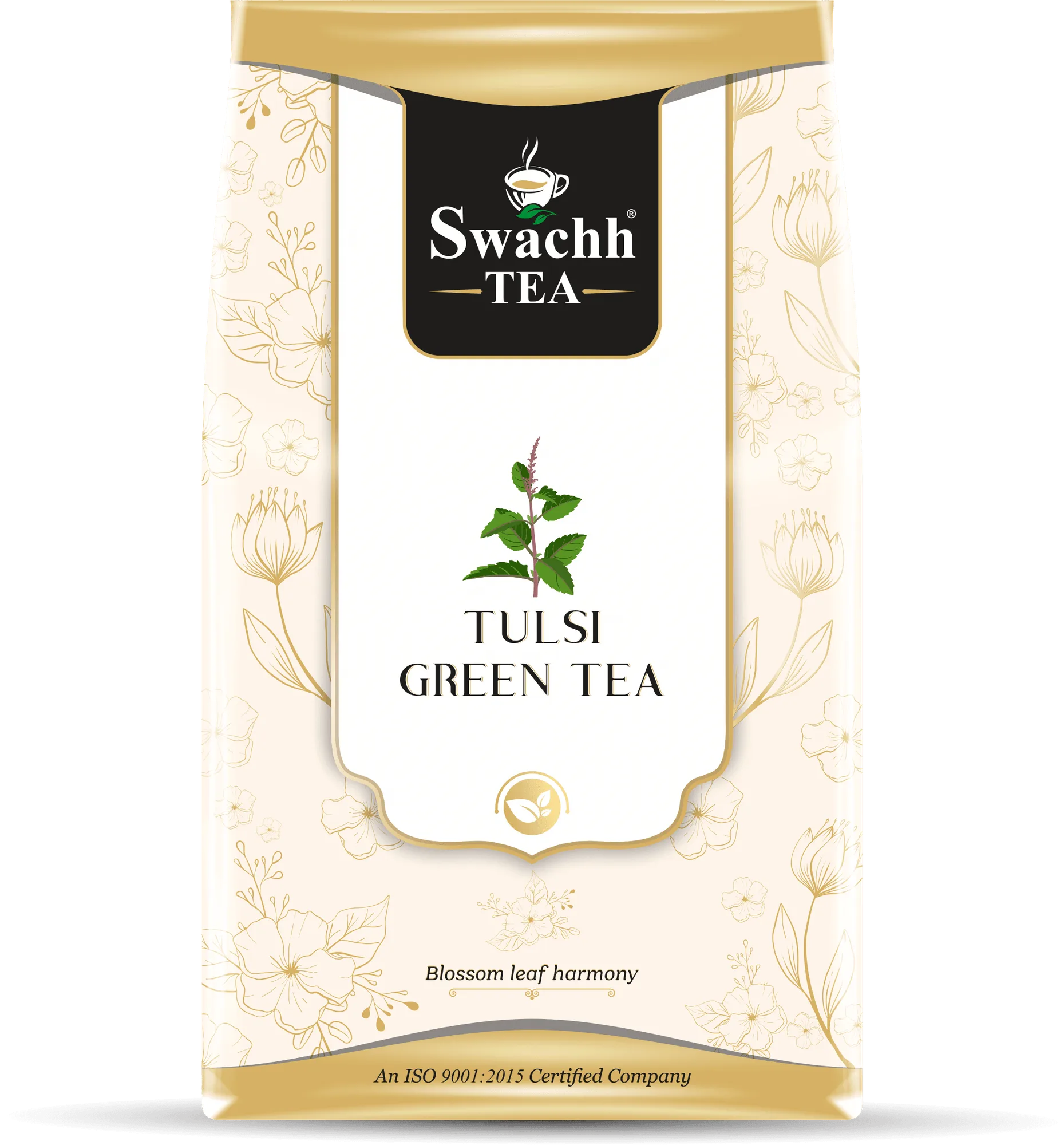
- https://swachhteayc.com/products/tulsi-green-tea-6bb672030e98d2763d91f038-780986Tulsi Green Tea: Tulsi Green Tea combines the antioxidant power of green tea with the Ayurvedic benefits of holy basil. If you prefer a slight caffeine lift, this offers a milder alternative to black tea while still supporting your wellness routine during a cold.
With a few simple steps, you can brew a soothing herbal tea at home that helps you feel more comfortable during a cold. Whether you use loose herbs or a convenient blend like Tulsi Adrak Chai, the key is to steep gently and sip slowly. Stay warm and take care.