Turkish coffee is more than just a drink—it's a centuries-old ritual steeped in tradition, hospitality, and rich coffee culture. Unlike other brewing methods, Turkish coffee uses an unfiltered, finely ground coffee that is simmered slowly in a special pot called a cezve (or ibrik), resulting in a thick, aromatic, and intensely flavorful cup. Making it at home might seem intimidating, but with the right technique and a few key tools, you can recreate this authentic experience in your own kitchen.
In this guide, we'll walk you through the traditional Turkish coffee recipe, from selecting the right beans to mastering the brewing process. We'll also share tips on how to serve it properly and what equipment you need to get started. Whether you're a seasoned coffee lover or new to the world of traditional coffee, this article will help you brew a cup that honors the rich heritage of Turkish coffee culture.
What You Need: Essential Equipment and Ingredients
To make authentic Turkish coffee at home, you'll need a few specific items. The most important is a cezve—a small, long-handled pot typically made of copper or brass. If you don't have one, a small saucepan can work, but a proper cezve ensures even heating and the right pour. You'll also need a heat source (stovetop or electric burner), a spoon for stirring, and small demitasse cups for serving.
The coffee itself must be ground to an ultra-fine powder—finer than espresso. Look for pre-ground Turkish coffee or grind your own using a high-quality burr grinder. For the best results, use fresh, high-quality beans. To elevate your setup, consider using the Fellow Atmos Canister to keep your coffee beans fresh and aromatic, ensuring every cup is as flavorful as the first.
- Use a cezve (ibrik) for authentic results
- Grind coffee to a fine powder (like confectioners' sugar)
- Use cold, filtered water for the best flavor
- Optional: add cardamom or other spices for a traditional twist
Step-by-Step Turkish Coffee Recipe
Start by measuring one heaping teaspoon of finely ground Turkish coffee per demitasse cup (about 6-8 grams) and one cup of cold water per serving. Add sugar if desired—traditional Turkish coffee is served unsweetened (sade), with a little sugar (az şekerli), medium (orta), or sweet (şekerli). Combine the coffee, water, and sugar in the cezve, stirring gently until the coffee is fully dissolved.
Place the cezve over low heat and watch carefully. As the coffee heats, a foam will begin to form on the surface. Do not stir at this point. Just before it boils, remove the cezve from the heat and let the foam settle. Return it to the heat and repeat this process two to three times, allowing the foam to rise without boiling over. This technique is key to achieving the thick, creamy foam that defines Turkish coffee.
- Use 1 heaping tsp of coffee per 3 oz water
- Heat slowly and never let it boil vigorously
- Allow foam to rise and settle 2-3 times
- Pour carefully to preserve the foam
Serving and Enjoying Turkish Coffee
Once the coffee is ready, pour it slowly into demitasse cups, allowing the foam to settle on top. Do not stir the coffee after pouring. Let it sit for a minute so the grounds settle at the bottom of the cup. Turkish coffee is meant to be sipped slowly, and you should avoid drinking the sludge at the bottom. It's traditionally served with a glass of water to cleanse the palate and sometimes with a piece of Turkish delight.
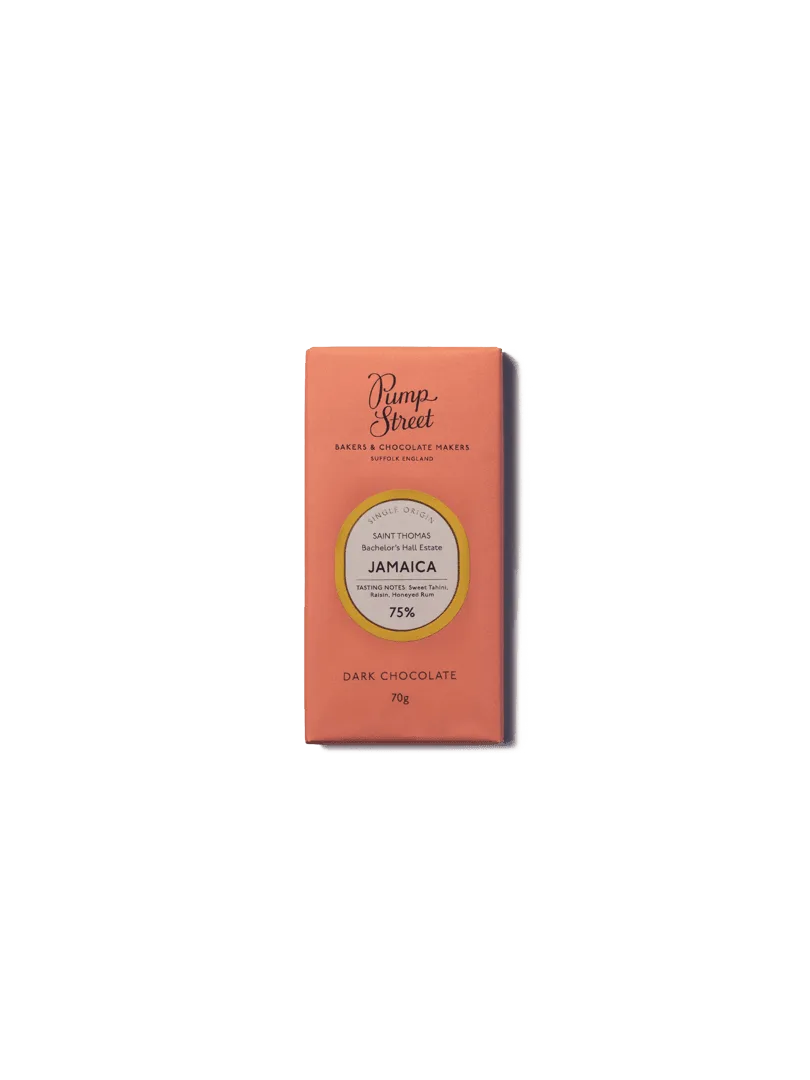
The experience of Turkish coffee is as much about the ritual as the taste. It's often shared with friends or family, and the grounds left in the cup can even be used for fortune-telling (tasseography). To complete your coffee ritual, consider pairing your brew with a premium chocolate like Pump Street Madagascar 58% milk chocolate, which complements the bold, earthy notes of Turkish coffee beautifully.
- Serve with a glass of water to refresh the palate
- Pair with Turkish delight or dark chocolate
- Let the cup sit before sipping to allow grounds to settle
- Enjoy the ritual—it's about connection and tradition
Tips for Perfect Turkish Coffee Every Time
Consistency is key when making Turkish coffee. Use the same coffee-to-water ratio each time, and always start with cold water to ensure even extraction. The grind must be ultra-fine—if it's too coarse, you'll end up with a gritty, weak cup. Invest in a good grinder or buy pre-ground Turkish coffee from a trusted source.
Temperature control is also critical. Too high heat will scorch the coffee and ruin the flavor. Always use low heat and watch for the foam to rise. If you're new to this method, practice a few times to get the feel for the timing. For the most precise brewing, you can use a scale like the Acaia Pearl Coffee Scales to measure your coffee and water exactly, ensuring a consistent and delicious cup every time.
- Always use cold, filtered water
- Grind coffee fresh if possible
- Heat slowly and never rush
- Practice the foam-rising technique
Making Turkish coffee at home is a rewarding experience that connects you to a rich global coffee culture. With the right equipment, fresh ingredients, and a little patience, you can brew a cup that's both authentic and delicious. Start your journey today by exploring our selection of premium coffee equipment and accessories, and bring the tradition of Turkish coffee into your home.