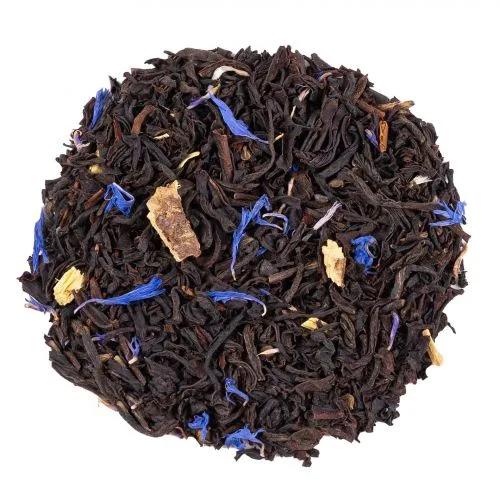
There’s something deeply satisfying about sipping a cup of tea you crafted yourself. Whether you’re looking to recreate a favorite cafe blend or invent something entirely new, making your own tea blends at home opens up a world of flavor possibilities. You control the ingredients, the strength, and the aroma—no additives, no surprises, just pure, personalized tea.
In this guide, we’ll walk you through the basics of tea mixing, from choosing a base tea to adding complementary herbs, spices, and flowers. You don’t need fancy equipment—just a few quality ingredients, a bit of curiosity, and a willingness to experiment. Let’s get blending.
Why Make Your Own Tea Blends?
Store-bought blends are convenient, but homemade tea blends offer unmatched freshness and creativity. You can tailor each batch to your mood, health goals, or the season. For example, a soothing evening blend might combine chamomile with a touch of lavender, while a morning energizer could pair green tea with citrus peel and ginger.
Another advantage is cost savings. Buying loose leaf tea in bulk and mixing it yourself often costs less than purchasing pre-packaged blends. Plus, you avoid artificial flavors and preservatives. With a little practice, you’ll be able to craft signature blends that rival anything on the shelf.
- Start with a base tea like black, green, or herbal—each brings a distinct character.
- Use dried herbs, spices, and flowers to add layers of flavor and aroma.
- Keep a journal to record your ratios and notes for future batches.
Choosing Your Base Tea
The base tea forms the backbone of your blend. For a classic chai-style mix, use a robust black tea like Assam or Ceylon. If you prefer a lighter, grassy profile, green tea works beautifully. Herbal bases like rooibos or honeybush are naturally caffeine-free and pair well with fruits and spices.
For a truly unique twist, try jasmine pearls tea as your base. Their delicate floral notes blend wonderfully with white tea or a hint of mint. Alternatively, popcorn tea—a Japanese green tea with toasted rice—adds a nutty, toasty foundation that complements citrus or ginger.
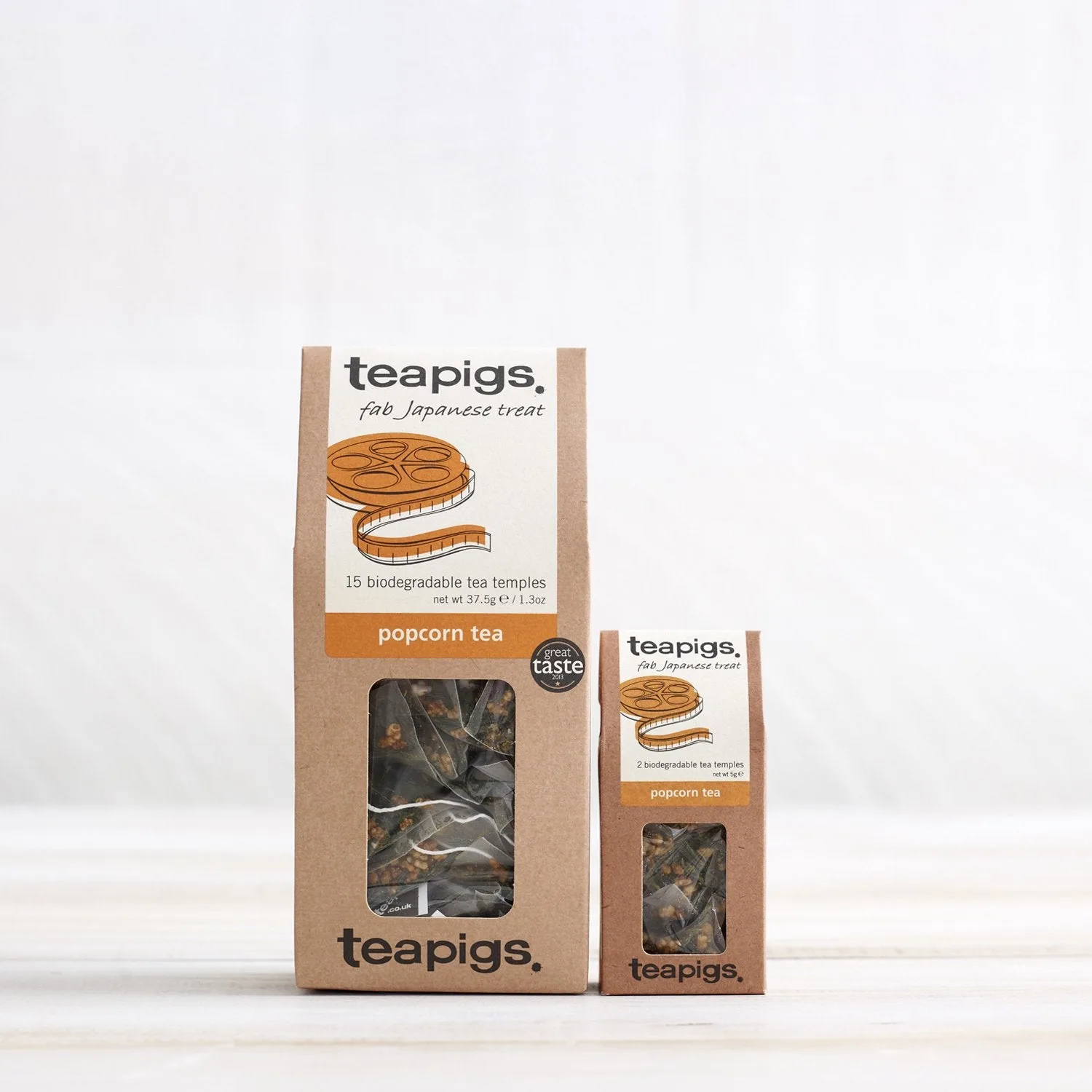
popcorn tea
- Black tea: bold and malty, ideal for chai or spiced blends.
- Green tea: vegetal and fresh, perfect with floral or fruity additions.
- Herbal infusions: caffeine-free and versatile, great for evening blends.
Essential Tools for DIY Tea Blending
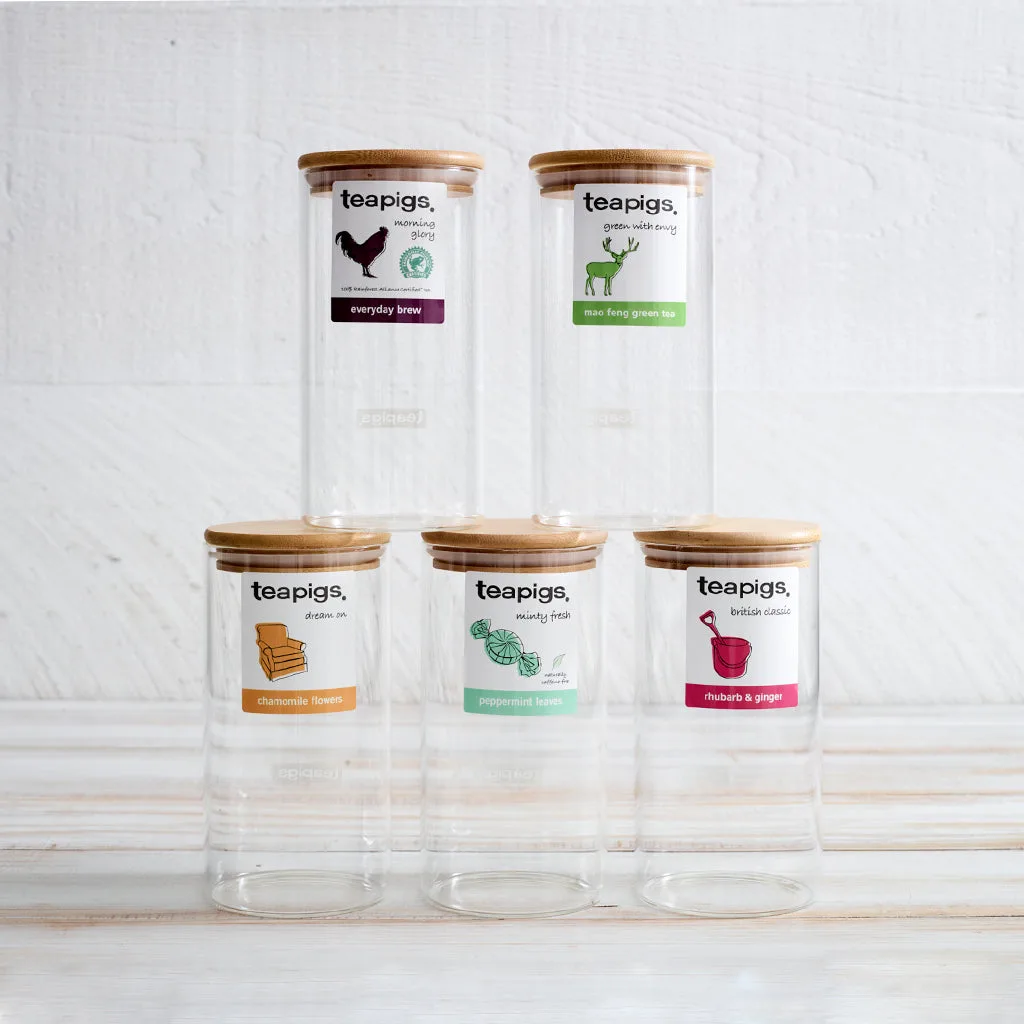
You don’t need a professional lab to make great tea blends at home. A few basic tools will suffice: a digital scale for precise measurements, small mixing bowls, and airtight containers for storage. A glass storage jar is perfect for keeping your finished blend fresh and visible.
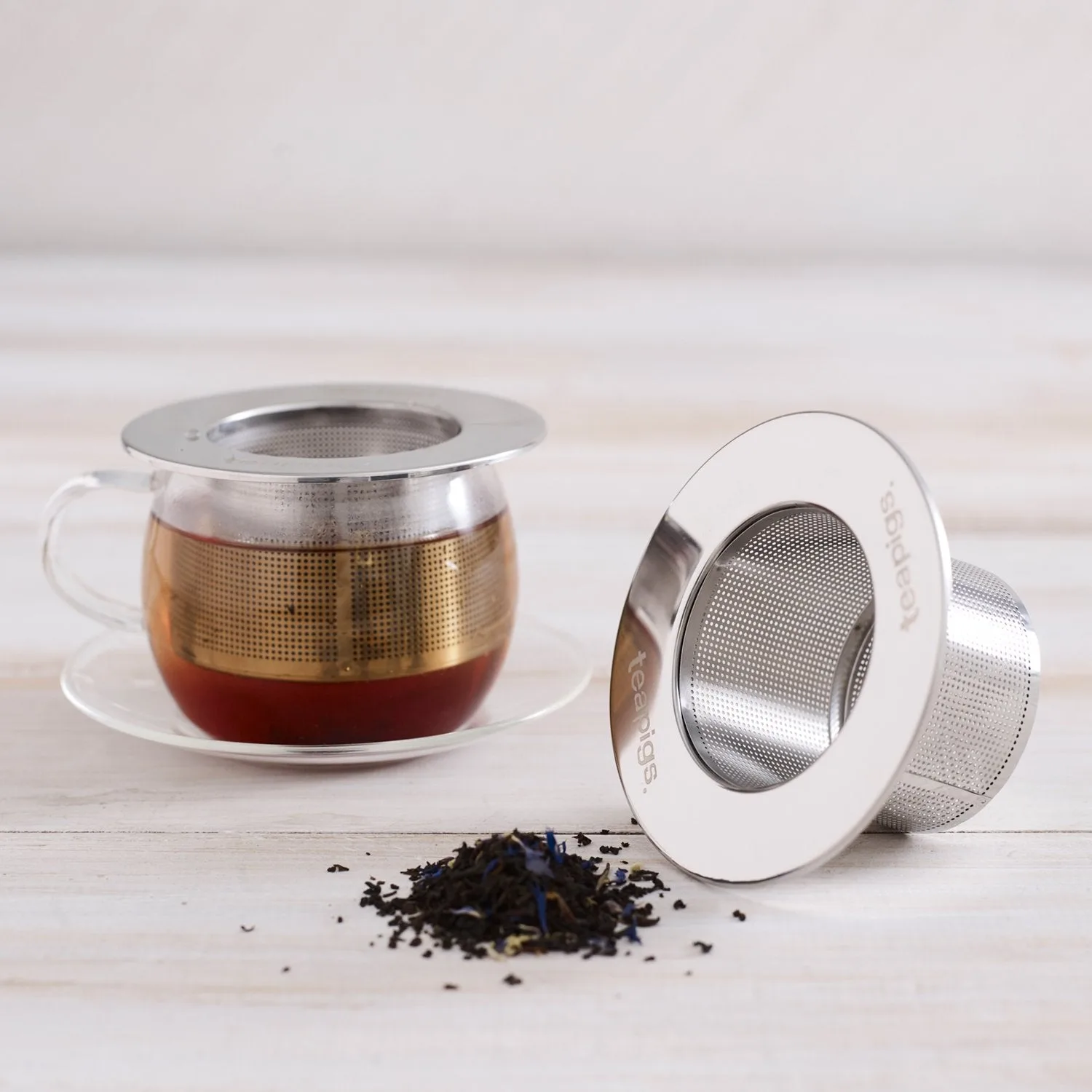
For blending, a clean spoon or whisk helps combine ingredients evenly. If you plan to sample small batches, a loose leaf tea infuser allows you to brew a single cup without committing to a full pot. This way, you can tweak your recipe before making a larger quantity.
- Digital scale (gram accuracy) for consistent results.
- Airtight jars to protect flavor and aroma.
- Infuser or strainer for easy tasting.
Flavor Pairing Ideas to Get You Started
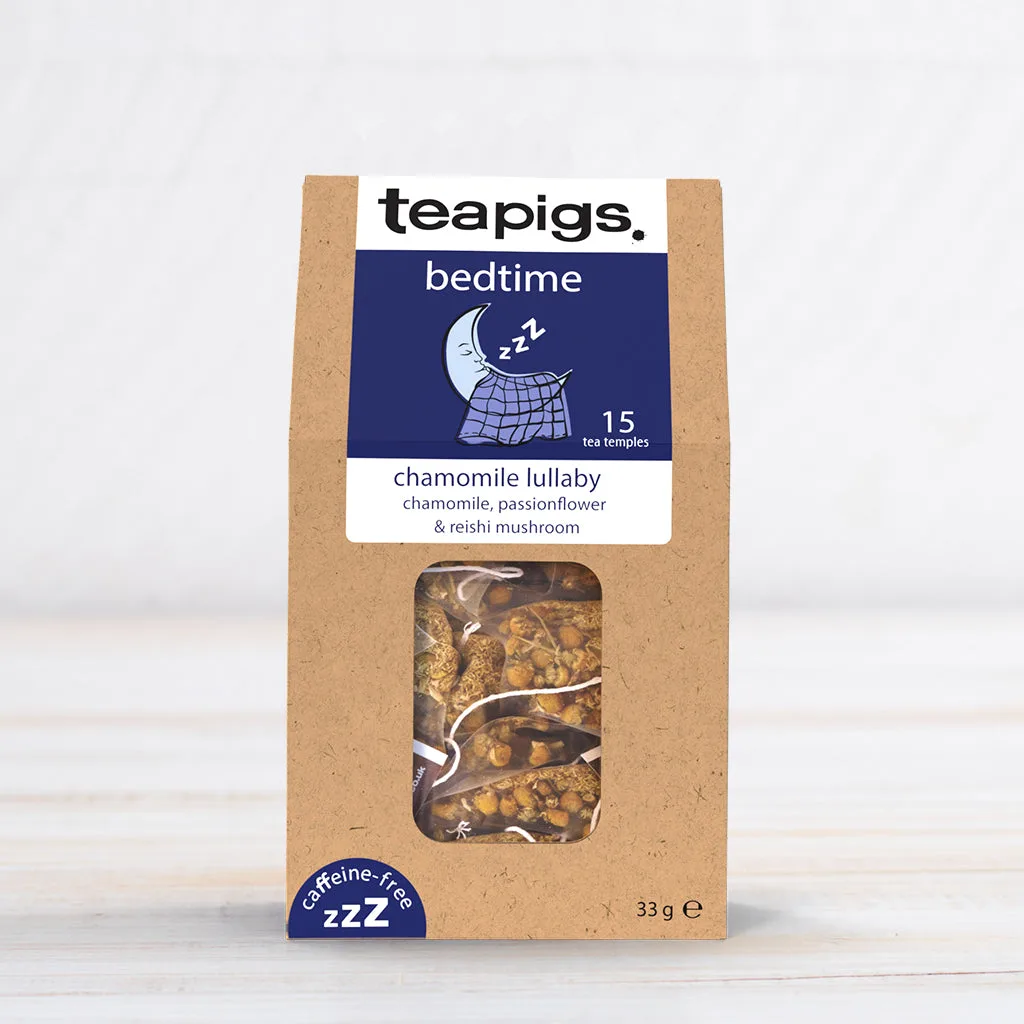
The art of tea mixing lies in balancing flavors. Start with a dominant note—like the earthiness of chamomile lullaby—and build around it. Chamomile pairs beautifully with lemon balm, rose petals, or a pinch of cinnamon. For a spicy kick, combine black tea with ginger, cardamom, and a hint of black pepper.
If you enjoy warming spices, try a homemade chai blend using chai tea as your base. Add star anise, cloves, and a touch of vanilla for depth. For a cooling summer blend, mix green tea with dried mint and lemongrass. The possibilities are endless—trust your palate and experiment freely.
- Floral + fruity: jasmine, rose, dried apple, and hibiscus.
- Spicy + sweet: cinnamon, ginger, orange peel, and honeybush.
- Herbal + minty: peppermint, lemon verbena, and fennel seed.
Step-by-Step: How to Create Your First Blend
Begin by deciding the purpose of your blend—energizing, relaxing, or simply delicious. For a calming evening tea, try a base of chamomile lullaby with a few dried lavender buds and a slice of dried apple. Use a ratio of 2 parts chamomile to 1 part other ingredients.
Mix the dry ingredients in a bowl, then brew a small sample using one teaspoon per cup of hot water. Steep for 5 minutes, taste, and adjust. Add more herbs for strength or more base tea for balance. Once satisfied, store your blend in an airtight glass storage jar away from light and heat.
- Start with a small batch (20–30 grams total) to test.
- Record your recipe with exact gram measurements.
- Let the blend rest for 24 hours before final tasting—flavors meld over time.
Storing and Using Your Homemade Tea Blends
Proper storage preserves the freshness and potency of your custom tea. Use opaque, airtight containers kept in a cool, dark cupboard. Avoid humidity and strong odors, as tea absorbs them easily. A glass storage jar with a tight seal works wonderfully for both storage and display.
When brewing, use one heaped teaspoon per 8-ounce cup of water just off the boil (or slightly cooler for green tea). Steep according to the most delicate ingredient—usually 3–5 minutes. Strain or use an infuser, and enjoy your creation. Share a batch with friends or gift it in a small tin for a personal touch.
- Label jars with the blend name and date created.
- Consume within 3–6 months for best flavor.
- Experiment with iced versions in warmer months.
Creating your own tea blends at home is a rewarding journey that deepens your appreciation for every sip. Start with quality ingredients, trust your taste buds, and don’t be afraid to experiment. Whether you’re crafting a calming herbal mix or a bold morning brew, the perfect cup is yours to design. Explore our selection of premium bases and add-ins to begin your blending adventure today.