Quick answer
Start by identifying your furniture's dominant color and material, then use the diagnosis below to decide whether to contrast, complement, or neutralize against Nairobi Blue.
Why furniture color matters with blue walls
Nairobi Blue is a fresh, light blue that can feel cool and airy. If your furniture has warm tones (like wood or beige), the contrast can create a balanced, inviting room. If your furniture is also cool-toned (gray, silver, or another blue), the room may feel monochromatic or cold without careful accent choices.
Diagnosis: Does your furniture work with Nairobi Blue?
- Symptom: The room feels too cold, flat, or uninviting after painting the wall Nairobi Blue. Check if your furniture is mostly cool-toned (gray, silver, blue).
- Likely cause: Cool-on-cool color scheme. Nairobi Blue is already a cool, light blue. Adding more cool tones (gray sofa, silver lamps, blue rug) can make the space feel sterile.
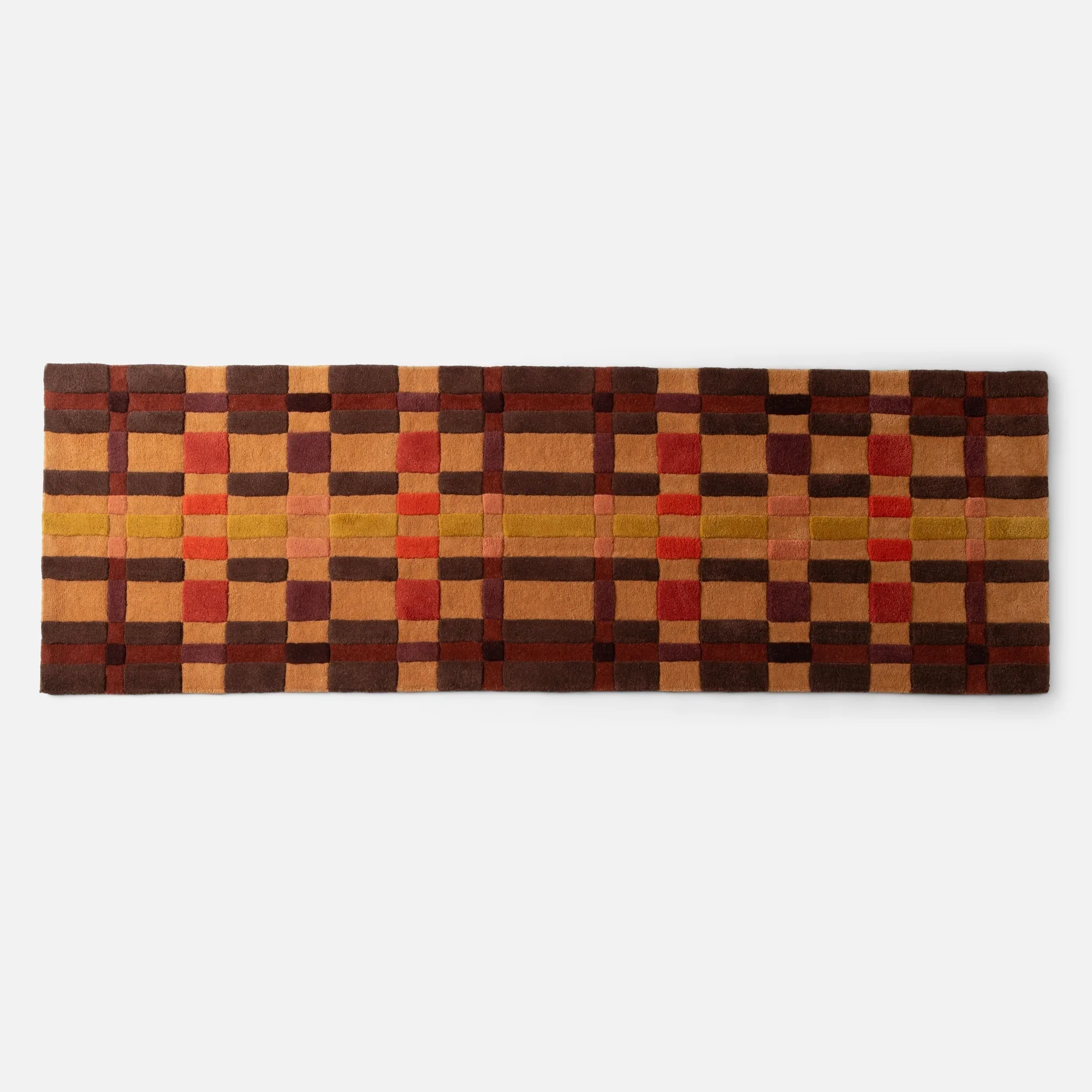
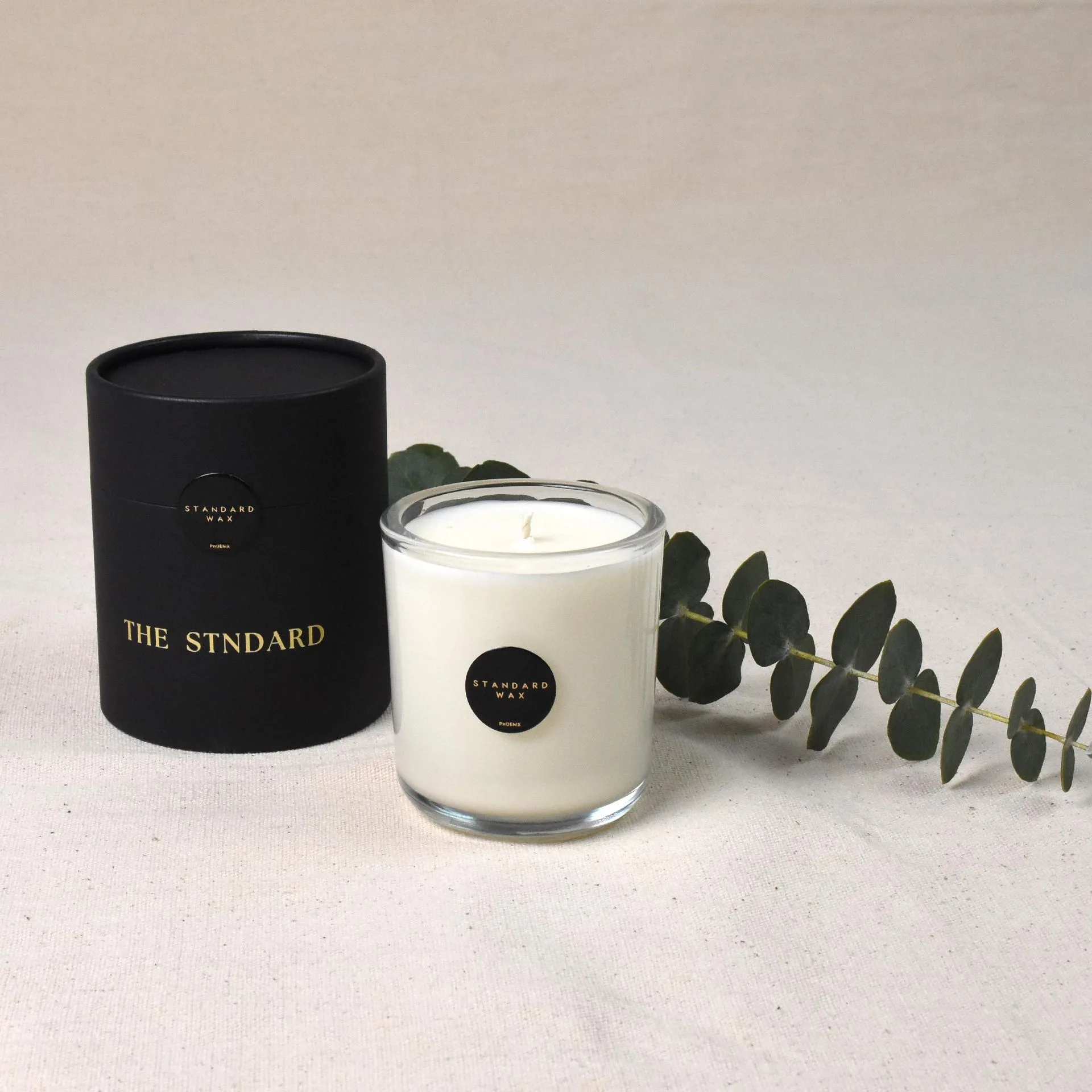
- Corrective action: Introduce warm accents: wood furniture (walnut, oak), warm beige or cream upholstery, gold or brass hardware, and soft white or ivory textiles. These warm tones balance the cool blue and add depth. Test with a single warm-toned throw pillow or wooden side table first.
- When to stop or choose another option: If you are unwilling to add warm or neutral accents, or if your existing furniture is all cool-toned and you cannot swap any pieces, consider a different wall color (e.g., a warm gray or soft beige) instead of Nairobi Blue. Nairobi Blue works best when you can layer in warm or natural elements.
Product facts
-
Nairobi Blue: Nairobi Blue's name comes from the Maasai phrase “Enkare Nyrobi,” meaning “cool water,” and the color evokes cool waters and cloudless skies. This light blue hue pairs best with warm or neutral furniture tones to prevent the room from feeling too cool or sterile.
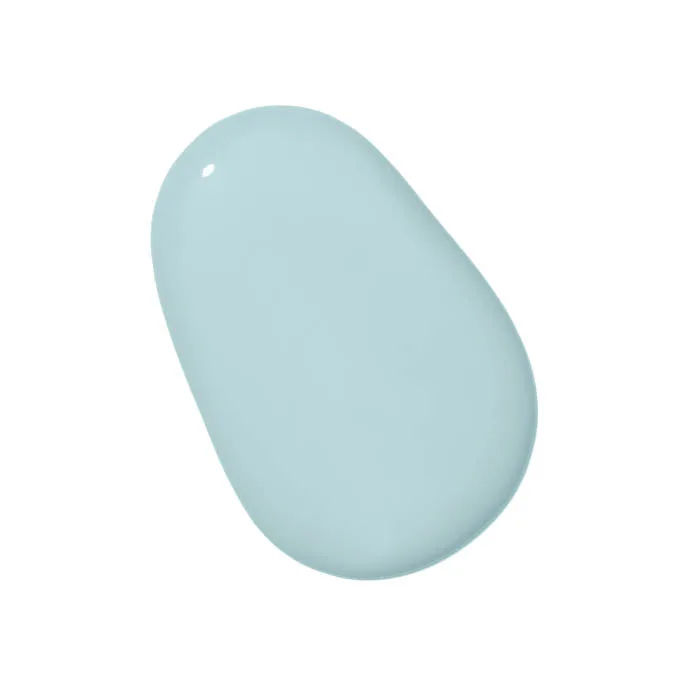
Nairobi Blue