Quick answer
Match thread to fabric in daylight, not under a bulb. Pull thread from the spool, lay it across the fabric, and pick the shade that disappears rather than the one that looks prettiest on its own. For dark or busy prints, go one shade darker than the fabric; for quilting cotton, match the lightest color in the print.
Why the spool color is not the fabric color
Thread looks lighter on a spool than it does stitched into cloth, because light wraps around the exposed thread and brightens it. A shade that reads as a perfect match at the shop counter can flash pale once it is sewn into a seam. Always judge the thread against the fabric itself, never against the spool or a screen.
Fabric weave changes the result too. A smooth cotton poplin reflects more light than a brushed flannel in the same dye lot, so the same thread can look matched on one and off on the other. Test on the actual cloth you plan to sew, not a scrap of a similar color.
What to bring to the fabric store
Bring a fabric swatch at least the size of your palm, not a photo. Screens and printers shift color, and a phone photo of a dark green linen will rarely match the bolt in your hand. If you are ordering online, order the fabric first and match thread to the swatch when it arrives.
Bring the garment or quilt pattern too. Seam thread and topstitching thread do different jobs, and you may need two shades: one that vanishes in the seam and one that reads as a deliberate line on top.
Five steps to a reliable thread match
- Step 1: Test in daylight: Take the fabric and two or three candidate spools to a window with indirect daylight. Lay the thread across the fabric in a single strand and step back about a meter. Checkpoint: if the thread disappears at arm's length, it is a candidate. If you can trace the line, keep looking.
- Step 2: Match to the dominant shade, not the accent: For a print or plaid, pick the color that covers the most area. Matching a small accent color makes the stitching pop out of the fabric instead of blending in. Common mistake: matching the boldest color in the print. It looks deliberate in the shop and loud in the finished seam.
- Step 3: Go one shade darker on dark fabric: On navy, charcoal, black, and deep brown, choose a thread one step darker than the fabric. Thread reads lighter once stitched, so a true match often looks chalky. Checkpoint: if the seam looks like a pale line on dark cloth, you matched too light, not too dark.
- Step 4: Match the lightest tone for quilting cotton: Quilting cotton is usually lighter and more tightly woven than garment fabric, so a thread matched to the lightest color in the print blends across the whole quilt top. Common mistake: matching the backing fabric instead of the top. The top is what people see, so match the top.
- Step 5: Sew a test seam before the real one: Stitch a 10 cm line on a scrap of the same fabric with the same needle and thread, then press it. Heat and steam can shift how a shade reads. Checkpoint: judge the pressed test seam, not the raw thread. If it still vanishes, start the garment.
Thread and needle facts that affect the match
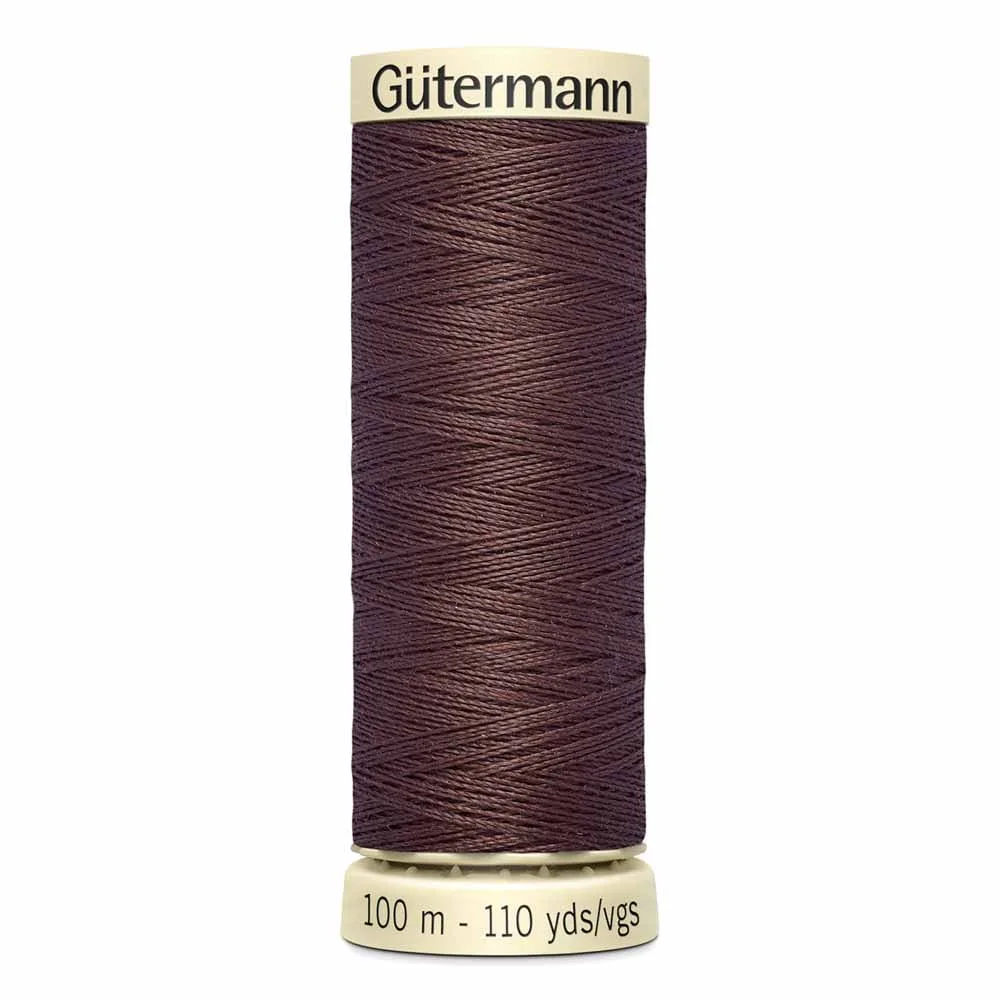
- Gütermann | Sew-All Thread | 100m | #575 | Saddle Brown: Gütermann Sew-All Thread in #575 Saddle Brown is 100% polyester, strong, durable, and resistant to shrinking and stretching, and suits cotton, linen, silk, and synthetic fabrics. A warm mid-brown like Saddle Brown is a practical match for tan, camel, and brown garment fabrics, and the polyester build means the shade holds through washing without the thread shrinking away from the seam.
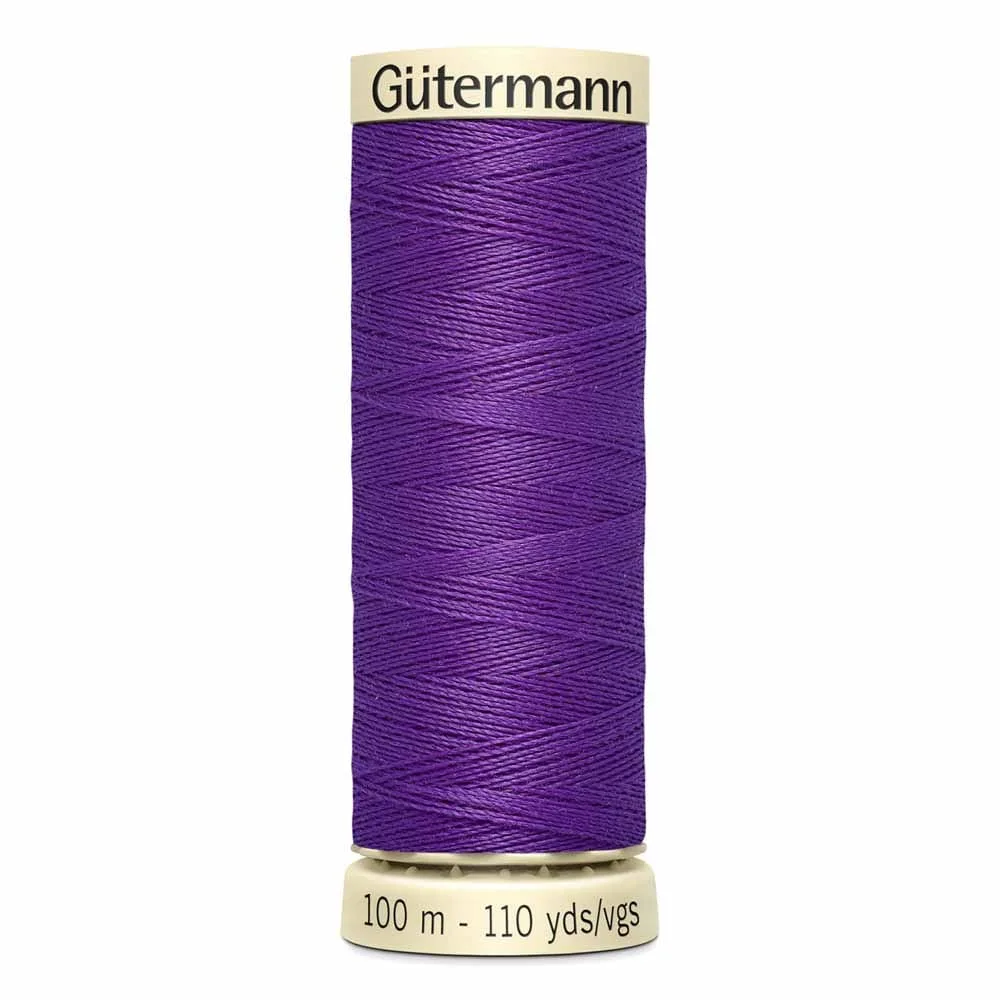
- Gütermann | Sew-All Thread | 100m | #928 | Hydrange: Gütermann Sew-All Thread in #928 Hydrange is 100% polyester with excellent colorfastness, suitable for cotton, linen, silk, and synthetics. A soft blue-green like Hydrange is the kind of shade that reads as a near-neutral against denim, chambray, and blue-green quilting cotton, so it disappears in seams instead of drawing the eye.
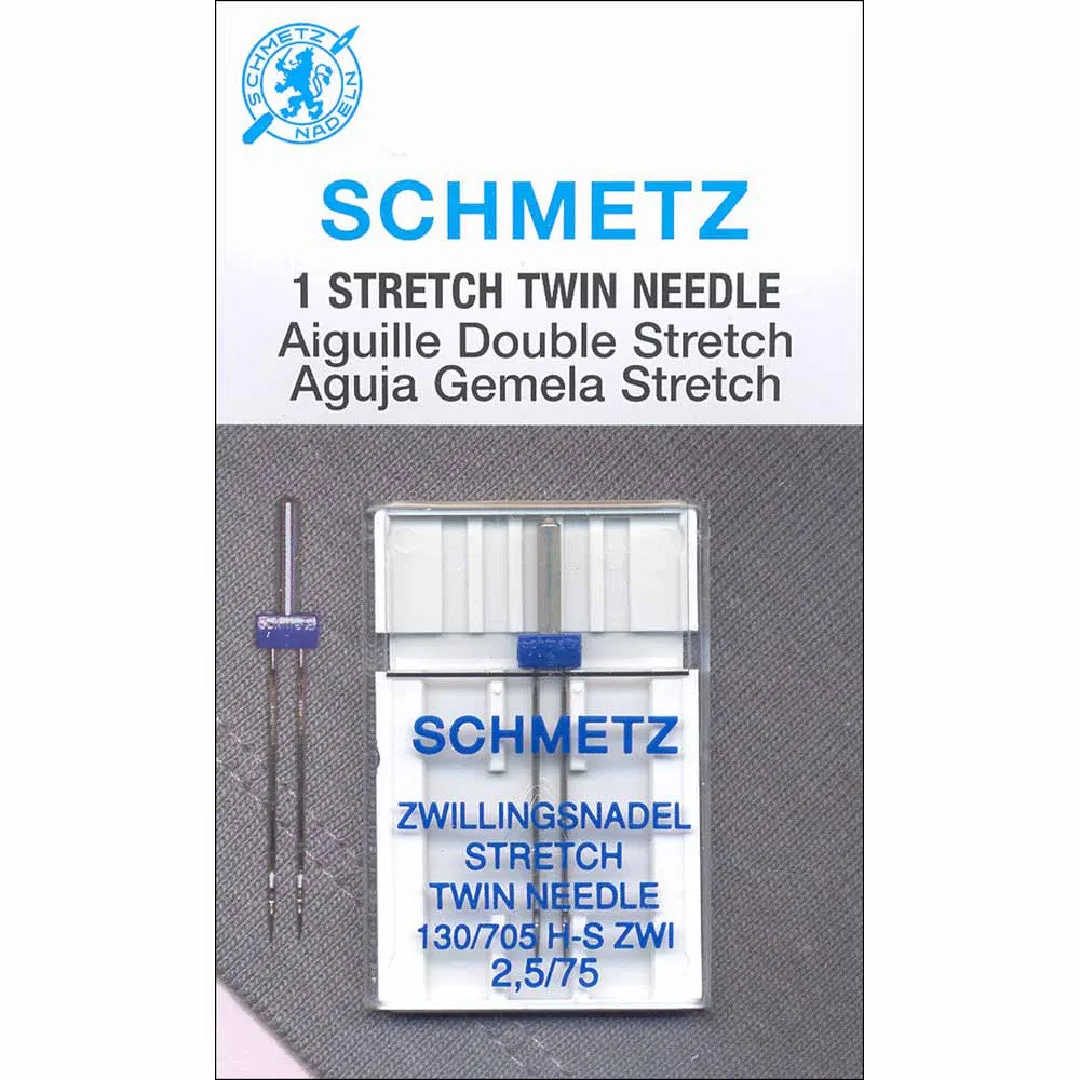
- SCHMETZ | Stretch Twin Needle | 75/11 | 2.5mm: The SCHMETZ Stretch Twin Needle 75/11 with 2.5mm spacing mounts two needles on one shank to create two rows of stitching at once, and is used with elastic materials and highly elastic knitwear. When you hem a knit, the thread shade matters even more because twin-needle stitching sits on the surface; a matched shade keeps the two parallel lines looking like part of the fabric rather than a repair.