Quick answer
For accurate measuring with a 1 litre jug, set it on a flat surface, pour to the mark at eye level, and use the right technique for liquids versus dry ingredients.
Why a 1 litre jug suits most baking
A 1 litre capacity covers most single-batch recipes—from cake batter to pancake mix—without overflow. The wide mouth also lets you whisk directly in the jug, which is handy for wet ingredients like eggs and milk.
For dry ingredients, a jug is less precise than a scale, but you can still get consistent results if you spoon and level rather than scoop. That said, for very accurate bakes, weigh flour and sugar instead.
Steps to measure accurately
- Place on a flat surface: Set the jug on a level counter, not in your hand. Pour liquid slowly to just below the desired mark. Check the surface is level—a tilted counter throws off the reading.
- Read at eye level: Bend down so the mark is at eye level. The liquid surface curves (meniscus); read the bottom of that curve for accuracy. Avoid looking from above—this makes you overfill.
- Use the right technique for dry ingredients: For flour or sugar, spoon into the jug and level off with a straight edge. Never scoop directly with the jug, as this packs the ingredient. If a recipe calls for grams, use a scale instead.
- Whisk directly in the jug: After measuring wet ingredients, whisk them in the same jug. The wide base and spout make it easy to incorporate air and pour neatly. This reduces washing up and helps aerate your mix.
Product that helps
-
Innovative Kitchen 1 Litre Measuring Jug: The Mason Cash Innovative Kitchen 1 litre measuring jug makes mixing on countertops easier allowing more air to be incorporated into mixes when whisking. This means you can measure and whisk in one vessel, saving dishes and giving lighter batters when you aerate the mix.
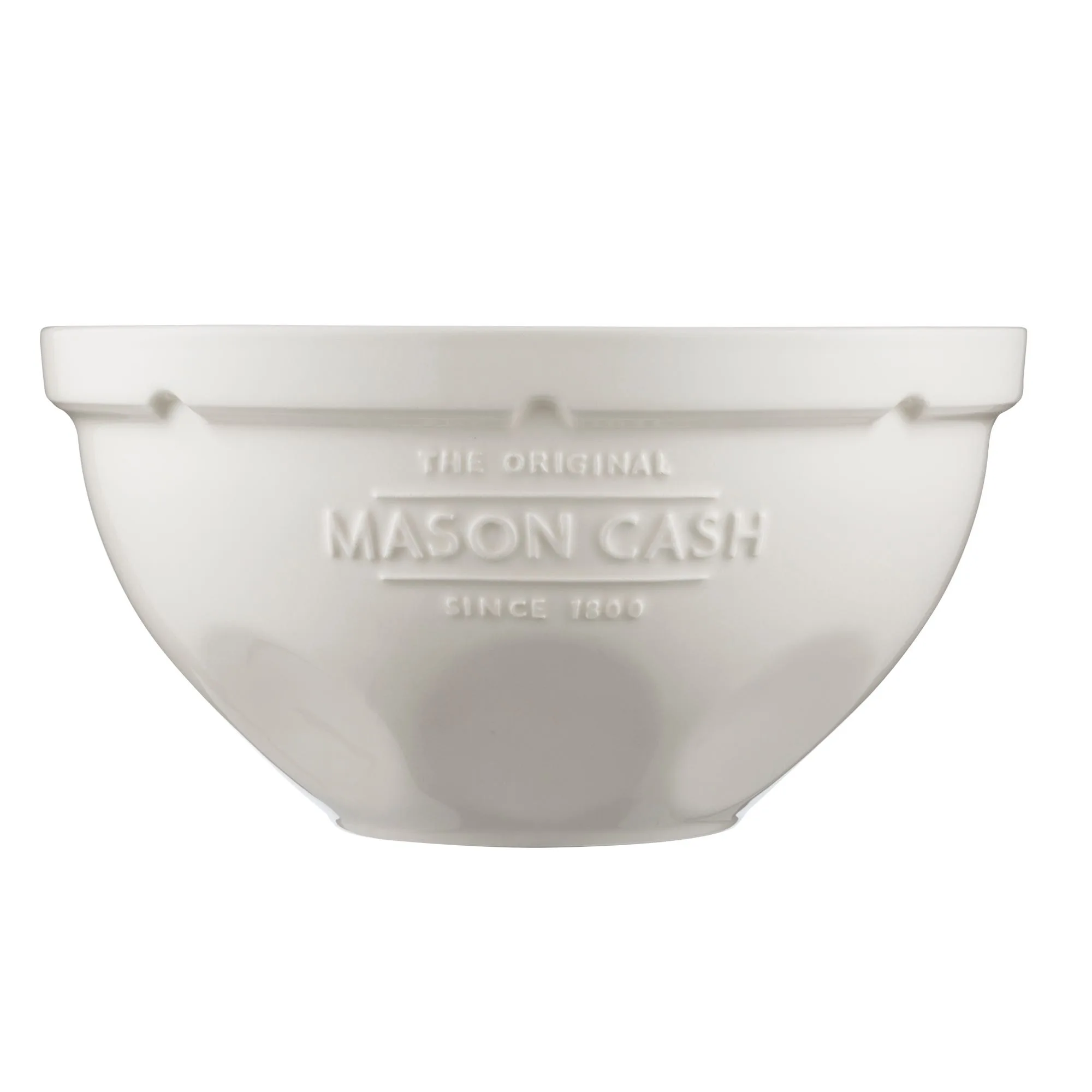
Innovative Kitchen 1 Litre Measuring Jug