Quick Answer
To measure your necklace length, use a flexible tape measure or a piece of string and a ruler. Wrap it around your neck, add the desired drop, and compare to a necklace size chart. For most women, an 18-inch (45.5 cm) princess length falls just below the collarbone and suits most necklines. For men, a 20-inch (51 cm) length is a common starting point. Choose a length that complements your neckline and personal style.
Finding the right necklace length can make or break an outfit. A chain that's too short might feel tight, while one that's too long can get lost in your neckline. This guide will show you how to measure necklace length accurately, so you can shop with confidence—whether you're buying for yourself or as a gift.
We'll cover the standard necklace sizes, how to measure your own neck, and how to choose the best length for your body type and the necklines you wear most. Plus, we'll share practical tips to avoid common mistakes.
Understanding Necklace Lengths: The Standard Size Chart
Necklace lengths are typically measured in inches, and each length has a name and a typical resting point. Here's a quick necklace size chart to help you visualize: a 14-inch (35.5 cm) choker sits snugly around the neck, a 16-inch (40.5 cm) collar rests at the base of the neck, an 18-inch (45.5 cm) princess length falls just below the collarbone, a 20-inch (51 cm) matinee length hits the top of the bust, and a 24-inch (61 cm) opera length reaches the sternum or lower.
For most women, the 18-inch princess length is the most versatile—it works with both high and low necklines. Men often prefer a 20-inch length, which sits comfortably below the collarbone. If you're unsure, measure an existing necklace you like and use that as your baseline. Remember that chain thickness can affect how the necklace drapes; a thicker chain may sit higher and feel shorter.
- Always measure from the clasp to the end of the pendant or charm, not including the clasp itself.
- If you're between sizes, consider an adjustable necklace with an extender chain.
How to Measure Your Neck for a Necklace
To find your ideal necklace length, you need to know your neck circumference. Use a flexible tape measure or a piece of string and a ruler. Wrap it around your neck where you'd like the necklace to sit—usually just above the collarbone. Note that measurement, then add the desired drop (the distance from your neck to where you want the pendant to rest). For example, if your neck measures 14 inches and you want a princess length that falls 2 inches below your collarbone, you'd add about 4 inches to get an 18-inch necklace.
A common mistake is measuring too tightly. Leave a little slack for comfort—about one finger's width. Also, consider the weight of the pendant; a heavier pendant may pull the chain lower, so you might prefer a slightly shorter length to compensate. If you're buying a necklace with a specific pendant, like a birthstone or initial, the pendant's size can affect the perceived length, so factor that in.
- Use a mirror to check the drop visually, or ask a friend to help you measure.
- If you're measuring for a gift, discreetly borrow a necklace they already own and measure it.
Choosing the Right Length for Your Neckline
Your neckline plays a big role in what necklace length will look best. For a crew neck or boatneck, a 16-inch collar or 18-inch princess length works well. For a V-neck, choose a necklace that follows the V shape, like a 20-inch matinee length. For off-the-shoulder or strapless styles, a choker (14-16 inches) or a longer opera length (24 inches) can both be striking. For high necklines like turtlenecks, a long pendant (24 inches or more) adds a vertical line and elongates the torso.
If you're layering necklaces, vary the lengths by at least 2 inches to prevent tangling and create a balanced look. For example, pair a 16-inch choker with an 18-inch princess and a 20-inch matinee. Always consider the occasion: a shorter necklace can feel more formal, while a longer one is often more casual.
- When in doubt, choose a slightly longer length—you can always add a pendant or layer to adjust the look.
- For men, a 20-inch length is a safe default for most necklines, including crew necks and collared shirts.
Measuring an Existing Necklace: The Clasp-to-End Method
If you have a necklace that fits perfectly, you can measure it to determine its length. Lay it flat on a table, with the clasp closed, and measure from the top of the clasp to the bottom of the pendant or the end of the chain. This gives you the total length. If the necklace has an extender chain, include that in your measurement, but note that the extender adds length only when used.
A common mistake is measuring a necklace that's stretched or kinked. For a more accurate measurement, hang the necklace vertically and let it fall naturally, then measure from the clasp to the end. This is especially important for chains with delicate links. If you're comparing to a size chart, use the total length including the clasp, as most charts do.
- Use a ruler or a soft measuring tape for accuracy; avoid using a metal ruler that could scratch the chain.
- If the necklace has a pendant, measure from the top of the clasp to the bottom of the pendant, not including the pendant's own length if you want the chain length.
Step-by-Step: How to Measure Your Necklace Length
- Gather your tools: You'll need a flexible tape measure or a piece of string and a ruler. If using string, make sure it's non-stretchy. Lay the necklace you want to measure flat, with the clasp closed. Checkpoint: Use a soft tape measure to avoid scratching delicate chains.
- Measure the total length: Measure from the top of the clasp to the bottom of the pendant or the end of the chain. If the necklace has an extender, include it in the measurement. Write down the number in inches. Common mistake: Forgetting to close the clasp can add an extra inch or more.
- Measure your neck circumference: Wrap the tape measure around your neck where you want the necklace to sit. Add one finger's width for comfort. Note this number. Checkpoint: Don't pull the tape too tight—you want a comfortable fit.
- Calculate your ideal length: Add your neck circumference to the desired drop (the distance from your neck to where you want the pendant to rest). For example, if your neck is 14 inches and you want a 2-inch drop, add about 4 inches to get an 18-inch necklace. Common mistake: Adding too much drop can make the necklace too long; start with a smaller drop and adjust.
- Compare with a size chart: Use a necklace size chart to see which standard length matches your calculation. If you're between sizes, choose the longer length and use a pendant or extender to customize. Checkpoint: For layering, pick lengths that differ by at least 2 inches to avoid tangling.
How Edge of Ember Necklaces Fit
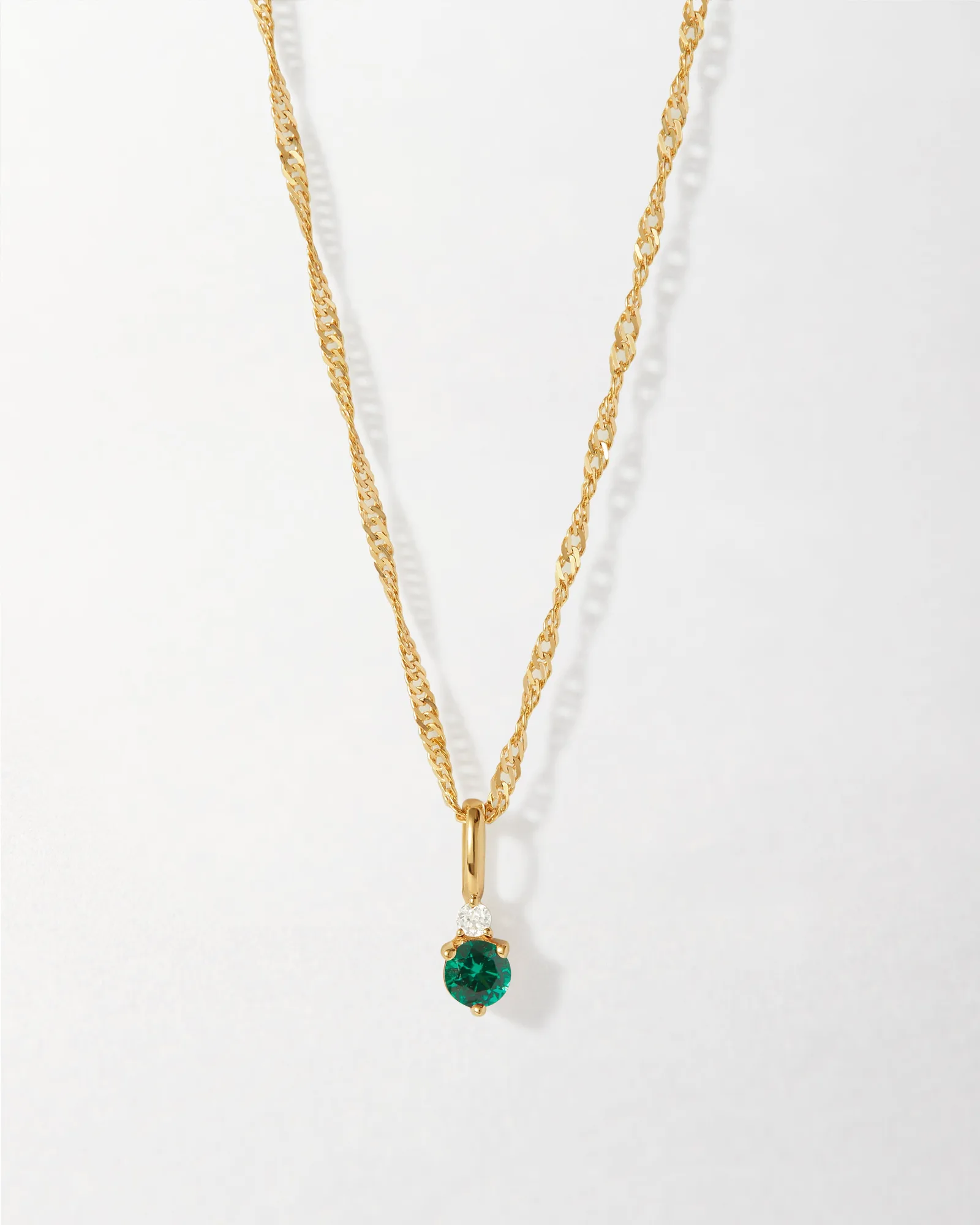
- Solid Gold Birthstone Necklace: Chain length is 16" (40.5cm) This 16-inch length sits at the base of the neck, perfect for those who prefer a collar-style fit. It's great for layering with longer chains or wearing alone with a high neckline.
- Initial & Diamond Pendant Necklace: Chain length is 16" (40.5cm) At 16 inches, this pendant necklace sits close to the neck, making it ideal for showing off the initial and diamond detail. It works well with open-collar shirts or as a layering piece.
- https://edgeofembermo.shop/products/quartet-customised-gemstone-necklace-silver-252300Quartet Customised Gemstone Necklace - Silver: Necklace is 16" (40.5cm), extends to 18" (45.5 cm) This adjustable necklace offers the best of both worlds: a 16-inch collar fit or an 18-inch princess length. It's a versatile option if you're unsure about your preferred length.
Measuring your necklace length doesn't have to be guesswork. With a tape measure and a few simple steps, you can find a length that flatters your neckline and feels comfortable all day. Whether you prefer a 16-inch collar or an 18-inch princess, knowing your numbers makes online shopping easier—and helps you choose pieces like Edge of Ember's adjustable Quartet necklace with confidence.