Quick answer
Measure your hips at the fullest point with a soft tape held level and snug, not tight, then match that number to the brand's own knicker size chart. Your hip measurement, not your dress size, decides your knicker size. If you land between two sizes, size up for comfort, and follow any product-specific note such as sizing up in a style cut from four-way power mesh.
Knickers are the one thing you wear every single day, yet most of us buy them by guessing. A waistband that digs in, a gusset that sits too low, or fabric that creeps up by lunchtime usually traces back to one thing: the size was chosen from a dress size instead of a hip measurement.
The fix takes about two minutes and one soft tape measure. This guide walks you through measuring for underwear at home, reading the number correctly, and using a knicker size chart so the pair you order is the pair that fits.
Why your hip measurement matters more than your dress size
Knickers are built around the hip and seat, not the waist or the label on your jeans. Two people can wear the same dress size and need different knicker sizes, because hip circumference varies far more than most clothing charts admit. That is why a hip measurement is the single number worth knowing before you buy.
It also explains why the same size can feel different across styles. A high-leg cut, a boyleg, and a tanga all sit on the body differently even when the size label matches. Get the hip number right first, then let the cut decide the rest.
- Checkpoint: if you only remember one measurement from this guide, make it your hips.
What you need before you start
You need a soft tape measure, a mirror, and light clothing or none at all. A stiff builder's tape will not follow the curve of your hips accurately, and measuring over thick denim can add centimeters that push you into the wrong size. Stand somewhere you can see your reflection so you can check the tape stays level.
If you do not own a soft tape, use a piece of string or a charging cable, mark where it meets, then lay it flat against a ruler. It is not perfect, but it is far better than estimating.
- Common mistake: measuring over jeans or a padded garment, which inflates the number.
Step 1: Find the fullest part of your hips
Stand with your feet together and your weight even. Wrap the tape around your hips and slide it up and down until it sits at the widest point, usually across the seat and the top of the thigh. This is not your hip bone and not your natural waist. It is the fullest circumference below the waist.
Keep the tape parallel to the floor all the way around. If the back sits higher than the front, you will record a number that is too small and end up with a waistband that digs in.
- Checkpoint: the tape should touch your body all the way around without pressing into the skin.
Step 2: Keep the tape snug, not tight
A knicker waistband stretches, but it should not have to work hard to stay up. Pull the tape until it sits flat against the skin, then exhale and check the tension. If your finger can slide comfortably under the tape, the tension is about right. If the tape leaves a red line, it is too tight.
Write the number down in centimeters or inches, but stay consistent. Mixing units between your measurement and the brand's chart is one of the easiest ways to order the wrong size.
- Common mistake: sucking in or pulling the tape tight because you want a smaller number.
Step 3: Measure twice and take the average
Take the measurement two or three times, letting the tape rest in the same spot each time. Small differences are normal, especially if you are measuring alone. If your readings vary by more than a centimeter or two, slow down and reset the tape rather than picking the smallest number.
This is also the moment to note whether you are measuring on a bloated day or a typical day. Bodies fluctuate, and a knicker size should fit your usual shape, not your best or worst day.
- Checkpoint: two readings within about one centimeter of each other is a reliable result.
Step 4: Read the brand's own knicker size chart
Every brand grades its sizes slightly differently, so use the chart on the product page rather than a generic conversion table. Match your hip measurement to the closest band, and check whether the chart lists hip, waist, or both. When a chart overlaps two sizes, your hip measurement should be the tiebreaker.
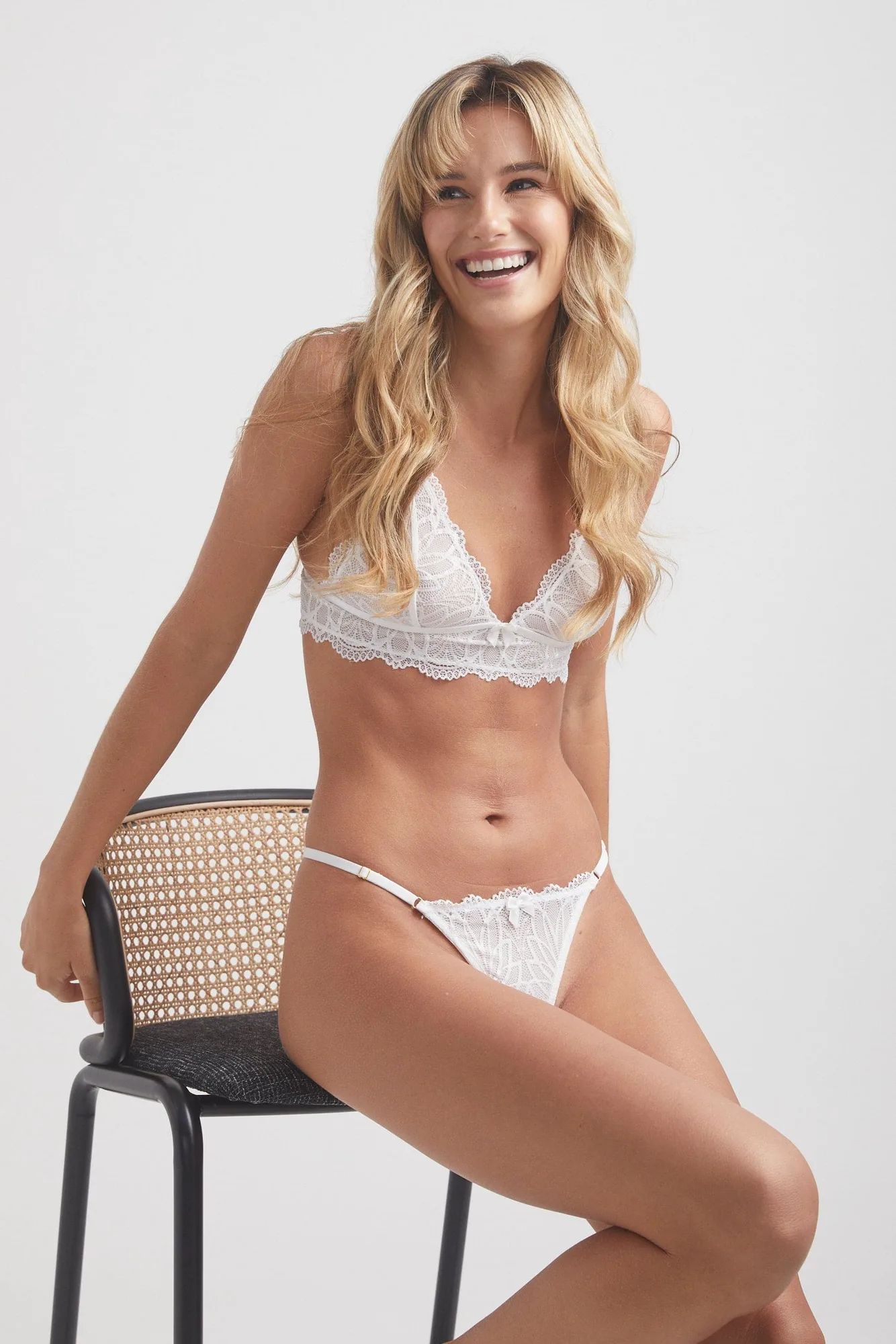
Some styles also carry their own fit note. The Emily Cheeky Knicker - Magnetic Blue, for example, is made from four-way power mesh and the product page recommends sizing up. That instruction sits on top of the size chart, not instead of it.
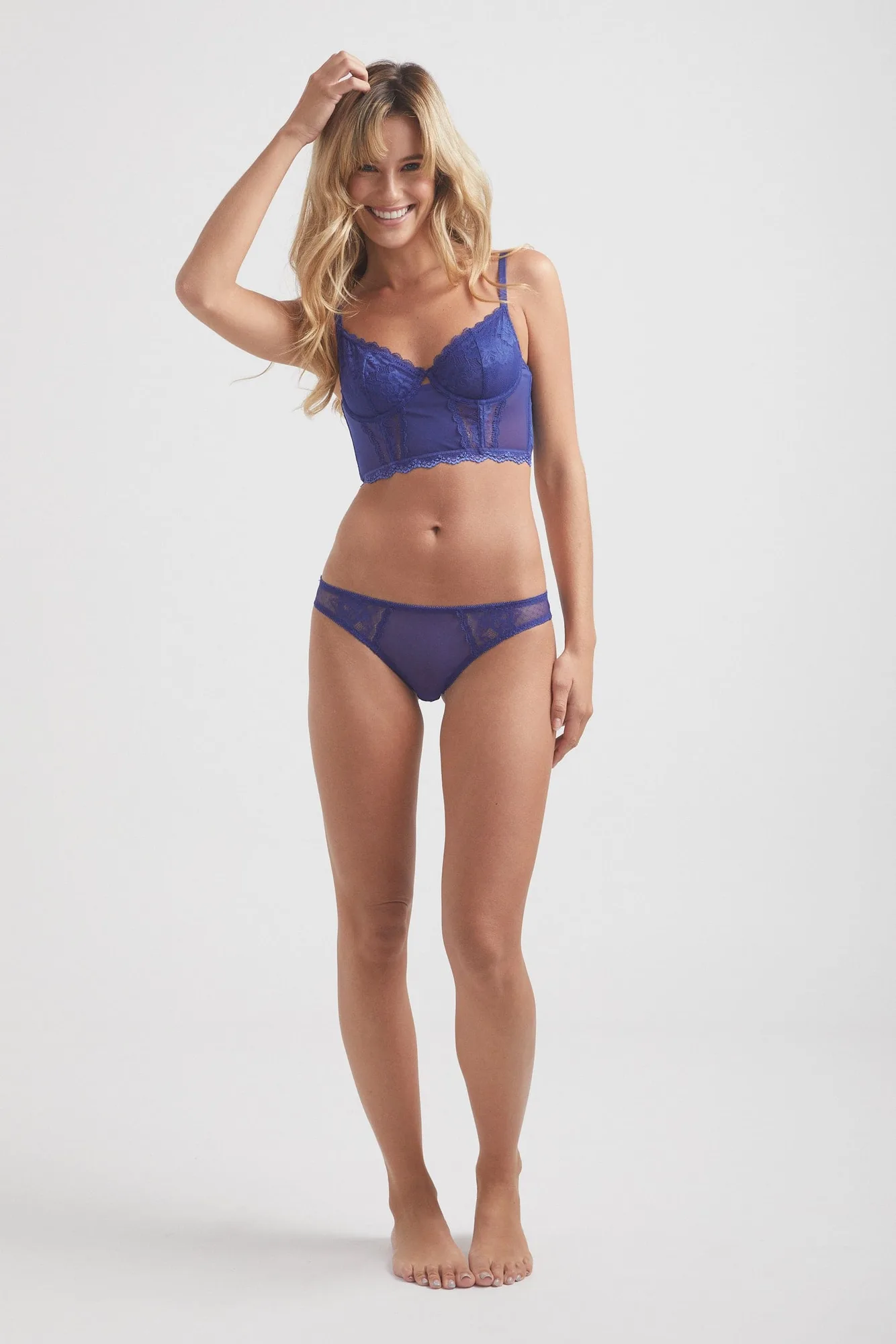
Emily Cheeky Knicker - Magnetic Blue
- Common mistake: assuming your size in one brand transfers to another without checking the chart.
Step 5: Choose your size and know when to size up
If you are between sizes, size up. A knicker that is slightly roomy still sits flat under clothing, while one that is too small rolls, digs, and rides up. Fabric matters here too: scuba fabric and power mesh have different stretch, so the same hip measurement can feel different across styles.
Buy one pair in your measured size before committing to a multipack. Wear it for a full day, including a walk and a sit, then decide. That single test pair tells you more than any chart.
- Checkpoint: if the waistband leaves marks after an hour, go up one size.
Your five-step knicker measuring routine
- 1. Undress or wear something light: Measure against bare skin or thin fabric, standing with feet together and weight even. Checkpoint: no jeans, no padded shapewear.
- 2. Wrap the tape at the fullest hip point: Slide the tape until it crosses the widest part of your seat and upper thigh, keeping it level to the floor. Common mistake: measuring the hip bone instead of the fullest circumference.
- 3. Snug, not tight: Tighten until the tape sits flat, exhale, and confirm one finger slides under comfortably. Checkpoint: no red line left on the skin.
- 4. Repeat and average: Take two or three readings and use the consistent number rather than the smallest one. Common mistake: pulling tighter on the second try to get a smaller result.
- 5. Match to the brand chart, then size up if between: Use the product page chart, check for style-specific fit notes, and round up when you are on the boundary. Next step: buy one pair, wear it for a day, then commit.
How fit notes on real styles change your size choice
- Emily Cheeky Knicker - Magnetic Blue: Made from four-way power mesh with a lace front, and the product page recommends sizing up. Even with a correct hip measurement, this style runs small by design, so your usual size may feel tight.
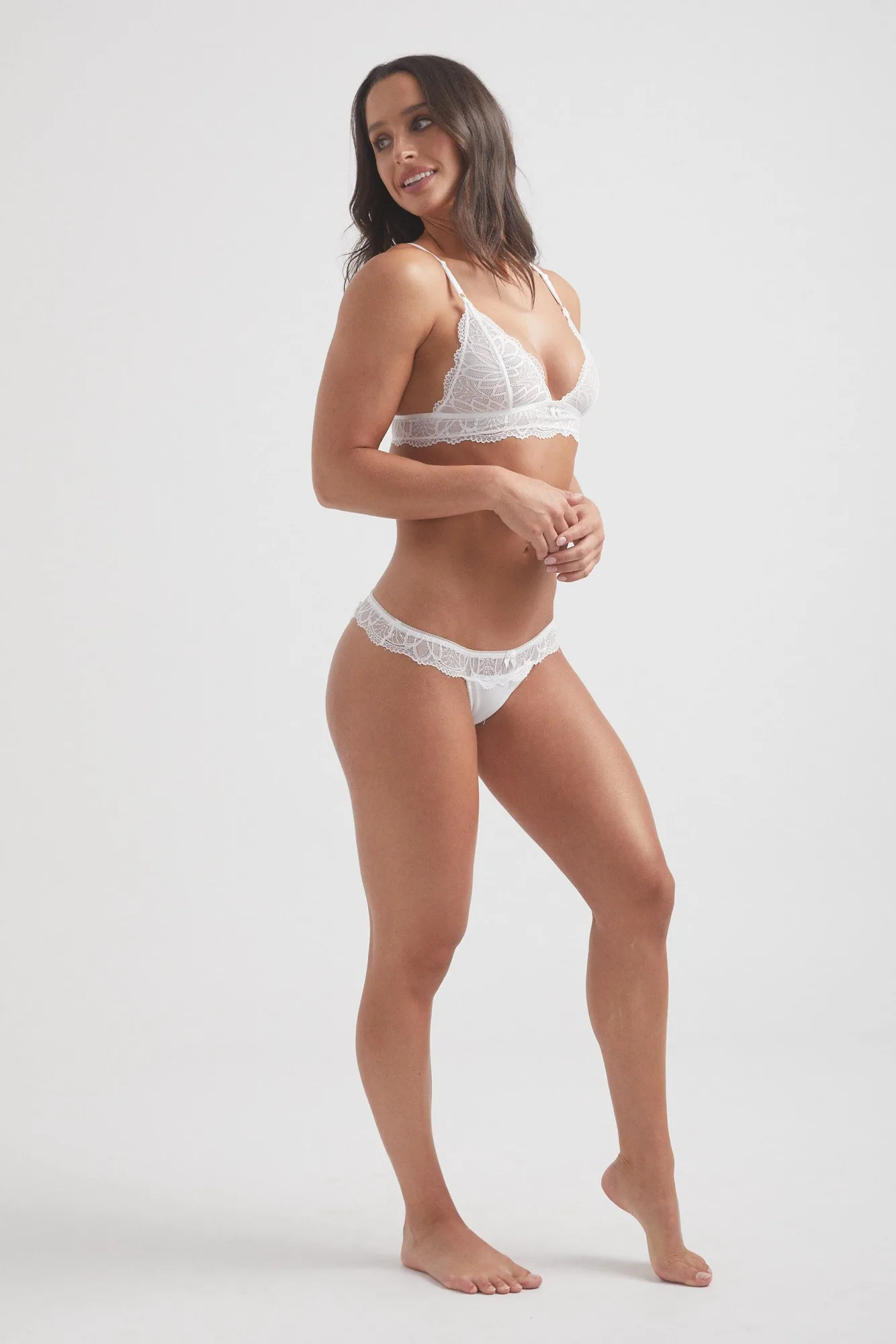
- Amy Tanga Knicker - White: Cut from silky soft scuba fabric with a delicate lace band, and designed to pair with the Amy Bralette. Scuba fabric holds its shape with less give than mesh, so the waistband fit matters more than the stretch.
- Amy Set - White: Comes with a choice of three knicker styles: G-String, Tanga Knicker, or Cheeky. You can order one measured size and still change the cut, which is useful if you are unsure how a style will sit.
Once you know your hip measurement, buying knickers stops being a gamble. Measure once, note the number in your phone, and check each brand's own chart before you order. It is the smallest habit that makes the biggest difference to everyday comfort.