Quick Answer
Melt chocolate for dipping using a double boiler or microwave at low power, keeping dark chocolate between 115°F and 120°F and milk or white chocolate between 110°F and 115°F. Stir gently and avoid any water contact to prevent seizing. For the best coating, choose high-quality Belgian chocolate like the options from Forest Feast.
Why Temperature Control Matters for Dipping Chocolate
The ideal dipping chocolate temperature depends on the type. Dark chocolate melts smoothly around 115–120°F, while milk and white chocolate prefer 110–115°F. If chocolate gets too hot, it can scorch or become thick and grainy. Use a digital thermometer for accuracy. If you don't have one, go by feel: chocolate should be fluid but not steaming. Remove it from heat as soon as most pieces are melted, then stir to finish melting with residual heat.
How to Prevent Seizing When Melting Chocolate
Seizing happens when even a drop of water touches melted chocolate, causing it to clump into a stiff paste. Make sure all utensils and bowls are completely dry. If you're using a double boiler, keep the water level below the bowl and prevent steam from escaping into the chocolate. If seizing occurs, you can sometimes rescue it by stirring in a teaspoon of neutral oil per ounce of chocolate, but prevention is far easier.
Choosing the Best Chocolate for Dipping Fruit and Nuts
Not all chocolate melts well. Chocolate chips contain stabilizers that help them hold their shape in cookies but make them thick when melted. For dipping, use bar chocolate or couverture, which has more cocoa butter and flows smoothly. Belgian chocolate is a great choice for its creamy texture and reliable melting properties. Forest Feast offers several options that are already perfectly suited for dipping, saving you the step of chopping and tempering.
Step-by-Step: Melting Chocolate for Dipping
- Chop Your Chocolate: Use a serrated knife to chop bar chocolate into small, uniform pieces so it melts evenly. If using chips or discs, skip this step. Uniform pieces prevent hot spots and scorching. Checkpoint: pieces should be no larger than a pea.
- Set Up a Double Boiler: Fill a saucepan with 1–2 inches of water and bring to a simmer. Place a dry heatproof bowl on top, ensuring the bottom doesn't touch the water. The bowl must be completely dry. Any water in the bowl can cause seizing.
- Melt Gently, Stirring Occasionally: Add chocolate to the bowl and stir with a dry spatula until melted and smooth. Keep the heat low and steady. For dark chocolate, aim for 115–120°F; for milk or white, 110–115°F. Remove from heat as soon as most pieces are melted. Checkpoint: chocolate should be glossy and fluid, not steaming.
- Cool to Dipping Consistency: Let the melted chocolate cool slightly, stirring occasionally, until it thickens just enough to coat the back of a spoon. This usually takes 2–5 minutes. If chocolate is too hot, it will run off fruit and nuts. Test with a piece of fruit: it should leave a thin, even layer.
- Dip and Shake Off Excess: Dip fruit or nuts one at a time, using a fork or dipping tool. Tap the fork against the bowl to let excess chocolate drip back. Work quickly but gently. If chocolate thickens too much, return to the double boiler for a few seconds.
- Set on Parchment and Chill: Place dipped items on a parchment-lined baking sheet. Let them set at room temperature or refrigerate for 10–15 minutes until firm. Avoid refrigerating longer than needed; condensation can form and ruin the finish. Checkpoint: chocolate should be dry to the touch.
Forest Feast Chocolates Ready for Dipping
- Valencia Orange Milk Chocolate Almonds: Oven-roasted whole almonds smothered in rich Belgian milk chocolate with a burst of Valencia orange. These almonds are already coated, so you can enjoy them as a treat or use them as inspiration for your own dipping projects. The milk chocolate and orange pairing shows how a flavor accent can elevate a simple nut.
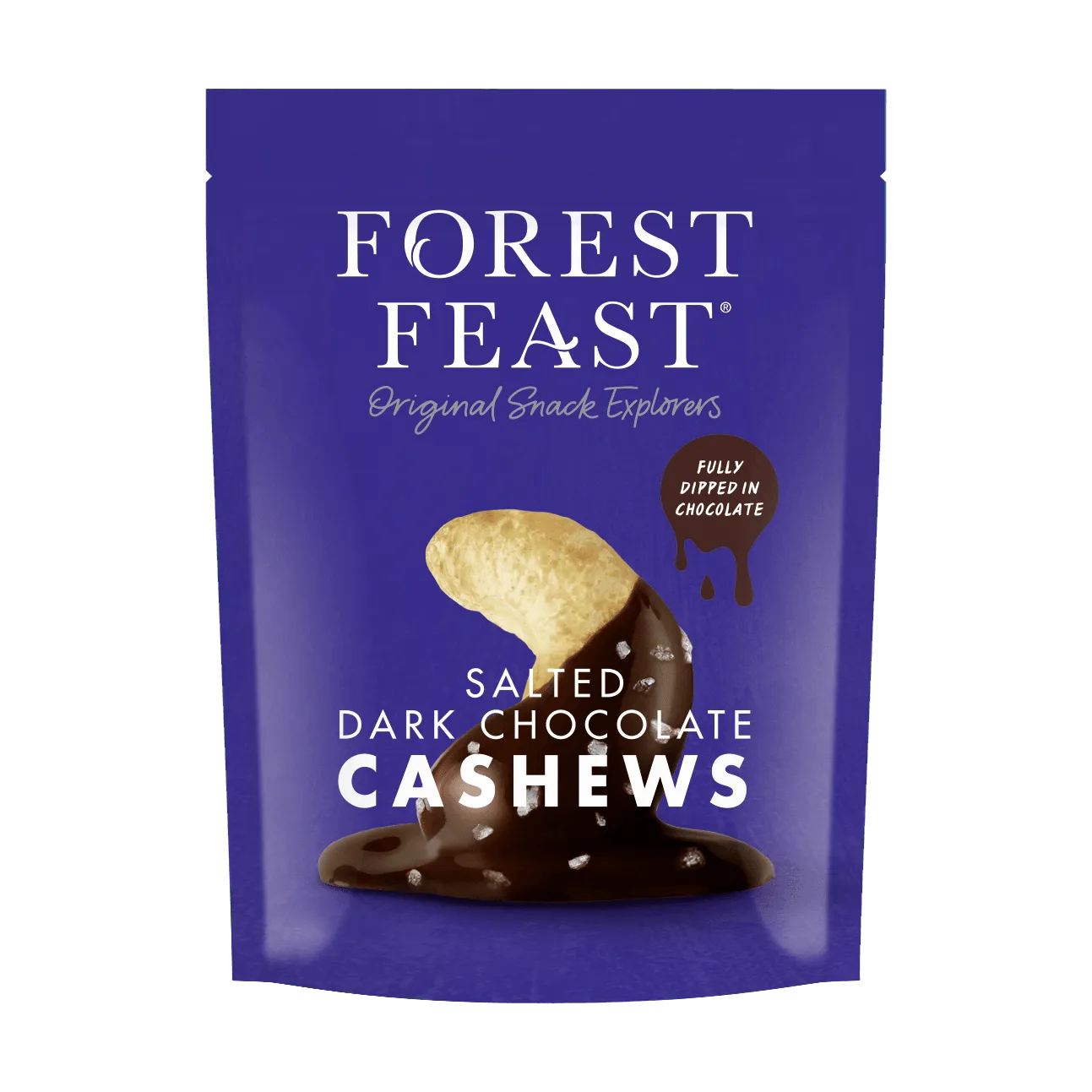
- Salted Dark Chocolate Cashews: Slowly roasted cashews submerged in dark Belgian chocolate, finished with a sprinkle of salt and a dusting of cocoa. The dark chocolate and salt combination demonstrates how a contrasting finish can balance sweetness. If you're dipping nuts at home, consider a light sprinkle of flaky salt or cocoa for a professional touch.
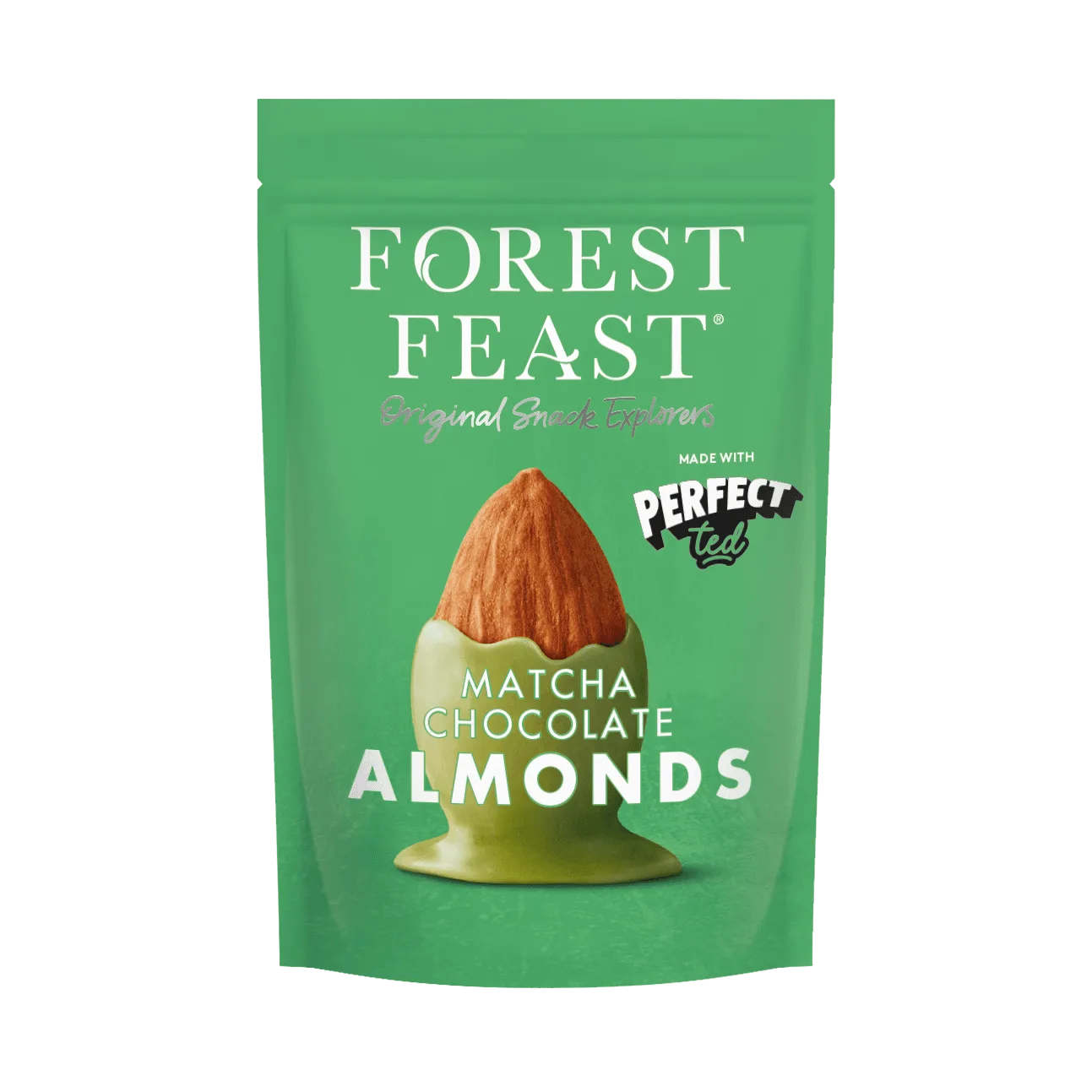
- NEW PerfectTed Matcha Chocolate Almonds: Crunchy roasted whole almonds meet velvety white chocolate blended with PerfectTed matcha. White chocolate can be tricky to melt due to its low cocoa content, but when done right it pairs beautifully with matcha. This product shows how white chocolate can be a base for creative flavor additions.