Quick answer
Start with one anchor piece you already love, then choose two supporting pieces that share either a color or a shape. Repeat one color at least twice, keep the scale of plates, glasses, and utensils in proportion, and avoid adding a third pattern. A mismatched table setting works when it looks deliberate, not when every piece competes.
Mixing dinnerware, glassware, and flatware is less about buying a matching set and more about choosing a few pieces that agree on one or two details. You can build an eclectic table setting from what you already own, then add single pieces to fill the gaps.
The method below works whether you are setting a weeknight table or planning a holiday. Each step includes the mistake that most often makes a mixed table look accidental instead of intentional.
Step 1: Choose one anchor piece and build around it
Pick the piece you want the table to be remembered for, usually a dinner plate, a set of glasses, or a serving bowl. Everything else should support it rather than compete with it. If your anchor is a patterned plate, keep the glasses and flatware quiet. If your anchor is a colored glass, let the plates stay simple.
A common mistake is treating every piece as the anchor. When plates, glasses, and flatware all have strong patterns or bright colors, the eye has nowhere to rest and the table reads as cluttered. Choose one star and let the rest play a supporting role.
- Checkpoint: cover the anchor piece with your hand. If the table looks flat without it, the anchor is doing its job.
Step 2: Repeat one color at least twice
Color is the fastest way to make mismatched pieces look related. Choose one color and use it in at least two places, such as a blue plate with a blue-tinted glass, or a black steak knife with a black napkin. The repeat does not need to be an exact match; a lighter and darker version of the same hue still reads as a family.
The mistake here is scattering too many colors with no repeat. Three unrelated accent colors turn a table into a sample sale. Two or three colors with one clear repeat is easier to coordinate and easier to expand later.
If you are working with neutral dinnerware, color can come from glassware and flatware instead. A clear glass keeps the focus on food, while a colored handle or rim adds the repeat you need.
- Checkpoint: name your color scheme in three words or fewer. If you cannot, remove one color.
Step 3: Match the scale of plates, glasses, and utensils
Proportion matters more than pattern. A large dinner plate with a tiny glass and a delicate fork looks unbalanced, even if the colors work. Aim for glasses that are roughly the same visual weight as your plates, and flatware that feels substantial enough for the food you serve.
A practical way to test this is to set one place setting and step back. If the glass disappears next to the plate, it is too small. If the fork looks like it belongs in a dollhouse, it is too light. Adjust one element at a time rather than replacing everything.
This is also where mixing plate sizes helps. A smaller dessert or lunch plate can sit on top of a larger dinner plate without adding another pattern, because the size difference creates the interest.
- Checkpoint: view the setting from three feet away. If one piece jumps out only because of its size, rebalance it.
Step 4: Mix textures and finishes, not just colors
Texture is an underused tool for coordinating tableware. A matte stoneware plate next to a clear crystal glass creates contrast without adding color. A smooth porcelain plate with a softly speckled one can share the same palette while still looking collected rather than matched.
The mistake is mixing too many high-shine finishes at once. Several glossy surfaces reflect light in different ways and can make a table look busy in photos and in person. Balance one or two shiny pieces with matte or satin ones.
Natural variation is part of the appeal. Stoneware can contain natural flecks that come to the surface during firing and may show through lighter glazes, so slight differences between pieces are expected rather than a defect.
- Checkpoint: count your finishes. Two is usually plenty for one table.
Step 5: Use single pieces to extend what you own
You do not need to replace a full set to change the look of your table. Buying single pieces is often the cheapest way to test a new color or shape before committing to a larger set. Add one new glass or one new plate, live with it for a week, and see whether it earns its place.
This approach also solves the common problem of a set that is one or two pieces short. A single steak knife or a single dessert plate can complete a setting without forcing you to buy a whole new collection.
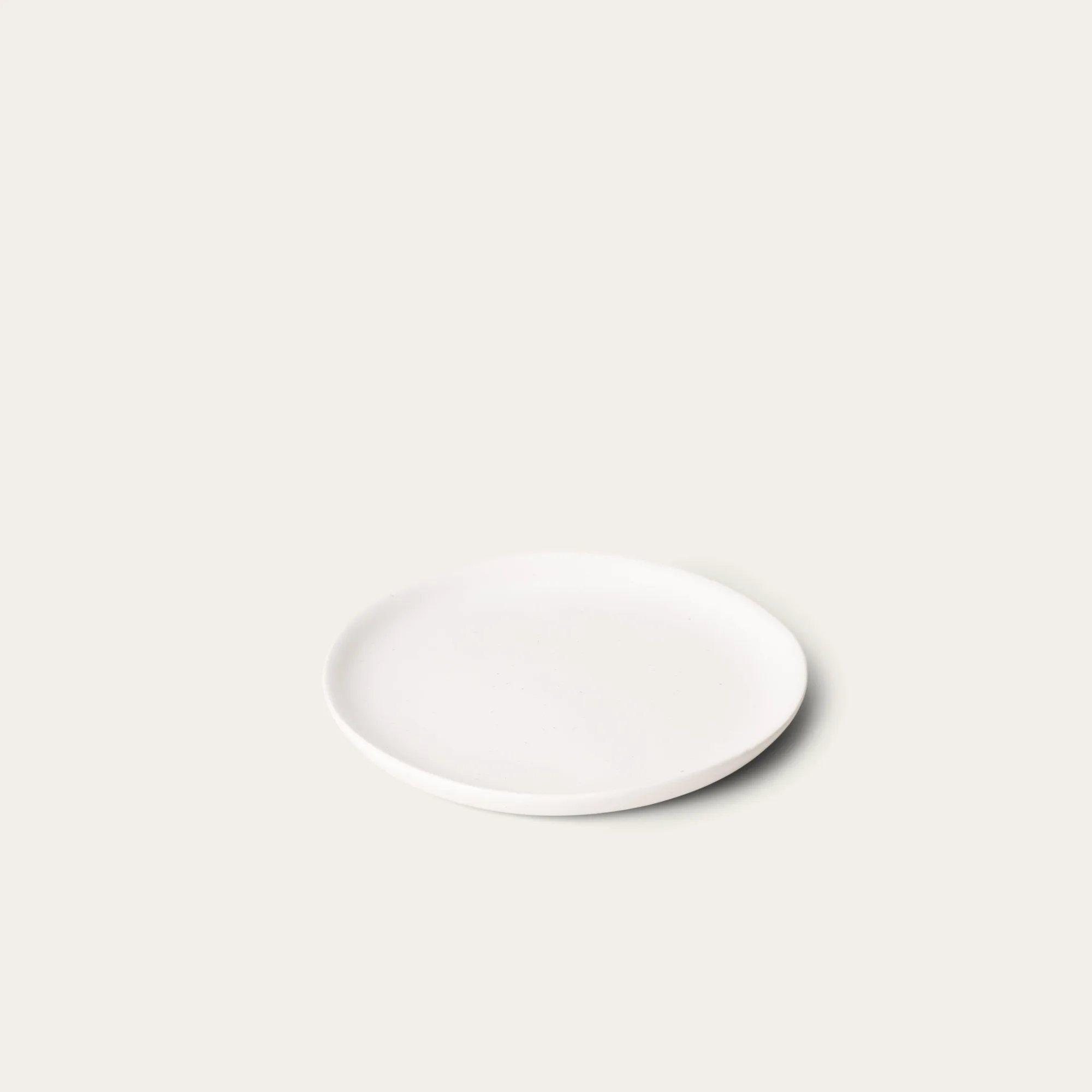
single dessert plate
The mistake is buying singles with no plan. Before you add a piece, decide which existing item it will repeat or contrast with. A single piece that relates to nothing on your table will stay in the cabinet.
- Checkpoint: every new single should connect to at least one piece you already own.
Step 6: Set the table, then edit
Lay out the full setting before guests arrive, including glasses, flatware, and any serveware. Standing back is the only reliable way to see whether the mix works. Most tables improve when one item is removed rather than added.
Edit with a specific question: does this piece repeat a color, echo a shape, or add a texture I am missing? If the answer is no, take it off the table. Restraint is what separates an eclectic table setting from a random one.
Once you have a combination you like, photograph it. A phone photo makes it easy to rebuild the same look later and to remember which pieces worked together.
- Checkpoint: remove one item and look again. If the table improves, leave it off.
Your mix-and-match table in six steps
- Anchor first: Choose the one piece you want the table to be remembered for, then keep glasses and flatware quiet around it. Mistake to avoid: treating every piece as the star.
- Repeat a color: Use one color in at least two places, such as a plate and a glass or a knife handle and a napkin. Checkpoint: if you cannot name the scheme in three words, remove a color.
- Balance the scale: Match the visual weight of plates, glasses, and utensils so no single piece looks oversized or undersized. Checkpoint: view the setting from three feet away.
- Mix textures: Pair matte and glossy finishes instead of stacking several high-shine surfaces together. Mistake to avoid: more than two finishes on one table.
- Add singles with a purpose: Use single pieces to test a color or complete a short set, choosing each one to relate to something you already own. Checkpoint: every new single should connect to an existing piece.
- Set, then edit: Lay the full table, step back, and remove one item at a time until the mix looks deliberate. Next step: photograph the final setting so you can rebuild it.
Pieces that make mixing easier
- Single Dessert Plate: The Single Dessert Plate from Fable is a dinnerware piece designed for serving desserts and small plates, available in five color options: Speckled White, Cloud White, Dove Gray, Stone Blue, and Pearl White, sold as a single plate. Five color options make it a low-commitment way to test a new accent color or add a smaller layer on top of a dinner plate without buying a full set.
- Single Steak Knife: This Single Steak Knife is part of the Fable flatware collection, offered as a single piece in a Black color option. A single black knife is an easy way to repeat a dark accent already present in your table, and it lets you extend a steak knife set without buying a full flatware collection.
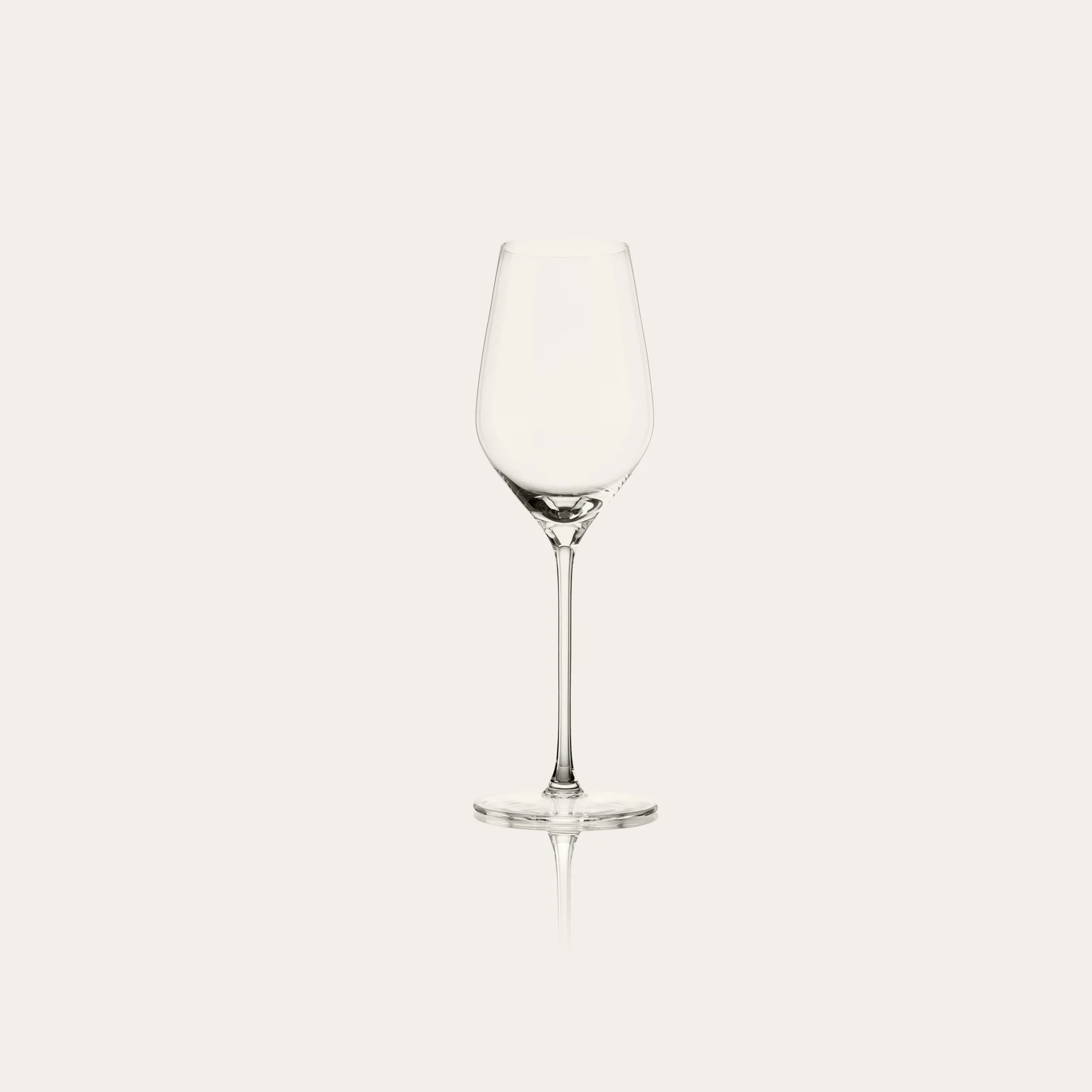
- Single Sparkling Glass: This Single Sparkling Glass is offered in a Clear color option, sold as a single glass, with a simple clear appearance that allows the contents of the glass to remain the focus. A clear single glass is the safest supporting piece when your dinnerware or flatware already carries the pattern, because it adds height and function without adding another color.
- Wine Glasses: These crystal wine glasses have an elegant pulled stem and a universal bowl, are crafted in Germany from high quality lead-safe crystal, suit all wine varietals, and come in a set of 4. A universal bowl means one set of glasses can serve white, red, and rosé, so you can invest in a single style and still mix it with different dinnerware settings.
Mixing dinnerware, glassware, and flatware works best when you choose one anchor, repeat one color, and keep scale and texture in balance. Start with what you own, add single pieces only when they connect to something already on the table, and edit until the setting looks intentional rather than accidental.