Entertaining at home is an art form, and your table setting is the canvas. Gone are the days of perfectly matching dinnerware sets; today’s most stylish hosts embrace the eclectic charm of mixing and matching tableware. Whether you’re hosting a casual brunch or an intimate dinner party, the key to an effortless look lies in balancing colors, textures, and shapes. In this guide, we’ll walk you through the principles of tableware styling, from choosing a cohesive color palette to layering linens and ceramics. You’ll learn how to create a tablescape that feels curated, not chaotic—perfect for impressing guests without the stress.
The beauty of mixing tableware is that it allows you to express your personal style while making use of pieces you already love. Instead of buying a full matching set, you can combine vintage finds with modern ceramics, or pair bold patterned plates with neutral linens. This approach not only saves money but also adds depth and character to your table. Below, we’ll explore practical tips and product recommendations to help you master the art of mix-and-match entertaining.
Start with a Cohesive Color Palette
The foundation of any successful mixed table setting is a well-chosen color palette. You don’t need every plate to match, but the colors should harmonize. Start by selecting two or three base shades—such as earthy neutrals, soft blues, or warm terracottas—and then introduce one or two accent colors for contrast. For example, a palette of cream, clay, and sage green feels grounded and elegant, while adding a pop of mustard or rust creates visual interest. Neutral tones like white, beige, and stone are forgiving and allow you to mix patterns freely.
If you’re unsure where to begin, look to your existing tableware for inspiration. A favorite ceramic plate or a linen napkin can set the tone. For a sophisticated yet relaxed look, consider pairing the Enes Cotton Bed Cover | Clay with ceramic dinner plates in similar earthy hues—the soft texture and warm tone can inspire your tablecloth or runner choice. Remember, the goal is cohesion, not uniformity. A unified color story will tie together disparate pieces, making your table feel intentional.
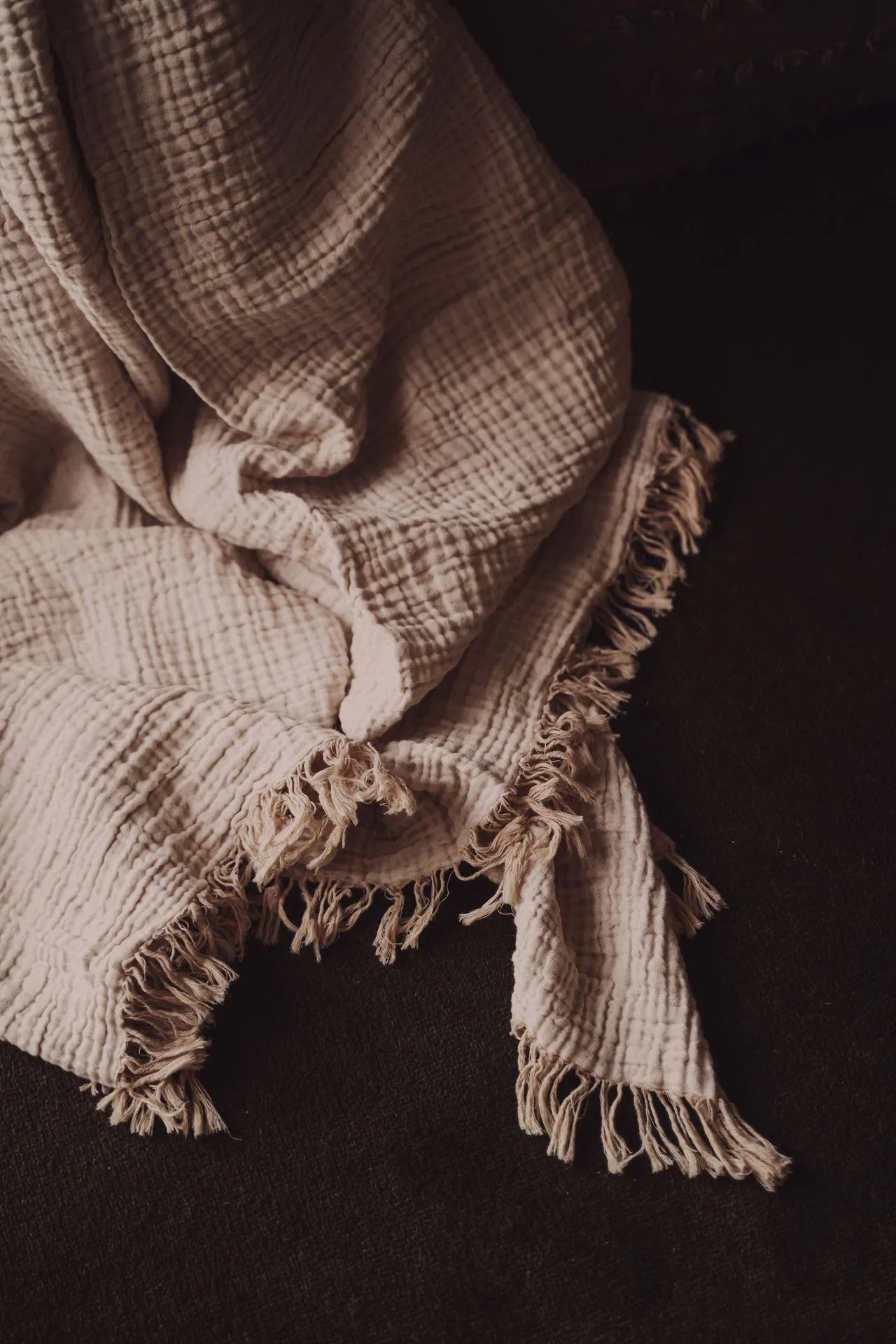
Enes Cotton Bed Cover | Clay
- Stick to 2-3 base colors and 1-2 accent colors for a balanced palette.
- Use neutral linens (like cream or stone) as a backdrop for bolder dinnerware.
- Incorporate metallic accents (gold, brass) sparingly for a touch of elegance.
Play with Textures and Materials
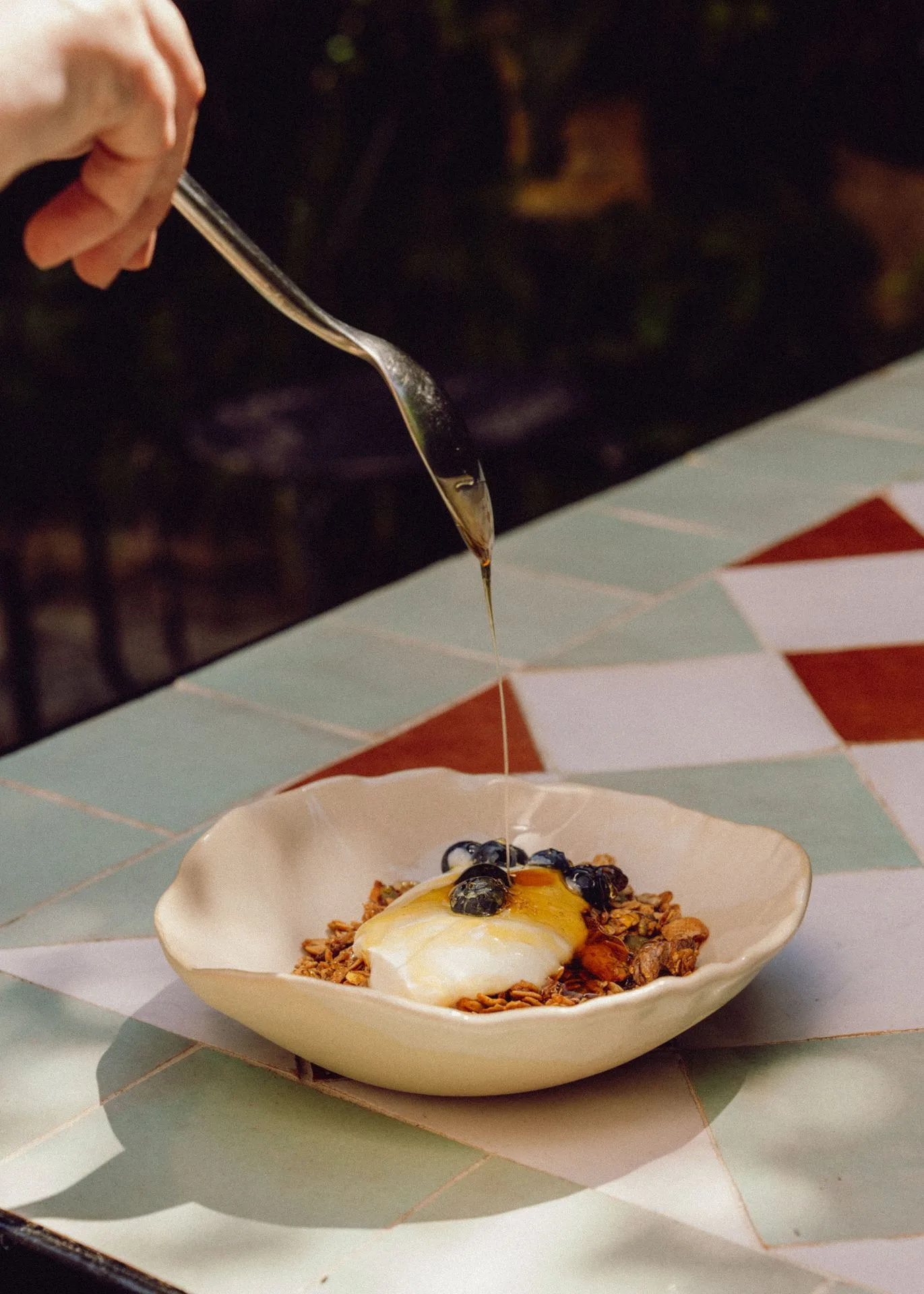
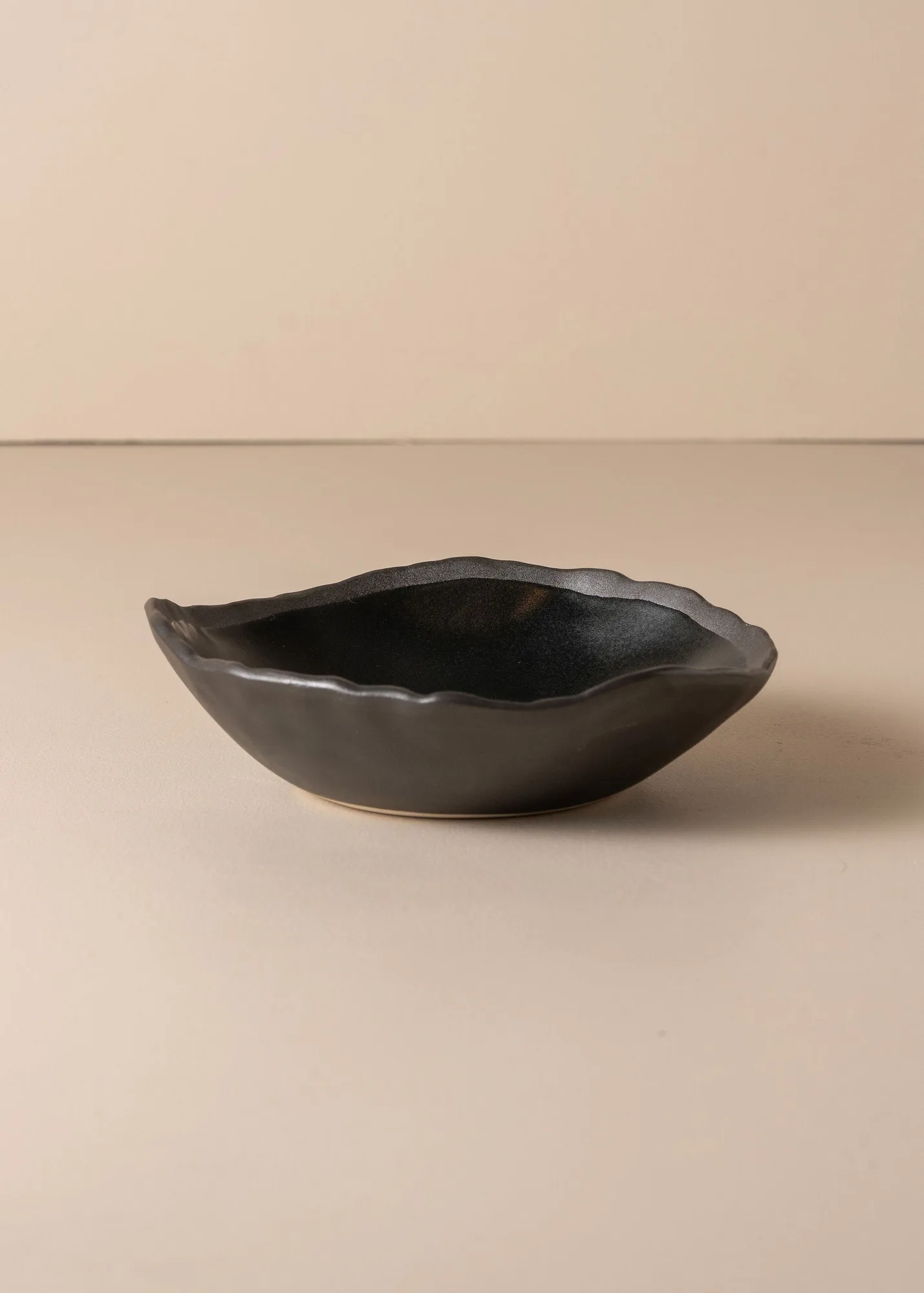
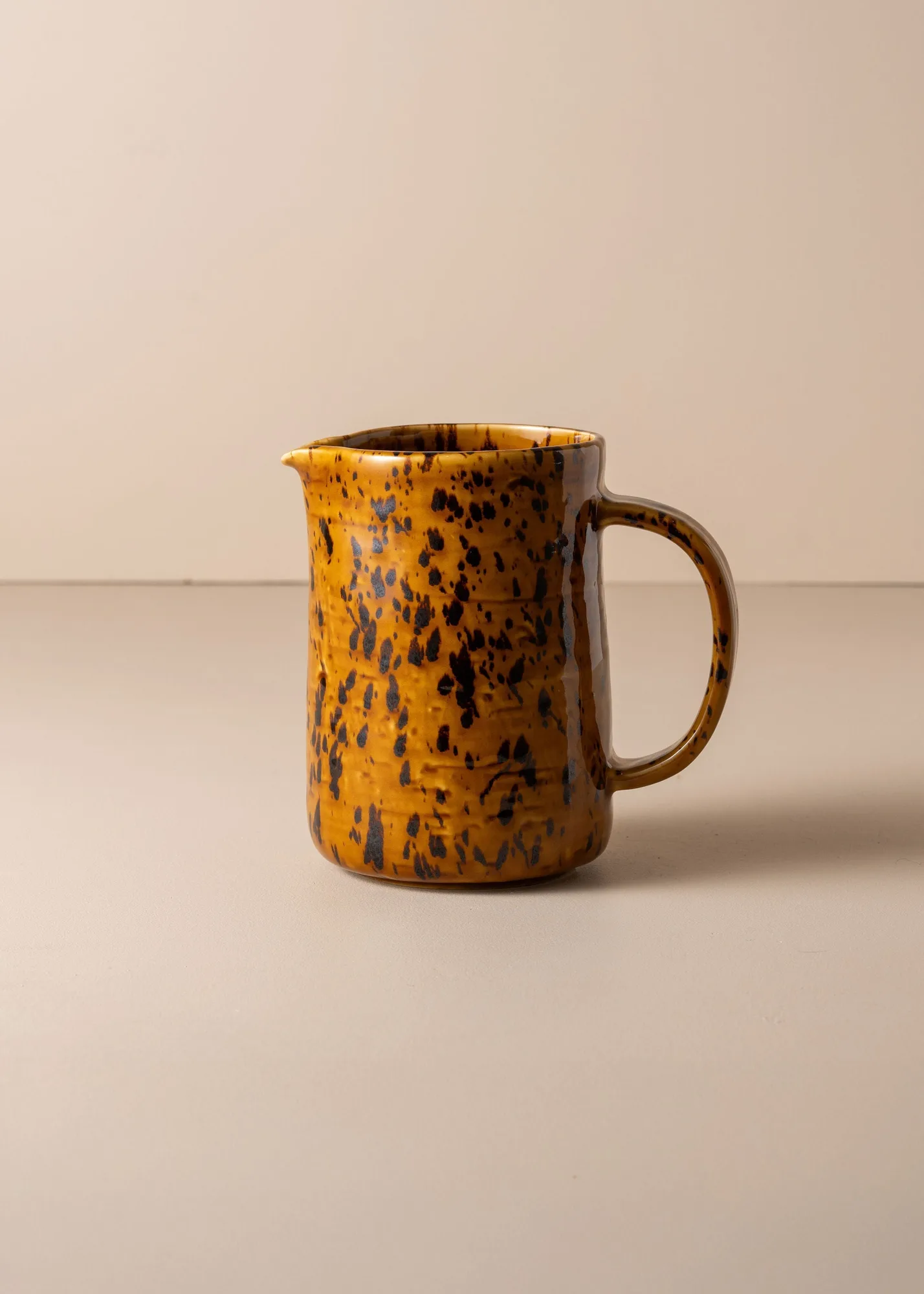
Texture is the secret ingredient that elevates a table setting from flat to fabulous. Mixing materials—such as glossy ceramic plates, matte stoneware bowls, linen napkins, and wooden serving boards—adds depth and tactile interest. When guests run their fingers over a smooth carafe or a rough-hewn platter, they engage with the table on a sensory level. This layering of textures makes the dining experience more memorable and visually dynamic.
For instance, pair a sleek, angular carafe like the Kairos Angular Carafe | Opaque White with rustic ceramic bowls for a striking contrast. The carafe’s clean lines and opaque finish bring a modern touch, while handmade plates offer warmth. Similarly, linen napkins or a linen tablecloth introduce a soft, breathable texture that balances harder surfaces. The Vintage Wash Robe | Nutmeg, while not tableware, shares that same tactile linen quality—imagine using its nutmeg hue as a color inspiration for napkins or a table runner. The key is to avoid monotony: if your plates are smooth, add a woven placemat; if your glasses are delicate, include a chunky wooden salad bowl.
- Combine glossy, matte, and rough textures for visual depth.
- Use linen or cotton napkins to soften the table’s feel.
- Mix modern pieces (like angular carafes) with organic, handmade ceramics.
Layer Patterns and Shapes for Visual Rhythm
Once you’ve nailed your palette and textures, it’s time to play with patterns and shapes. The rule of thumb is to vary the scale of patterns: pair a large floral or geometric print with smaller, subtler motifs. For example, a bold striped plate can be balanced with a delicate polka-dot or solid-colored bowl. Avoid using more than two or three distinct patterns on the same table, as too many can feel busy. Instead, let one pattern take center stage while others act as supporting players.
Shapes also matter. Mix round plates with square or rectangular serving dishes to break up the visual flow. A round dinner plate paired with a square salad plate creates an interesting silhouette. For serving, consider a long, narrow platter for bread or cheese alongside round bowls for dips. This variety keeps the eye moving across the table. To tie it all together, repeat a shape or pattern in a different element—for instance, if your plates have a scalloped edge, echo that curve in the shape of your water glasses or a ceramic trinket dish.
- Use one large-scale pattern and one small-scale pattern per table.
- Mix round and rectangular shapes for a dynamic layout.
- Repeat a motif (like scallops or stripes) in at least two different items.
Don’t Forget the Finishing Touches: Linens, Centerpieces, and Lighting
A well-mixed tableware set is only part of the equation. The finishing touches—linens, centerpieces, and lighting—complete the atmosphere. Start with a tablecloth or runner in a neutral or complementary color. Linen is an excellent choice because it adds texture and drapes beautifully. For a casual yet refined look, the Linen Bedding Set Single - Pin Stripe could inspire your table linen choice—its pin-stripe pattern offers a subtle linear element that pairs well with solid dinnerware.
Centerpieces should be low and unobtrusive so guests can see each other across the table. A cluster of small ceramic vases with fresh flowers, a single trailing vine, or a collection of candlesticks in varying heights works well. Avoid anything too tall that blocks sightlines. Finally, lighting sets the mood: dim overhead lights and use candles or a warm table lamp. The gentle glow will soften the table’s colors and make your mix-and-match pieces look cohesive and inviting.
- Choose linen or cotton tablecloths in neutral tones to anchor the setting.
- Use low centerpieces (flowers, candles, or fruit) to keep conversation flowing.
- Opt for warm, dimmable lighting to enhance the table’s ambiance.
Mixing and matching tableware is a creative and sustainable way to host with style. By focusing on a cohesive color palette, diverse textures, varied patterns, and thoughtful finishing touches, you can create a tablescape that feels both curated and effortless. Start experimenting with pieces you already own, then add a few statement items—like the Kairos Angular Carafe | Opaque White—to elevate your next dinner party. Explore our collection of ceramics, linens, and home accents to find the perfect pieces for your mix-and-match table.