Gone are the days when you had to stick to one metal tone. Mixing metals in jewelry is now a celebrated trend that adds depth, personality, and modern flair to any outfit. Whether you're layering necklaces or stacking rings, combining gold, silver, and rose gold can create a look that's uniquely yours.
In this guide, we'll walk you through the principles of mixing metals, share styling tips, and show you how to incorporate pieces like the Lou Heart Necklace and Avery Statement Bracelet into your mixed-metal jewelry collection.
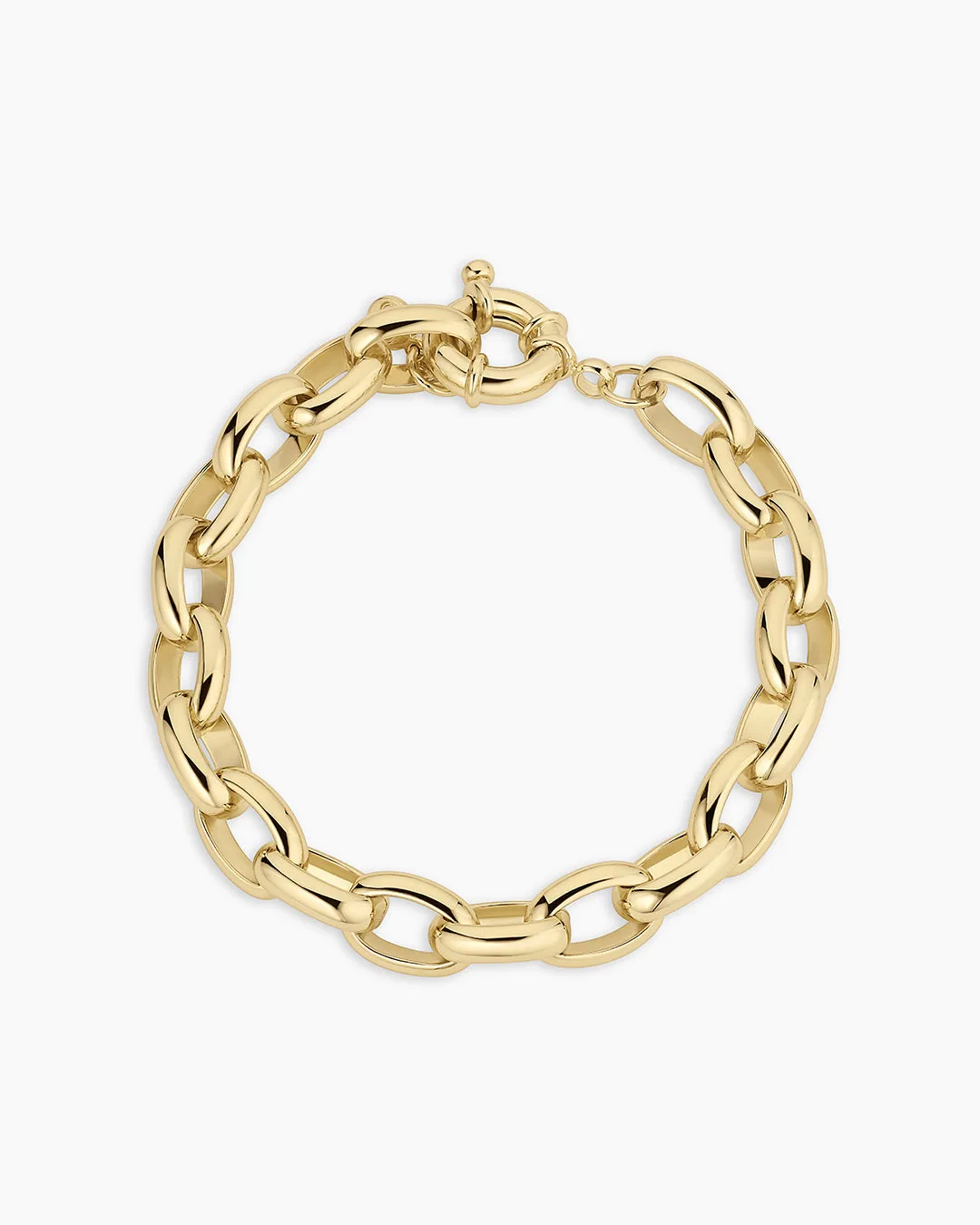
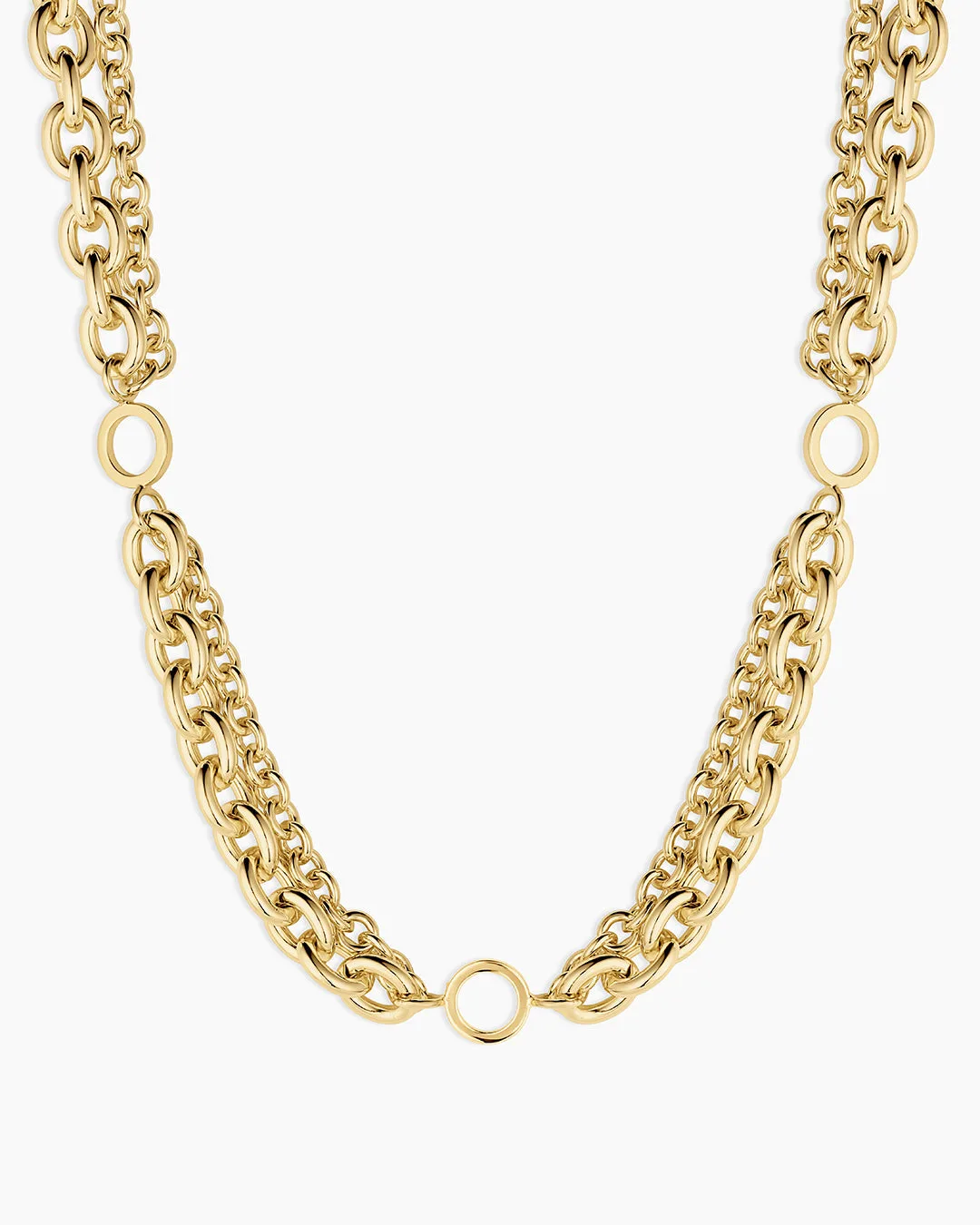
Avery Statement Bracelet
Why Mixing Metals Works
Mixing metals isn't just about breaking rules—it's about creating visual interest. Different metal tones catch light differently, adding dimension to your jewelry. A gold necklace paired with silver earrings can make both pieces stand out more than if they were monochromatic.
The key is balance. Start with two metals—like yellow gold and sterling silver—then gradually introduce a third, such as rose gold. The goal is harmony, not chaos. Think of your jewelry as a cohesive collection where each piece complements the others.
- Start with a dominant metal and add accents of another.
- Use texture and finish (matte vs. shiny) to unify different tones.
- Consider your skin undertone: warm tones pair well with gold, cool with silver.
How to Layer Necklaces with Mixed Metals
Layering necklaces is one of the easiest ways to mix metals. Begin with a short chain in one metal, then add a longer pendant in another. For instance, a delicate gold chain with a silver charm creates a subtle contrast.
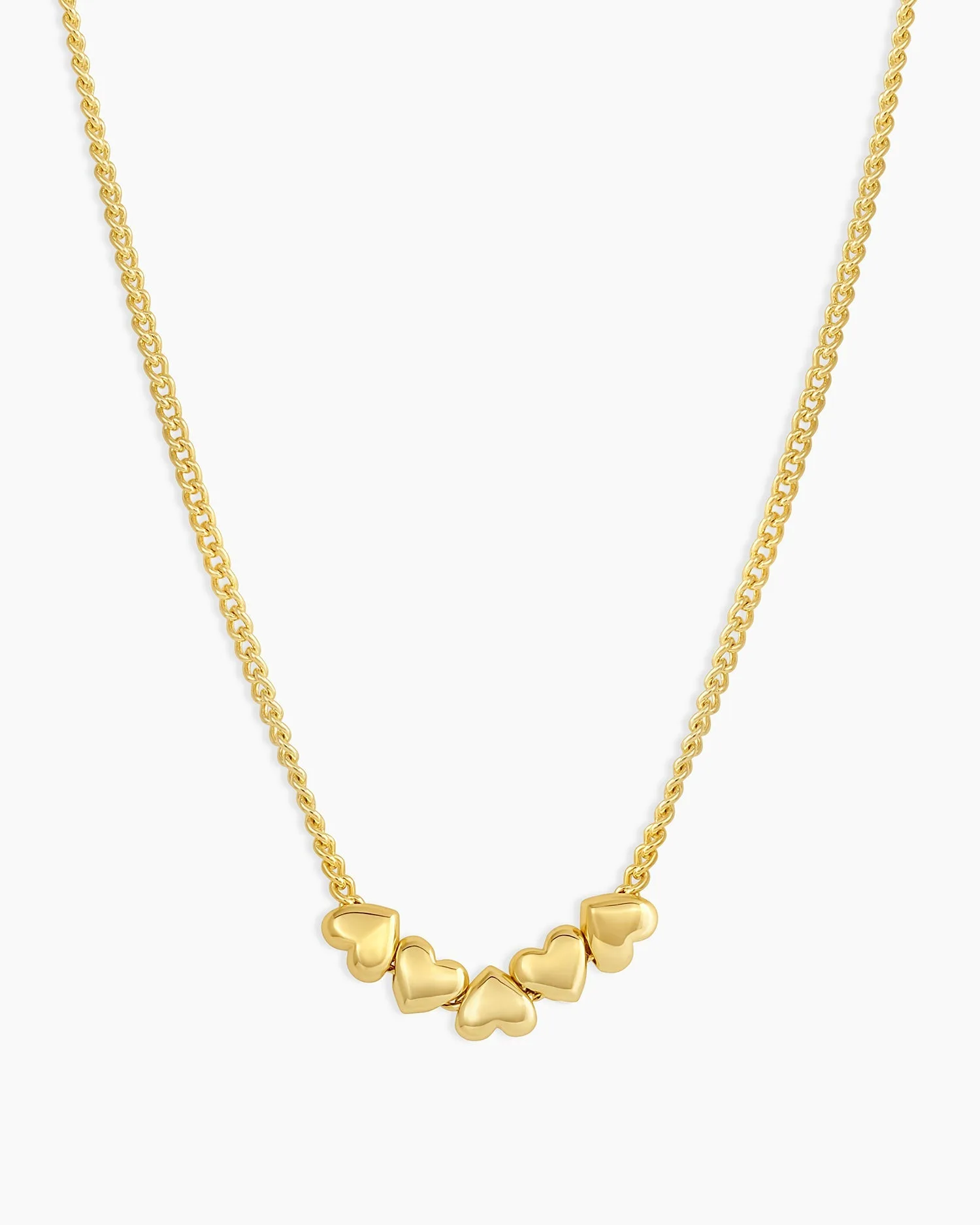
The Lou Heart Necklace is a versatile piece that works beautifully in a layered look. Its warm gold tone pairs effortlessly with silver or rose gold chains. Add a longer pendant like the Bryce Necklace for a balanced, multi-metal stack.
- Use a focal piece as your anchor—like a mixed-metal pendant.
- Vary chain lengths: 16-inch, 18-inch, and 20-inch for depth.
- Keep the number of necklaces to 2-3 to avoid a tangled look.
Mixing Metals in Earrings and Bracelets
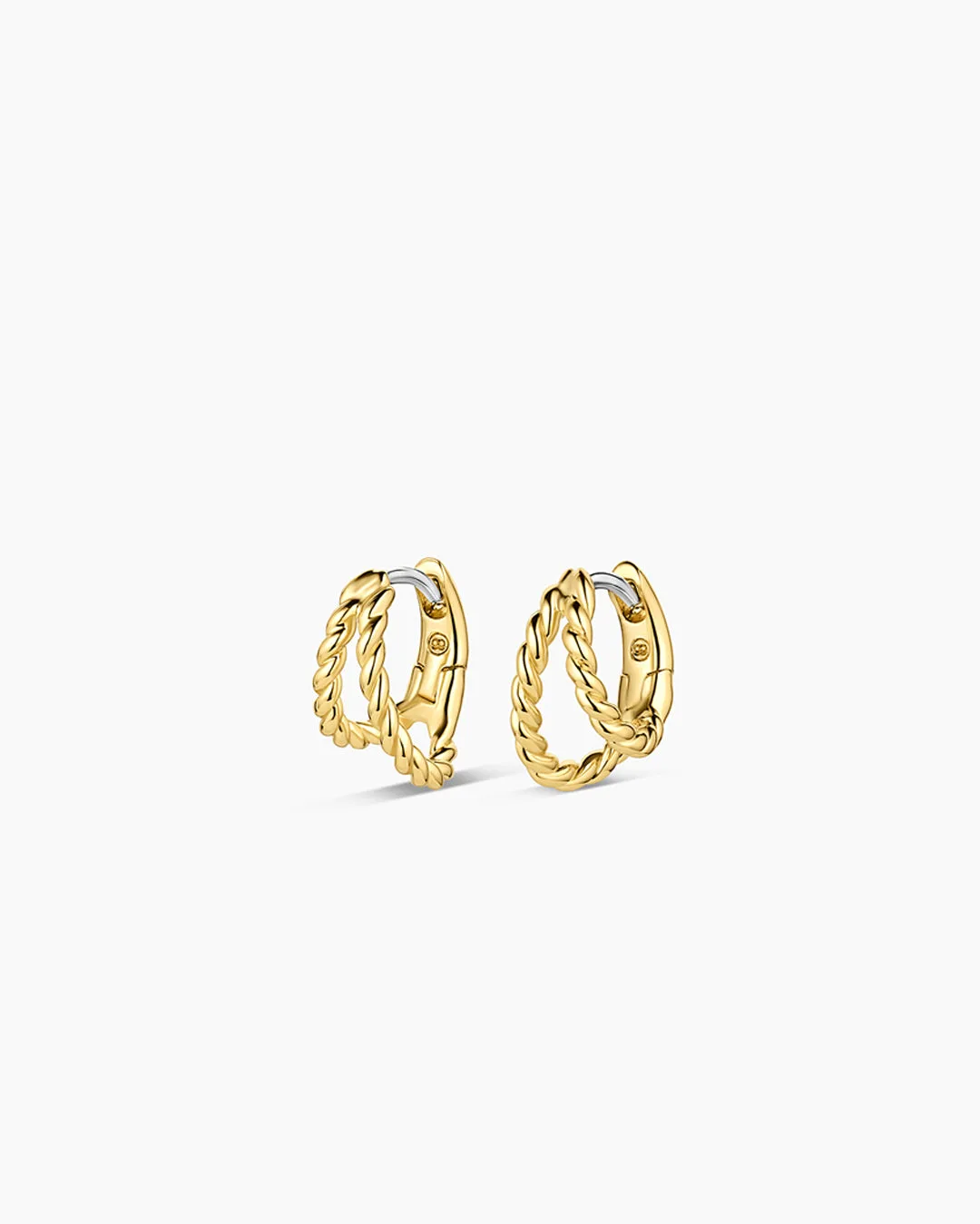
Earrings are a great place to experiment with mixed metals. Try wearing gold hoops in one ear and silver studs in the other, or choose earrings that combine both metals, like the Crew Split Huggies, which feature a two-tone design.
For bracelets, stacking is key. The Avery Statement Bracelet, with its bold gold links, can be paired with a silver bangle or a beaded bracelet. The contrast between the warm gold and cool silver creates a dynamic wrist stack.
- Mix metal finishes: polished gold with matte silver.
- Add a leather or beaded bracelet to bridge different metals.
- Use a watch as a neutral anchor—silver or gold cases work with both.
Common Mistakes to Avoid
One common mistake is wearing too many competing pieces. If you have a chunky gold necklace, pair it with simpler silver earrings. Another pitfall is ignoring the hardware on your clothing—belt buckles, zippers, and buttons can clash with your jewelry metals.
Also, avoid mixing too many different metal colors at once. Stick to two or three tones, and let one dominate. Finally, don't forget about gemstones and pearls—they can act as neutral bridges between metals.
- Limit to 2-3 metal tones per outfit.
- Match the metal finish (e.g., all polished or all matte) for cohesion.
- Consider the occasion: mixed metals work for casual and formal looks.
Mixing metals in jewelry is a creative way to express your personal style. Start with a few key pieces like the Avery Statement Bracelet or the Lou Heart Necklace, and experiment with layering and stacking. With these tips, you'll master the art of mixed metals in no time.