A well-organized nursery can make a world of difference for new parents. With a baby’s arrival comes an avalanche of tiny clothes, diapers, toys, and feeding supplies. The key to keeping your sanity is smart storage—and nursery storage pockets are one of the most versatile and underrated tools in your organization arsenal. Whether you’re working with a spacious room or a compact corner, these pockets help you maximize vertical space, keep essentials within arm’s reach, and maintain a calm, clutter-free environment.
In this guide, we’ll explore how to use storage pockets effectively in your baby’s nursery. From hanging organizers on the back of the door to incorporating pocketed bins inside the closet, you’ll learn practical strategies for every area of the room. We’ll also highlight a few must-have Mushie products that complement your organization system, such as the Organic Cotton Sleep Bag and the Muslin Nursing Cover, which can be stored neatly in pocketed caddies for quick access during nighttime routines.
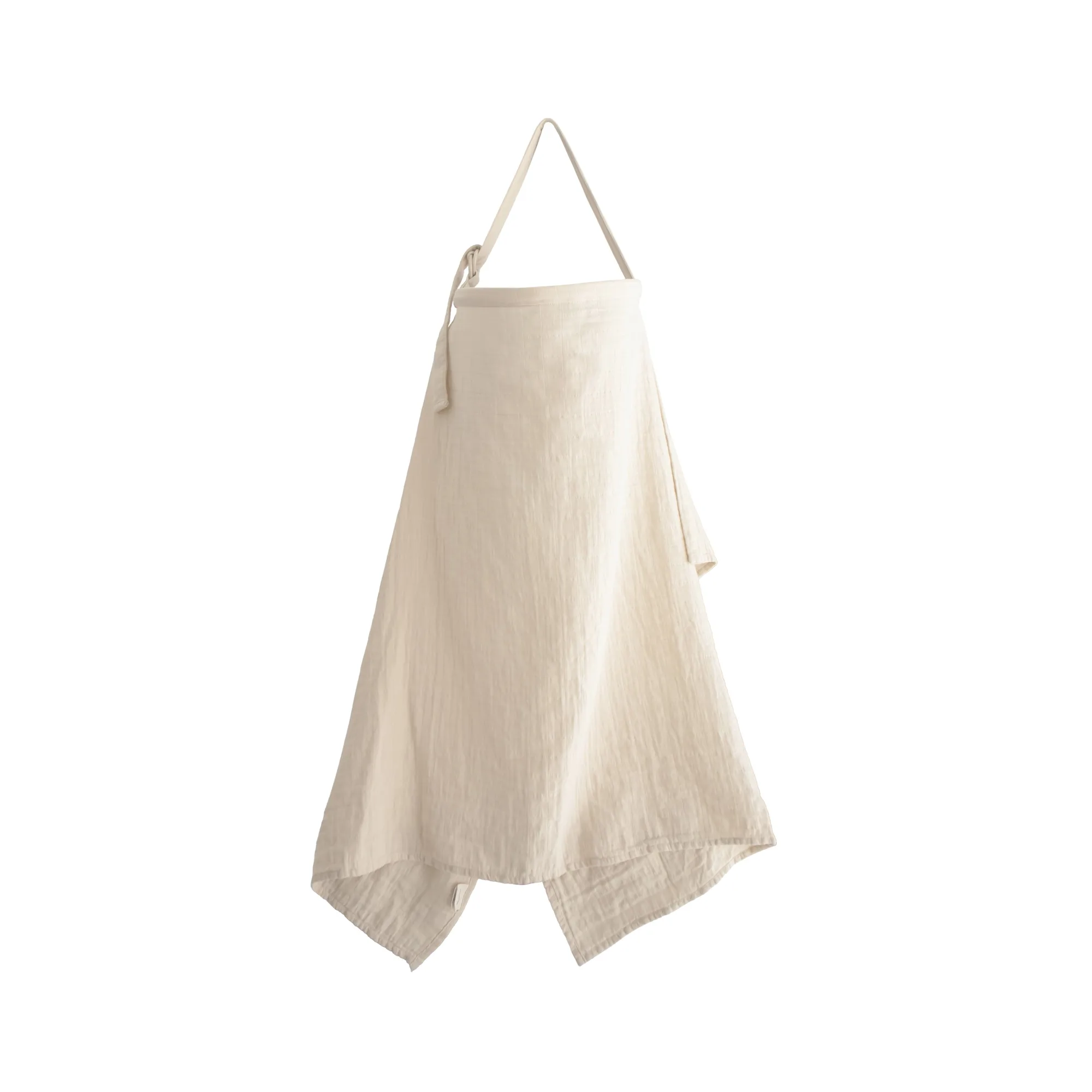
Muslin Nursing Cover
Why Nursery Storage Pockets Are a Game-Changer
Nursery storage pockets are essentially fabric or mesh compartments that attach to walls, doors, cribs, or inside closets. They come in various sizes and configurations, allowing you to store everything from diapers and wipes to pacifiers and lotions. The beauty of these pockets is that they keep items visible and organized without taking up precious floor or shelf space. For example, a hanging pocket organizer on the back of the nursery door can hold burp cloths, socks, and small toys, freeing up dresser drawers for larger items like blankets and sleep sacks.
Another advantage is that storage pockets make it easy to categorize items. You can assign one pocket for diapers, another for creams, and a third for extra onesies. This system is especially helpful during late-night diaper changes when you need to grab supplies quickly without fumbling through drawers. Plus, many pocket organizers are designed to grow with your child—they can later hold art supplies, books, or small toys as your baby becomes a toddler.
- Use over-the-door pocket organizers for lightweight items like bibs, socks, and burp cloths.
- Attach a small pocket caddy to the side of the changing table for diapers, wipes, and diaper cream.
- Hang a mesh pocket organizer inside the closet to store shoes, hats, and mittens.
Choosing the Right Storage Pockets for Your Nursery
When selecting storage pockets, consider the material, size, and attachment method. Fabric pockets are soft and gentle on baby items, while mesh pockets offer breathability—great for storing pacifiers or teethers that need to dry quickly. Look for organizers with reinforced stitching and sturdy grommets or hooks to ensure they can hold weight without sagging. Mushie’s Silicone Drain Stopper, for example, is a small but essential item you might want to keep in a dedicated pocket near the sink for bath time convenience.
Also think about the layout of your nursery. If you have a crib with a solid headboard, you can use a crib pocket organizer that hangs over the side to hold a pacifier, a small book, or a teether like the Bear Teether. For closet organization, consider multi-pocket hanging shelves that can hold folded clothes, swaddles, and even a few toys. The key is to choose pockets that match your storage needs and are easy to access from your baby’s changing area or feeding chair.
- Opt for clear or mesh pockets so you can see contents at a glance.
- Choose organizers with removable or adjustable hooks for flexibility.
- Select pockets that are machine washable for easy cleaning.
Creative Ways to Use Storage Pockets in Every Zone
The nursery can be divided into zones: sleeping, changing, feeding, and play. Storage pockets can enhance each zone. For the sleeping zone, attach a small pocket to the side of the crib to hold a pacifier or a lovey. In the changing zone, a wall-mounted pocket organizer near the changing table can keep diapers, wipes, and rash cream within reach. For feeding, a pocket caddy on the back of the nursery door can store burp cloths, bibs, and a few bottles or cups. Mushie’s Dinnerware Cups are perfect for storing in a feeding zone pocket—they’re lightweight and easy to grab when your baby is ready for a snack.
Don’t forget the play zone! A low-hanging pocket organizer can hold small toys, rattles, and teethers like the Animal Ring Teethers, making it easy for your little one to choose their own playthings as they grow. You can also use pockets to store books vertically, which encourages early literacy and keeps the floor tidy. By assigning pockets to specific zones, you create a home for every item and make cleanup a breeze.
- Label pockets with fabric markers or tags to help family members and caregivers find items quickly.
- Rotate pocket contents seasonally—store summer hats in one pocket and winter mittens in another.
- Use a pocket organizer with larger compartments for bulkier items like swaddles or small blankets.
Integrating Storage Pockets with Other Nursery Storage Solutions
Storage pockets work best when combined with other organization systems. For instance, you can use a hanging closet organizer with pockets for folded onesies and pants, while keeping larger items like the Organic Cotton Sleep Bag on a shelf or in a drawer. Pocket organizers can also be used inside dresser drawers to separate socks, bibs, and burp cloths. This layered approach ensures that every item has a designated spot, reducing clutter and making daily routines smoother.
Another idea is to use a pocket caddy on the changing table to hold the Muslin Nursing Cover, which you can grab quickly when feeding your baby in a public space or at home. By pairing pocket storage with baskets, bins, and shelf dividers, you create a cohesive system that adapts to your baby’s changing needs. Remember to regularly declutter and reassess what you store—items your baby has outgrown can be donated or passed on to make room for new essentials.
- Combine pocket organizers with clear bins for small items like hair clips and pacifier clips.
- Use a tiered hanging pocket system in the closet to maximize vertical space.
- Keep a small pocket caddy near the rocker or glider for nursing pads, burp cloths, and a water bottle.
Maintaining and Updating Your Nursery Storage Pockets
To keep your nursery storage pockets functional and hygienic, clean them regularly. Most fabric and mesh pockets can be wiped down with a damp cloth or tossed in the washing machine on a gentle cycle. Check the hooks and attachments periodically to ensure they’re secure, especially as you add more items. As your baby grows, update the contents of the pockets to match their developmental stage. For example, replace newborn socks with toddler socks and add small toys or art supplies.
Consider seasonal adjustments as well. In winter, store extra mittens and hats in a pocket near the door. In summer, swap them for sun hats and swim diapers. By keeping your storage pockets organized and current, you’ll maintain a nursery that works for your family year-round. And don’t forget to involve your little one as they get older—let them help choose which toys go into which pocket, teaching them early organization skills.
- Wash pocket organizers monthly to prevent dust and allergen buildup.
- Rotate pocket contents every season to match weather and clothing needs.
- Replace worn-out pockets to maintain a neat appearance and safe storage.
Organizing your baby’s nursery with storage pockets is a simple, affordable, and effective way to keep everything in its place. By choosing the right pockets, zoning your space, and integrating them with other storage solutions, you can create a calm and functional room for both you and your baby. Ready to get started? Explore Mushie’s collection of nursery essentials, including the versatile Organic Cotton Sleep Bag, to complement your new organization system and make every day a little easier.