Quick answer
Start by emptying the case and sorting everything into keep, relocate, and discard piles. Then build a small core kit of pens, pencils, and erasers that you actually use, and give each item a fixed spot. Finish with a weekly two-minute reset so the case stays organized instead of becoming a junk drawer.
A pencil case should make your day easier, not add friction. If you are digging for a working pen or discovering a dried-out highlighter mid-meeting, the case has stopped doing its job. The fix is not buying more compartments; it is deciding what belongs inside and where it lives.
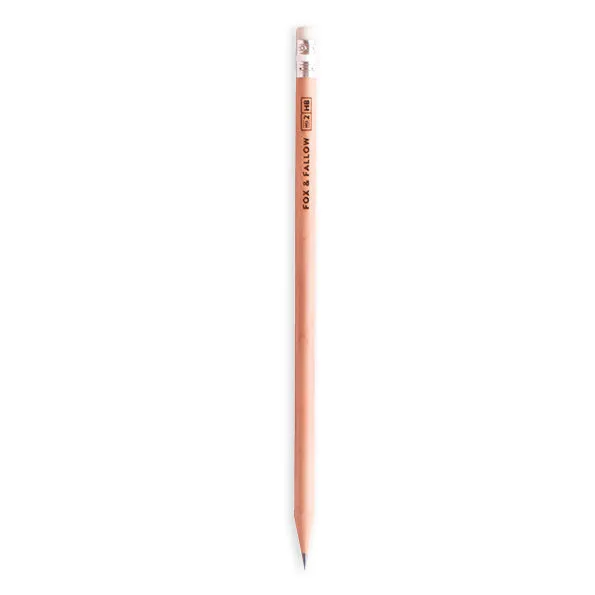
pencil
This guide walks through a practical pencil case organization routine you can repeat in a few minutes. It works for a school pencil case, a work pencil case, or one case that moves between both.
Step 1: Empty the case and sort every item
Tip everything onto a flat surface. Sort into three piles: keep, relocate, and discard. Keep only items you used in the last two weeks. Relocate anything that belongs elsewhere, such as a charger, a hair tie, or a loose receipt. Discard pens that skip, pencils shorter than your thumb, and dried-out markers.
A common mistake is skipping the discard pile because it feels wasteful. But a broken pen still takes up space and slows you down every time you reach past it. If you are unsure, set the item aside in a small box for one month. If you never reach for it, let it go.
- Checkpoint: every item in the keep pile should have a clear job.
Step 2: Build a small core kit
For most students and office workers, a core kit is enough: two black pens, one blue pen, one pencil, one eraser, one highlighter, and a small ruler. Add a correction tape or a spare lead refill only if you use it weekly. A smaller kit is faster to scan and harder to clutter.
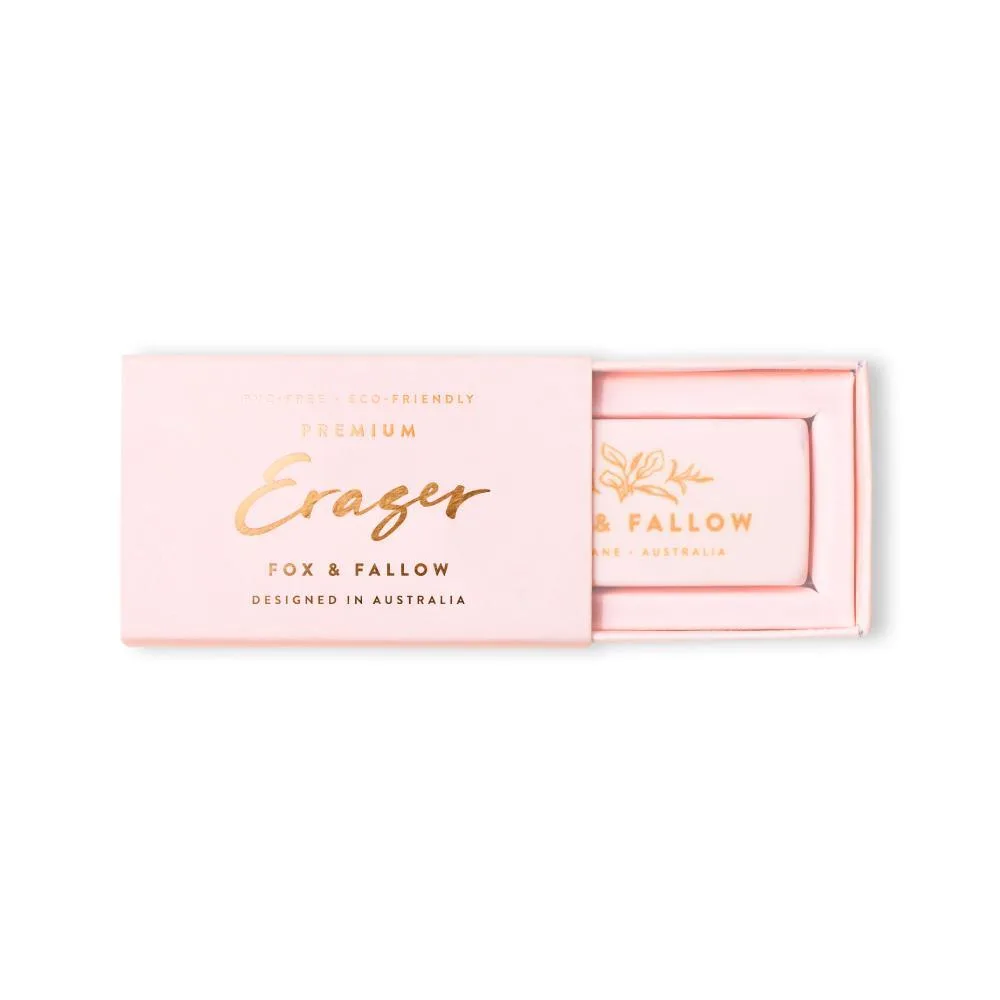
eraser
If you carry a separate work pencil case, keep the kit role-based. A meeting case might hold a pen, a pencil, and one highlighter. A study case might add a second highlighter color and sticky notes. The goal is to match the kit to the task, not to fill every slot.
- Common mistake: packing for a hypothetical day instead of your real routine.
Step 3: Give each item a fixed spot
Assign a home to every item. Pens go in the main compartment, eraser and sharpener in a small side pocket, and sticky notes or a small notebook in a separate sleeve. If your case has no pockets, use a slim pencil pouch inside the main case to group small items. Fixed spots mean you can check at a glance whether something is missing.
For a work pencil case, keep the layout identical to your school setup if you use both. Muscle memory matters more than a clever layout you have to relearn. If you switch bags often, move the whole case rather than repacking loose items.
- Checkpoint: you should be able to name where each item lives without opening the case.
Step 4: Use a simple diy pencil case organizer for loose items
If your case has one big compartment, a diy pencil case organizer can add structure without buying a new case. A cut-down cardboard tray, a small zippered pouch, or a folded card divider can separate pens from clips, leads, and erasers. Keep the divider low so it does not block the zipper.
Do not overbuild it. A divider that takes ten minutes to assemble and falls apart in a week is worse than no divider. Test your organizer for one week before making a second one for another bag.
- Common mistake: adding a divider so tall that the case no longer closes flat.
Step 5: Reset weekly and replace as needed
Once a week, empty the case, remove trash, and test each pen on scrap paper. Replace anything that skips or leaks. Wipe the inside with a dry cloth or a lightly damp one, then let it dry fully before closing. This two-minute reset prevents ink stains and keeps the case from slowly filling with dead pens.
If you share a case with a child, do the reset together so they learn what belongs inside. A quick check before a school week is easier than a full clean-out later.
- Checkpoint: after the reset, the case should close without force.
Your pencil case reset in 5 steps
- Empty and sort: Tip everything out and sort into keep, relocate, and discard piles. Keep only what you used in the last two weeks. Checkpoint: the keep pile should fit your case with room to spare.
- Build the core kit: Choose two black pens, one blue pen, one pencil, one eraser, one highlighter, and a small ruler. Add extras only if you use them weekly. Common mistake: packing for a hypothetical day instead of your real routine.
- Assign fixed spots: Give every item a home: pens in the main compartment, eraser and sharpener in a side pocket, notes in a sleeve. Checkpoint: you should know where each item lives without opening the case.
- Add a simple divider if needed: Use a small pouch or a low cardboard divider to separate small items. Keep it low enough that the case still closes flat. Common mistake: building a divider that falls apart within a week.
- Reset weekly: Empty, wipe, test pens, and replace anything that skips or leaks. Let the case dry fully before closing. Checkpoint: the case should close without force after the reset.
Product facts that support this routine
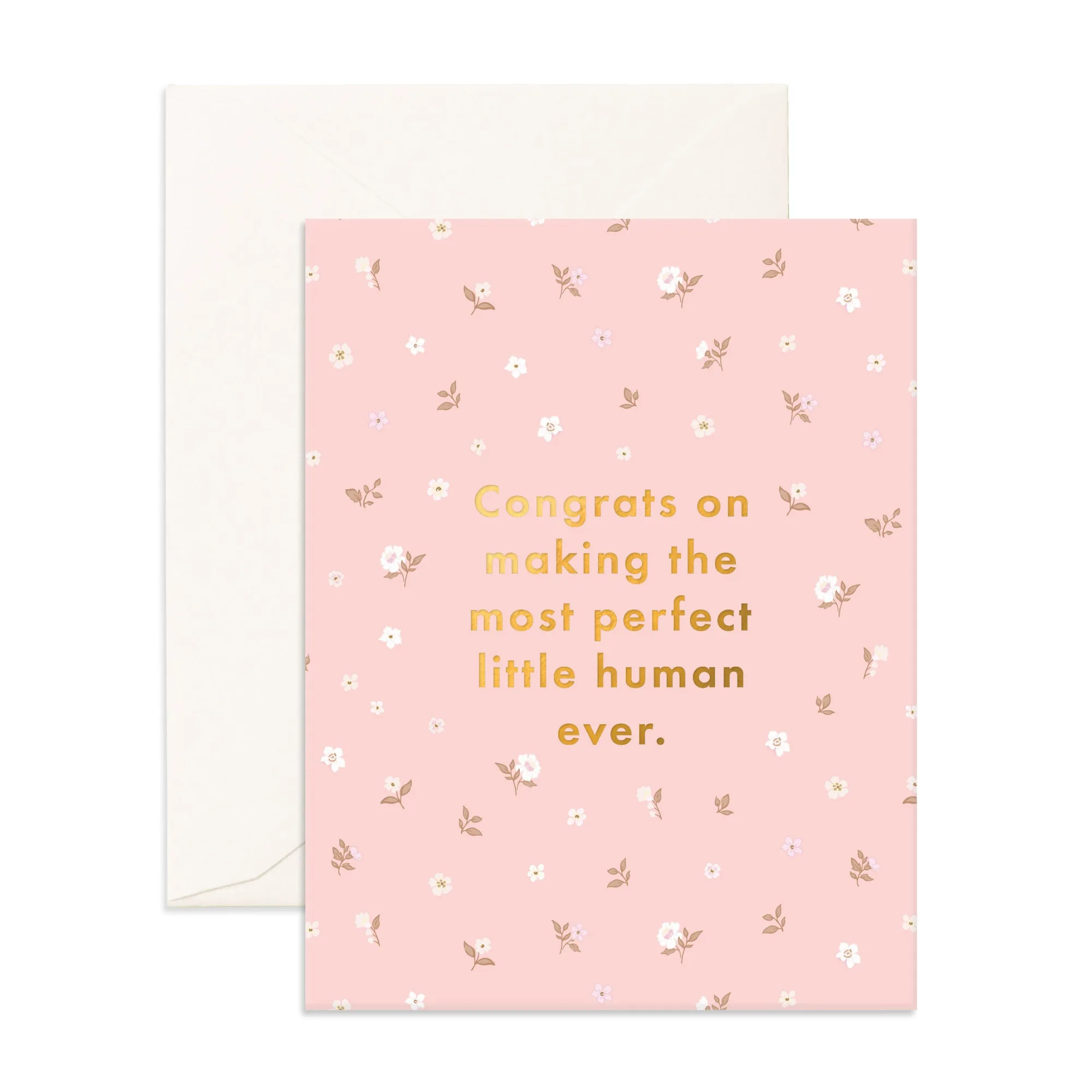
- Perfect Human Dusty Roses Greeting Card: Format: 108 x 140mm / 4.25 x 5.5 inches. Material: Uncoated Card Stock. Process: Full-color + Foil Stamp. Features: Blank Interior. Foil: Gold Metallic Foil. Envelope: Cream. Designed & made in Australia. A flat card like this can be tucked into a pencil case as a spare note or used as a stiff divider to separate pens from clips, since it is thin enough not to bulk up the case.
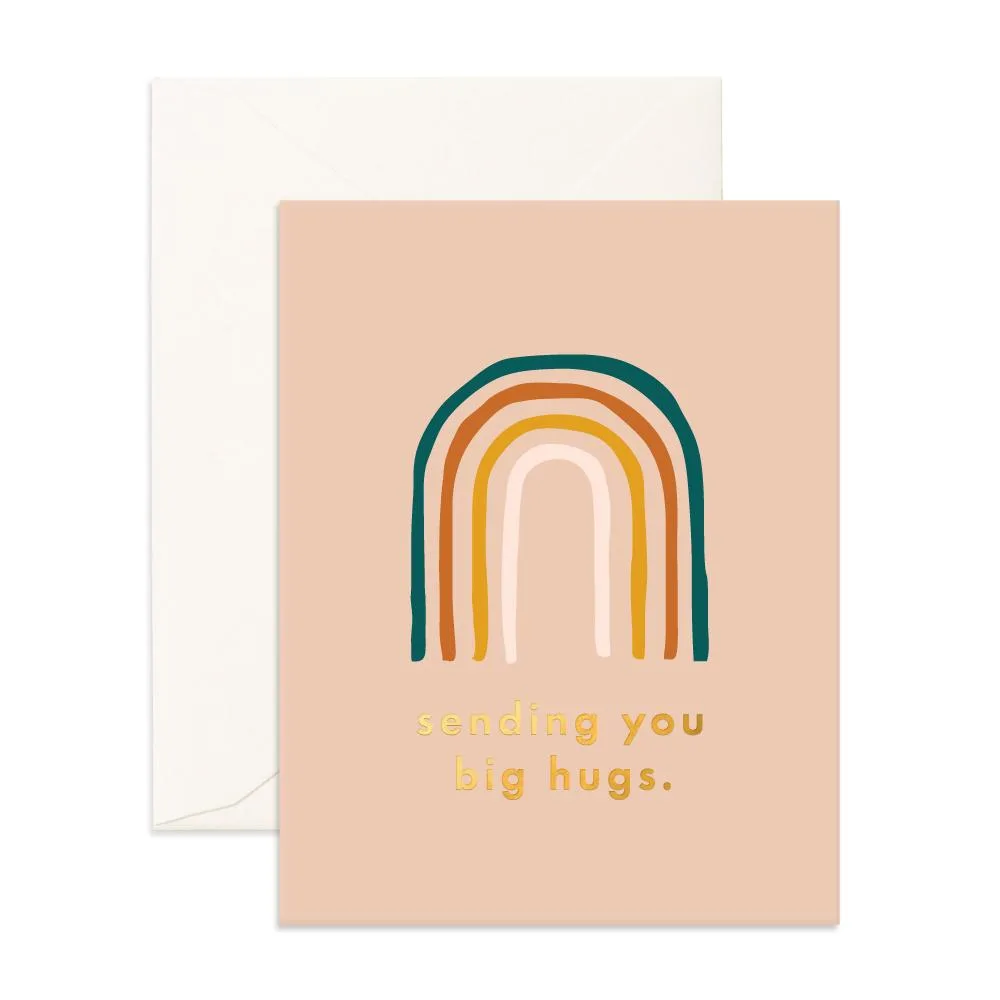
- Big Hugs Rainbow Greeting Card: Format: 108 x 140mm / 4.25 x 5.5 inch. Material: Warm White Uncoated Card Stock. Process: Full-color + Foil Stamp. Features: Blank Interior. Foil: Gold Metallic Foil. Envelope: Cream. Origin: Made in Australia. The blank interior makes it useful as a quick note card for a teacher or coworker, and the card stock can double as a simple divider inside a pencil case.
A pencil case works best when it holds a small, known kit and nothing else. Run the five-step reset once, then repeat the weekly check. If you want a flat card that doubles as a divider or a spare note, the Perfect Human Dusty Roses Greeting Card and Big Hugs Rainbow Greeting Card are both sized to slip inside without adding bulk.