Quick Answer
Organize a toddler's playroom by sorting toys into categories, using labeled baskets for small items, and placing a low bookshelf for books and display. Rotate toys to keep the space fresh, and involve your toddler in cleanup with simple, accessible storage. Start with a decluttering session to keep only what your child actually plays with.
A toddler's playroom can quickly become a whirlwind of toys, books, and art supplies. Without a system, cleanup becomes a daily battle, and finding a specific toy feels like a treasure hunt. But with the right storage solutions—think baskets and bookshelves—you can create a space that's both functional and inviting for your little one.
In this guide, we'll walk you through a step-by-step process to organize your toddler's playroom using baskets and bookshelves. You'll learn how to sort, store, and display toys in a way that encourages independent play and makes tidying up a breeze.
Step 1: Declutter and Sort Toys by Category
Before you can organize, you need to declutter. Empty all toy bins and shelves, and sort everything into piles: keep, donate, and discard. Be honest about what your toddler actually plays with. Broken toys, missing pieces, and items they've outgrown can be passed on or thrown away.
Once you've whittled down the collection, group the remaining toys into broad categories: building blocks, puzzles, vehicles, stuffed animals, art supplies, and books. This makes it easier to assign each category a dedicated storage spot.
- Involve your toddler in the decluttering process to teach them about giving and letting go.
Step 2: Choose the Right Baskets for Small Items
Baskets are perfect for corralling small toys like blocks, cars, and craft supplies. Look for sturdy baskets with handles that are easy for little hands to carry. Open-top baskets are ideal because they allow your toddler to see what's inside and put things away without lifting a lid.
Consider using a mix of sizes: small baskets for tiny items like puzzle pieces, and larger ones for bulkier toys. Label each basket with a picture or word to help your toddler identify where things belong. This not only aids in organization but also reinforces early literacy skills.
- Use clear or mesh baskets if you want to see contents at a glance, but fabric baskets hide clutter better.
Step 3: Incorporate a Low Bookshelf for Books and Display
A low bookshelf is a cornerstone of any toddler playroom. It keeps books within reach and allows you to display a few toys or treasures at eye level. Choose a sturdy, child-sized shelf that's anchored to the wall for safety.
Arrange books with covers facing forward to make them more inviting. Use the top of the shelf to display a few special toys or a framed picture, but avoid overcrowding. Reserve lower shelves for baskets of toys that your toddler can access independently.
- Rotate books and toys on the shelf weekly to keep your toddler's interest piqued.
Step 4: Create Zones for Different Activities
Divide the playroom into zones based on activities: a reading corner with the bookshelf, a building zone with blocks and construction toys, an art area with supplies, and a cozy spot for imaginative play. This helps your toddler understand where each activity happens and makes cleanup more intuitive.
Use rugs or mats to define each zone. For example, a soft rug under the bookshelf creates a reading nook, while a washable mat under the art area protects the floor. Keep frequently used items in each zone so your toddler doesn't have to trek across the room.
- Ensure pathways between zones are clear to prevent tripping and encourage easy movement.
Step 5: Implement a Toy Rotation System
To prevent overwhelm and extend the life of toys, rotate them. Store a portion of toys in a closet or garage and swap them out every few weeks. This keeps the playroom feeling fresh and encourages deeper engagement with fewer items.
When rotating, involve your toddler by letting them choose which toys to bring back. This gives them a sense of control and excitement. Keep a simple inventory list to track what's stored and when to swap.
- Rotate toys based on your toddler's interests and developmental stage.
Step 6: Make Cleanup a Game
Teach your toddler to clean up by making it fun. Play a cleanup song, set a timer, or turn it into a race: 'Let's see who can put the blocks in the basket faster!' Use baskets with handles that are easy to carry, and place them at kid-friendly heights.
Model the behavior by tidying up alongside your toddler. Praise their efforts, and make it a consistent part of the routine, such as before snack or nap time. Over time, cleanup becomes a habit rather than a chore.
- Use a visual cleanup chart with stickers to track progress and celebrate successes.
Step-by-Step Playroom Organization
- Declutter and sort: Empty all storage and sort toys into keep, donate, and discard piles. Group keeps by category. Checkpoint: Only keep toys that are in good condition and regularly played with.
- Choose baskets: Select sturdy, open-top baskets in various sizes for different toy categories. Label them with pictures or words. Checkpoint: Ensure baskets are lightweight and easy for your toddler to carry.
- Set up a low bookshelf: Place a child-sized bookshelf at toddler height. Display books with covers facing out and use lower shelves for toy baskets. Checkpoint: Anchor the shelf to the wall and keep the top uncluttered.
- Create activity zones: Divide the room into zones for reading, building, art, and imaginative play. Use rugs or mats to define areas. Checkpoint: Keep zones distinct and pathways clear.
- Rotate toys: Store a portion of toys and swap them every few weeks. Involve your toddler in choosing what to bring back. Checkpoint: Track inventory to know what's stored and when to rotate.
- Make cleanup fun: Use songs, timers, or races to turn cleanup into a game. Model tidying up and praise your toddler's efforts. Checkpoint: Establish a consistent cleanup routine before transitions.
Storage Solutions from Acorn & Pip
- Autumn's Corner: Straight Ash Magnetic Picture Frame: Comes with a FREE wall hook. Our handy Ash magnetic picture frames, strung with vegan faux suede. This frame is so easy to use and such a fab way show off your prints and posters to their very best. Each wooden strip is fitted with two strong magnets, which come together to keep your artwork securely in position. Display your toddler's artwork or favorite prints in a stylish, easy-to-change frame that adds a personal touch to the playroom.
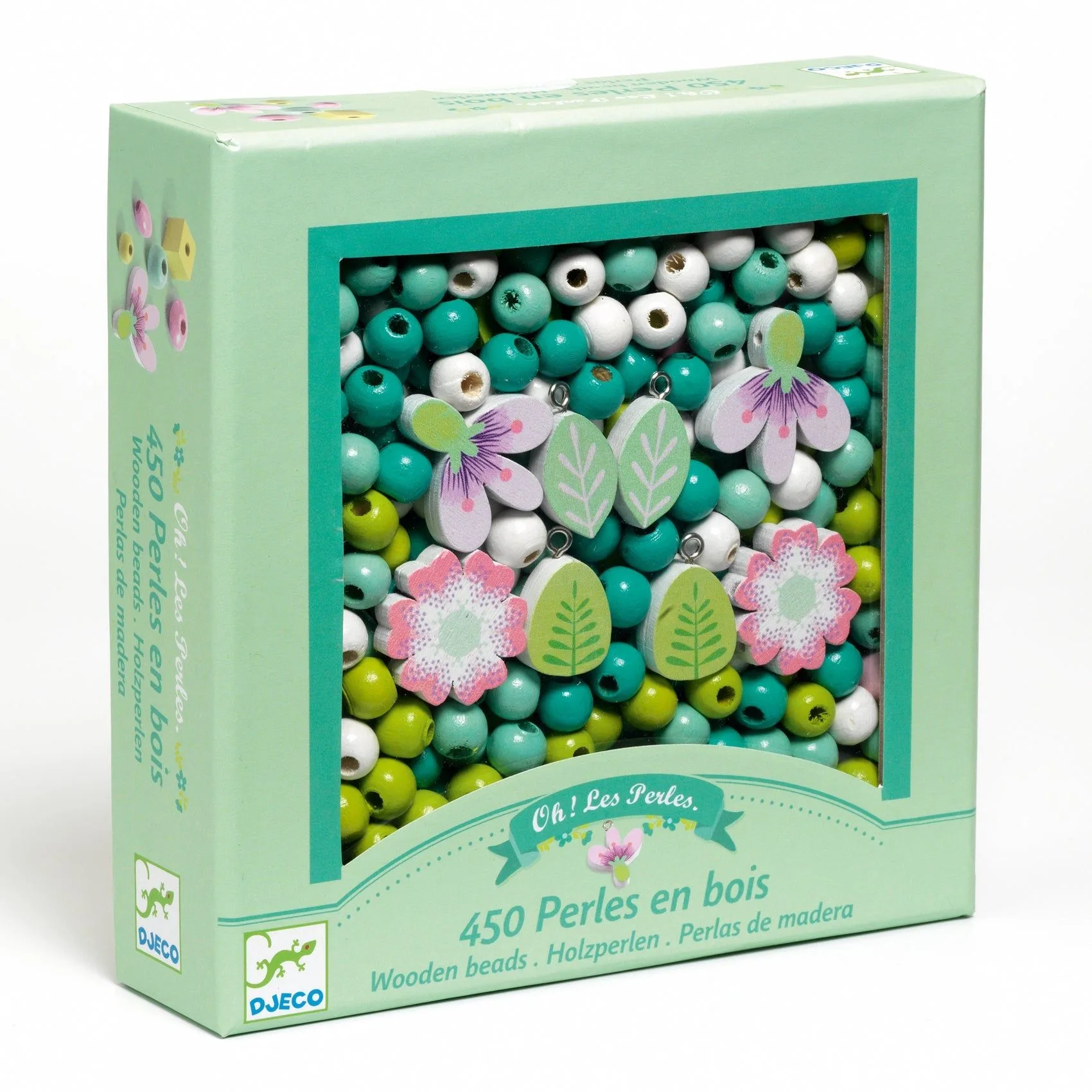
- Djeco: Wooden Beads Jewellery Kit - Leaves and Flowers: The 'Leaves and Flowers' wooden beads is a box containing more than 450 beads to create beautiful jewelry. A well-thought-out assortment of colours and shapes for a consistently harmonious result. A creative activity that can be stored in a small basket, offering hours of fine motor skill practice and imaginative play.
Organizing your toddler's playroom with baskets and bookshelves doesn't have to be overwhelming. By following these steps, you'll create a space that's functional, inviting, and easy to maintain. Remember, the goal is to make playtime enjoyable and cleanup a positive experience for both you and your child. For beautiful storage and display pieces, explore the [Autumn's Corner: Straight Ash Magnetic Picture Frame](/products/autumn-s-corner-straight-ash-magnetic-picture-frame-238541) to showcase your little one's masterpieces.