A day hike is one of the most rewarding ways to connect with nature, get some exercise, and clear your mind. But if you show up at the trailhead with a poorly packed backpack, your adventure can quickly turn into a struggle with shifting weight, forgotten gear, or uncomfortable straps. Knowing how to pack a backpack for a day hike is just as important as choosing the right trail. With the right organization and essentials, you can stay comfortable, prepared, and focused on the scenery instead of your aching shoulders.
In this guide, we will walk you through the must-have gear for a day hike, the best way to arrange items inside your pack, and how to choose a durable, stylish backpack from Sprayground that can handle the outdoors. Whether you are a beginner or a seasoned hiker, these tips will help you hike smarter and enjoy every step.
The Foundation: Choosing the Right Backpack for a Day Hike
Before you start packing, you need a backpack that fits well and distributes weight evenly. For a day hike, a pack between 15 and 30 liters is ideal — large enough for water, snacks, layers, and safety gear, but not so big that you overpack. Look for padded shoulder straps, a sternum strap, and a hip belt to keep the load stable. Ventilated back panels also help reduce sweat on warm days.
Sprayground offers several backpacks that combine streetwear style with functional features perfect for hiking. The ASTROMANE THE VACATIONAIRE DLXSR BACKPACK is a great choice because of its spacious main compartment, multiple zippered pockets, and durable construction. Another excellent option is the 3AM FULL THROTTLE BACKPACK (DLXV), which features a sleek design and ergonomic straps that make carrying heavier loads more comfortable. Both models have enough room for all your day hike essentials while keeping you looking sharp on the trail.
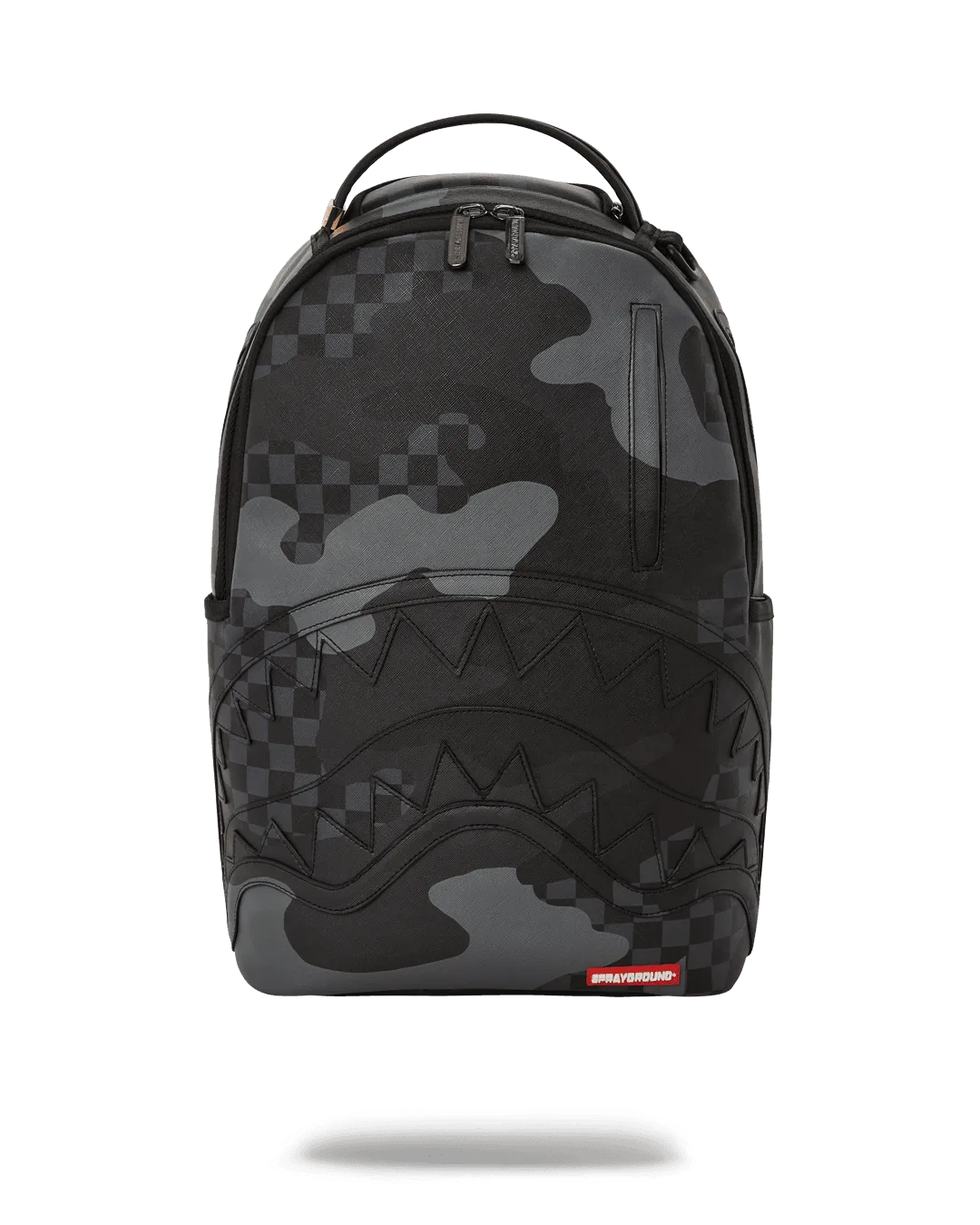
3AM FULL THROTTLE BACKPACK (DLXV)
- Choose a backpack with a capacity of 15–30 liters for day hikes.
- Look for padded straps, sternum strap, and hip belt for weight distribution.
- Consider a ventilated back panel for breathability.
Day Hike Essentials: What to Pack (And What to Leave Behind)
Packing for a day hike is all about balance. You need enough gear to stay safe and comfortable, but you don't want to carry unnecessary weight. Start with the ten essentials: navigation (map and compass or GPS), hydration (at least 1 liter of water per 2 hours of hiking), food (high-energy snacks like trail mix, granola bars, or fruit), sun protection (sunscreen, sunglasses, hat), insulation (an extra layer like a fleece or light jacket), illumination (headlamp or flashlight), first aid kit, fire starter (lighter or matches), repair kit (multi-tool and duct tape), and emergency shelter (emergency bivvy or space blanket).
You can also add a portable phone charger, a small camera, and a trash bag for packing out waste. Avoid packing heavy items like books, extra shoes, or large cooking gear. Keep your load under 10–15% of your body weight for a comfortable hike. The BILLIONAIRE BLOOM SAVAGE BACKPACK is a stylish and spacious option for carrying all these essentials, with its multiple compartments making it easy to separate your gear.
- Always carry the ten essentials: navigation, hydration, food, sun protection, insulation, illumination, first aid, fire starter, repair kit, emergency shelter.
- Pack 1 liter of water per 2 hours of hiking.
- Keep total pack weight under 10–15% of your body weight.
How to Organize Your Backpack for Maximum Comfort and Accessibility
The way you arrange items inside your backpack affects your balance, comfort, and how easily you can grab things on the trail. A good rule of thumb is to place heavy items close to your back and centered between your shoulder blades. This keeps the weight stable and reduces strain on your shoulders. Light, bulky items like a puffy jacket or sleeping bag liner can go at the bottom. Items you need frequently — such as snacks, sunscreen, or a map — should be in top pockets or hip belt pockets.
Use stuff sacks or dry bags to keep gear organized and dry. Pack your water bladder or bottles in a side pocket or dedicated hydration sleeve. Keep your first aid kit and headlamp in an easily accessible outer pocket. For day hikes, you can also use the front shove-it pocket for a rain jacket or extra layer. The CLEARCUT SAVAGE BACKPACK (WHITE) features a clear front compartment that lets you see your gear at a glance, making it easy to find small items without digging through the main compartment.
- Place heavy items close to your back and centered between shoulder blades.
- Store frequently used items in top or hip belt pockets.
- Use stuff sacks to separate gear and keep everything dry.
Hydration and Snacks: Smart Packing for Energy on the Trail
Staying hydrated and fueled is critical for a successful day hike. Dehydration can lead to fatigue, headaches, and muscle cramps, while low blood sugar can sap your energy and ruin your mood. Pack at least 2 liters of water for a full day hike, or more if it is hot or the trail is strenuous. A hydration bladder with a drinking tube makes it easy to sip while walking without stopping to dig out a bottle. If you prefer bottles, use leak-proof containers and store them in side pockets.
For snacks, choose a mix of carbohydrates, protein, and healthy fats. Trail mix, energy bars, dried fruit, nuts, and jerky are all lightweight and calorie-dense. Avoid sugary snacks that cause energy crashes. Pack snacks in a small pouch or hip belt pocket so you can grab them without stopping. The CHILLIN & FLOATING DLXSR BACKPACK has a dedicated water bottle pocket and a front zip pocket perfect for stashing quick snacks and a small first aid kit.
- Carry at least 2 liters of water for a full day hike.
- Use a hydration bladder for hands-free drinking.
- Pack high-energy snacks like trail mix, nuts, and energy bars.
Weather and Safety Gear: Be Prepared for Changing Conditions
Weather in the mountains or forests can change rapidly, so it is smart to pack for a range of conditions. A lightweight, packable rain jacket or poncho is essential, even if the forecast looks clear. An extra insulating layer — like a fleece or down vest — can save you if the temperature drops. Sun protection is also vital: wear a hat, sunglasses, and apply sunscreen to exposed skin. A buff or bandana can serve multiple purposes, from sun protection to wiping sweat.
Safety gear should include a whistle, a small mirror for signaling, and a basic first aid kit with blister treatment. A headlamp with fresh batteries is a must — even if you plan to finish before dark, a wrong turn or injury could delay you. The ALIEN BABY BACKPACK is a lightweight and compact option that still has room for all these safety layers, and its unique design ensures you stand out on the trail for easy identification.
- Always pack a rain jacket and an extra insulating layer.
- Bring a headlamp with fresh batteries and a whistle.
- Include a first aid kit with blister care supplies.
Tips for Reducing Weight and Saving Space in Your Day Hike Backpack
Every ounce counts when you are hiking uphill. To reduce weight, choose multi-purpose items. For example, a bandana can be a towel, sun protection, or a napkin. A smartphone with a map app can replace a separate GPS device. Use lightweight versions of gear, like a titanium spork instead of a metal fork, or a plastic water bottle instead of a metal one. Remove unnecessary packaging from food and repack into zip-top bags.
Also, consider the weight of your backpack itself. Sprayground backpacks are designed with durable but lightweight materials, so you don't have to sacrifice style for practicality. The ASTROGALAXY DLXSV BACKPACK offers a spacious interior with multiple compartments but remains lightweight enough for long hikes. By choosing a pack that is both functional and fashionable, you can hit the trail with confidence and look good doing it.
- Use multi-purpose items to reduce the number of things you carry.
- Repack food into lightweight bags to save space.
- Choose a lightweight backpack like the ASTROGALAXY DLXSV BACKPACK.
Packing a backpack for a day hike doesn't have to be complicated. By choosing the right pack, organizing your gear smartly, and bringing only the essentials, you can enjoy a comfortable and safe adventure. Sprayground backpacks offer the perfect blend of style and function for outdoor use. Ready to hit the trail? Check out the ASTROMANE THE VACATIONAIRE DLXSR BACKPACK for a spacious, durable option that will keep your gear organized and your look fresh.