A day hike is the perfect way to reconnect with nature, clear your mind, and get some exercise. But even a short trek requires careful planning, especially when it comes to what you carry. While many hikers default to a bulky backpack, a well-packed cross body bag can be a game-changer for shorter, less technical trails. It keeps your essentials close at hand, reduces strain on your shoulders, and forces you to pack only what you truly need.
In this guide, we'll walk you through the art of packing a cross body bag for a day hike. You'll learn how to prioritize lightweight gear, organize your items for quick access, and avoid common mistakes that can turn a pleasant walk into a burden. Whether you're a seasoned hiker or a beginner, these tips will help you hit the trail with confidence and comfort.
Why Choose a Cross Body Bag for a Day Hike?
Cross body bags offer a unique balance of accessibility and minimalism. Unlike a traditional backpack, a cross body bag sits securely against your body, distributing weight evenly across your chest and back. This design reduces the risk of slipping or bouncing, even on uneven terrain. For day hikes lasting two to four hours, a cross body bag provides enough space for essentials without encouraging overpacking.
Another advantage is quick access. With a cross body bag, you can easily reach your phone, map, or snacks without stopping and removing your pack. This is especially useful on trails where you need to frequently check your route or hydrate. Plus, many cross body bags now come with multiple compartments and organizers, making it easy to keep your gear tidy and within arm's reach.
- Lightweight and streamlined design reduces fatigue.
- Easy access to phone, map, and snacks without stopping.
- Ideal for short hikes where a full backpack is overkill.
Essential Gear for Your Day Hike Cross Body Bag
When packing a cross body bag, every item must earn its place. Start with the ten essentials: navigation (map or compass), sun protection, insulation (extra layer), illumination (headlamp or flashlight), first aid kit, fire starter, repair kit, nutrition, hydration, and emergency shelter. For a day hike, you can scale these down. For example, a lightweight tarp like the Re-stored DAWN M Tarp can serve as an emergency shelter without adding much weight.
Hydration is critical. Carry at least one liter of water per person for a half-day hike. If your cross body bag has a dedicated water bottle pocket, use it. Otherwise, opt for a collapsible bottle to save space. For snacks, choose high-energy, non-perishable options like trail mix, energy bars, or dried fruit. A small multi-tool like The Ellis from James Brand can be invaluable for gear repairs or food prep.
- Always carry a map and compass, even on familiar trails.
- Pack a lightweight emergency shelter like a small tarp.
- Include a multi-tool for quick fixes and food prep.
Organization Tips for Maximum Efficiency
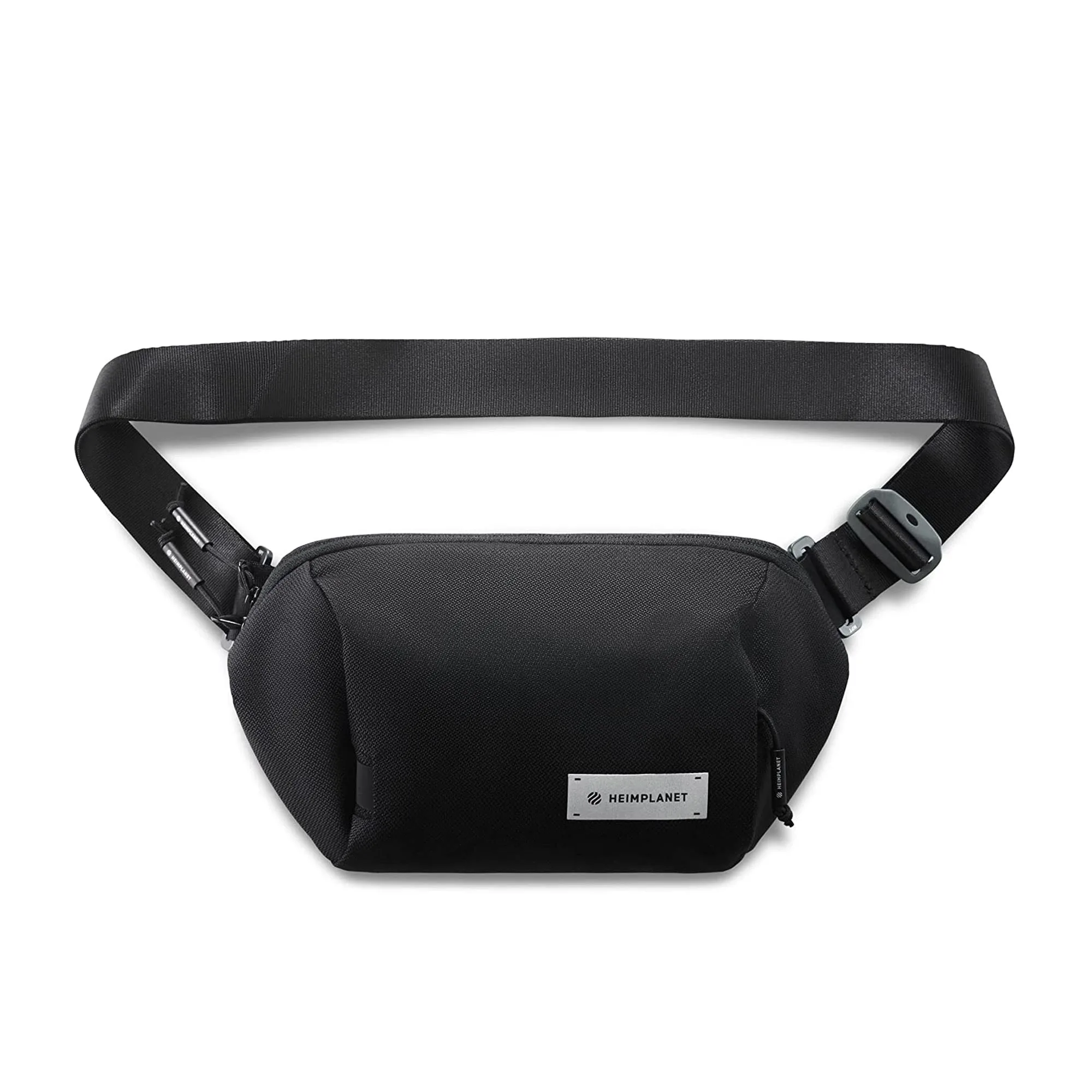
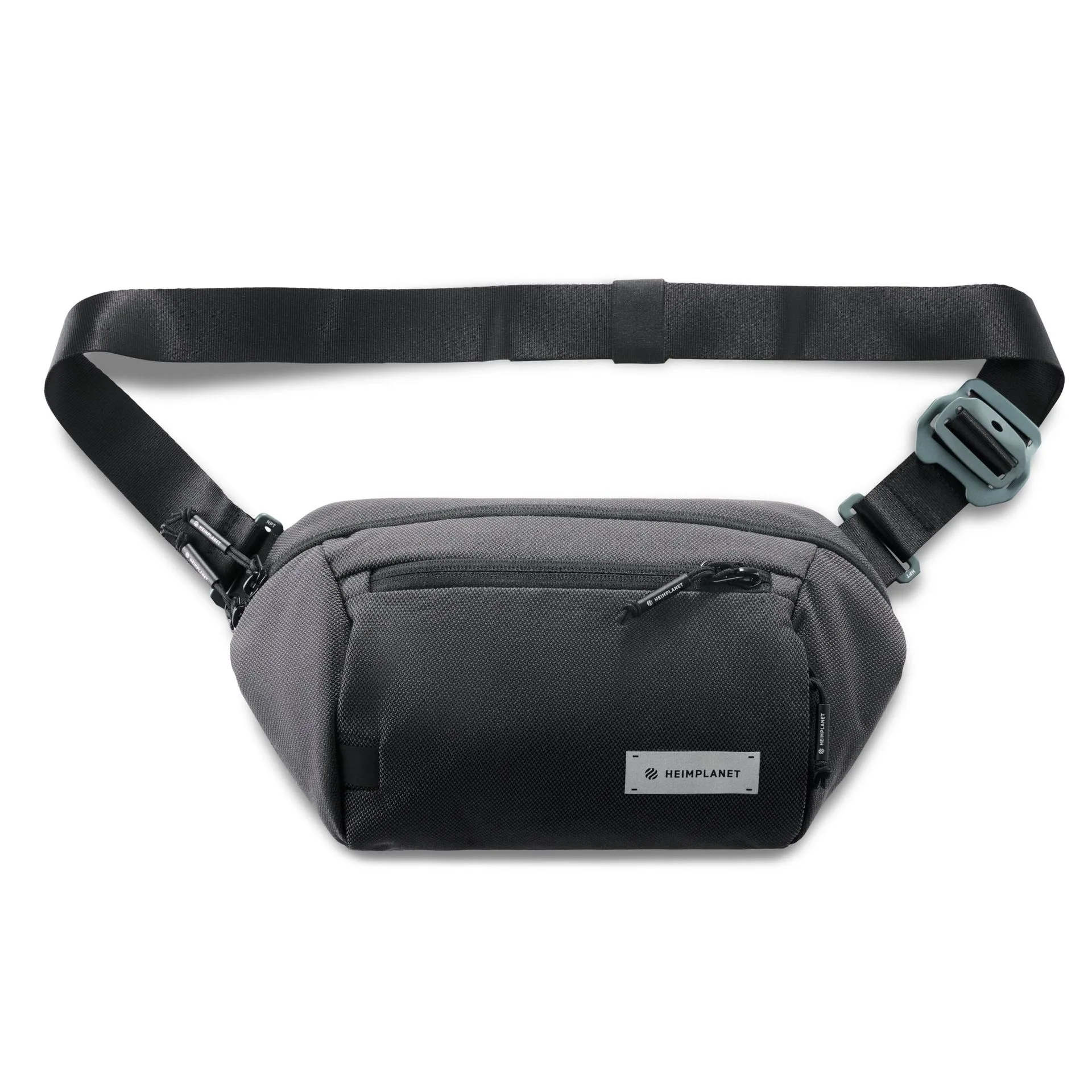
The key to a well-packed cross body bag is compartmentalization. Use small pouches or organizers to separate different categories of gear. For example, keep your first aid kit and repair tools in one pouch, snacks in another, and electronics in a third. This prevents digging through the entire bag to find a single item. The Re-stored Transit Line Sling Pocket XL offers multiple zippered compartments that make organization a breeze.
Place frequently used items like your phone, map, and sunscreen in the outermost pockets. Heavier items, such as a water bottle or extra layer, should sit closer to your body to maintain balance. Avoid overstuffing the bag, as a bulging cross body bag can become uncomfortable and throw off your center of gravity. Leave a little room for flexibility, like stowing a windbreaker when the weather changes.
- Use small pouches or sling pockets to group similar items.
- Keep heavy gear close to your body for better balance.
- Reserve outer pockets for items you need on the go.
Common Mistakes to Avoid
One of the biggest mistakes hikers make with a cross body bag is overpacking. Because the bag is smaller, it's tempting to cram in extra items 'just in case.' But a heavy cross body bag can cause neck and shoulder strain, defeating the purpose of a lightweight hike. Stick to the essentials and resist the urge to bring every gadget you own.
Another mistake is poor weight distribution. If you load all your gear on one side, the bag will swing and pull on your shoulder. Instead, distribute weight evenly across the bag's compartments. Also, avoid wearing the bag too loosely; a snug fit prevents bouncing and keeps your load secure. Finally, don't forget to adjust the strap length so the bag sits comfortably at your hip or lower back.
- Avoid overpacking; stick to the ten essentials scaled for a day hike.
- Distribute weight evenly to prevent shoulder strain.
- Adjust the strap for a snug, comfortable fit.
Sample Day Hike Packing List for a Cross Body Bag
To help you get started, here's a sample packing list for a 3-4 hour day hike using a cross body bag. This list assumes mild weather and a well-marked trail. Adjust based on your specific conditions. Start with a lightweight base layer and a wind-resistant jacket. Bring a small first aid kit, a map, a compass, a headlamp, and a fire starter. For hydration, carry a 1-liter water bottle and a collapsible backup.
For nutrition, pack two energy bars, a handful of trail mix, and an electrolyte tablet. Include a small multi-tool, a portable phone charger, and a small tarp for emergency shelter. A compact coffee maker like the AeroPress Coffee Maker can be a luxurious addition if you plan to stop for a break. Finally, add a beanie like the Notus Lambswool Beanie for warmth if the temperature drops.
- Water: 1 liter + collapsible backup bottle.
- Nutrition: energy bars, trail mix, electrolyte tablets.
- Tools: multi-tool, headlamp, map, compass, small tarp.
Packing a cross body bag for a day hike is about smart choices, not bulk. With the right gear and a little organization, you can enjoy a comfortable, hands-free adventure without the weight of a full backpack. Start with a reliable bag like the Re-stored Transit Line Sling Pocket XL to keep your essentials organized and accessible. Explore our collection of cross body bags and hiking accessories to find the perfect setup for your next trail adventure.