Quick answer
Start with a toddler day trip packing list, then pack your totepack in layers: heaviest items against your back, snacks and wipes in quick-reach pockets, and a small pouch of just-in-case extras at the bottom. Do a two-minute check before you leave: diapers or pull-ups, wipes, a full water bottle, two snacks, a change of clothes, and a comfort item. That order keeps the bag balanced and makes one-handed retrieval possible when your toddler needs something now.
Choose the right totepack and set it up before you pack
A totepack works for a full day out when it has two wide, padded straps you can wear on your back, a top carry handle for quick grabs, and at least one exterior pocket you can open with one hand. Before you pack anything, loosen the straps, lay the bag flat, and decide which pocket will hold snacks, which will hold diapering or bathroom items, and which will hold your own essentials. This prevents the classic mistake of treating the totepack like a bottomless tote and then digging through it while your toddler waits.
Build a toddler day trip packing list by time away, not by habit
Count the hours you will actually be out, then add two hours as a buffer. For a half-day, pack one diaper or pull-up for every two hours plus two extras, one full pack of wipes, one change of clothes, one water bottle, and two snacks. For a full day, double the diapers and snacks, add a second change of clothes, and include a small wet bag for soiled items. Write the list on your phone once and reuse it; this stops you from overpacking the totepack until it is too heavy to carry comfortably.
Pack snacks for toddler outings in a dedicated, leak-proof zone
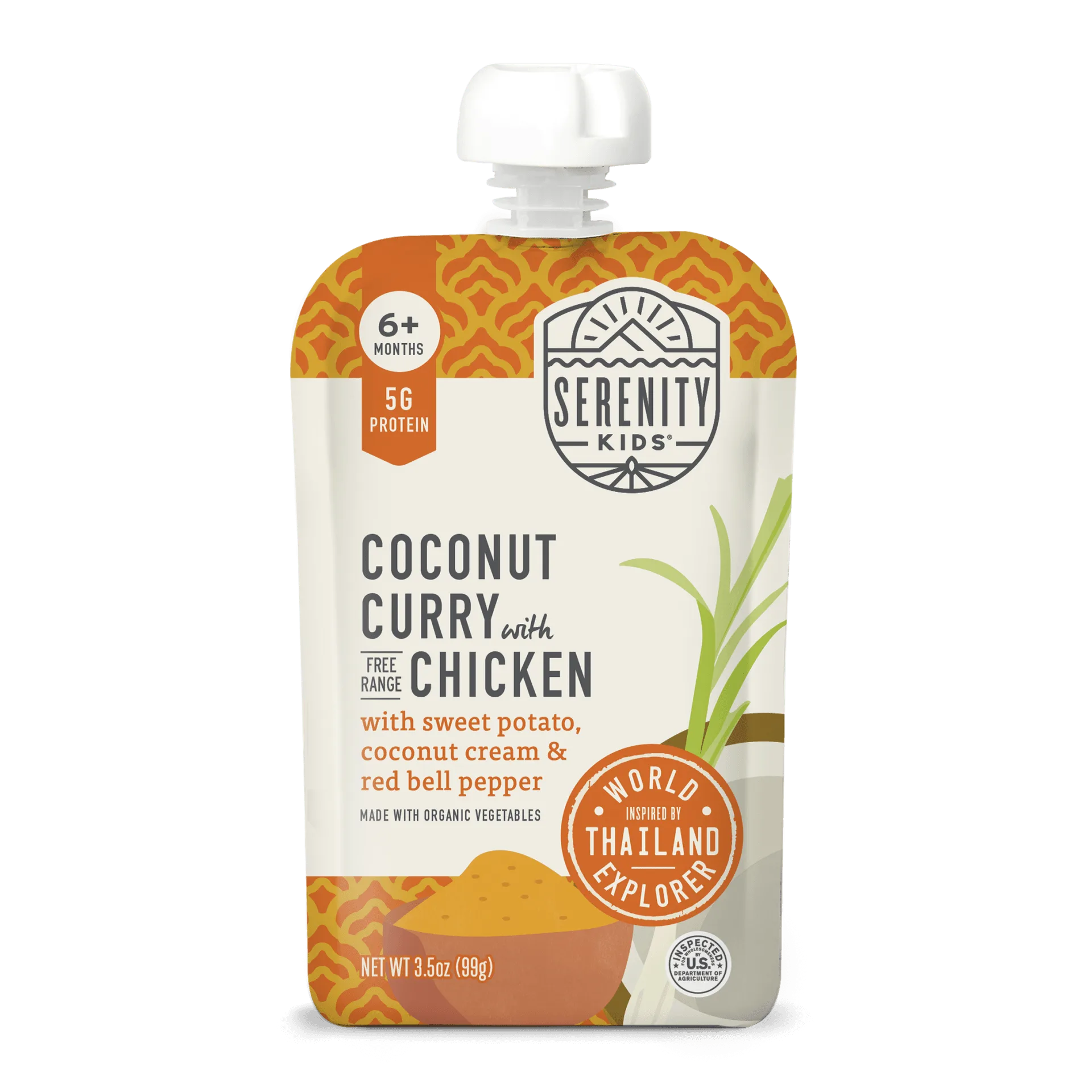
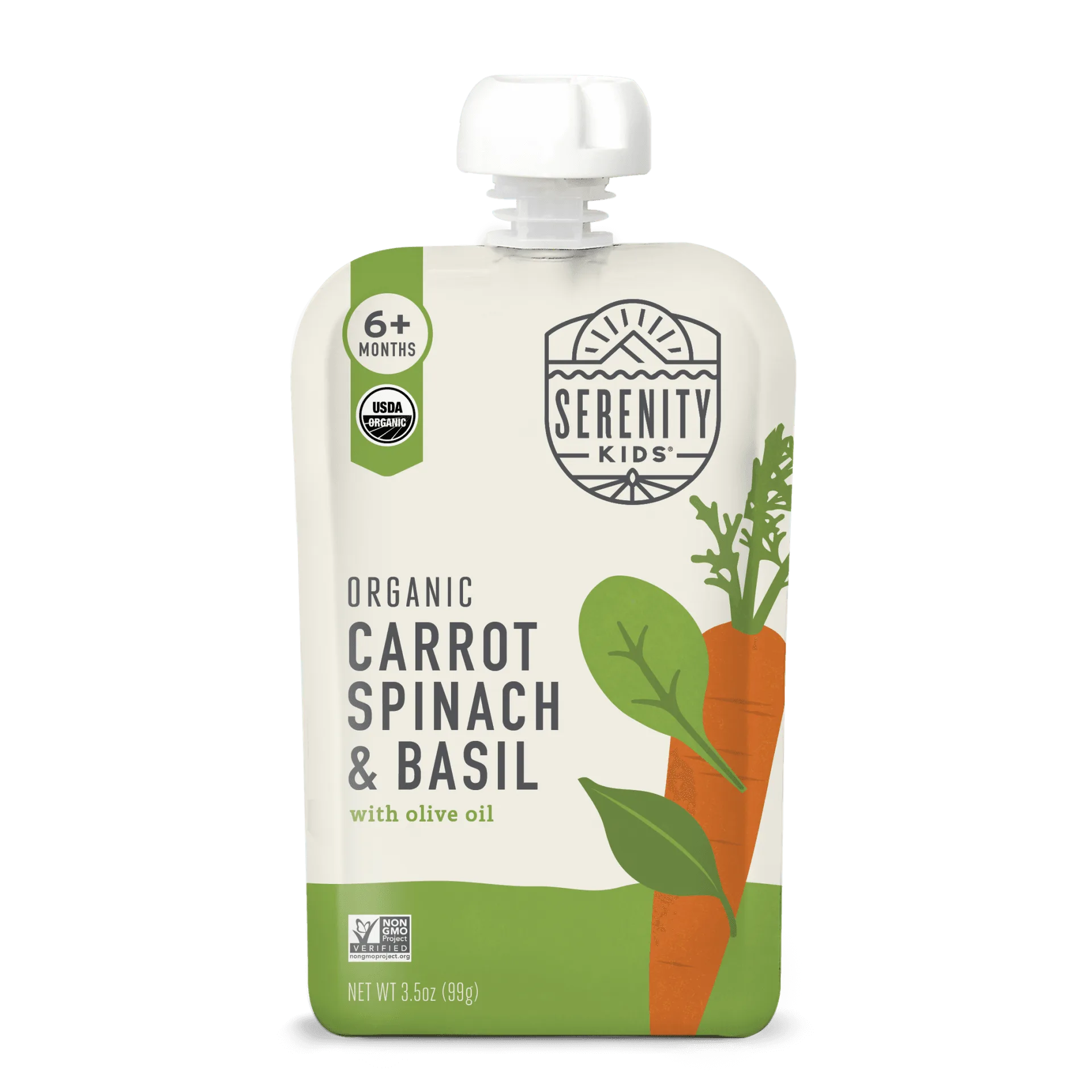
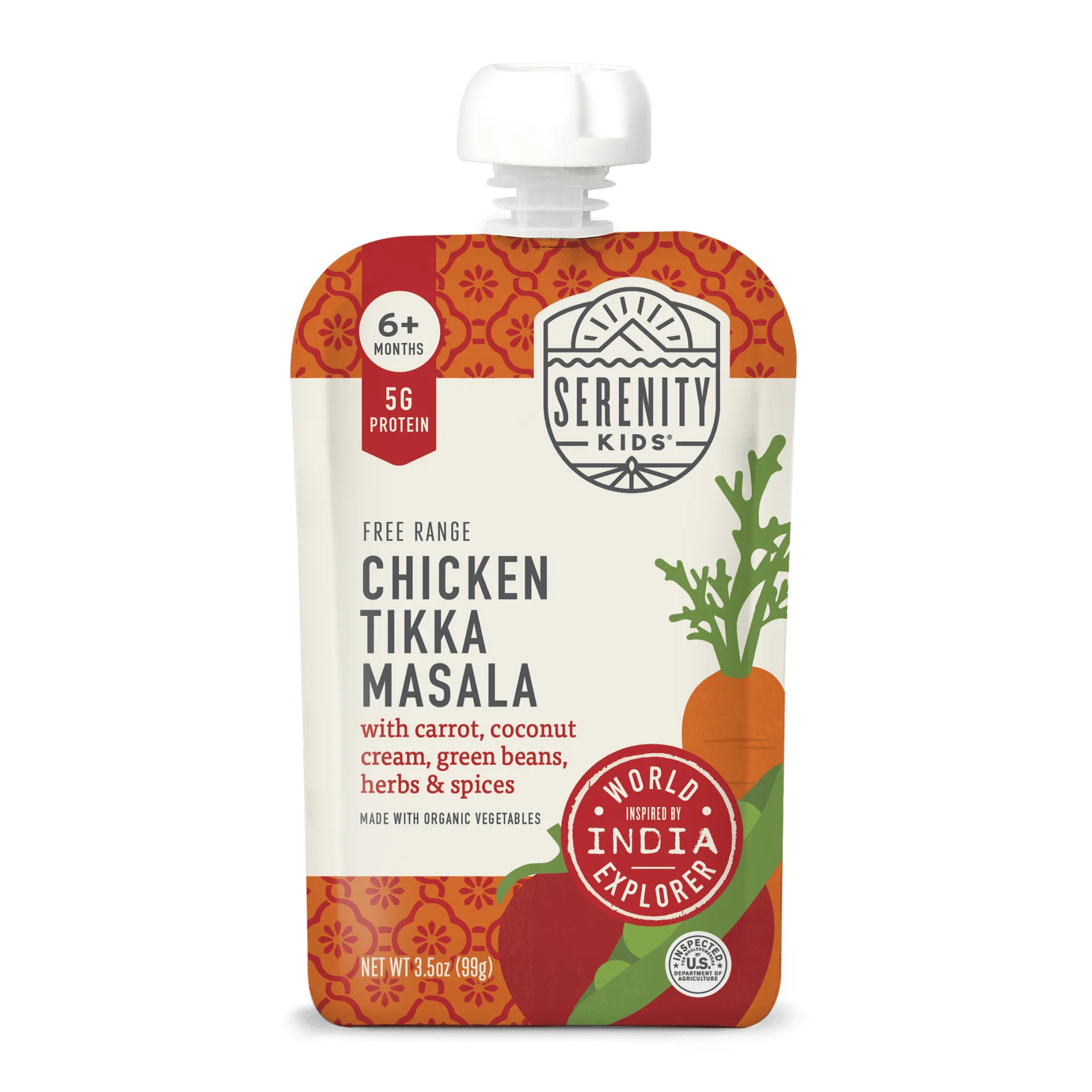
Put all food and drinks in one exterior pocket or a small insulated pouch so crumbs and spills stay away from clothes. Choose snacks that do not need refrigeration and are easy to eat in a stroller or carrier. Pouches and smoothies are convenient because they are self-contained, but check the label for added sugars and choose options with vegetables or whole ingredients when possible. If you bring a pouch, pack a spoon or a reusable pouch top if your toddler prefers not to squeeze it directly.
Use toddler bag organization that works one-handed
Group items into three small pouches: a diaper or bathroom pouch, a snack pouch, and a comfort pouch with a lovey, pacifier, or small book. Place the diaper pouch in the main compartment against your back, the snack pouch in the front exterior pocket, and the comfort pouch near the top where you can reach it without unzipping the whole bag. Roll clothes instead of folding them to save space and to see everything at a glance. The common mistake here is packing loose items that shift; pouches keep the totepack stable and quiet when you set it down.
Add toddler travel essentials for weather, mess, and sleep
Check the forecast and add one layer more than you think you need: a light jacket, a hat, and sunscreen in summer or a warm hat and mittens in winter. Include a small wet bag, a travel pack of tissues, and hand sanitizer in a side pocket. If your toddler still naps, pack a lightweight muslin blanket or a compact sleep sack that fits in the bottom of the totepack. Do not rely on the totepack to carry a full-size stroller blanket; it will crowd out the items you need most.
Do a final weight and balance check before you leave
Put the totepack on and tighten the straps so the bag sits high on your back, not sagging at your lower back. The heaviest items should be closest to your spine and centered. If the bag pulls you backward or the straps dig into your shoulders, remove one non-essential item and repack. A balanced totepack lets you carry a toddler on your hip or in a carrier without the bag sliding around. This is also the moment to confirm your phone, keys, and wallet are in a zippered pocket you can reach without taking the bag off.
Step-by-step totepack packing method
- Step 1: Set up the totepack empty: Lay the totepack flat and decide which pocket will hold snacks, which will hold diapering or bathroom items, and which will hold your own essentials. Adjust the straps so the bag will sit high on your back. Checkpoint: you can open the snack pocket with one hand while the bag is on your back.
- Step 2: Pack the heaviest items against your back: Place diapers or pull-ups, wipes, and a full water bottle in the main compartment closest to where your back will be. Roll a change of clothes and put it next to them. Common mistake: putting the water bottle in an outer pocket, which makes the bag swing when you walk.
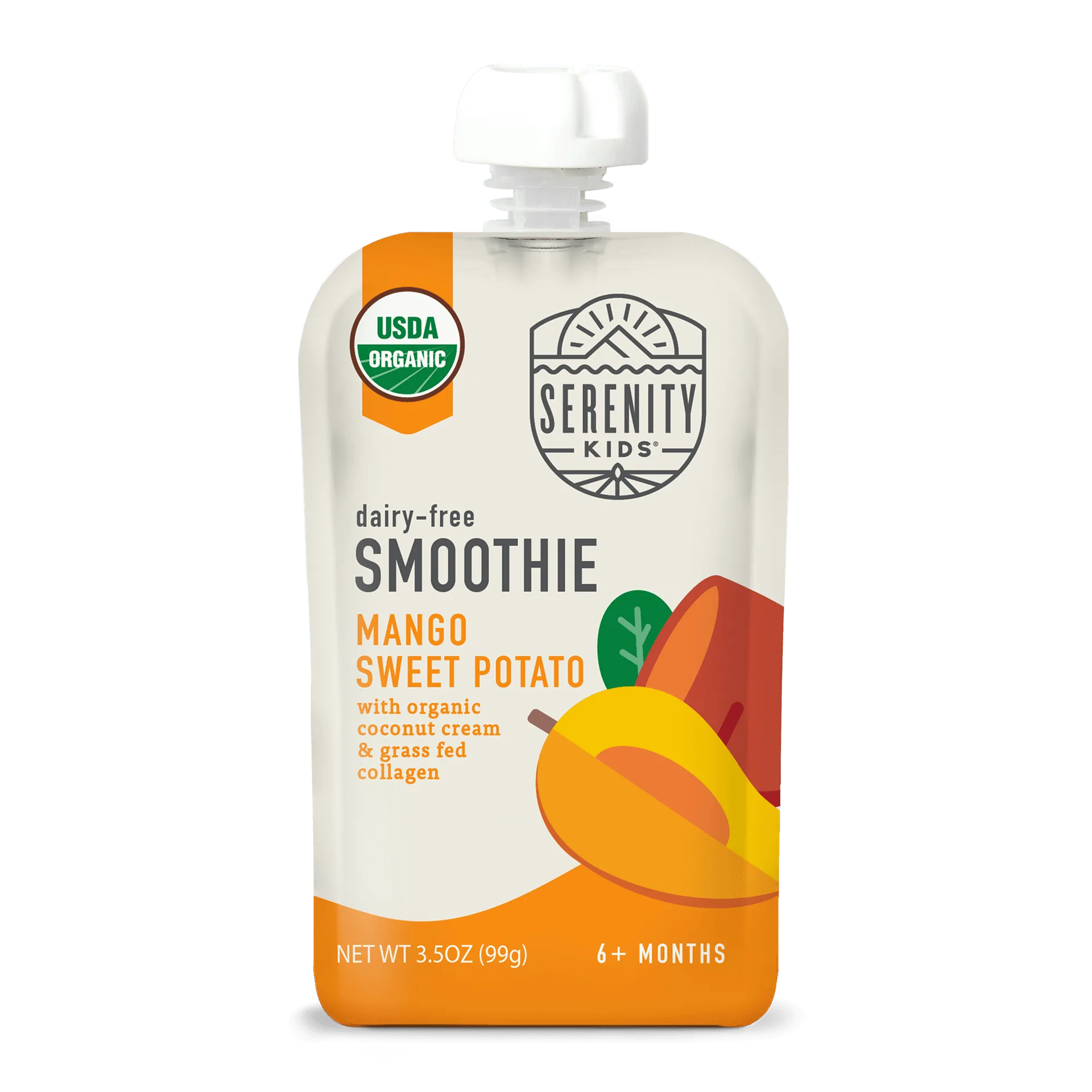
- Step 3: Fill the exterior pocket with snacks for toddler outings: Add two to four shelf-stable snacks, such as veggie pouches or a dairy-free smoothie, plus a spoon if needed. Keep them in a small pouch so crumbs do not spread. Checkpoint: snacks are reachable without unzipping the main compartment.
- Step 4: Add a comfort pouch near the top: Pack a lovey, pacifier, or small book in a pouch you can grab from the top of the bag. This is also where you put your phone, keys, and wallet in a zippered pocket. Common mistake: burying the comfort item at the bottom, which leads to a full unpack in public.
- Step 5: Add weather and mess extras to a side pocket: Include a light layer, hat, sunscreen or mittens, a wet bag, tissues, and hand sanitizer. If your toddler naps, add a compact blanket or sleep sack at the very bottom. Checkpoint: the bag still zips closed without force.
- Step 6: Wear it and do a balance check: Put the totepack on, tighten the straps, and walk a few steps. If it pulls you backward or the straps dig in, remove one non-essential item and repack. Next step: keep a photo of your final packed layout on your phone so you can repeat it in under five minutes next time.
Products that fit this packing method
- Organic Garden Variety Pack A Medley of Organic Veggie Flavors: Serenity Kids Organic Garden Variety Pack offers a medley of organic veggie flavors, made with non-GMO, USDA Organic ingredients and free from common allergens including coconut. A variety pack gives you several single-serve veggie options, so you can pack one or two without committing to a flavor your toddler may reject, and the allergen-friendly formula simplifies snack choices for sensitive diets.
- Sweet Potato & Spinach USDA Organic Veggies with Olive Oil: Serenity Kids Sweet Potato & Spinach USDA Organic Veggies with Olive Oil has zero added sugars or sugary fruits, using a savory blend of sweet potatoes and spinach. A savory pouch with no added sugar is a practical snack for outings because it does not rely on fruit sweetness, helping your toddler stay used to vegetable flavors while you are away from home.
- Organic Mango Sweet Potato Dairy Free Smoothie with Grass Fed Collagen: Serenity Kids Organic Mango Sweet Potato Dairy Free Smoothie with Grass Fed Collagen is dairy-free, egg-free, and gluten-free, combining organic mango and sweet potato. A dairy-free smoothie with collagen is a filling option for longer outings when you want something beyond a simple puree, and the allergen-friendly formula fits sensitive diets.