Quick Answer
To pack designer toys safely, use a sturdy box, wrap each figure in acid-free tissue or bubble wrap, add foam or packing peanuts for cushioning, and tape the box securely. Always label the box as fragile and consider double-boxing for extra protection during shipping or moving.
Whether you're selling a rare piece or relocating your collection, packing designer toys correctly is essential. Vinyl figures, resin art toys, and soft vinyl collectibles can chip, scratch, or break if tossed into a box without care. A little planning and the right supplies go a long way.
This guide walks you through the process step by step, from gathering materials to sealing the box, so your toys arrive in the same condition they left. You'll also learn common mistakes to avoid, like using newspaper ink that can transfer to your figures.
Gather the Right Packing Supplies
Before you start, collect everything you need: a sturdy corrugated cardboard box (preferably new or in good condition), bubble wrap, packing tape, scissors or a box cutter, and cushioning material like packing peanuts or foam sheets. For extra protection, consider double-boxing: a smaller box inside a larger one with cushioning between them.
Avoid using thin or reused boxes that may have weakened corners. Also, skip newspaper as a wrap—the ink can rub off onto your figures. Acid-free tissue paper is a safe alternative for delicate surfaces.
- Use a box that leaves at least 2 inches of space on all sides for cushioning.
- Have a marker to write 'FRAGILE' on the outside.
Wrap Each Toy Individually
Wrap each designer toy separately, even if it's still in its original packaging. Use a layer of bubble wrap (bubble side inward) or a soft cloth first, then secure with tape. Pay extra attention to protruding parts like ears, tails, or accessories—these are the most vulnerable to snapping.
For figures with removable parts, consider detaching them and wrapping them separately. If the toy has a base or stand, wrap it with the figure to avoid scratching the paint.
- Tape the wrap securely but not so tight that it deforms the toy.
- For soft vinyl, avoid extreme compression—it can warp.
Cushion the Box
Place a thick layer of cushioning at the bottom of the box. Then, arrange the wrapped toys so they don't touch each other. Fill gaps with packing peanuts, crumpled paper, or foam. The goal is to prevent any movement during transit.
For heavy resin pieces, add extra cushioning at the bottom and consider using a double-box setup. A common mistake is under-filling the box, which allows items to shift and collide.
- Test by shaking the box gently—if you feel movement, add more cushioning.
Seal and Label the Box
Close the box and tape all seams with strong packing tape. Use the H-taping method: tape the center seam and both edges. Then, add 'FRAGILE' labels on multiple sides. If shipping, write the address clearly and consider adding 'DO NOT STACK' if the box is heavy.
For moving, label the box with the room it belongs to and a brief contents description. This helps you and movers handle it appropriately.
- Reinforce the bottom with an extra layer of tape to prevent bottom blowouts.
Step-by-Step Packing Process
- Choose the right box: Select a sturdy corrugated cardboard box that is at least 2 inches larger than your toys on all sides. A new box is best to ensure structural integrity. Checkpoint: The box should not flex when you press on the sides.
- Wrap each toy individually: Use bubble wrap or acid-free tissue. Wrap the toy completely, securing with tape. For figures with fragile parts, wrap those parts separately or add extra layers. Checkpoint: No part of the toy should be exposed or touch another toy.
- Add cushioning to the box: Place a 2-inch layer of packing peanuts or foam at the bottom. Arrange the wrapped toys, then fill all gaps with more cushioning until the box is full and items don't shift. Checkpoint: Shake the box—if you hear or feel movement, add more cushioning.
- Seal and label: Close the box and tape all seams with strong packing tape. Apply 'FRAGILE' labels on at least two sides. For shipping, also add 'DO NOT STACK' if necessary. Checkpoint: The tape should cover the entire seam, not just a strip.
- Double-box for extra protection: For fragile or valuable pieces, place the sealed box inside a larger box with cushioning between them. This adds a shock-absorbing layer. Verdict: Double-boxing is worth the extra cost for high-value collectibles.
Designer Toys to Pack with Care
- "Chunky Boy" The Bear Champ Vinyl by JC Rivera: 4" vinyl figure designed to be displayed seated on the edge of your shelf, produced by UVD Toys. Its seated design means the base is a key contact point—wrap it well to avoid scuffs on the paint.
- Mint Chip Dumpster Ice Cream Vinyl Figure: Comes with a toasted chocolate waffle cone body, chocolate biscuit lids, and textured melted Mint Chip Ice Cream covering its flame. The textured ice cream and separate lids can be fragile—wrap each part individually to prevent breakage.
- Kigurumi Bunny by Ebimomo & Vapourpark: Made from soft vinyl with a compact 15cm size, ideal for display on shelves. Soft vinyl can be flexible, but long ears or appendages may bend under pressure—cushion well to maintain shape.
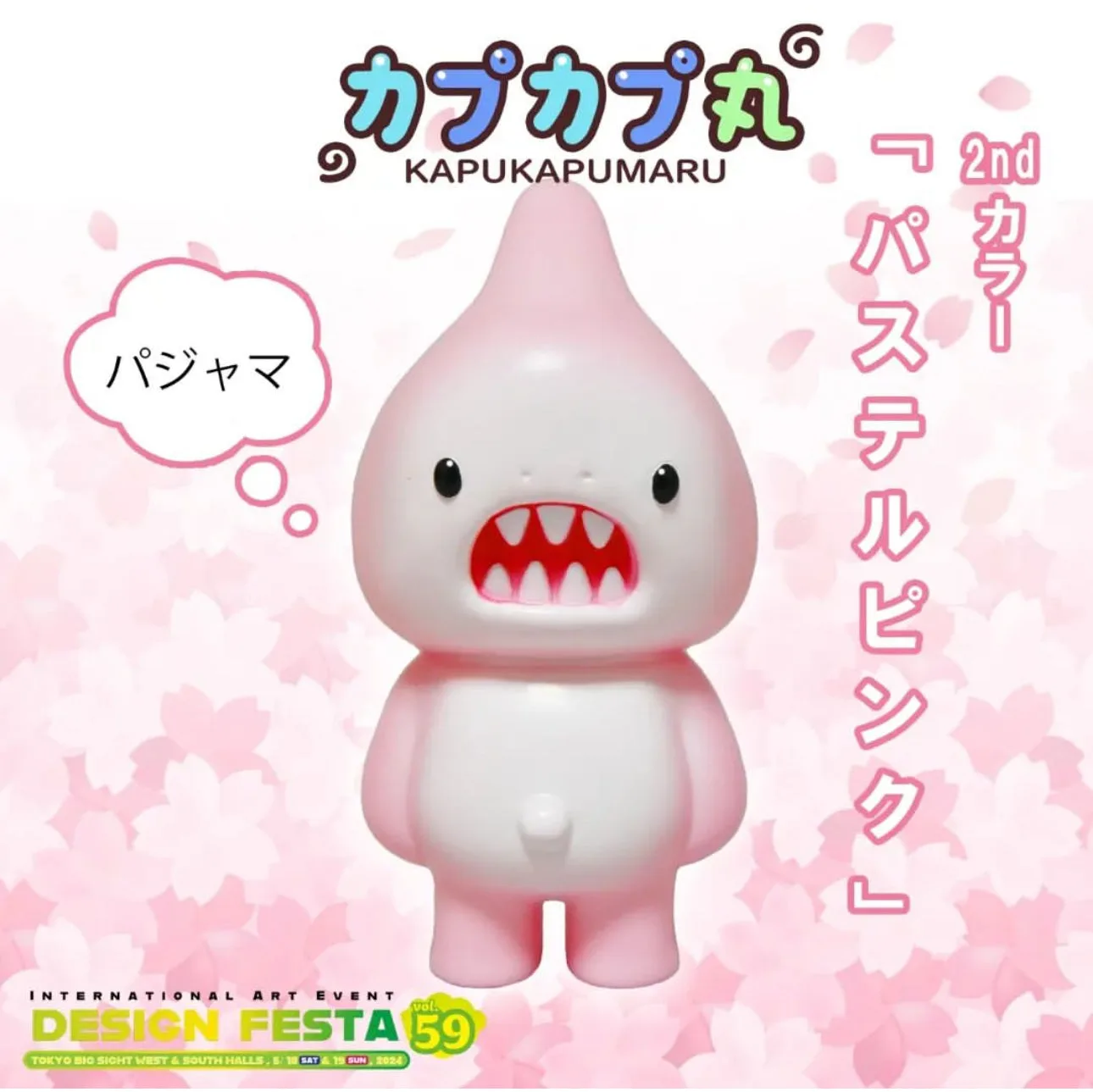
- Kaiju NEMUKE Holy Snow by Hikari Bambi: Japanese Sofubi monster with a gentle, sleepy design. Sofubi toys are hollow and lightweight—protect from punctures by using bubble wrap, not sharp objects.
Packing designer toys doesn't have to be stressful. With the right supplies and a careful step-by-step approach, you can protect your collection during shipping or moving. Remember to wrap individually, cushion generously, and label clearly. Your toys will arrive safe and ready for display.