Quick answer
Pack apple blueberry fruit bars by keeping them in their original wrapper, placing them in a rigid container or padded pocket, and storing them away from heavy items. This simple routine prevents crushing and keeps a portable snack ready for work or travel.
Why packing method matters more than you think
Fruit bars are soft and can be squashed by laptops, water bottles, or keys if they are loose in a bag. A little structure goes a long way: a hard-sided lunch box or a dedicated snack pocket protects the bar’s shape and keeps the wrapper intact.
For travel, temperature swings are less of a concern for shelf-stable bars, but humidity and pressure can still affect texture. Keeping bars wrapped and away from damp items like wet wipes or a leaky bottle preserves the experience.
When to choose a different snack format
If you need a snack that can survive being crammed into a full backpack with no protection, a crunchable or individually wrapped crisp might be a better fit. Fruit bars are best when you can give them a little dedicated space.
For very young children or anyone who needs smaller portions, consider mini fruit bars or cutting a bar into pieces at home—but note that once opened, the bar should be eaten promptly.
Step-by-step packing routine
- Choose a protected spot: Place the bar in a rigid lunch container or a padded pocket of your bag, not loose among heavy items. Common mistake: tossing it in with keys or a laptop, which can crush the bar. Check that the spot has some give but won’t let the bar bend.
- Keep the wrapper intact: Leave the bar in its original wrapper until you eat it. If you need to repackage for space, use a small hard container rather than a thin plastic bag. Checkpoint: never open the wrapper early—exposure to air can dry out the bar. A sealed wrapper is your best protection against crumbs and moisture.
- Separate from wet or odorous items: Keep bars away from leaky water bottles, damp gym clothes, or strong-smelling foods. Common mistake: packing a bar next to a scented hand cream or an onion-heavy lunch, which can affect taste. Use a dedicated snack pocket or a small pouch to isolate the bar.
- Plan for the day’s timing: If you’ll eat the bar within a few hours, any protected spot works. For longer trips, place it toward the top of your bag so it isn’t compressed by other gear. Checkpoint: for air travel, keep it in your carry-on rather than checked luggage to avoid pressure changes and rough handling. For all-day outings, pack the bar where you can reach it without unpacking everything.
- Do a quick bag check before you leave: Confirm the bar is sealed, not crushed, and not expired. Common mistake: assuming a bar is fine because it’s shelf-stable—check the wrapper for tears or holes. A 10-second check prevents a messy surprise later.
Product facts
-
Apple + Blueberry Fruit Bars: Made with just apples and blueberries—no added sugars—and shelf-stable for two years without refrigeration. You can pack it for a full day or a week-long trip without worrying about a cooler, and the simple ingredient list suits many dietary needs.
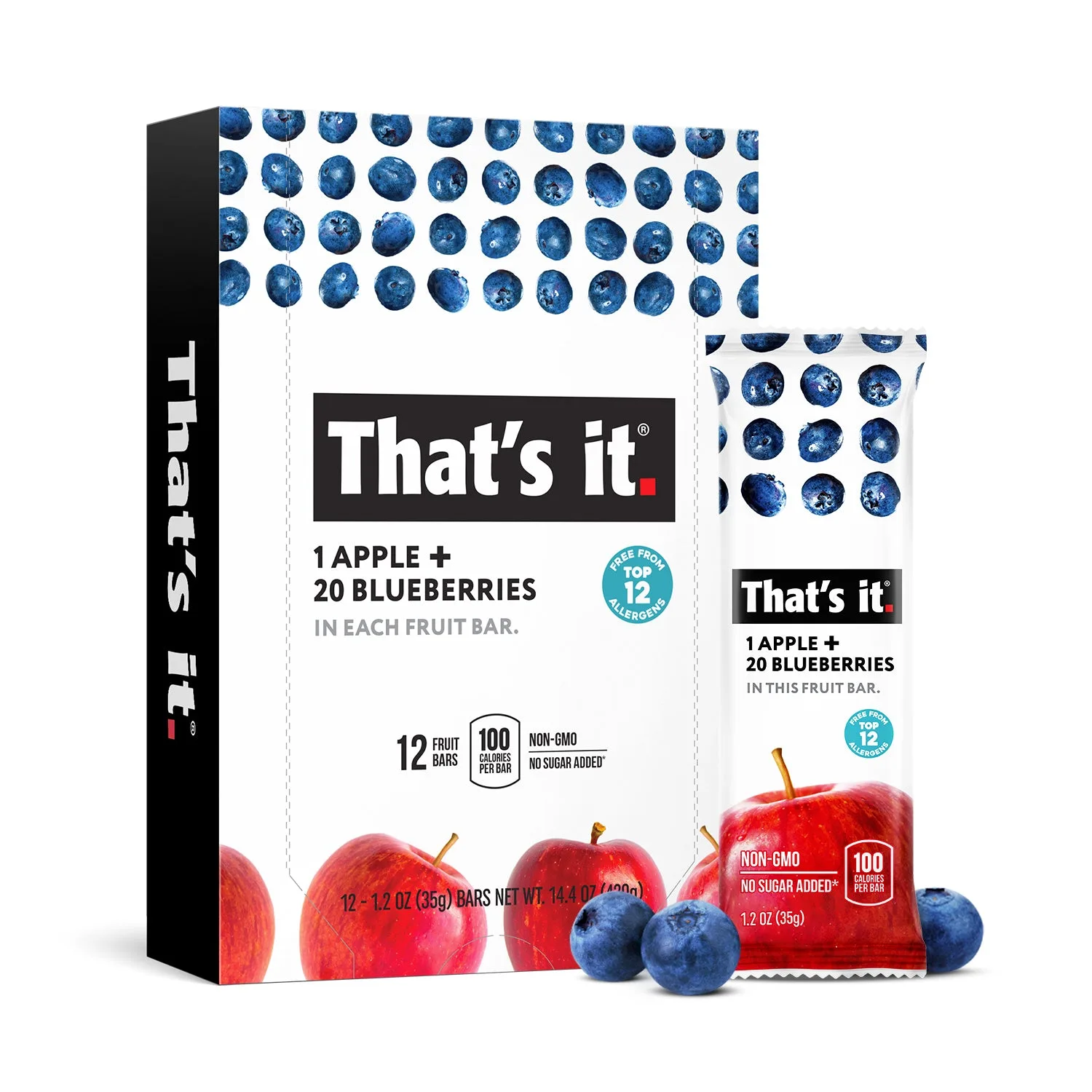
Apple + Blueberry Fruit Bars