Quick answer
Pack a changing poncho by rolling it tight from the hood down, then securing it with its own hood or a strap so it stays compact. For cold beach days, add a warm base layer and a dry bag so the poncho stays dry until you need it. Keep the poncho accessible at the top of your bag for a fast transition out of cold, wet gear.
Why packing matters more in cold weather
On a cold beach day, your poncho is part of your warmth system, not just a cover-up. If it is stuffed wet or compressed under heavy gear, it loses loft and takes longer to dry, which makes the post-surf change miserable. Packing it deliberately keeps the fabric dry and ready to trap heat the moment you put it on.
Layering under the poncho
The poncho blocks wind and absorbs water, but it does not generate heat on its own. Wear a moisture-wicking base layer and, if it is truly cold, a thin fleece or insulated vest underneath. Avoid cotton next to your skin because it holds moisture and cools you down once you stop moving.
Folding and rolling the poncho
Lay the poncho flat with the inside facing up, fold the sleeves or sides inward, then roll from the hood down toward the hem. Rolling pushes air out gradually and keeps the bulk even. If your poncho has a kangaroo pocket, tuck the rolled body into the pocket or use the hood to secure the bundle.
Packing checklist for winter surf
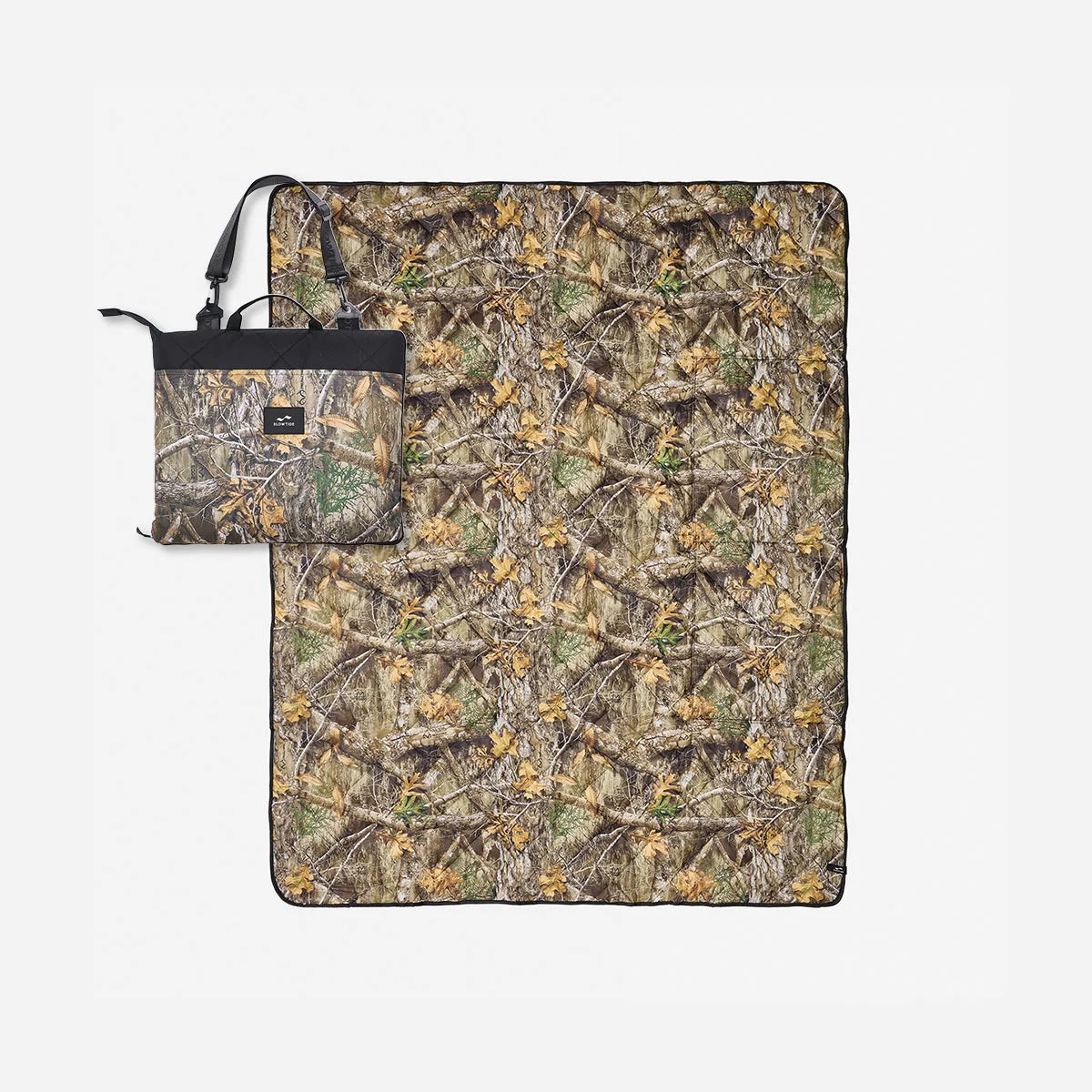
Keep the poncho in a dry bag or at the top of your pack, separate from wet wetsuits. Add a small towel for your feet, a warm hat, and a thermos. A packable blanket can double as a dry spot to stand on while you change, which keeps your socks and feet out of cold sand.
Step-by-step packing routine
- Check the forecast and choose your layers: Look at wind and air temperature, not just water temp. Pick a base layer plus an insulating midlayer that fits under the poncho without bunching. Checkpoint: you should be able to move your arms freely before you add the poncho.
- Lay the poncho flat and fold the sides in: Place the poncho inside-up on a clean surface. Fold each side toward the center so the width matches the hood. Mistake to avoid: folding it damp or sandy, which traps grit and moisture in the fabric.
- Roll from the hood down: Start at the hood and roll tightly toward the hem, pressing out air as you go. Keep the roll even so it packs into a compact cylinder. Checkpoint: the rolled poncho should hold its shape without unrolling.
- Secure the roll: Use the hood to tie the bundle or wrap it with a strap. If your poncho has a kangaroo pocket, turn it inside out and stuff the roll into the pocket. Mistake to avoid: using a sharp clip that can snag the terry loops.
- Pack it at the top of your bag: Place the poncho in a dry bag or the top compartment, above wet gear. Keep a small towel and warm hat in the same pocket for a one-stop change. Checkpoint: you can reach the poncho without unpacking your entire bag.
Products that help on cold beach days
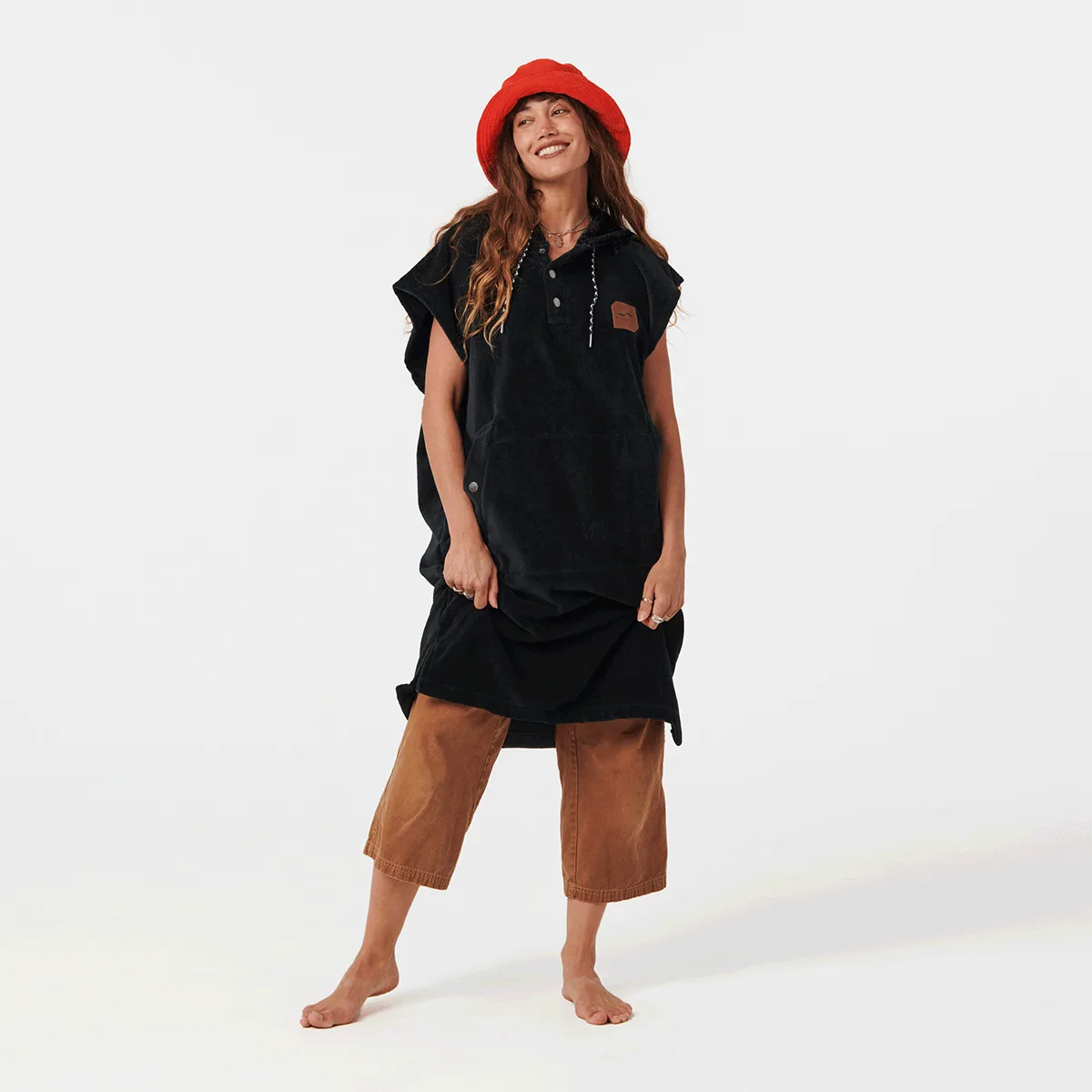
- The Digs Extra-Warm Poncho: Crafted from plush heavyweight cotton terry for deep absorbency and reliable warmth after surf sessions, cold plunges, or early morning beach walks. The heavyweight terry holds warmth and absorbs water quickly, so you dry off and warm up faster in cold conditions.
- Realtree Packable Picnic Blanket: Quilted, packable, and built for wherever you end up; folds back into its own carry bag with a shoulder strap. A packable blanket gives you a dry, insulated spot to stand or sit while changing, keeping your feet and gear off cold sand.