Packing a day bag for a multi-day hike is a balancing act between carrying everything you need and keeping your load light enough to enjoy the trail. The wrong approach can lead to unnecessary fatigue, disorganized gear, or worse—forgetting a critical item. Whether you're heading out for a weekend in the wilderness or a week-long trek, mastering the art of efficient packing transforms your experience from a struggle into a pleasure.
This guide covers practical strategies for selecting the right bag, organizing your gear, and trimming weight without sacrificing safety or comfort. We'll also highlight a few versatile products that can simplify your setup and add durability to your kit.
Choose the Right Day Bag for Multi-Day Use
A true day bag is typically 20–35 liters, but for multi-day hikes where you need extra layers, food, and a water filter, look for a pack around 30–40 liters with good suspension. The key features to prioritize are a padded hip belt to transfer weight off your shoulders, multiple compartments for organization, and durable, weather-resistant fabric. Avoid bags with unnecessary straps or pockets that add weight without function.
Consider a bag that offers easy access to essentials like your water bottle, map, and snacks. Some modern day bags include integrated hydration sleeves, which can save space and keep you drinking regularly. For example, the Mōdeer Rolltop Backpack combines a sleek, minimalist design with robust construction, making it a solid choice for multi-day hikes where versatility and durability matter.
- Look for a pack with a removable rain cover or built-in waterproofing.
- Test the fit with weight inside before your hike to adjust straps properly.
Master the Art of Weight Distribution
How you distribute weight inside your day bag directly affects your balance and comfort on the trail. Heavy items—such as a cookset, water bottles, or a power bank—should be placed close to your spine and at mid-height. This keeps the load centered and reduces strain on your shoulders. Lighter items like clothing and a sleeping bag can go at the bottom or in outer pockets.
Use stuff sacks or compression bags to condense soft gear like a puffy jacket or extra socks. This not only frees up space but also prevents items from shifting as you hike. A well-packed bag feels stable and doesn't sway when you turn your head or step over rocks. For keeping small essentials organized, a lightweight protective case can hold your phone, map, and headlamp in one accessible spot.
- Place your heaviest items in the middle of the pack, near your back.
- Store frequently used items in hip belt pockets or the top lid.
Organize Gear with a System That Works
The best packing systems use zones: a bottom zone for bulky, low-use items like a sleeping bag or shelter; a middle zone for heavy gear like food and water; a top zone for quick-access items like a rain jacket, first aid kit, and snacks. Side pockets are ideal for water bottles or a tripod, while the hip belt can carry a camera or energy gels.
Inside the main compartment, use dry bags or packing cubes to separate wet from dry gear and to keep things from tangling. For example, store your stove and fuel in a separate pouch to prevent leaks. A simple way to save space is to use a compact cookset like the https://solpick.shop/products/rolled-enamelware-bowl-set-117231https://solpick.shop/products/rolled-enamelware-bowl-set-117232https://solpick.shop/products/rolled-enamelware-bowl-set-117233Rolled Enamelware Bowl Set, which nests inside itself and can double as a bowl or plate. Pair it with the Rolled Enamelware Mug Set for a lightweight, stackable dining kit that takes up minimal room.
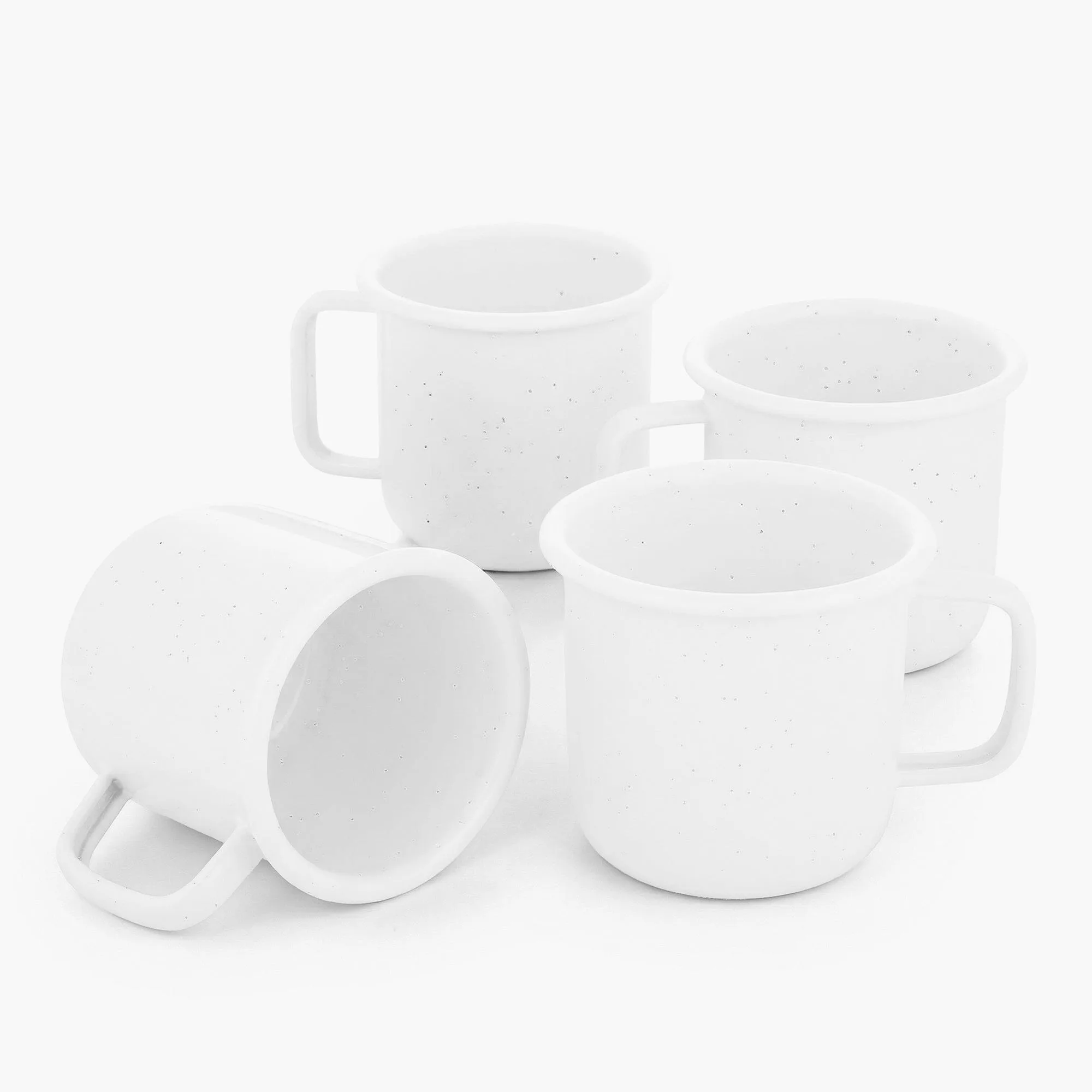
Rolled Enamelware Mug Set
- Color-code your stuff sacks so you can grab the right one quickly.
- Roll clothing instead of folding to reduce wrinkles and save space.
Trim Weight Without Sacrificing Safety
Every gram counts on a multi-day hike, but cutting weight should never compromise your safety or comfort. Start by evaluating each item: Do you really need a full-size towel? Can you share a tube of sunscreen with a partner? Replace heavy gear with lighter alternatives, such as a titanium spork instead of a stainless steel one, or a compact flashlight like the Mini Flashlight instead of a bulky headlamp.
Another smart swap is to use a rechargeable power bank instead of multiple disposable batteries. The Power Bank - 10000 mAh is a lightweight, high-capacity option that can charge your phone and GPS device multiple times without adding significant weight. Also, consider leaving behind extra clothing layers if your hike is in mild weather—you can always layer with what you're wearing.
- Weigh your pack before you leave and aim for no more than 20% of your body weight.
- Repackage food into zip-top bags to save space and reduce trash.
Essential Gear Checklist for Multi-Day Hikes
A well-organized day bag for a multi-day hike should include the following categories: navigation (map, compass, GPS), hydration (water bottles or bladder, filter), nutrition (high-calorie snacks, meals), shelter (emergency bivvy or tarp), first aid, tools (knife, multi-tool, fire starter), and extra clothing (rain jacket, insulating layer). Don't forget sun protection and a headlamp with spare batteries.
For cooking, a lightweight stove and a compact cookset are essential. The Rolled Enamelware Side Bowl Set is perfect for serving sides or eating a quick meal, and its rolled edges make it easy to clean in the backcountry. If you're planning to build a campfire, the Workman Hatchet is a reliable tool for splitting kindling and processing firewood—just remember to store it safely in your pack.
- Always carry a repair kit with duct tape, a needle, and cordage.
- Test all gear at home before your hike to avoid surprises on the trail.
Final Packing Tips for a Comfortable Hike
Once you've packed your day bag, put it on and walk around your house for a few minutes. Adjust the hip belt, shoulder straps, and load lifters until the pack feels snug but not restrictive. Check that nothing is digging into your back or sides. A well-fitted pack makes even a heavy load feel lighter.
On the trail, practice the 'one in, one out' rule: every time you take something out of your pack, put it back in its designated spot. This habit prevents clutter and ensures you never lose small items. Finally, stay flexible—adjust your packing strategy based on weather, terrain, and your own energy levels.
- Use a hydration bladder for easy sipping without stopping to dig for a bottle.
- Pack a small dry bag for wet or smelly items like a rain jacket or socks.
Packing a day bag for a multi-day hike doesn't have to be overwhelming. By choosing the right bag, distributing weight wisely, and using a system to organize your gear, you'll set yourself up for a comfortable and enjoyable adventure. Start by upgrading your kit with durable, space-saving essentials like the Rolled Enamelware Bowl Set, which nests perfectly in your pack and makes mealtime a breeze. Explore our full collection of hiking gear to find the tools that will help you travel lighter and farther.