Quick answer
Pack your Large Assault Pack by placing heavy gear close to your back and centered, using the two main compartments to separate mission-critical items from bulk supplies. This setup balances weight, protects fragile gear, and keeps essentials accessible during a 72-hour mission.
Why compartment choice matters for a 72-hour loadout
The Large Assault Pack's two spacious main compartments let you separate your gear by priority and frequency of use. The compartment closer to your back is ideal for dense, heavy items like ammunition or water bladders because it keeps the load stable and close to your center of gravity. The outer compartment works best for bulkier but lighter gear such as clothing or sleeping bags.
Balancing weight for extended carry
Carrying a 72-hour load means you will be on the move for hours. If heavy items sit too low or too far from your back, the pack will pull you backward and cause fatigue. Placing the heaviest items in the middle of the pack, at shoulder-blade height, reduces strain and improves mobility. The Large Assault Pack is built for heavier loads, but how you distribute weight still makes the difference between a manageable march and a miserable one.
Step-by-step packing order
- Step 1: Load the inner compartment with heavy, mission-critical gear: Place your water bladder (if using), ammunition, radio, and first-aid kit flat against the back panel. Keep the heaviest items centered at shoulder height. This prevents the pack from sagging and keeps weight close to your body. Common mistake: stuffing a sleeping bag against your back. That shifts heavy gear outward and ruins balance.
- Step 2: Fill the outer compartment with bulk supplies: Use the second main compartment for clothing, food pouches, and a lightweight shelter. Roll or compress soft items to fill gaps and prevent shifting. Reserve the top area for items you may need without unpacking everything, like a rain jacket or extra socks. Checkpoint: if the pack bulges unevenly, redistribute bulk items so the load stays symmetrical.
- Step 3: Secure small essentials in external pockets and straps: Store navigation tools, multitool, flashlight, and fire-starting kit in accessible external pockets. Use compression straps to cinch down any loose load and keep the pack streamlined. Attach a sleeping pad or shovel to the outside only after internal space is full. Common mistake: overloading external pockets with heavy items, which throws off balance and snags on brush.
Gear that fits the mission
-
Large Assault Pack - Archangel Tactical Gear: Built for extended missions, heavier loads, and maximum versatility, the Large Assault Pack delivers increased storage without sacrificing durability or performance. This pack can handle the volume and weight of a full 72-hour kit while staying comfortable and rugged enough for field use.
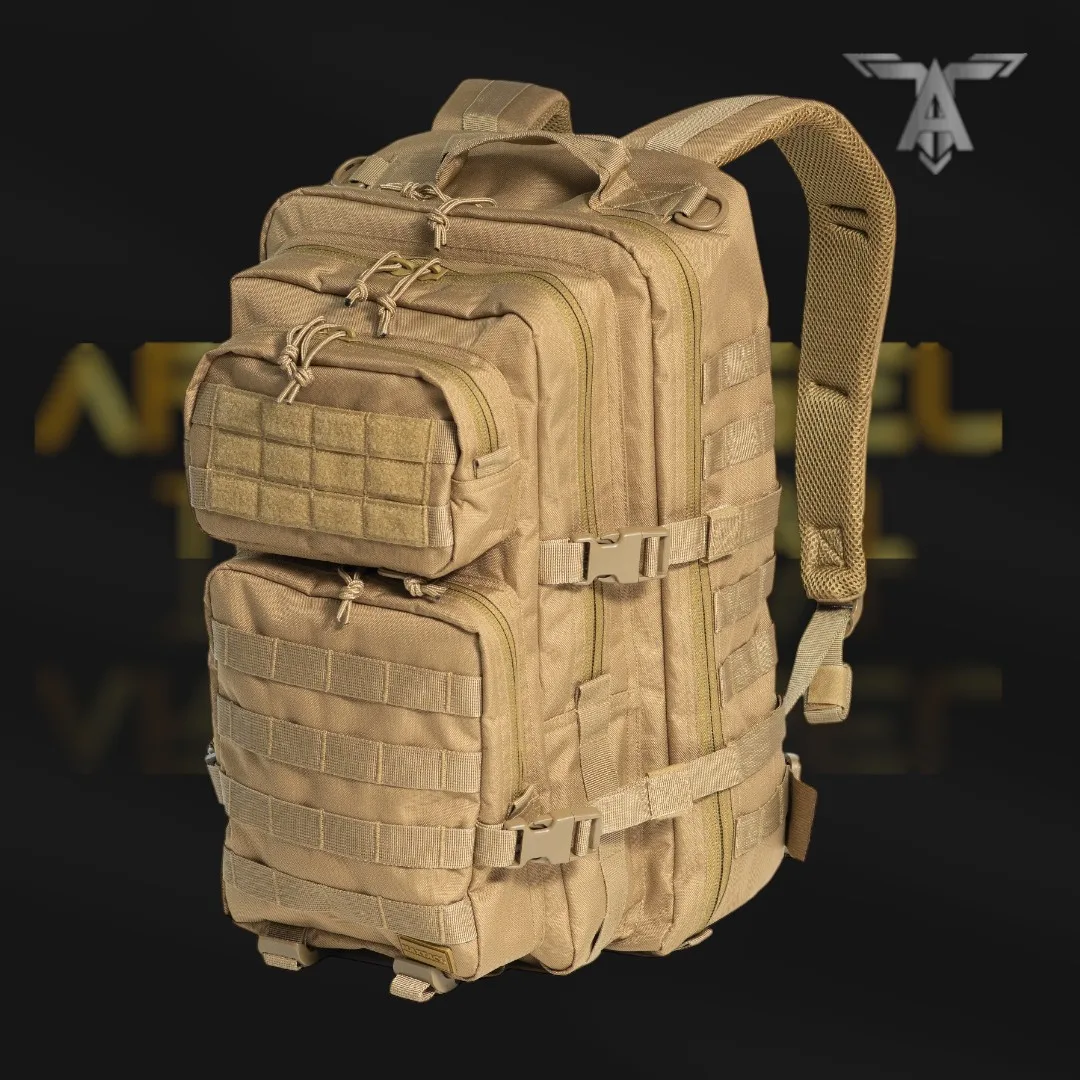
Large Assault Pack - Archangel Tactical Gear