Quick answer
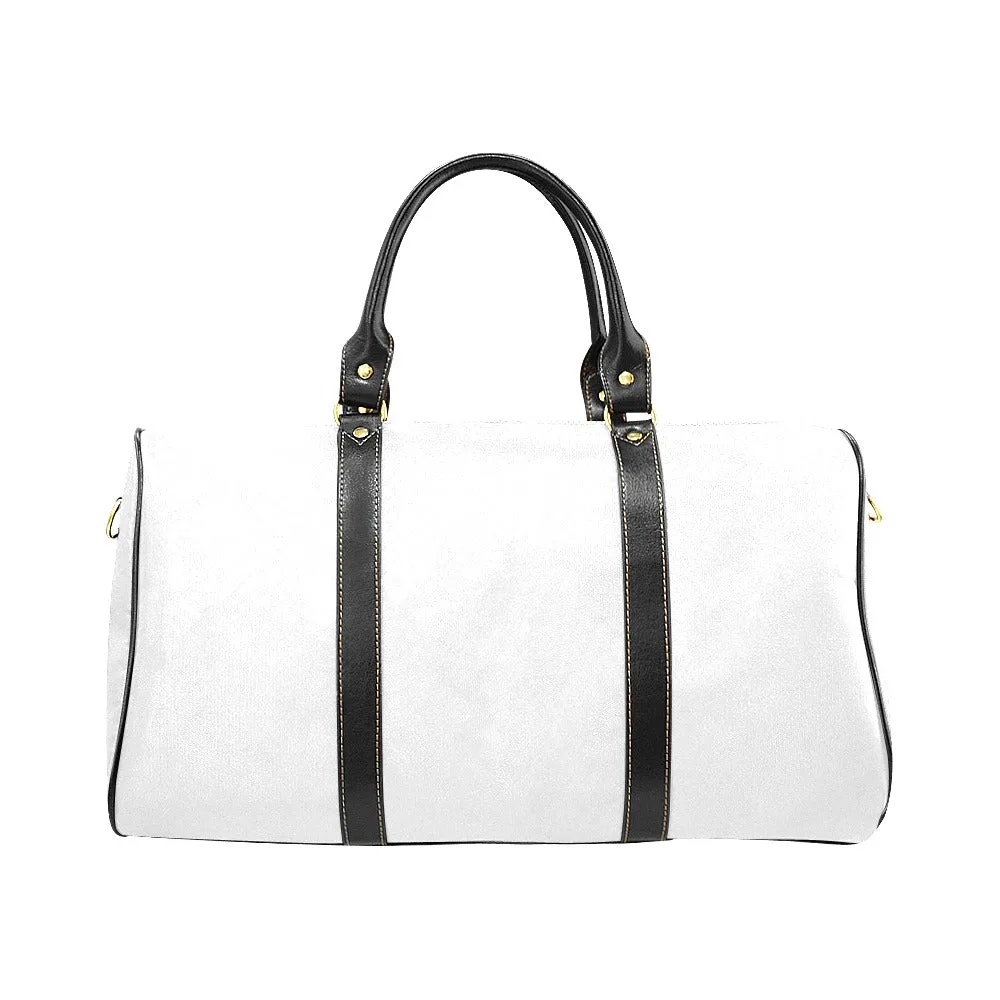
Pack the TERG All Way Square Backpack in three layers: heavy items flat against the back panel, bulky soft gear in the middle, and anything you need during the day on top. Keep the square footprint working for you by squaring off soft items instead of stuffing them round, and leave the top third of the bag empty until the last minute so it can compress down as a lid.
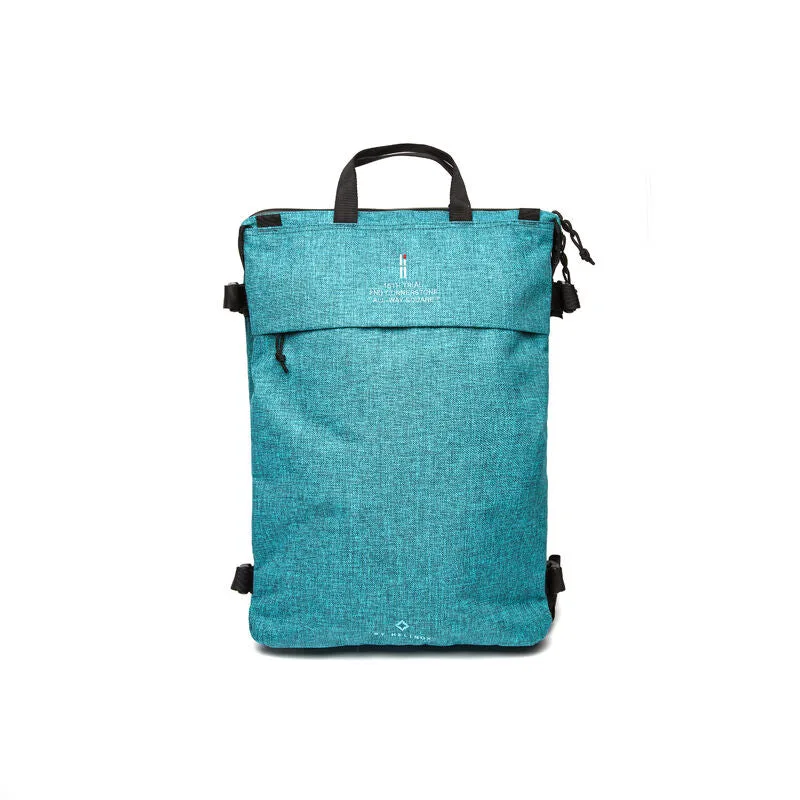
TERG All Way Square Backpack
A weekend trip is the hardest packing length to get right. It is long enough that you need real shelter, sleep, and cooking gear, but short enough that you will resent carrying anything you do not use. The TERG All Way Square Backpack's boxy shape rewards a deliberate packing order and punishes random stuffing.
This guide walks through a repeatable pack sequence you can run in about fifteen minutes at home or at the trailhead. It also calls out the mistakes that turn a comfortable two-night load into a shoulder-aching one.
Start with a load plan before you touch the bag
Lay everything on the floor and sort it into three piles: sleep system, shelter and clothing, and food plus kitchen. Then pull out anything you cannot justify for a two-night trip, such as a second stove, a third pair of pants, or a full-size towel. A weekend load should fit in one bag without strapping gear to the outside.
Weigh the piles in your head rather than on a scale. The heaviest single item, usually your shelter or water, sets the anchor point for the whole pack. If you are carrying a cot or chair, that becomes the anchor instead, and everything else wraps around it.
- Checkpoint: if your gear does not fit in one pile per category, you are overpacking, not under-bagging.
Load the heavy layer against your back
Place the heaviest items in the panel closest to your spine, centered between your shoulder blades. This keeps the weight over your hips instead of pulling you backward, which matters more on a square bag than a rounded one because the flat panel resists shifting. Put your shelter or stove here first.
Do not put hard, angular items against your back if you can avoid it. A stove with sharp corners will dig in over a full day of walking. Wrap it in a stuff sack or a spare layer, then seat it flat.
- Mistake to avoid: loading heavy gear at the bottom of the bag, which sags the load and forces you to lean forward.
Fill the middle with soft, square-folded gear
The middle layer is where the square backpack organization pays off. Fold clothing and your sleeping bag into flat rectangles rather than rolling them into cylinders, then stack them like books. Flat folds fill the corners of a square bag and stop the load from settling into a lump halfway through day one.
Use small stuff sacks for loose items like socks, base layers, and toiletries so they do not migrate. Keep similar items together so you are not unpacking the whole bag to find a headlamp at dusk.
- Checkpoint: press down on the middle layer. If it springs back unevenly, refold the bulkiest item.
Keep the top third for daytime access
The top of the bag should hold what you reach for without stopping: rain shell, snacks, water filter, map, and a warm layer. If your bag has a lid or top pocket, put small valuables and your phone there. This is the layer you will open most often, so keep it light and loosely packed.
Leave a little empty space at the very top. On the walk in, you can compress the load by tightening straps, and on the walk out you will have room for trash, damp layers, or a souvenir you did not plan for.
- Mistake to avoid: burying your rain shell at the bottom. Weather changes faster than your willingness to unpack.
Fit the bag, then walk a lap
Loosen the shoulder straps, put the bag on, then tighten the hip belt first if your bag has one. Tighten shoulder straps last so the weight sits on your hips and the bag hugs your back without gaps. A square pack that is not snug will sway side to side and rub.
Walk a lap around your house or campsite before you commit. Adjust any strap that has slack, and shift the load if one shoulder feels heavier. Two minutes of tuning beats six hours of discomfort.
- Checkpoint: if the bag pulls backward when you lean forward, the heavy layer is too far from your spine.
Add camp comfort items last, and only if they earn their space
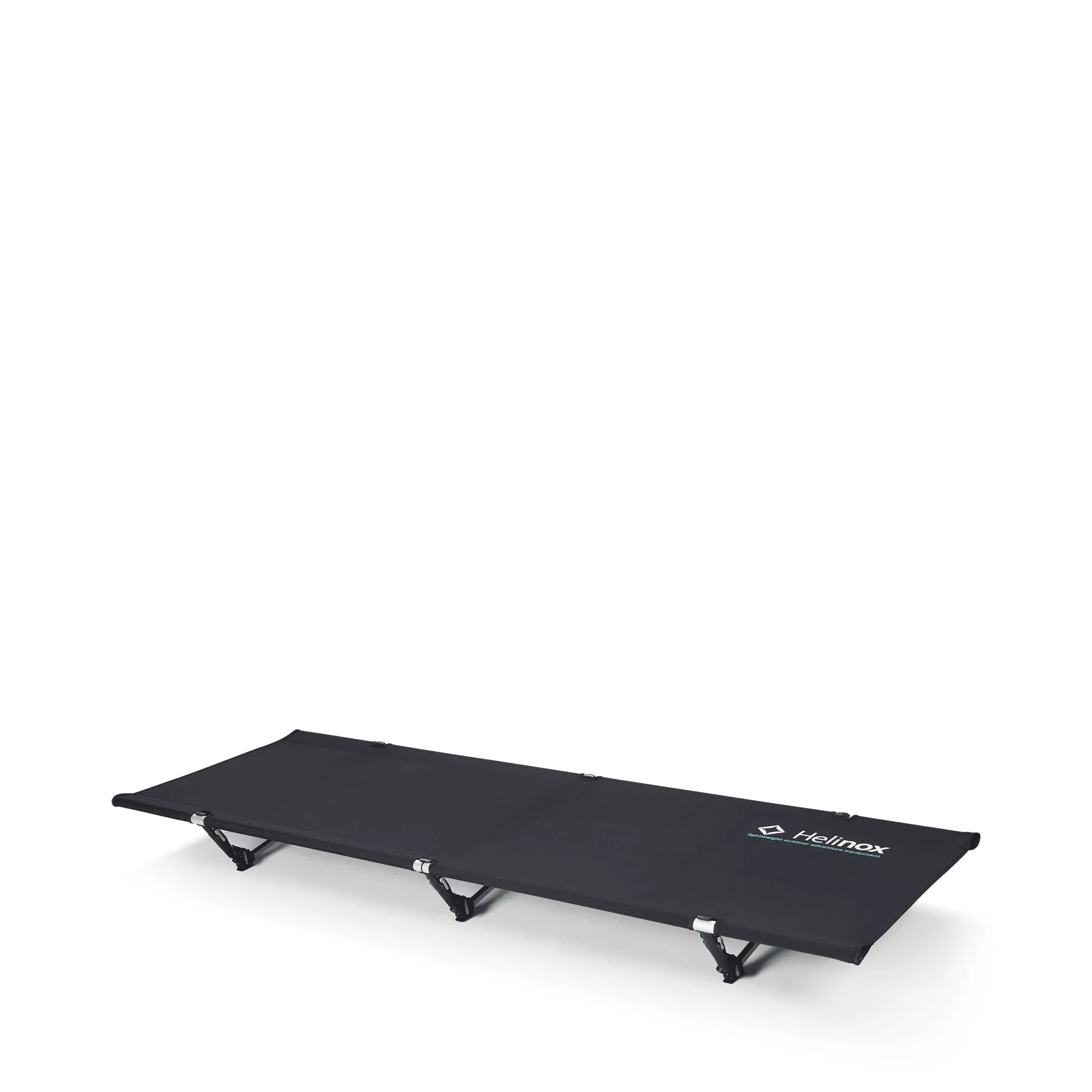
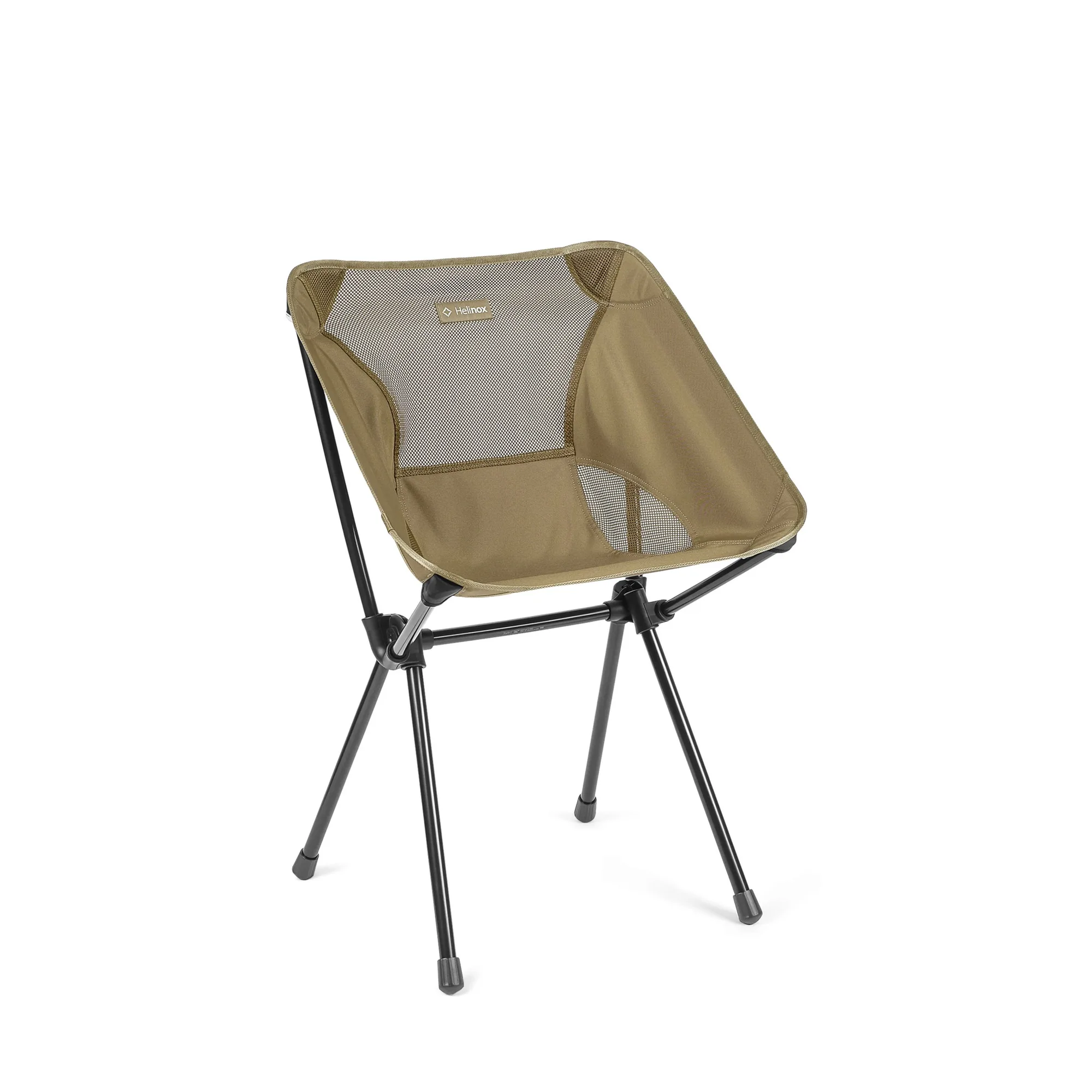
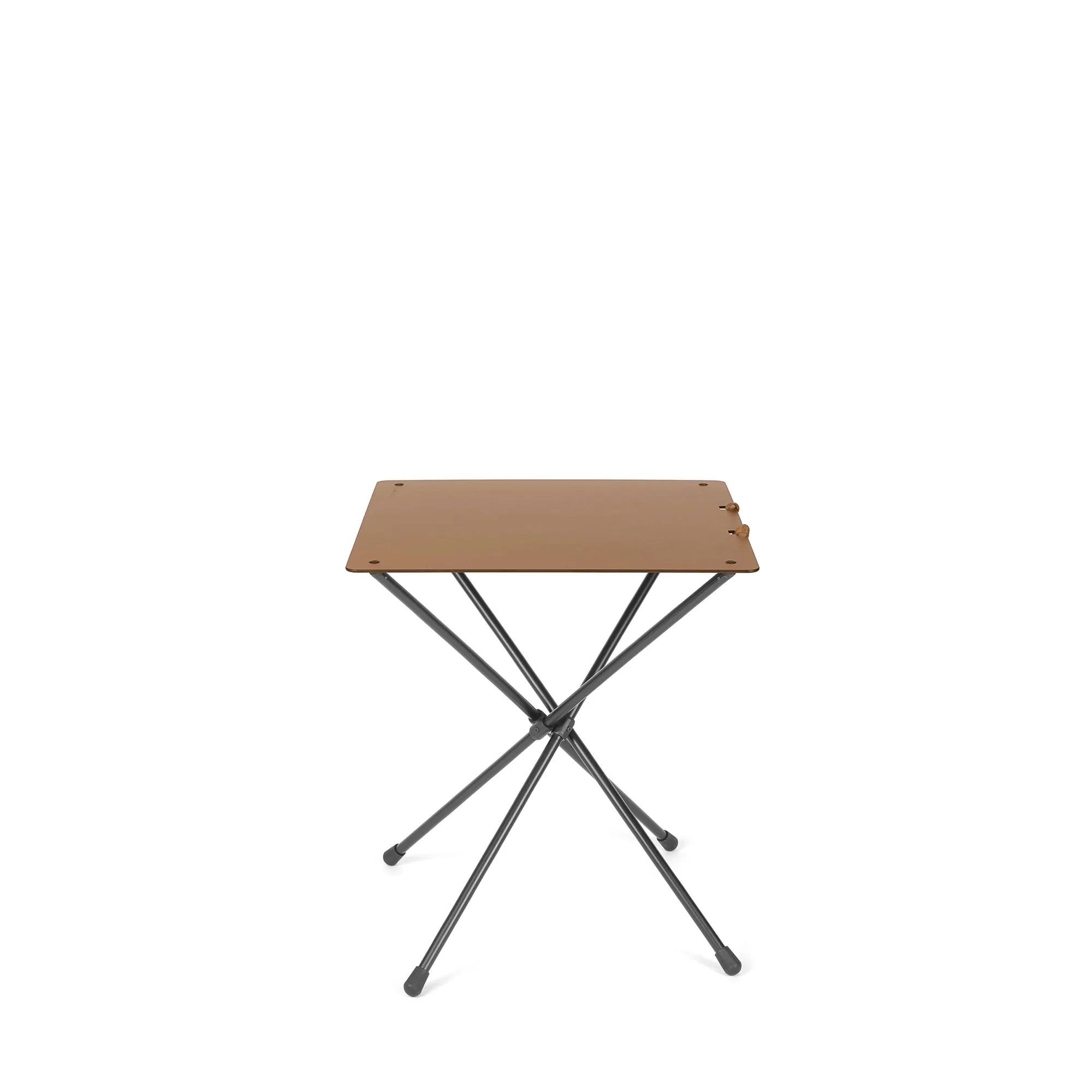
Once the essentials are in, decide whether a chair, cot, or game is worth the remaining room. The Café Chair is designed for dining at standard table height and pairs with the Café Table, so it makes sense if your weekend includes sit-down meals rather than eating from your lap. The Cot One Convertible uses a lever-locking system and keeps you off cold, hard ground, which is a real upgrade for a two-night trip where sleep quality matters.
If you are packing for a larger group, a small item like the ScoreKeeper adds almost no weight and gives everyone something to do after dark. Add these items only after the core load is packed, so you can see exactly how much space is left.
- Mistake to avoid: packing comfort gear first and then cramming essentials into whatever gap remains.
Weekend pack sequence, step by step
- Sort and subtract: Lay out sleep, shelter, clothing, food, and kitchen gear, then remove anything you cannot justify for two nights. Checkpoint: one pile per category, no duplicates.
- Anchor the heavy layer: Place your heaviest item flat against the back panel, centered between your shoulder blades. Mistake to avoid: heavy gear at the bottom of the bag.
- Square-fold the middle: Fold clothing and your sleeping bag into flat rectangles and stack them to fill the square footprint. Checkpoint: press down and make sure the layer springs back evenly.
- Load the top third for access: Put rain gear, snacks, water treatment, and a warm layer where you can reach them without unpacking. Leave a little empty space for compression and trash.
- Fit and test: Tighten the hip belt first, then the shoulder straps, and walk a lap before you leave. Adjust until the bag hugs your back with no sway.
- Add comfort gear last: Slide in a chair, cot, or game only after the essentials are packed and you can see the remaining room. If it does not fit cleanly, it does not come.
Gear that fits a weekend load
- Café Chair: Tailored for dining, sits at standard table height, and pairs perfectly with the Café Table. If your weekend involves real meals rather than eating on the ground, this chair earns its space because it matches table height instead of forcing you to lean down.
- Cot One Convertible: Easy to carry, easy to assemble, and uses an innovative lever-locking system to keep you off the cold, hard ground. For a two-night trip where sleep quality decides the next day, a cot replaces a sleeping pad and adds comfort without much extra pack weight.
- ScoreKeeper: A portable scorekeeper for packable games, made to be played from the backcountry to the backyard. It takes up almost no room in the top layer and gives a group something to do after dinner without adding meaningful weight.
Pack the TERG All Way Square Backpack in layers, keep the heavy weight against your spine, and treat the top third as your day-access zone. Do that and a two-night load will carry comfortably instead of fighting you the whole way.