Quick Answer
To pack a travel backpack for a weekend trip, start by choosing a backpack with smart organization and expandable capacity, like the Stone Travel Backpack - Optimal. Roll your clothes, use packing cubes, place heavy items near your back, and keep tech gear in padded compartments. Follow a step-by-step packing order to maximize space and keep everything accessible.
Packing for a weekend trip is a balancing act: you want to be prepared without lugging a giant suitcase. A travel backpack offers the perfect solution, giving you mobility and organization. But how do you pack it efficiently? This guide will walk you through the process, from choosing the right backpack to packing it like a pro.
Whether you're a seasoned traveler or a first-timer, these tips will help you make the most of your backpack space. We'll cover everything from rolling clothes to using packing cubes, and we'll highlight some of the best travel backpacks from Mous to make your journey smoother.
Choose the Right Backpack
The foundation of a well-packed trip is the backpack itself. For a weekend getaway, you need a bag that's compact enough for carry-on travel but spacious enough to hold your essentials. Look for features like expandable storage, multiple compartments, and durable materials.
Mous offers a range of backpacks designed for travel and daily commutes. The Stone Travel Backpack - Optimal is a high-performance carry-on backpack with expandable storage and AiroFoam® tech protection, making it ideal for weekend trips. If you prefer a more minimalist option, the Flap Backpack with AiroFoam® - Day offers a sleek design with a full-access zip for easy packing.
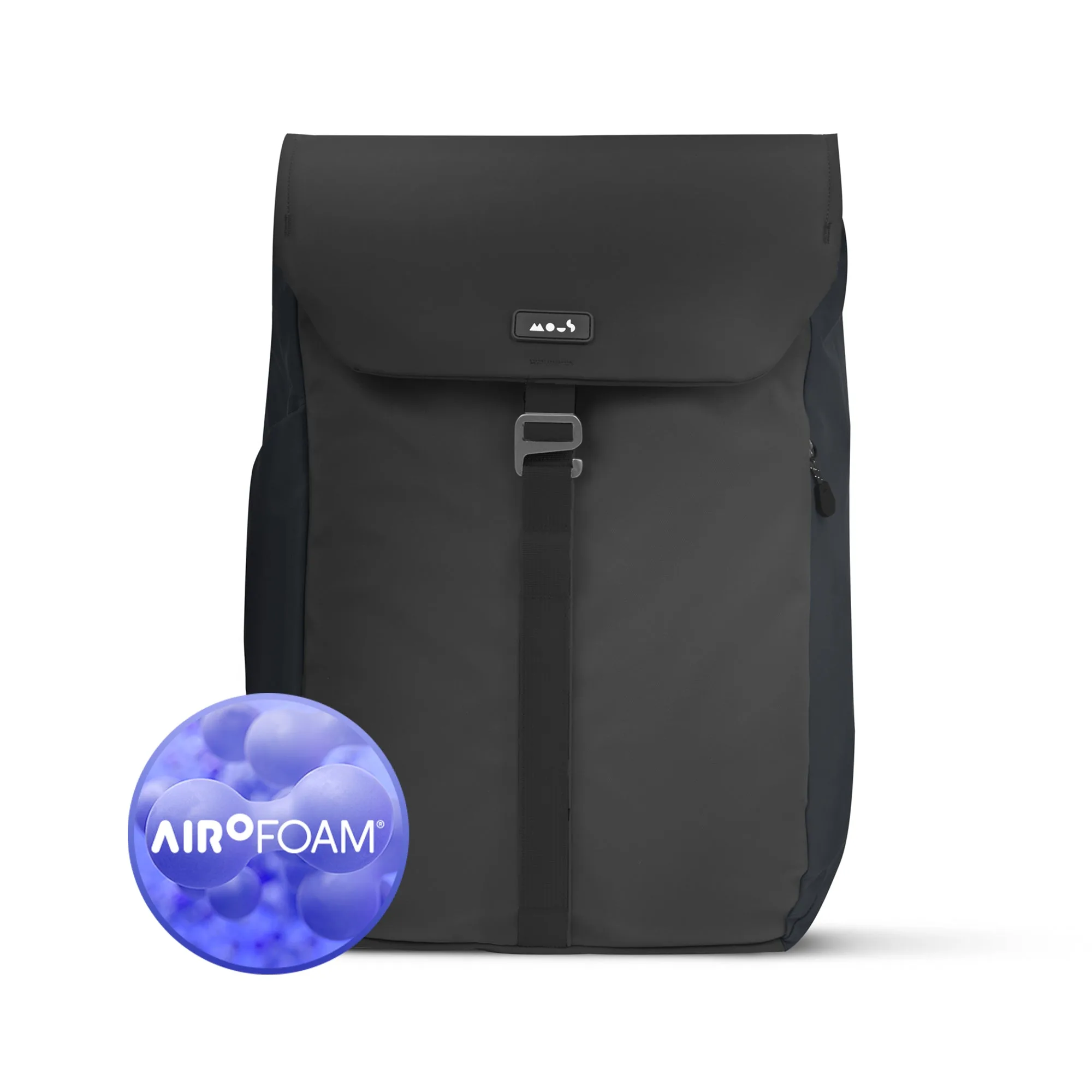
Flap Backpack with AiroFoam® - Day
Consider your packing style: if you like to bring extra layers or souvenirs, an expandable backpack gives you flexibility. If you're a light packer, a streamlined design might be all you need.
- Check airline carry-on size restrictions before choosing a backpack.
- Look for padded laptop sleeves and tech compartments to protect your devices.
- Water-resistant materials add an extra layer of protection for unexpected weather.
Make a Packing List
Before you start packing, create a list of everything you need. This prevents overpacking and ensures you don't forget essentials. For a weekend trip, focus on versatile clothing that can be mixed and matched, and limit shoes to two pairs: one for walking and one for evenings.
Don't forget toiletries, medications, chargers, and any important documents. A packing list can also help you stay organized when you're packing in a hurry.
Consider using a packing app or a simple note on your phone to keep your list handy. Check items off as you pack them to avoid last-minute stress.
- Plan outfits for each day to avoid overpacking.
- Use travel-sized toiletries to save space.
- Keep a separate list for electronics and chargers.
Roll Your Clothes
Rolling your clothes is a classic packing hack that saves space and reduces wrinkles. Roll each item tightly and stack them in your backpack. This method also makes it easier to see what you have without unpacking everything.
For bulky items like sweaters or jackets, consider using compression bags to reduce their volume. This is especially useful if you're using a backpack with limited space.
Place rolled clothes in the main compartment, distributing weight evenly. Heavier items like jeans should go at the bottom, near your back, to keep the backpack balanced.
- Roll t-shirts, pants, and dresses to save space.
- Use packing cubes to group similar items.
- Compress bulky items with vacuum bags if needed.
Organize with Packing Cubes
Packing cubes are a game-changer for backpack organization. They help you separate clean clothes from dirty ones, keep electronics in one place, and make it easy to find items without rummaging through everything.
Use different cubes for different categories: one for clothes, one for toiletries, and one for tech gear. This not only keeps your backpack tidy but also speeds up packing and unpacking.
When choosing packing cubes, look for lightweight, durable materials. Some cubes come with compression zippers to further reduce volume.
- Label your cubes to quickly identify contents.
- Use a separate cube for dirty laundry to keep things fresh.
- Place cubes in your backpack in order of use: items you need first on top.
Place Heavy Items Strategically
How you distribute weight in your backpack affects your comfort and balance. Heavy items like laptops, books, or water bottles should be placed close to your back and in the middle of the backpack. This keeps the center of gravity stable and reduces strain on your shoulders.
Light items like clothes and toiletries can go on the outside or top. If your backpack has multiple compartments, use them wisely: put heavier gear in the main compartment and lighter items in the front pockets.
When lifting your backpack, it should feel balanced. If it pulls backward, you've packed too much weight in the outer pockets.
- Place your laptop in a padded sleeve near your back.
- Keep a water bottle in a side pocket for easy access.
- Avoid overloading the top of the backpack to prevent tipping.
Utilize Every Compartment
Modern travel backpacks come with multiple compartments designed for specific items. Use them to keep your gear organized and accessible. For example, the Stone Travel Backpack - Optimal features smart organization, so you can store your tech in dedicated padded sections and your clothes in the main compartment.
Make use of front pockets for items you need quick access to, like passports, snacks, or a phone. Side pockets are great for water bottles or umbrellas.
Don't forget the top pocket (if your backpack has one) for small essentials like keys, sunglasses, or a wallet. This saves you from digging through the whole bag.
- Assign a specific pocket for every category of item.
- Keep your most-used items in easy-to-reach places.
- Use a key clip or carabiner to secure small items.
Protect Your Tech
If you're carrying a laptop, tablet, or camera, make sure they are protected. Many backpacks, including those from Mous, feature padded compartments or AiroFoam® tech protection. This cushioning absorbs impact and keeps your devices safe from bumps and drops.
For added security, consider using a sleeve or case for your devices. The TPU Screen Protector (2 Pack) can help keep your phone's screen shatterproof and water-resistant while you're on the go.
Keep chargers and cables organized in a dedicated pouch to prevent tangling and damage.
- Always place your laptop in a padded sleeve.
- Use a cable organizer to keep chargers tidy.
- Consider a portable charger for long travel days.
Step-by-Step Packing Process
- Step 1: Lay Out Everything: Gather all items you plan to bring and lay them out on your bed or floor. This helps you see what you have and avoid overpacking. Checkpoint: If you have more than you can wear in two days, cut back.
- Step 2: Pack Heavy Items First: Place your laptop, books, or other heavy items in the main compartment, close to your back. This ensures proper weight distribution. Checkpoint: Lift the backpack to feel the balance; adjust if needed.
- Step 3: Roll and Place Clothes: Roll your clothes tightly and place them in packing cubes. Arrange the cubes in the main compartment, with heavier clothes at the bottom. Checkpoint: Your clothes should fit snugly without bulging.
- Step 4: Fill Gaps with Small Items: Use empty spaces, such as inside shoes or between cubes, to store small items like socks, chargers, or toiletries. Checkpoint: No wasted space—every nook should be utilized.
- Step 5: Organize Front Pockets: Place items you'll need quick access to (passport, snacks, phone) in the front or top pockets. Keep them separate from your main gear. Checkpoint: You can reach these items without opening the main compartment.
- Step 6: Secure Loose Ends: Zip up all compartments, tighten any straps, and make sure nothing is dangling. Do a final check to ensure the backpack is comfortable to wear. Checkpoint: Your backpack should feel secure and balanced on your back.
Mous Backpacks for Travel
- Stone Travel Backpack - Optimal: A high-performance carry-on backpack built for seamless travel. Expandable and ultra-durable, it's engineered for tech protection and seamless organisation. 40L capacity expands to 45L for longer trips and max packing. The expandable capacity gives you extra space for souvenirs or unexpected items, while the durable materials and AiroFoam® tech protection keep your gear safe.
- Flap Backpack with AiroFoam® - Day: Our Day Backpack blends minimalist style with exceptional functionality, featuring AiroFoam® impact materials for tech protection and a full-access zip for effortless convenience. The full-access zip lets you open the entire bag at once, making it easy to pack and find items quickly—perfect for weekend trips where you're always on the move.
Packing a travel backpack for a weekend trip doesn't have to be stressful. With the right backpack and a systematic approach, you can pack efficiently and enjoy your travels. For a reliable and versatile option, check out the Stone Travel Backpack - Optimal—it's designed to make your journey seamless. Happy travels!