Quick answer
Pack a wet bag for swimming lessons by keeping wet and dry items in separate compartments or bags from the start. Put the wet swimsuit, towel, and goggles in the waterproof section, and keep dry clothes, a snack, and a dry towel in a separate pouch or the dry side of a wet/dry clutch. At the end of class, wring the swimsuit gently, zip the wet items inside, and leave the bag open to air-dry at home.
Why a wet bag beats a plastic bag for swim lessons
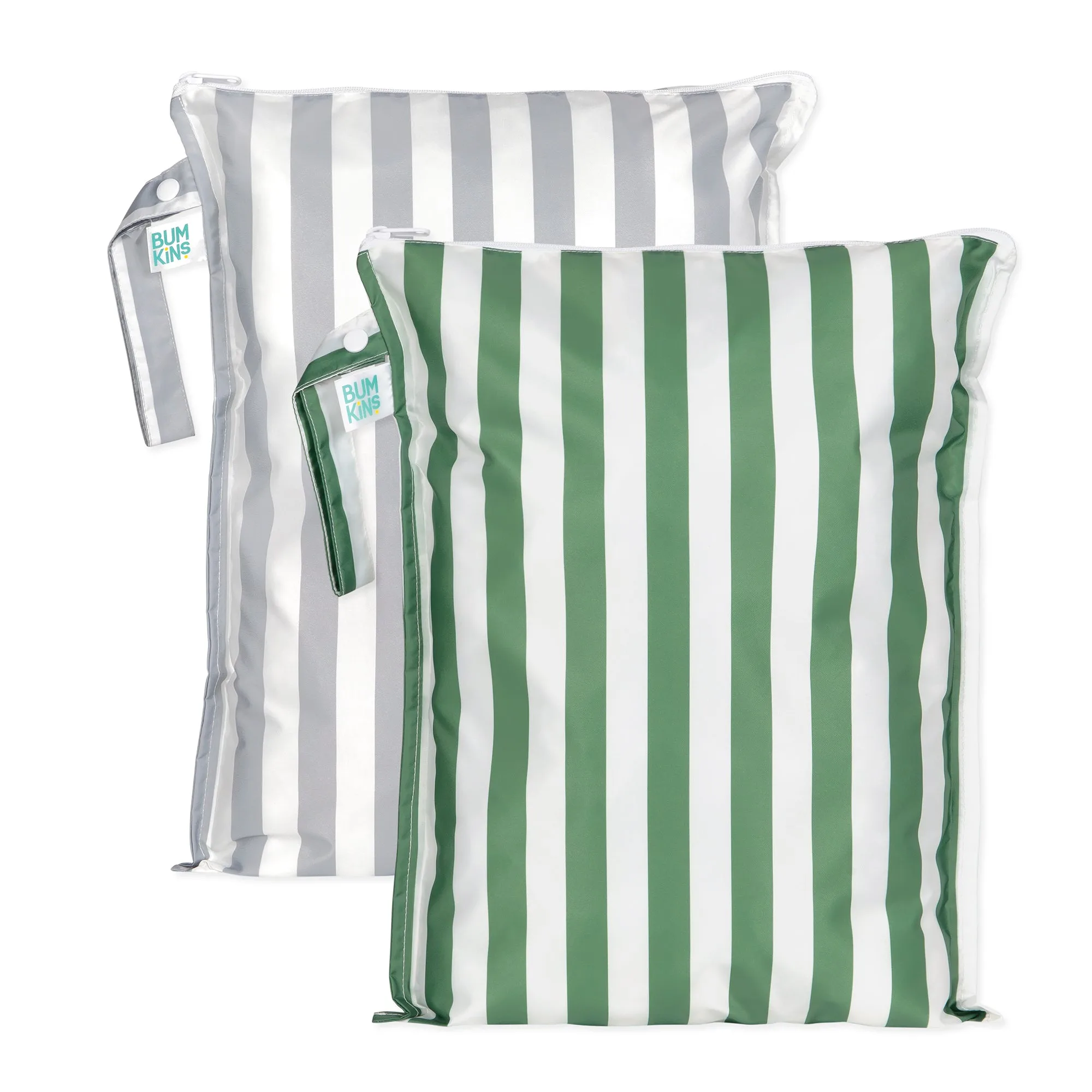
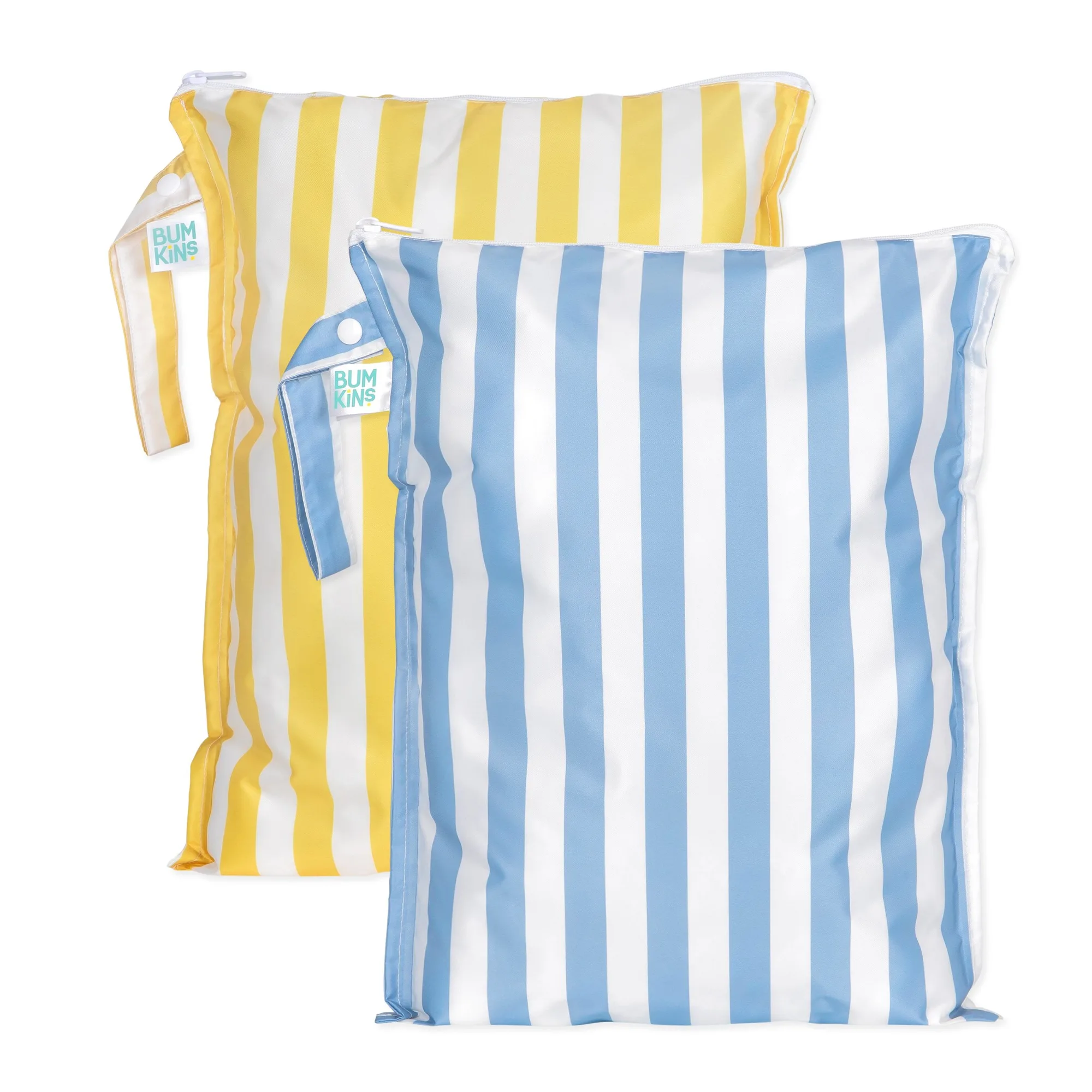
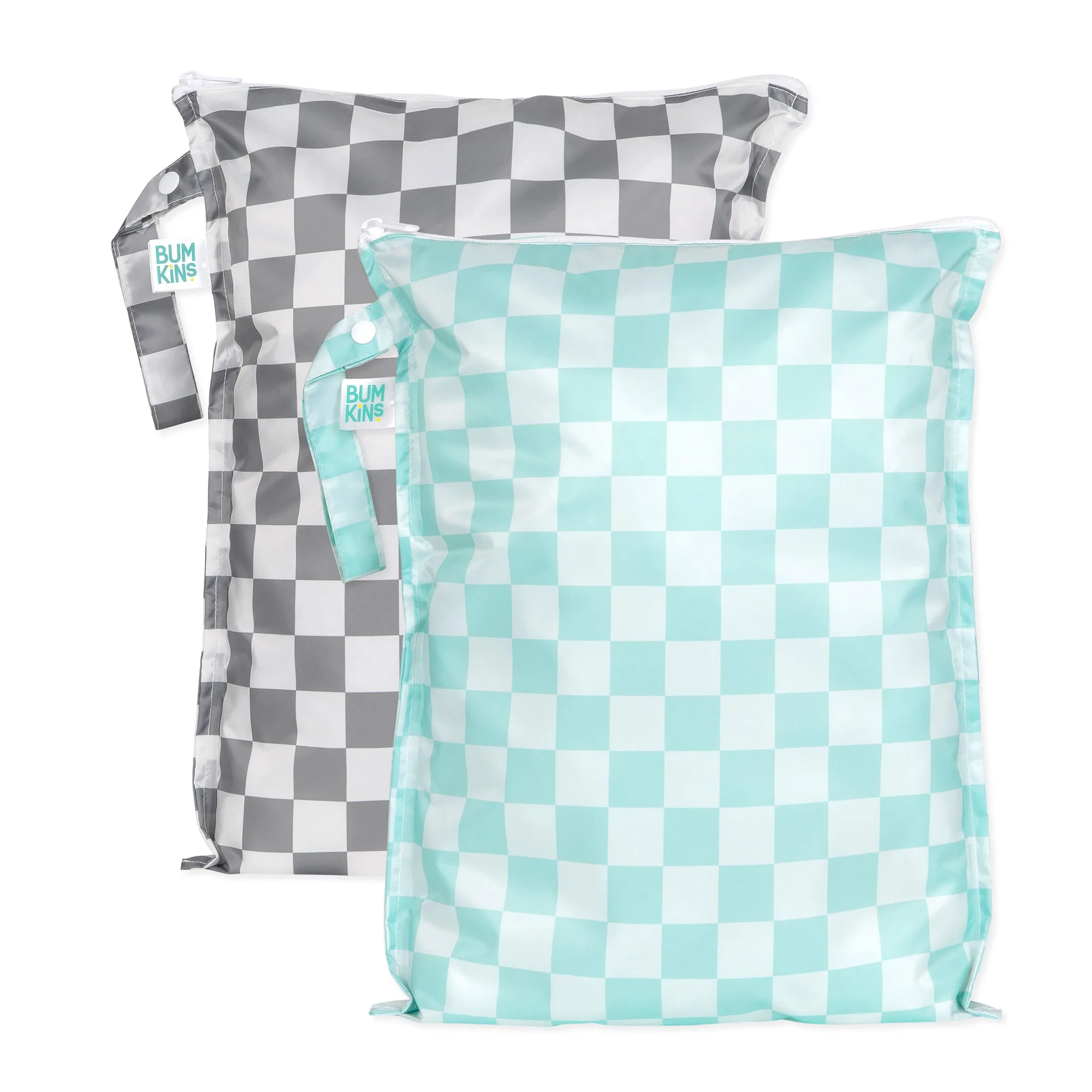
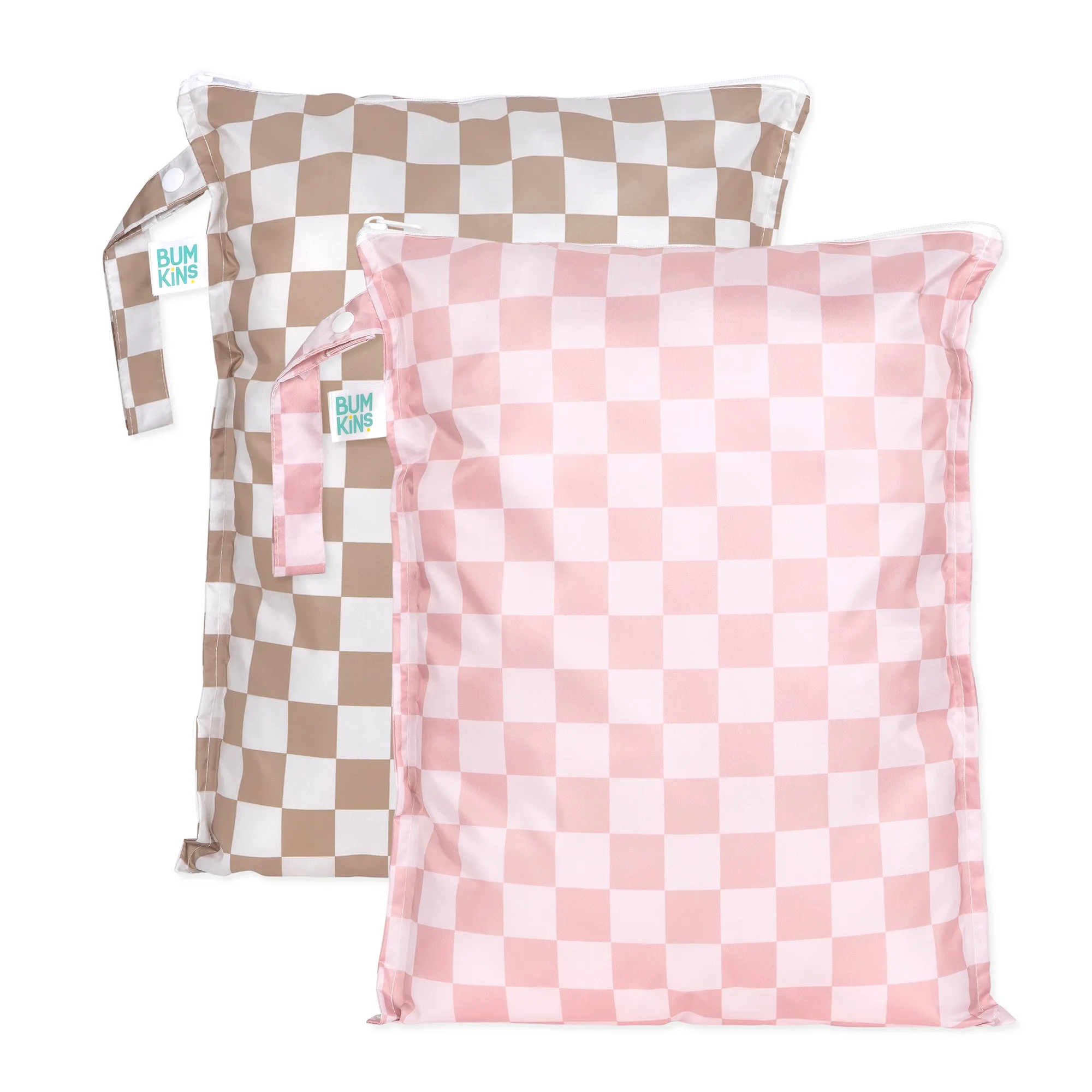
A reusable wet bag is made from waterproof fabric with heat-sealed seams, so it holds damp swimsuits and towels without leaking into the rest of your swim bag for kids. Unlike a single-use plastic bag, it can be zipped shut, rinsed, and reused week after week. Single-ply construction also means there is no hidden layer between fabrics where mildew can grow, which matters when the bag sits in a locker or car between lessons.
What to put in the wet side and the dry side
The wet side is for anything that comes out of the pool: swimsuit, towel, goggles, and a swim cap. The dry side holds clean clothes, underwear, socks, a hairbrush, and any small toiletries. If you use a set with a standard wet bag plus a compact wet/dry clutch, the clutch can carry dry essentials while the larger bag takes the wet load. Keep a small separate pouch for a wet swimsuit if you want to grab it without opening the whole bag.
A quick pre-swim check that prevents soggy clothes
Before you leave home, confirm the wet bag is fully zipped and empty of last week's damp items. A common mistake is tossing a still-damp towel into the dry section, which then makes clean clothes feel clammy. If the bag has been sitting in a hot car, air it out for a minute before packing so trapped moisture does not transfer to fresh clothes.
Swim lesson packing steps
- Start with an empty, dry wet bag: Turn the bag inside out and check that no damp towel or swimsuit was left from last time. A quick wipe with a clean cloth removes grit from the locker room floor. Checkpoint: the inside should feel dry to the touch before you pack anything.
- Pack dry clothes and towel first: Fold clean clothes, underwear, and a dry towel into the dry section or a separate pouch. Keep them at the bottom or in a clutch so they stay out of the way when you reach for the wet items later. Mistake to avoid: putting dry clothes in the same open pocket as a wet swimsuit.
- Add the swimsuit, towel, and goggles to the wet side: After class, wring the swimsuit gently over the pool deck or shower, then place it in the waterproof section with the wet towel and goggles. Zip the wet section closed so moisture stays contained. Checkpoint: the zipper should close smoothly without forcing fabric into the teeth.
- Keep small items in a dedicated pouch: Store goggles, a swim cap, hair ties, and a small snack in a separate pocket or the dry side of a wet/dry clutch. This keeps them findable and protects them from damp fabric. Mistake to avoid: dropping loose goggles into the wet section where they can get tangled in a wet towel.
- Air-dry the bag at home: When you get home, empty the wet bag, turn it inside out, and hang it open to dry completely. Leave the zipper open so air moves through the single-ply fabric. Next step: once dry, store the bag open and ready for the next lesson.
Wet bag options that fit swim lesson routines
- Wet Bag 2 Pack: Jungle + Animal Prints: Wet Bag 2 Pack: Jungle + Animal Prints is made from the same waterproof fabric as Bumkins award-winning SuperBib, with heat-sealed seams and a smooth zipper closure. The heat-sealed seams and zipper help keep a wet swimsuit from leaking onto dry clothes in the same swim bag.
- Wet Bag + Wet/Dry Clutch Set: Evil Eye: Wet Bag + Wet/Dry Clutch Set: Evil Eye includes a standard Wet Bag and a compact Wet/Dry Clutch for separating wet and dry items. The two-bag setup lets you keep a wet swimsuit in the large bag while dry clothes and small essentials stay in the clutch.