Selling your prized figures can be exciting, but the real challenge lies in ensuring they arrive at the buyer's doorstep in the same mint condition you shipped them. Whether you're parting with a scale figure, a Nendoroid, or a prize figure, proper packaging is the difference between a five-star review and a damaged return. In this guide, we'll walk you through the essential steps of figure packaging and shipping, from gathering the right materials to choosing the best box size.
Collectors often underestimate how much abuse a package goes through during transit. Even with 'fragile' labels, boxes get tossed, stacked, and squeezed. That's why learning how to ship figures safely is a non-negotiable skill for any reseller. We'll cover everything from bubble wrap techniques to void fill, so you can package your figures with confidence and protect your reputation as a seller.
Why Proper Figure Packaging Matters
When you sell a figure, you're not just shipping plastic and paint—you're shipping a piece of art that holds value to its new owner. A scratched face, a broken peg, or a bent antenna can instantly reduce a figure's worth and lead to disputes. Proper figure packaging minimizes these risks and shows your buyer that you care about the product's condition.
Beyond buyer satisfaction, good packaging protects you as a seller. Many marketplaces require proof that items were packaged adequately before filing insurance claims. If a figure arrives damaged because you used a flimsy envelope, you'll likely have to eat the cost. Investing a few extra minutes and a couple of dollars in materials is far cheaper than replacing a rare figure.
- Always use a sturdy corrugated cardboard box—never a soft mailer for figures.
- Wrap each figure individually to prevent parts from rubbing against each other.
- Fill all empty space to prevent shifting during transit.
Materials You'll Need for Safe Figure Shipping
Before you start, gather the right supplies. You'll need a corrugated box that's slightly larger than the figure's original packaging, bubble wrap (at least 2-3 layers), packing tape, scissors, and void fill like packing peanuts or crumpled paper. For extra protection, consider using foam sheets or a plastic bag to shield the figure from moisture.
If you've kept the original box and blister pack, great—they're the best protection. But even without them, you can create a custom cocoon using bubble wrap and tissue paper. Remember: the goal is to keep the figure from moving even an inch inside the box. A snug fit is key to ship figures safely.
- Use a box that's at least 2 inches larger than the figure on all sides.
- Double-wall boxes are ideal for heavy scale figures.
- Keep a roll of 'Fragile' tape on hand for clear labeling.
Step-by-Step Guide to Wrapping Your Figure
Start by wrapping the figure in a layer of soft tissue paper to prevent scratches on painted surfaces. Then, wrap it in 2-3 layers of bubble wrap, securing with tape but not too tightly—you don't want to stress the joints. For figures with delicate parts like swords, wings, or hair spikes, add extra padding around those areas.
If you have the original blister pack, place the wrapped figure back inside and tape the pack shut. If not, create a 'nest' by placing the figure in a plastic bag and surrounding it with crumpled paper inside the box. This method is especially effective for prize figures and Nendoroids, which have small parts that can easily detach.
- Wrap each detachable part separately, like hands, weapons, or effect pieces.
- Use painter's tape on the figure itself if you need to secure loose parts—it's less sticky and won't leave residue.
- Never use newspaper directly on the figure—ink can transfer onto the plastic.
Choosing the Right Box and Void Fill
The box you choose is your figure's first line of defense. A box that's too small will crush the bubble wrap, while one that's too large allows the figure to slide around. Aim for a box that leaves about 1-2 inches of space on all sides after you've added your protective layers. Fill this gap with void fill—packing peanuts, air pillows, or crumpled kraft paper—to lock everything in place.
For heavier figures like the Wuthering Waves Jinhsi 1/7 Scale Figure APEX, consider using a double-walled box and extra foam. The weight can cause a single-wall box to collapse during stacking. Remember, the void fill isn't just for cushioning—it also prevents the figure from pressing against the box walls, which can transfer impact directly to the figure.
- Shake the sealed box gently—if you hear movement, add more void fill.
- Use foam sheets for the bottom and top of the box for extra shock absorption.
- Wrap the entire box in a plastic bag if there's any risk of moisture.
Labeling and Sealing for Transit
Once your figure is securely packed, seal the box with strong packing tape along all seams. Don't skimp on tape—use at least three strips on the top and bottom. Apply 'Fragile' stickers or write clearly on the box, but keep in mind that handlers don't always read labels. The best protection is the packaging itself.
Consider adding a 'This Side Up' arrow, but again, don't rely on it. If you're shipping internationally, be aware that some carriers charge extra for oversized boxes, so measure and weigh your package accurately. A well-sealed, properly labeled box reduces the chance of mishandling and helps your package arrive faster.
- Use clear tape—brown or clear works best for most carriers.
- Reinforce the corners with extra tape to prevent crushing.
- Remove any old shipping labels from reused boxes to avoid routing errors.
Special Considerations for Different Figure Types
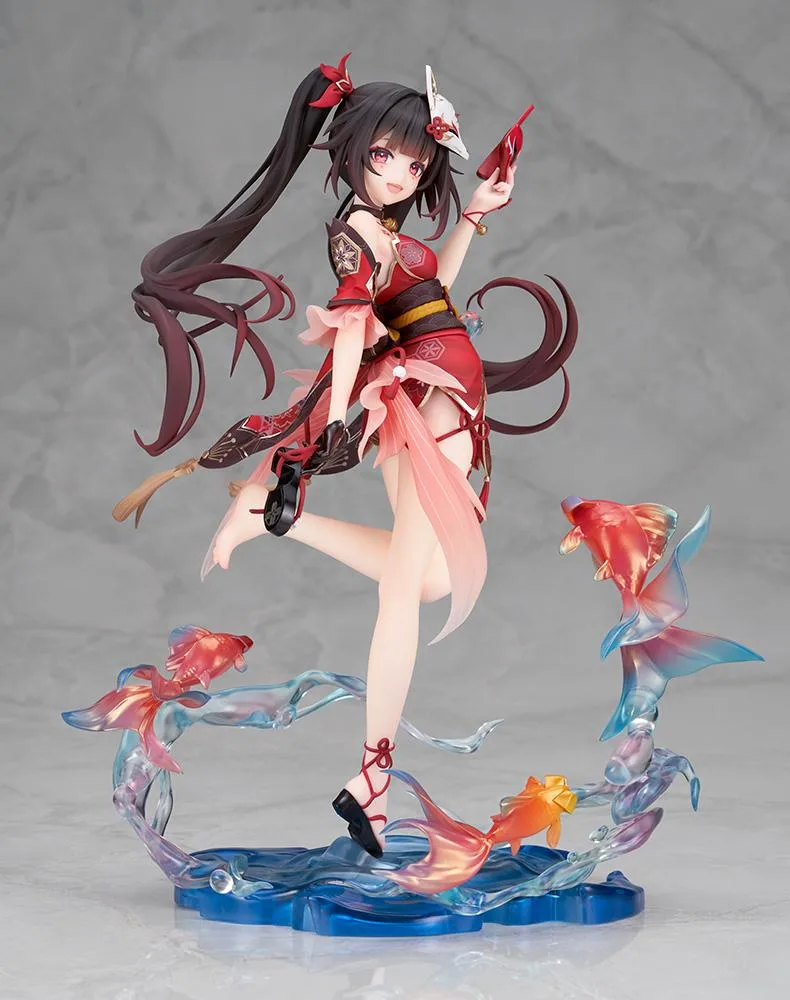
Not all figures are created equal. A prize figure with a simple base is easier to pack than a scale figure with intricate accessories. For prize figures like the Hatsune Miku Snow Miku All Stars 2013 Ver. from TAITO, the original box is usually compact and sturdy, so keep it. For Nendoroids, which have multiple face plates and limbs, wrap each piece separately and use a small plastic bag to keep them together.
Acrylic stands and other flat merch are a different story. They're less fragile but can scratch easily. If you're shipping an acrylic stand, wrap it in bubble wrap and place it between two pieces of cardboard to prevent bending. The same goes for plush buckles and fridge magnets—keep them flat and protected.
- For Nendoroids, use a ziplock bag for small parts inside the box.
- For scale figures, consider placing a layer of foam between the figure and the box lid.
- For acrylic stands, sandwich them between cardboard sheets to prevent flexing.
Mastering figure packaging and shipping is a skill that pays off every time you sell. By using the right materials, wrapping each piece carefully, and choosing a sturdy box with ample void fill, you can ensure your figures arrive safely and your buyers stay happy. Whether you're shipping a prized scale figure or a simple acrylic stand, these tips will help you ship figures safely every time. And if you're looking to add to your collection before you sell, check out the Wuthering Waves - Tidal Letters Series Acrylic Stand FUN4YEAH or the Wuthering Waves - Tidal Letters Series Plush Buckle FUN4YEAH for items that are easy to pack and ship.

Wuthering Waves - Tidal Letters Series Plush Buckle FUN4YEAH